




Antique Metal Candelabrum
An antique metal candelabrum brings sculptural presence and layered illumination to a room, offering the heavy warmth of cast brass, ormolu, and bronze.
Antique Metal Candelabrum
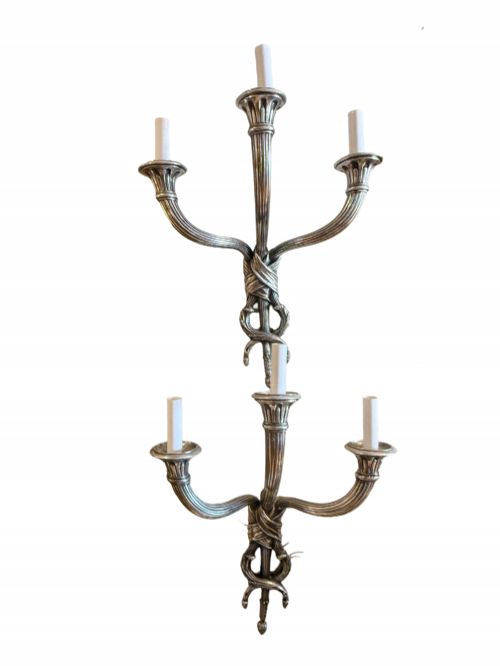
When searching for an antique metal candelabrum, a buyer encounters branch-armed table lights, wall sconces, and clock garnitures originating predominantly from the eighteenth, nineteenth, and early twentieth centuries. The selection spans compact twin-arm pairings to heavy multi-branch floor candelabra and converted lamps.
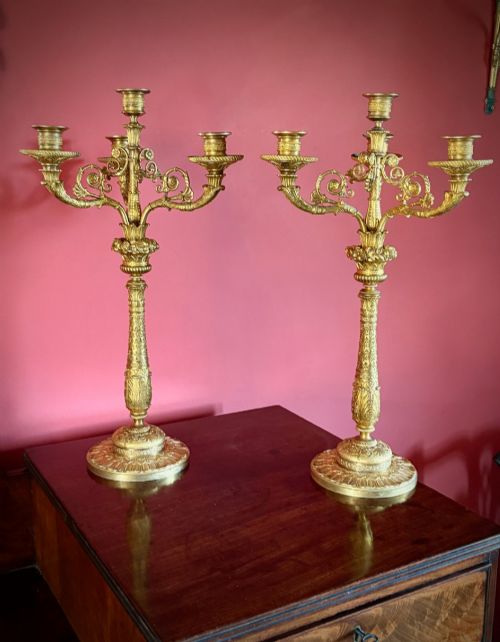
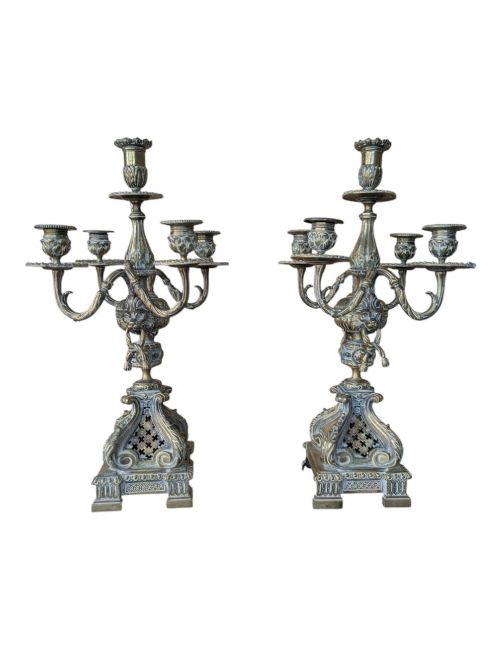
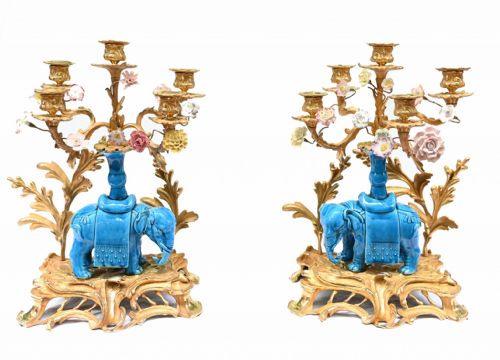
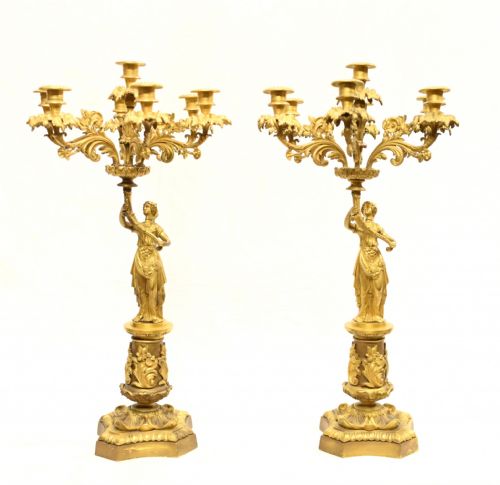
French design heavily influences the available pieces, bringing Rococo Revival, Neoclassical, and Empire aesthetics into the material. Buyers frequently meet pairs cast in ormolu, gilt metal, and bronze, often incorporating figurative elements such as cherubs, maidens, and mermen.
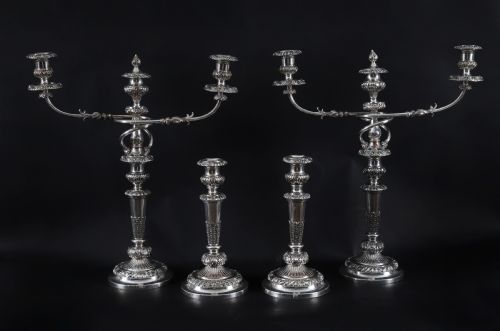
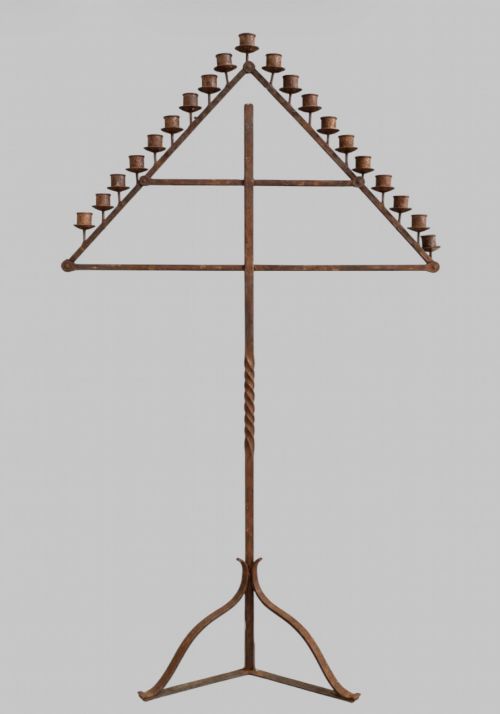
British and continental Victorian and Regency workshops also contribute heavily to the selection, utilising heavy cast brass, silver plate, and wrought iron. Pieces range from architectural wrought iron floor stands to ornate porcelain-mounted table candelabra.
Materials and construction methods
The construction relies on foundry techniques including lost-wax casting and sand casting for metals such as brass, bronze, spelter, and pewter. Molten metal poured into detailed moulds created intricate scrollwork, figurative statuary, and structural arms before undergoing chased finishing by hand.
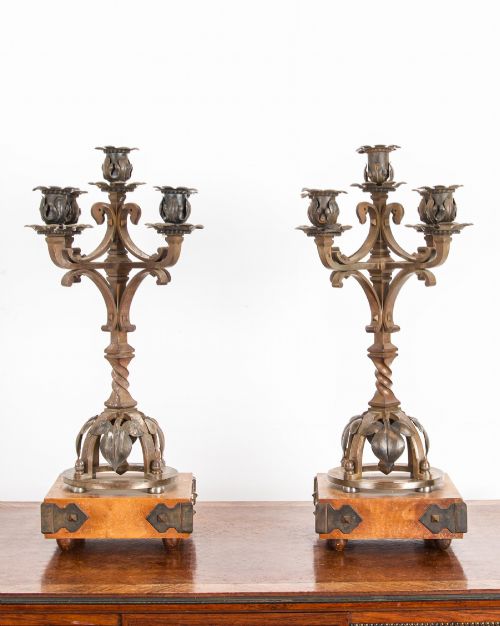
Gilding techniques, notably mercury gilding for ormolu alongside modern electroplating, applied thin layers of gold or silver finishes over base metals to achieve a rich lustre. Bases frequently incorporate contrasting natural materials like white marble and slate to add stability and visual weight.
Assembly involved mechanical joints, threaded rods, and hand-cut screws to secure multi-branch candelabra nozzles and drip pans to central columns. Many later twentieth-century conversions integrated electrical wiring through these structural channels.
Listings feature periods from the eighteenth through to the early twentieth century, constructed in brass, ormolu, bronze, and wrought iron.
Distinctions in manufacture and design
The choice of base materials and weight dictates the physical substance of the object. Solid bronze and heavy ormolu assemblies demonstrate superior material integrity compared to lighter spelter or hollow stamped sheet metal alternatives.
Cohesion of design separates standard production items from masterworks. Superior examples display balanced proportions across all arms, precise symmetry in matched pairs, and integrated mounts where decorative porcelain or marble components fit flush against the metal framework.
WMF·Blagden Hodgson And Co
The Antique Metal Candelabrum Glossary
- Ormolu
- Gilded bronze produced by applying a mercury and gold amalgam to a bronze base and firing it to drive off the mercury. This technique creates a distinctive, deep golden finish seen on eighteenth and nineteenth-century French lighting.
- Candelabrum
- A branched candlestick designed to hold multiple tapers from a single base. The plural form candelabra is frequently used interchangeably by makers and dealers.
- Garniture
- A set of matching decorative objects, typically comprising a central clock flanked by matching candelabra or vases. These sets dominated nineteenth-century mantelpiece displays.
- Torcher
- A tall stand or large candelabrum designed to hold a light source high above the floor or surface. In metalwork, these often feature figurative bronze maiden supports.
- Spelter
- A zinc-based alloy utilised as an economical alternative to bronze in later nineteenth and early twentieth-century manufacturing. It accepts patination and metallic paint finishes well, though it remains softer and lighter than true bronze.
Antique Metal Candelabrum: Frequently Asked Questions
How do I clean an antique metal candelabrum?
Dust gently with a soft, dry brush to prevent the accumulation of particles in recessed cast details. Avoid harsh commercial dips or abrasive polishes that strip away original patination and historic gilt layers.
For ormolu and bronze surfaces, a light wipe with a damp cloth followed by immediate drying is sufficient. Preserving the natural oxidation ensures the historical integrity of the piece remains intact.
Are these candelabra safe to use with real candles?
Most pieces accommodate standard taper candles within their original drip pans and nozzles. Ensure the candelabrum sits on a stable, level surface away from drafts before lighting.
Monitor burning candles closely to prevent wax run-off from accumulating on delicate gilt metal or marble bases. Extinguish flames before the wax burns down to the metal socket.
Can converted candelabra be returned to candle use?
Reverting a converted lamp back to a standard candelabrum depends entirely on how the wiring was integrated. Many conversions thread electrical cords through the central column without permanently altering or drilling the primary metal structure.
Removing electrical fittings and restoring original drip pans requires careful inspection of the internal channels. Professional assistance ensures structural components remain undamaged during the reversal process.
How do I distinguish between bronze and spelter?
Bronze offers a heavier, denser physical weight and a resonant tone when lightly tapped. Spelter feels noticeably lighter and softer, often showing a dull, non-resonant sound upon contact.
Examining the underside or areas of wear reveals the base grey metal of spelter beneath the surface finish. Bronze retains a warm, metallic golden-brown hue throughout its mass.