




Antique Meiji Pottery
These antique meiji pottery pieces bring intricate hand-painted decoration and varied ceramic forms straight from late nineteenth and early twentieth century Japanese kilns into modern rooms.
Antique Meiji Pottery
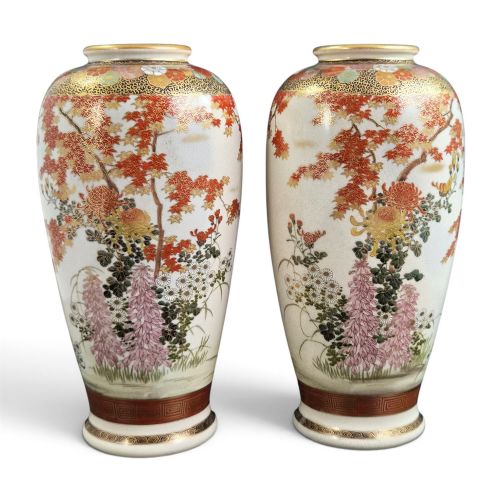
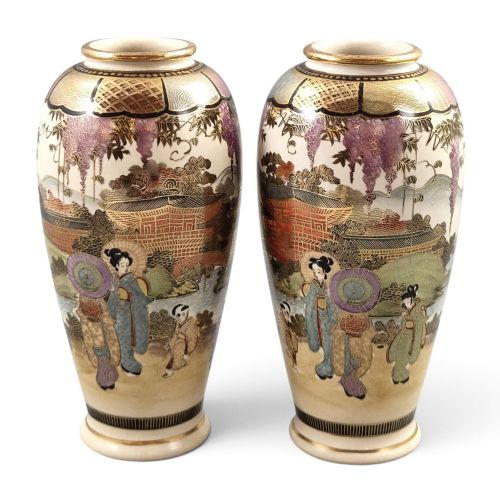
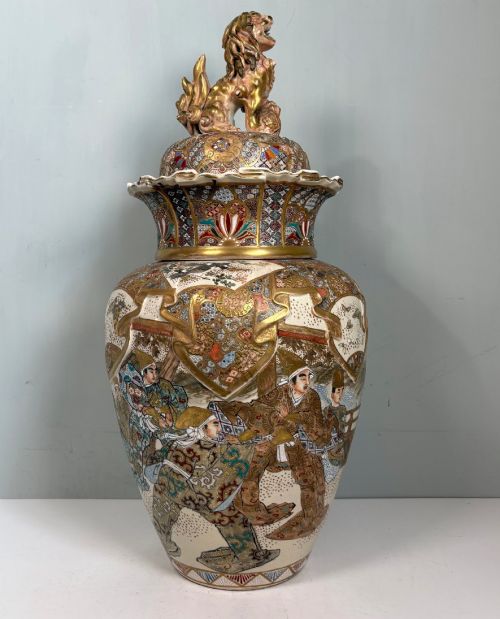
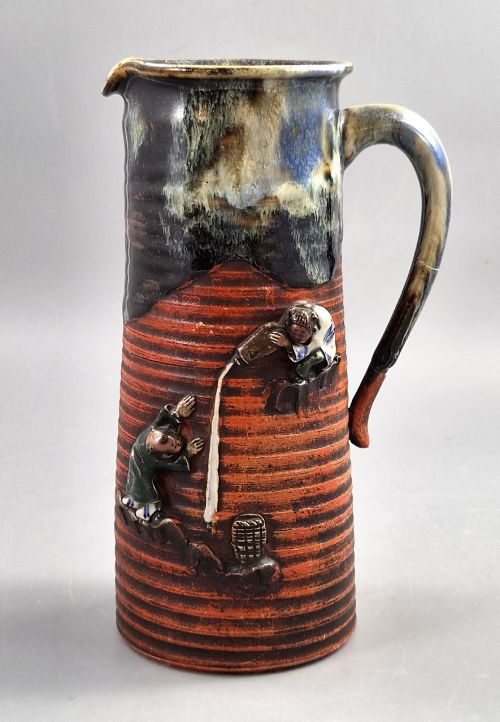
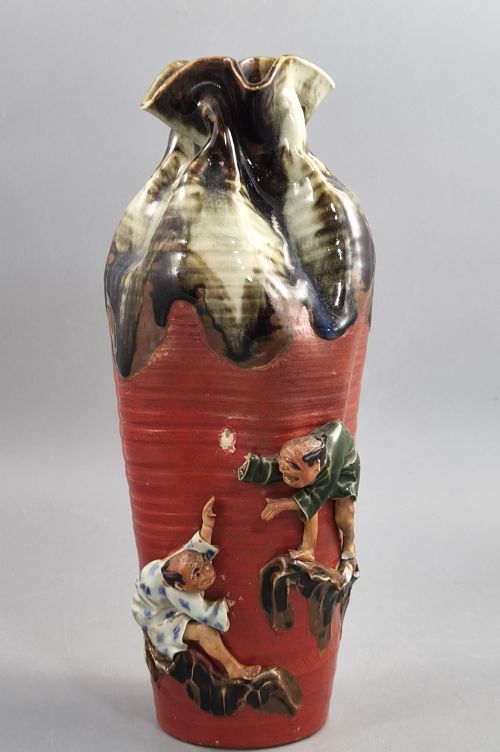
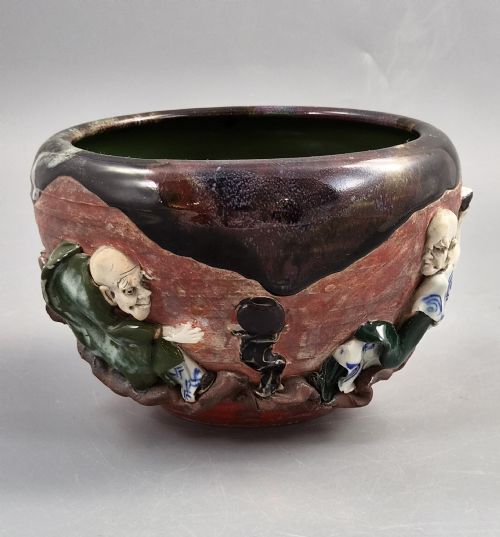
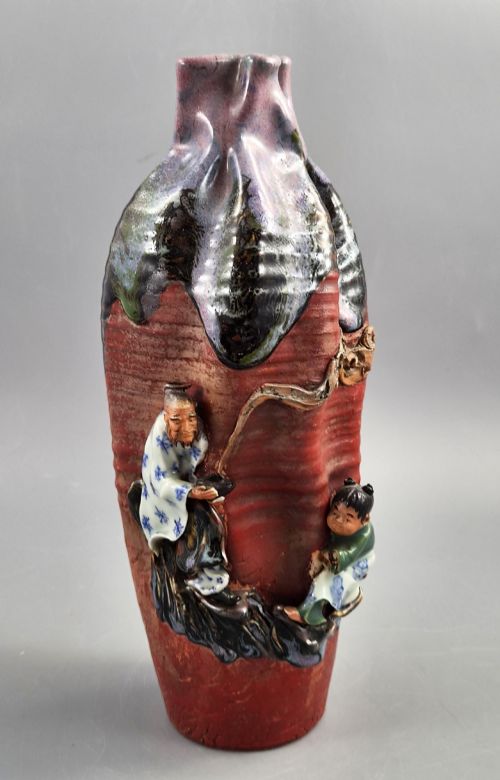
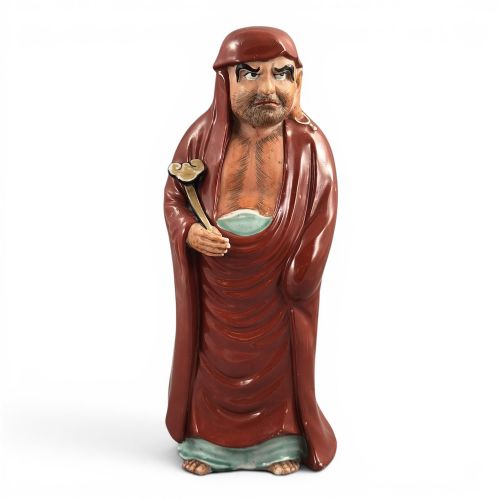
Antique meiji pottery encompasses a wide range of decorative ceramics produced during the Meiji period and closely adjacent eras, spanning items like vases, bowls, plates, and sculptural okimono figures. A buyer searching this phrase encounters works originating from notable traditions such as Satsuma, Sumida Gawa, Kutani, and Imari.
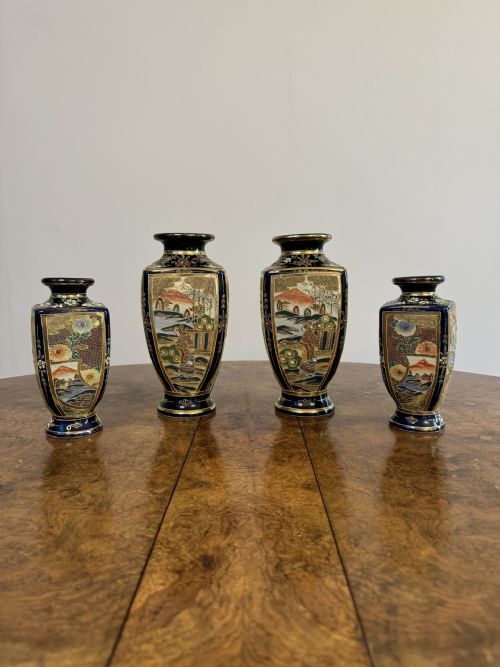
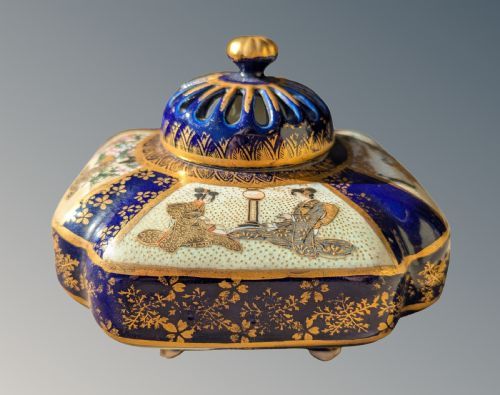
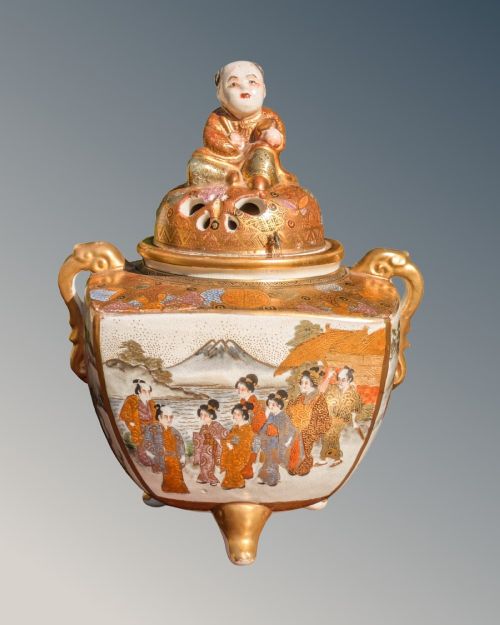
The most common vessels found on this page are Satsuma earthenware vases and garnitures, alongside heavily textured Sumida Gawa pieces featuring figures in relief. Porcelain Imari plates and Kutani vases also appear regularly, often displaying intricate floral or figural motifs.
These objects reflect both traditional Japanese aesthetics and the influences of international trade and Japonisme during the late Victorian and Edwardian periods. Collectors acquire them for their detailed narrative scenes, skilled use of enamel and gold leaf, and distinctive regional styles.
How They Were Made
Maker workshops utilised earthenware and porcelain bases, shaping them into baluster vases, ginger jars, and pinched-rim vessels, sometimes incorporating wood or gilt elements. Earthenware bodies provided a porous surface suited for complex enamel painting and gilding, while porcelain supported crisp underglaze blue and polychrome designs.
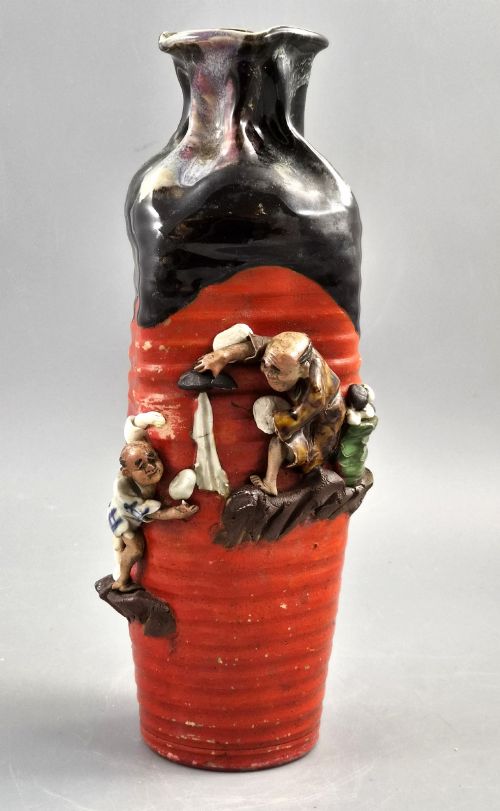
Glazing techniques defined distinct regional schools, ranging from the smooth, rich blue and white surfaces of Imari porcelain to the tactile, dripping lavender flambe and raw clay textures characteristic of Sumida Gawa pottery. Workshops also applied fine gold leaf and intricate enamel work over crackle-glaze backgrounds on Satsuma earthenware.
Potters employed relief modelling and sculptural attachments, constructing figures of sages, deities, and animals directly onto the vessel walls before firing. Signature marks incised or painted on the base recorded the specific artist or workshop responsible for the final piece.
Listings feature diverse forms including footed tazzas, ginger jars, okimono figures, and multi-piece garnitures.
What Varies In Quality
The standard of antique meiji pottery is determined by the precision and ambition of the brushwork, the complexity of the figural or floral composition, and the prestige of the maker workshop. Pieces produced by celebrated makers such as Kinkozan, Inoue Ryosai, or Makuzu Kozan demonstrate superior control over form, glaze effects, and fine detail.
The application of enamel and gold leaf distinguishes ordinary production wares from exceptional imperial-grade objects. Finer examples feature deeply layered polychrome scenes with hundreds of individual figures, delicate facial expressions, and flawless integration of glaze textures.
Structural complexity also separates the tiers, with heavily sculpted landscape vases, high-relief figures, and balanced garniture sets representing a higher degree of ceramic artistry than standard single-form vessels.
Koshida·Maruni Kobe·Shozan·Inoue Ryosai·Ban-ni·Kinkozan·Kozan·Kinzan·Hotoda·Makuzu Kozan
The Antique Meiji Pottery Glossary
- Satsuma
- A type of Japanese earthenware featuring an ivory-coloured, crackled glaze that serves as a canvas for elaborate enamel and gold decoration. It originated in Satsuma Province and later became a major export ware produced in Kyoto and other centres.
- Sumida Gawa
- A distinct style of pottery associated with the banks of the Sumida River in Tokyo, known for its thick flambe glazes and applied figures in high relief. The exposed clay and rough textures create a dramatic sculptural effect.
- Imari
- A traditional style of Japanese porcelain featuring blue, iron red, and gold designs, highly valued for its striking contrast and decorative impact. These pieces were widely exported during the Meiji period and earlier eras.
- Kutani
- A style of Japanese ceramics celebrated for bold polychrome enamel palettes and intricate pictorial designs. Kutani pieces often depict figures, birds, and natural landscapes across vases and dishes.
- Okimono
- A Japanese decorative figurine designed for display on a shelf or in a tokonoma alcove, often carved from wood, ivory, or modelled in ceramic. In Meiji pottery, these figures frequently represent deities, sages, or daily life scenes.
- Garniture
- A set of matching ceramic vessels, usually comprising vases or jars designed to be displayed together on a mantelpiece or sideboard. These sets demonstrate uniform decorative schemes and workshop signatures.
Antique Meiji Pottery: Frequently Asked Questions
What is Satsuma pottery?
Satsuma pottery is a distinct type of Japanese earthenware characterised by a warm, ivory-coloured crackle glaze. Artisans decorated these surfaces with detailed polychrome enamels and gold leaf.
Most surviving pieces date from the Meiji period, when workshops produced elaborate vases, bowls, and koro burners specifically for international export markets.
How do I identify Sumida Gawa ware?
Sumida Gawa pottery is instantly recognisable by its heavy, dripping flambe glazes and unglazed clay patches. The vessels feature distinct sculptural figures, animals, or sages modelled in high relief directly onto the body.
Many of these pieces bear signatures from prominent Tokyo-area makers and exhibit a raw, tactile aesthetic quite different from refined porcelain.
How were okimono figures used?
Okimono figures were decorative objects placed inside traditional Japanese rooms rather than utilised for practical serving purposes. They depicted revered figures, deities like Daikoku, or narrative scenes from folklore.
Ceramic examples from the Meiji period showcase the same detailed modelling and glaze work found on larger decorative vases.
Where were these ceramics made?
These ceramics were produced in specialised pottery centres across Japan, including Kyoto, Tokyo, and various provincial kilns. Kyoto workshops dominated the production of high-end Satsuma and decorative tablewares.
Export demand during the Meiji era drove these kilns to refine their output for collectors in Europe and America.