


Antique Marquetry Pedestal
An antique marquetry pedestal brings together intricate wood veneers and sturdy support structures from the nineteenth and early twentieth centuries.
Antique Marquetry Pedestal
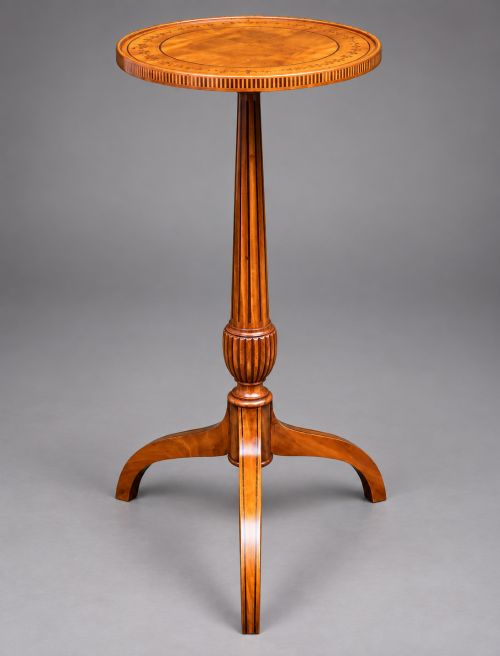
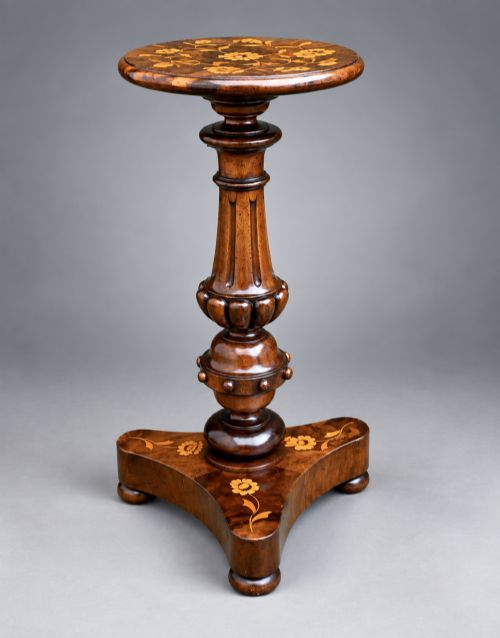
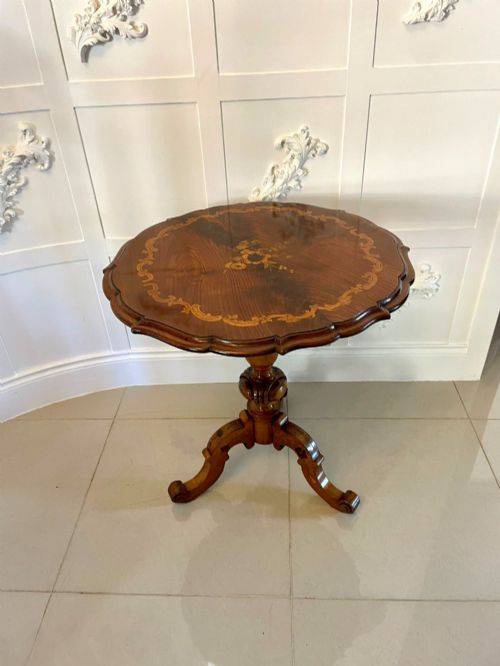
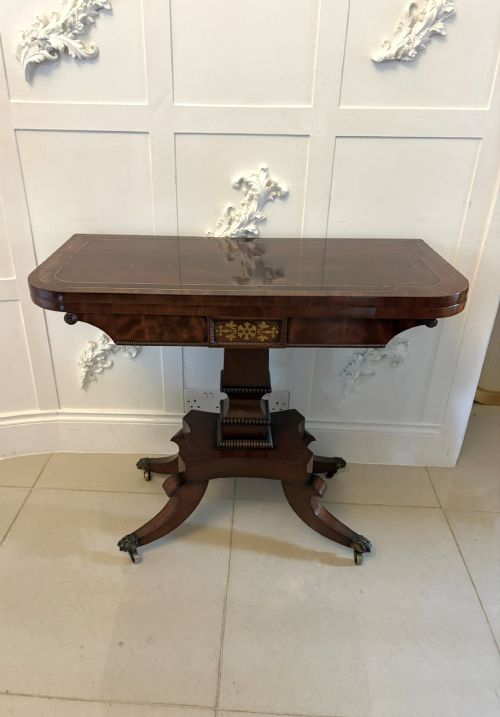
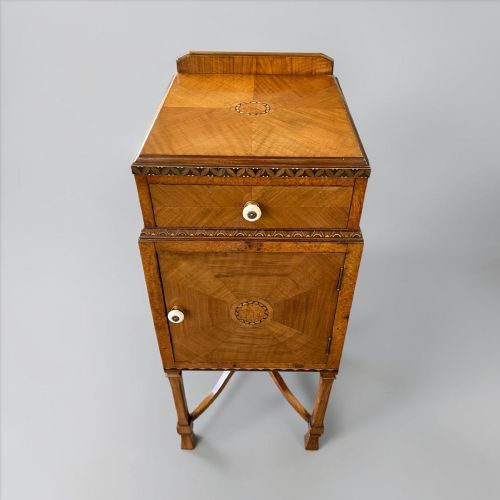
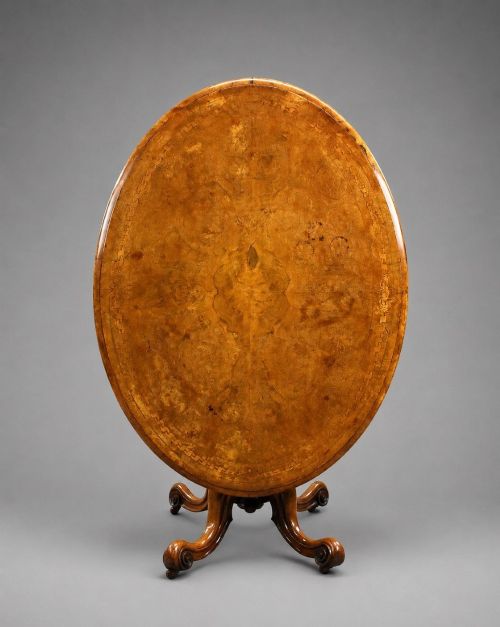
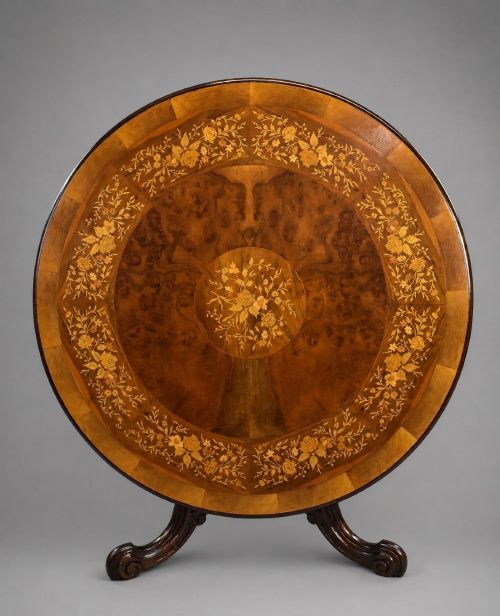
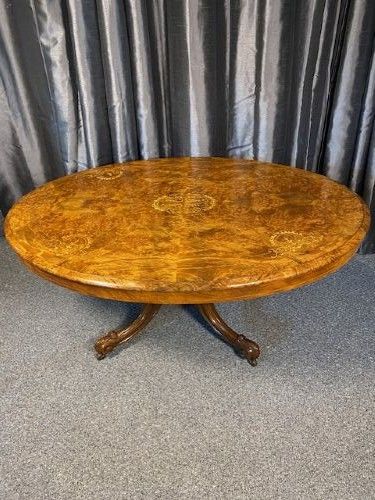
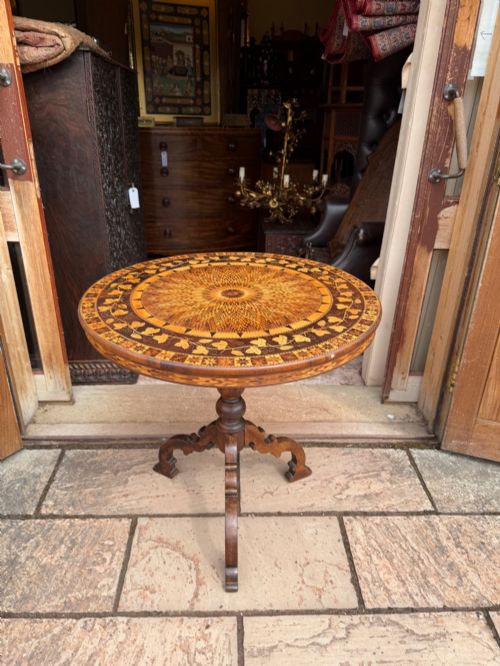
An antique marquetry pedestal encompasses a variety of support furniture and display pieces adorned with detailed wood inlay. The selection leans heavily towards Victorian and Edwardian examples utilising walnut, mahogany, and satinwood.
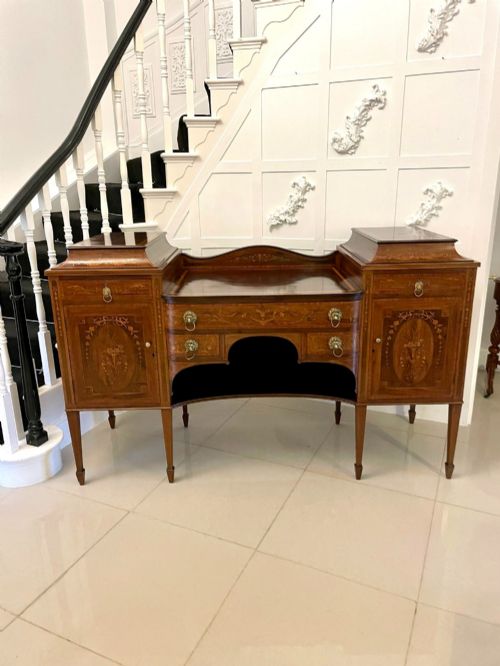
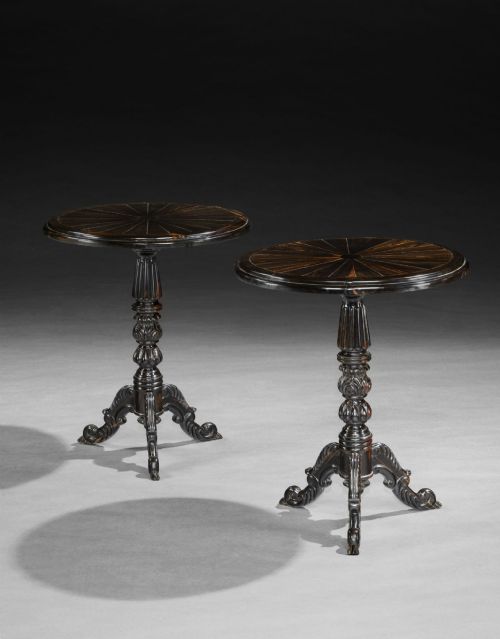
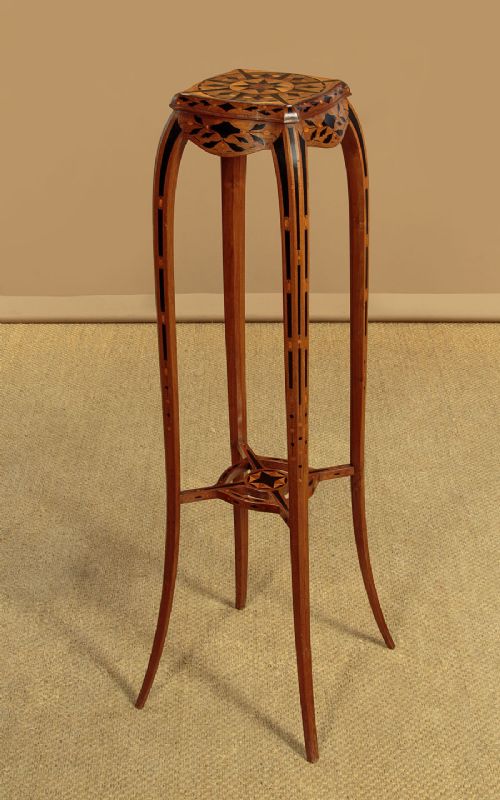
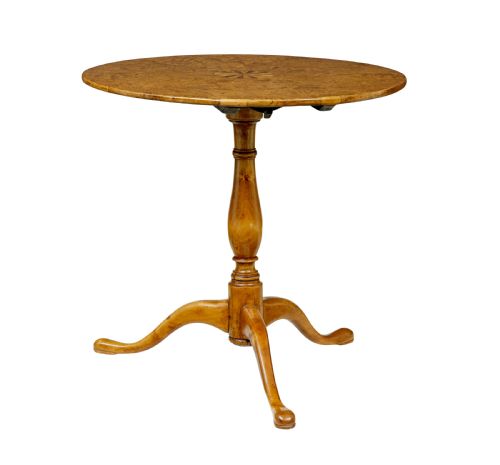
Buyers encounter forms ranging from lamp tables and torchieres to larger centre tables and pedestal desks, all sharing elaborate surface patterns created from contrasting veneers.
Materials and Techniques
Craftsmen built these pieces using solid foundational timbers such as mahogany or walnut, overlaid with fine veneers of satinwood, burr walnut, and rosewood. Detailed floral or geometric motifs were hand-cut from thin sheets of wood and fitted precisely into the primary surface.
Additional decorative elements like brass inlay, ormolu mounts, and leather writing surfaces frequently complement the primary marquetry work across various regional traditions.
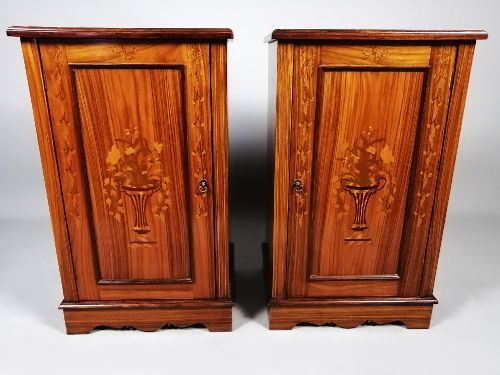
The inventory records various forms such as centre tables, occasional tables, pedestal desks, bedside cabinets, and torchieres.
Assessing Quality
Excellence in these items rests on the precision of the veneer cutting and the complexity of the timber selection. Finer pieces demonstrate seamless integration of contrasting woods without visible gaps in the inlay work.
The sophistication of the underlying cabinetwork, including the choice of secondary timbers and the crispness of turned or carved pedestal supports, distinguishes high-workshop production from standard commercial output.
Hewetsons London·George Bullock·Edwards and Roberts·Maples and Co
The Antique Marquetry Pedestal Glossary
- Marquetry
- Decorative veneer work forming pictures or geometric patterns by fitting together small pieces of coloured wood. This technique creates elaborate surface decoration on table tops and cabinet doors.
- Torchere
- A tall ornamental stand designed to hold a light or a decorative object such as a plant or vase. These slender pedestal forms often feature circular tops and tripod bases.
- Satinwood
- A durable, yellowish wood with a lustrous sheen, highly prized for fine cabinetmaking and inlay. It provides a bright contrast against darker timbers like mahogany and rosewood.
- Ormolu
- Gilded bronze mounts applied to furniture for decorative effect. These metallic accents frequently appear on nineteenth-century neoclassical pedestal pieces.
- Burr Walnut
- Wood taken from a walnut tree's growth deformity, producing swirling, highly figured grain patterns. Cabinetmakers used these decorative veneers on prominent surfaces of Victorian tables.
Antique Marquetry Pedestal: Frequently Asked Questions
What is an antique marquetry pedestal?
It is a piece of nineteenth or early twentieth-century furniture featuring intricate wood veneer patterns supported by a central column or legs.
These items serve as display stands, occasional tables, or specialised desks depending on their specific form.
How were these tables used originally?
They functioned primarily as decorative display surfaces in grand entry halls, drawing rooms, and studies.
Many specific variants held lamps, plants, books, or writing materials for daily domestic use.
How do I care for inlaid wood surfaces?
Protect the delicate veneers by keeping the furniture away from direct sunlight and maintaining stable room humidity.
Apply occasional gentle polishing with appropriate traditional waxes to preserve the sheen of the timber.
How do I distinguish Victorian from Edwardian pieces?
Victorian examples often display heavier proportions and darker timbers like burr walnut or rosewood with elaborate floral marquetry.
Edwardian pieces frequently utilise lighter satinwood and mahogany in refined Sheraton Revival designs.