




Cabriole Leg Planter Stand
A cabriole leg planter stand brings botanical display indoors on curving supports.
Cabriole Leg Planter Stand
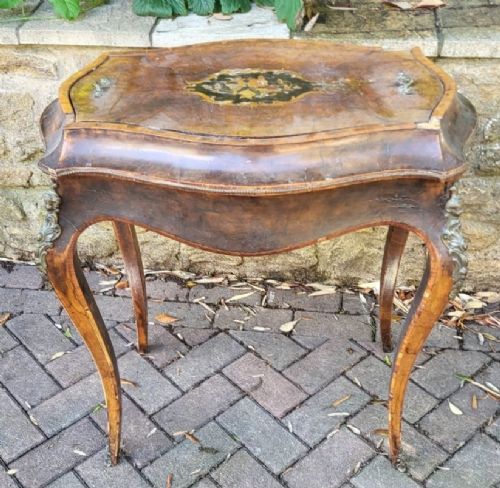
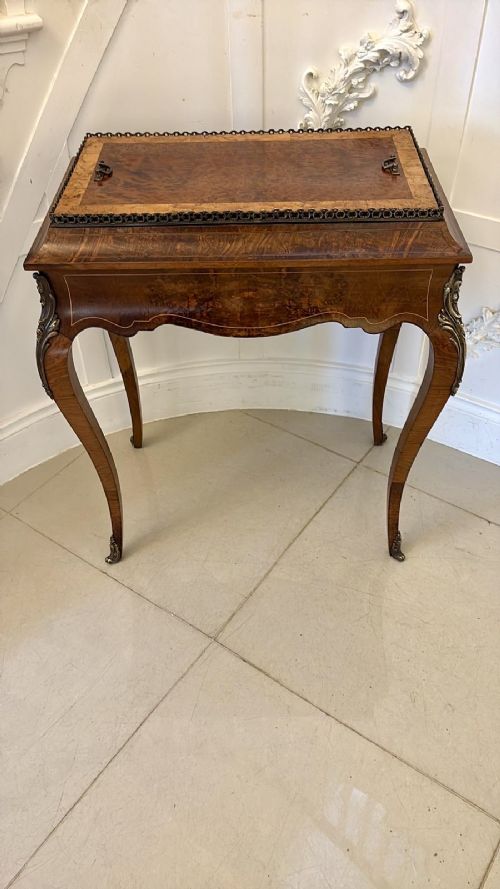
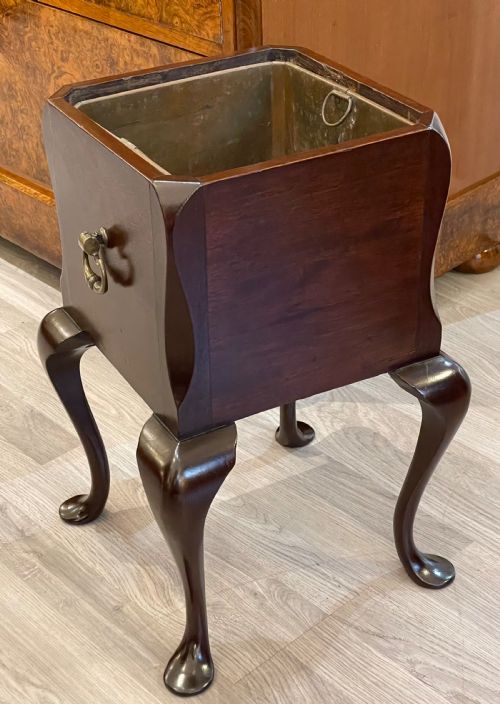
A cabriole leg planter stand is a decorative receptacle designed to hold plants and flowers within domestic interiors. When exploring cabriole leg planter stand options, buyers encounter forms such as jardiniere tables, plant stands, and side tables.
The selection ranges from Georgian pieces to Victorian and Belle Epoque examples. Walnut, burr walnut, mahogany, and kingwood predominate among the woods, often paired with brass, ormolu, and porcelain elements.
How They Were Made
Cabinetmakers constructed these stands using dense timbers like walnut, burr walnut, and kingwood, frequently applying intricate marquetry and inlay work across the surfaces. Marquetry patterns utilise contrasting veneers to create floral or geometric motifs.
Metal components include cast ormolu mounts, brass linings, and zinc interiors designed to contain moisture. Porcelain plaques, such as Sevres-type panels, are integrated into the timber framework for decorative effect.
Some stands double as wine coolers or cellarettes, proving that nineteenth-century hosts liked their flora with a side of fermented grapes.
What Varies in Quality
The distinction in quality rests upon the crispness of the timber carving and the precision of the marquetry inlay. Superior examples display carefully chosen burr veneers that align naturally across the planes of the stand.
Mounts and liners also dictate the standard of the piece. Finely chased ormolu and robust original metal liners indicate higher workmanship than secondary replacements or plain brass banding.
The Cabriole Leg Planter Stand Glossary
- Jardiniere
- An ornamental stand or container for holding plants or flowers. These vessels often feature fitted metal liners to protect the surrounding woodwork from moisture.
- Ormolu
- Gilded bronze mounted onto furniture as decorative hardware and edging. The technique involves applying a mercury and gold amalgam to bronze before firing.
- Marquetry
- Decorative veneer applied to furniture in patterns using different woods, metals, or shells. Craftsmen assemble these thin slices to form pictorial or abstract designs.
- Sevres-type
- Porcelain decorated in the manner of the Sevres factory, often featuring hand-painted scenes within jewelled borders. These plaques appear inset into cabinetwork.
Cabriole Leg Planter Stand: Frequently Asked Questions
What is a jardiniere stand?
A jardiniere stand is a specialised piece of furniture designed to elevate plants and floral arrangements within a room. These stands combine a decorative display surface with a practical waterproof container.
They function as both furniture and indoor garden accessories. Many include lift-off lids or removable liners for easy plant maintenance.
How do I clean the wood?
Maintenance requires gentle dusting with a soft cloth to protect delicate veneers and marquetry. Avoid applying modern silicone sprays or excess water to antique timbers.
Waxing occasionally helps nourish walnut and mahogany surfaces. Keep these stands away from direct heat sources to prevent timber splitting.
Where were they placed?
These stands typically stood in nineteenth-century drawing rooms, parlours, or conservatories to bring greenery inside. Their finished backs and freestanding designs allowed placement in the centre of rooms or against walls.
They served as focal points for floral displays during formal entertaining. Their height brought plants up to eye level for seated guests.
How do I identify a Georgian stand?
Georgian stands usually feature dense timbers like mahogany and simpler structural lines compared to later revival pieces. They reflect eighteenth-century cabinetmaking traditions.
Carved details tend to be integrated directly into the solid wood rather than applied via separate metal mounts. Proportion and restraint guide the overall aesthetic.