
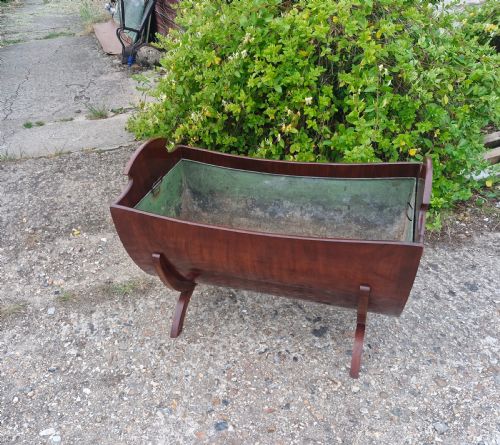


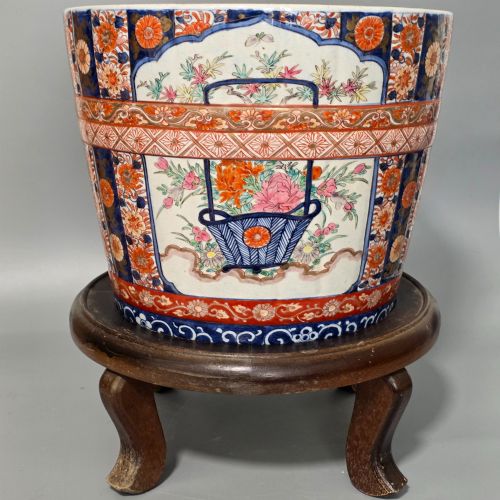
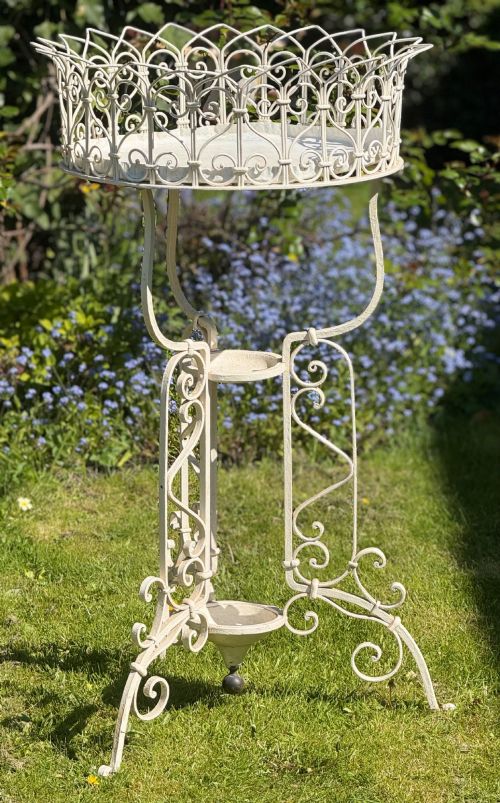
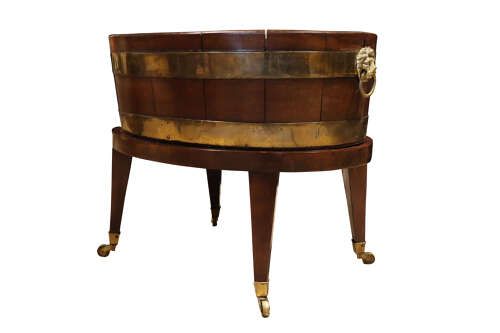


19th Century Planter Stand
These 19th century planter stand pieces combine utility with decorative presence, bringing botanical displays indoors and outdoors with period craftsmanship.
19th Century Planter Stand
A 19th century planter stand encompasses indoor jardinières, garden pedestals, and plant holders designed to elevate greenery within domestic and garden spaces. The versions you meet most frequently on this page date from the Victorian period through to the late nineteenth century, rendered in timber, metal, and ceramic forms.
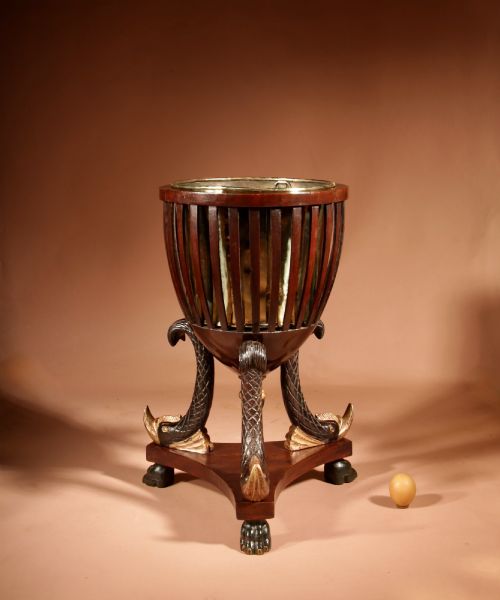
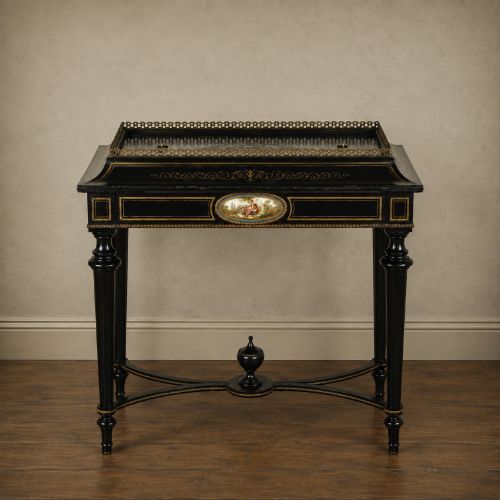
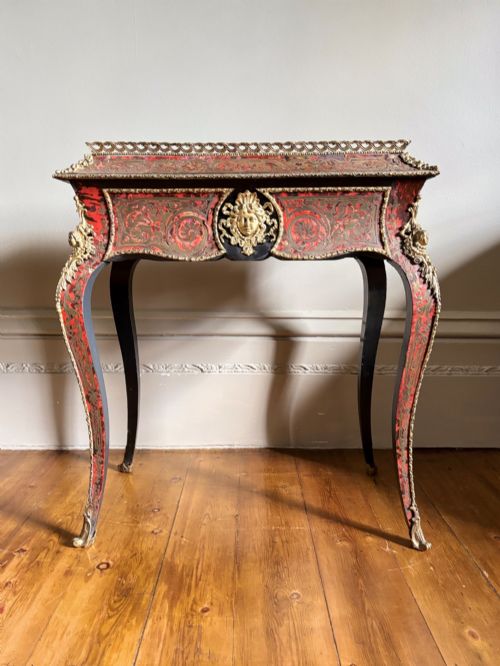
Makers and manufacturers produced these objects for both formal reception rooms and garden rooms, drawing on Regency, French Empire, Louis XV Style, and Gothic Revival aesthetics. Forms range from coopered mahogany buckets on stands to cast iron garden columns and ebonised wood tables inset with porcelain plaques.
How They Were Made
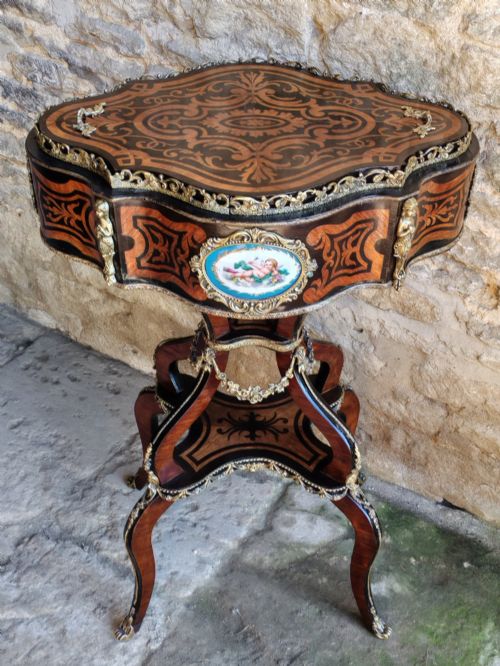
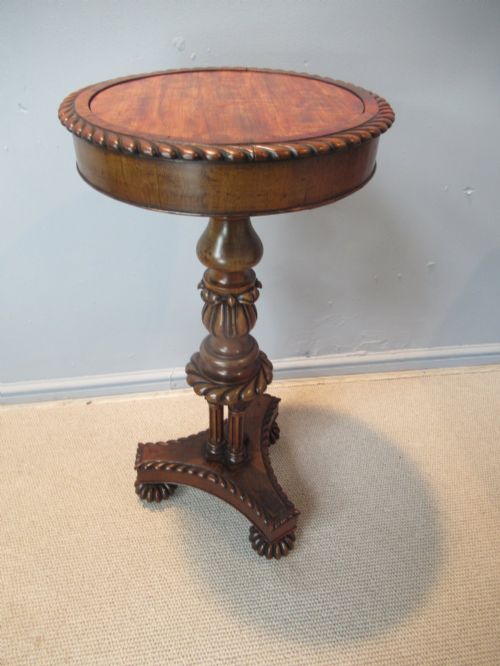
Craftsmen utilised traditional cabinet-making and metalworking techniques, combining timbers such as mahogany, walnut, and satinwood with brass or ormolu mounts, marquetry inlay, and ebonisation. Coopered construction appeared frequently in wooden jardinières, employing tight stave assemblies suited to holding damp soil or metal liners.
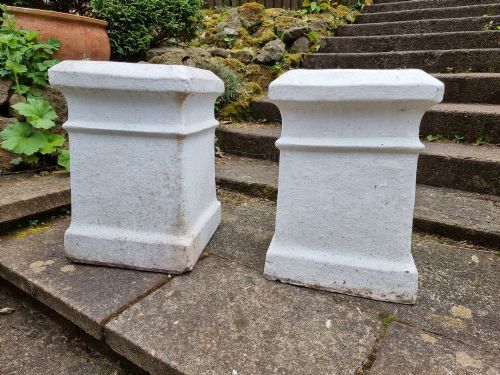
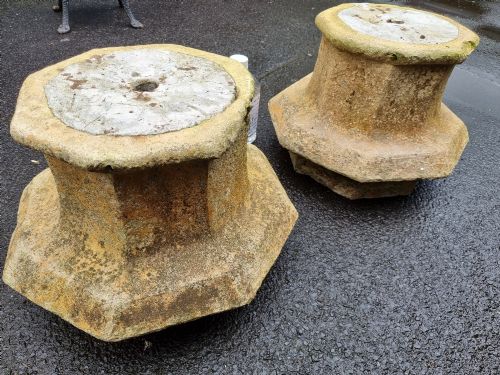
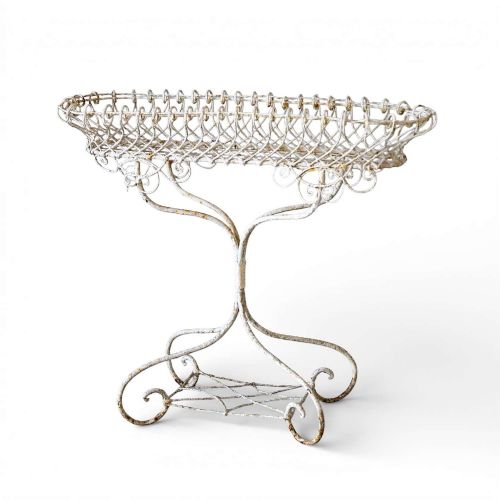
For exterior and robust interior pieces, workshops cast iron, bronze, and stone, or shaped wrought iron and wirework into scrollwork and lattice baskets. Decorative details often included hand-painted porcelain plaques, carved woodwork, and giltwood finishes.
Several stands double as wine coolers or champagne cellarettes, proving that nineteenth-century hosts liked their flora near their refreshment.
What Varies in Quality
Quality rests upon the crispness of casting in metal mounts, the depth and precision of marquetry inlay on timber surfaces, and the integrity of internal linings or coopered staves. Finer examples display harmonious proportions and sophisticated decorative vocabulary, such as Boulle work or hand-carved walnut details, rather than purely functional assembly.
The choice of materials dictates the tier of the piece, moving from painted pine and basic wirework up to exotic hardwoods, fine porcelain inserts, and fire-gilded ormolu mounts associated with French Empire and Victorian drawing-room pieces.
The 19th Century Planter Stand Glossary
- Jardiniere
- An ornamental pot or stand for holding plants or flowers. These receptacles sat on floors or furniture surfaces inside the home.
- Coopered
- Constructed from wooden staves bound together with metal hoops, traditionally used for casks and adapted for wooden plant buckets.
- Ormolu
- Gilt bronze ornamentation applied to furniture and decorative objects. This technique involved coating cast brass or bronze with a gold-mercury amalgam.
- Boulle
- A form of marquetry consisting of tortoiseshell and brass inlay. Named after a French cabinet-maker, it decorated luxury stands.
- Torchere
- A tall ornamental stand intended to support a light or a plant. They provided vertical accent in period rooms.
19th Century Planter Stand: Frequently Asked Questions
What is a jardiniere stand?
A jardiniere stand is an elevated piece of furniture designed to display potted plants or floral arrangements above floor level.
These pieces allowed households to incorporate greenery into formal interiors while protecting flooring from moisture.
How were these stands used historically?
Owners placed them in drawing rooms, conservatories, and hallways to showcase exotic indoor plants or cut flowers.
In country houses and gardens, heavier iron and stone variants served exterior botanical displays.
Can I use antique plant stands outside?
Wrought iron, cast iron, and stoneware pieces were built for garden rooms and outdoor conditions.
Wooden and gilt stands with delicate veneers or porcelain plaques are better suited to dry indoor environments.
How do I identify the period?
Stylistic clues such as Regency curves, Victorian Gothic Revival motifs, or Napoleon III ebonised finishes help date the piece.
Materials and construction methods further anchor pieces within the nineteenth-century timeline.