






Mahogany Wine Bottle Stand
A mahogany wine bottle stand serves bottles at the dining table with polished timber and metal hardware.
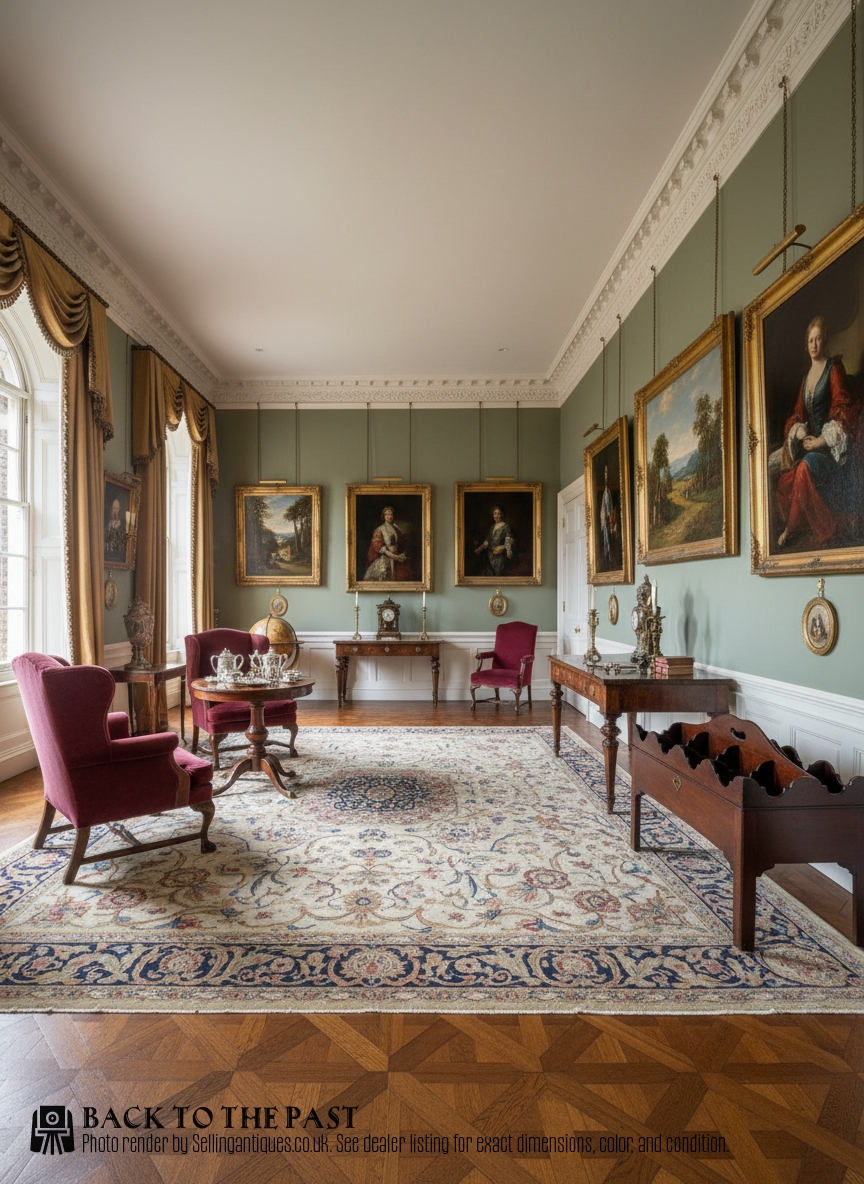
Mahogany Wine Bottle Stand
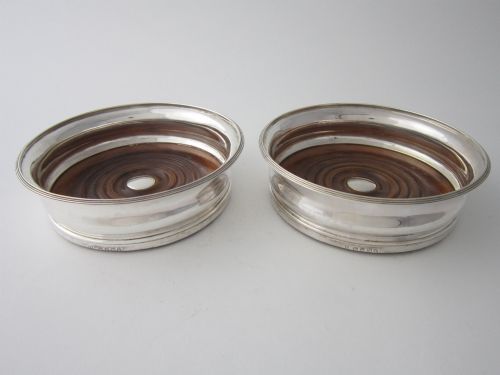
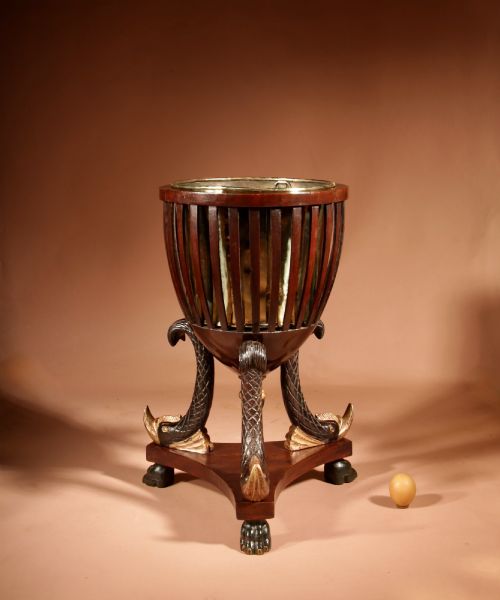
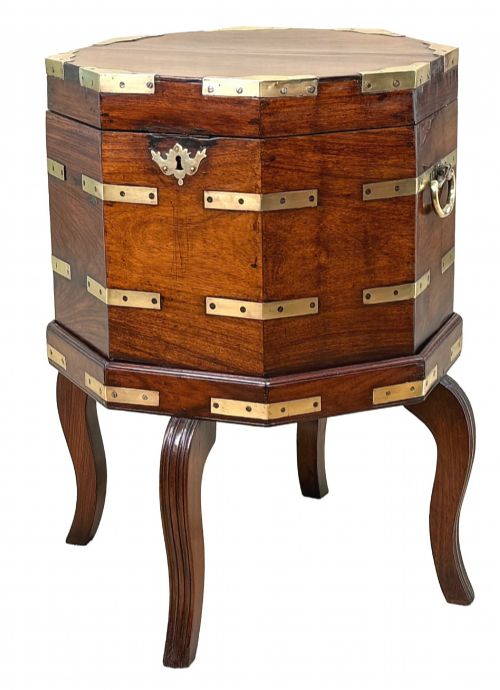
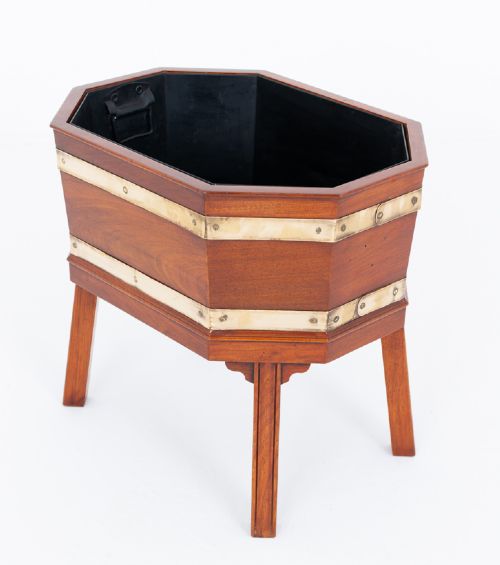
A mahogany wine bottle stand groups portable coasters, table cradles and floor-standing cellarettes designed to hold bottles securely during dining. The search for a mahogany wine bottle stand points buyers towards pieces spanning the Georgian, Regency and Victorian eras, alongside later revival items.
Materials and construction
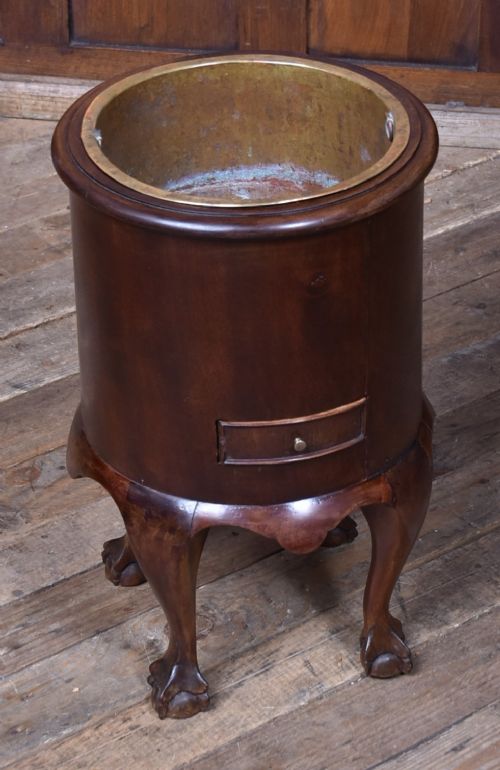
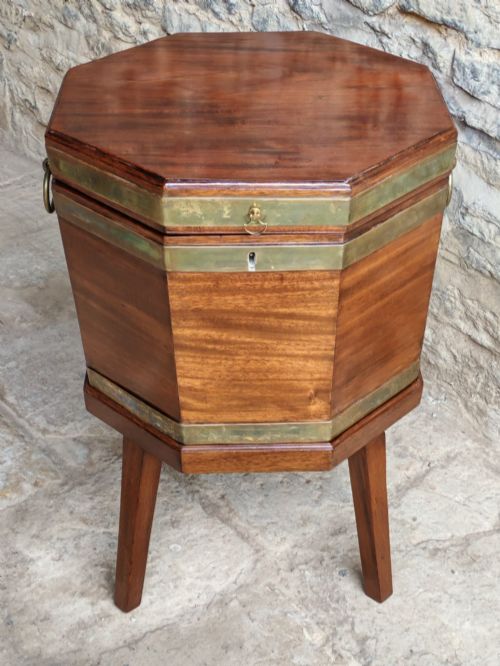
Cabinetmakers constructed these pieces primarily from solid or veneered mahogany, frequently incorporating turned wooden bodies and coopered staves for larger floor-standing vessels. Brass bands, side handles and cast metal liners provided structural reinforcement and protection against moisture.
Coasters and bottle cradles often integrate sterling silver or silver plate mounts, securing the timber bases while adding reflective contrast to the dark grain. Zinc linings and lead weights appear inside many coolers to stabilise the weight of ice and filled bottles.
Several miniature mahogany buckets are designed simply to cradle a solitary bottle of claret beside your elbow.
Judging execution
Quality rests upon the crispness of the cabinetwork, the depth of the timber's grain and the integrity of the metal fittings. Early coopered vessels show precise joinery where the wooden staves meet the base, whereas lesser items rely on simpler box construction.
The refinement of brass mounts, cast handles and inlay distinguishes standard workshop output from exceptional commissions. Patina accumulated across centuries of polish highlights the natural figuring of the wood without masking the original tool marks.
Gillows·John and Thomas Settle·Mein of Kelso
The Mahogany Wine Bottle Stand Glossary
- Cellarette
- A lockable floor-standing cabinet or vessel designed to hold wine bottles near the dining table. These containers often feature internal dividers and lead linings.
- Coaster
- A small, flat-bottomed tray with raised sides, fitted with wheels or a felt base to slide across the dining surface. They protect polished table tops from condensation rings.
- Coopered
- Built from curved wooden staves bound together with metal bands, utilising the traditional method employed for making casks and barrels. This technique grants structural strength to oval and octagonal wine coolers.
- Patina
- The deep surface sheen and soft texture developed on wood and metal over decades of handling and polishing. It serves as an indicator of age and careful maintenance.
Mahogany Wine Bottle Stand: Frequently Asked Questions
How were cellarettes used?
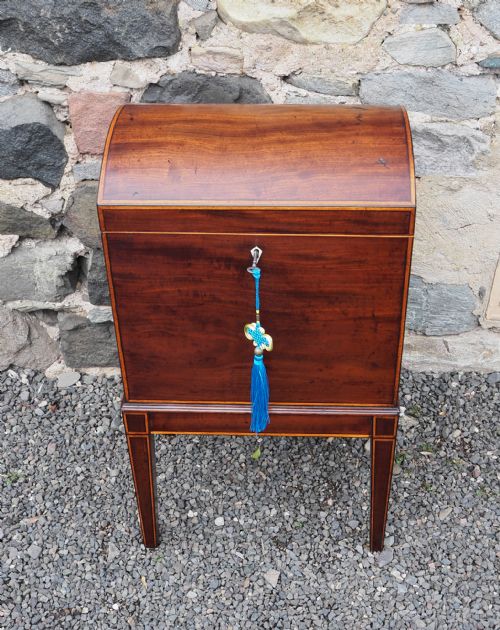
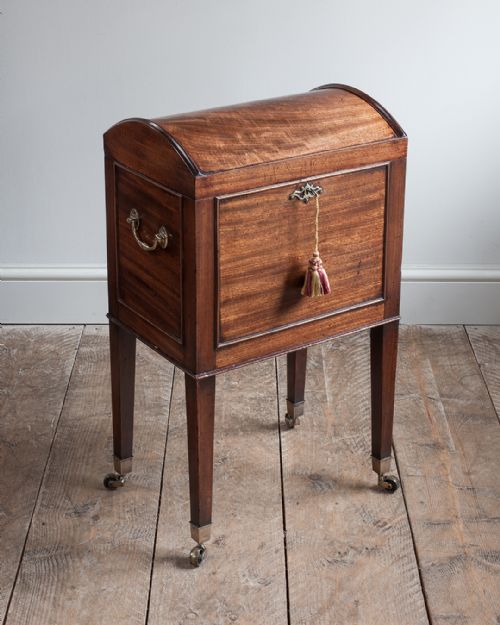
Cellarettes sat beneath sideboards or beside the dining table to hold reserve wine bottles before serving. Servants retrieved bottles from these secure containers as the meal progressed.
Larger floor-standing examples often contained metal liners to hold ice, chilling several bottles simultaneously.
What is a bottle cradle?
A bottle cradle tips a single wine bottle at an angle to facilitate smooth pouring without disturbing sediment. These frames usually incorporate a wooden base and a metal handle.
They allowed diners to serve port or claret directly at the table with steady control.
How do I clean mahogany?
Dust the timber regularly with a soft, dry cloth to prevent dirt accumulation on the polished surface. Avoid commercial sprays that contain silicone.
Apply a traditional beeswax polish sparingly to nourish the wood and maintain the natural sheen.
Are coasters magnetic?
Silver plate and sterling silver coasters possess non-magnetic metal mounts, though older items may conceal iron weights in the base. The central body consists of timber.
Brass-bound coolers feature copper alloy bands secured with iron or brass pins.