


Georgian Dining Room Furniture
Georgian dining room furniture brings together substantial mahogany dining tables, cellarettes, and sideboards shaped by the aesthetic demands of the eighteenth and nineteenth centuries.
Georgian Dining Room Furniture
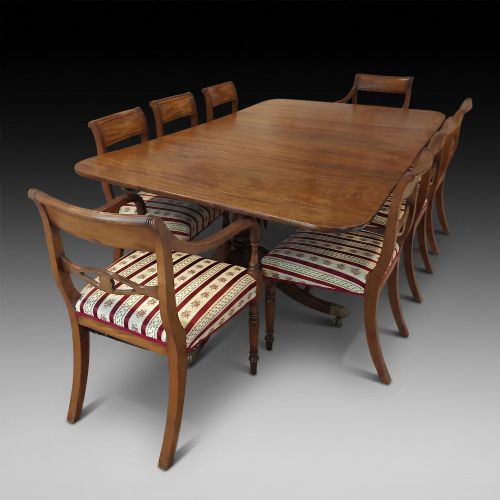
Georgian dining room furniture encompasses the practical and decorative items that populated formal eating spaces from the eighteenth century through later revival periods. Dining chairs, sideboards, dining tables, and serving tables form the core of what is available.
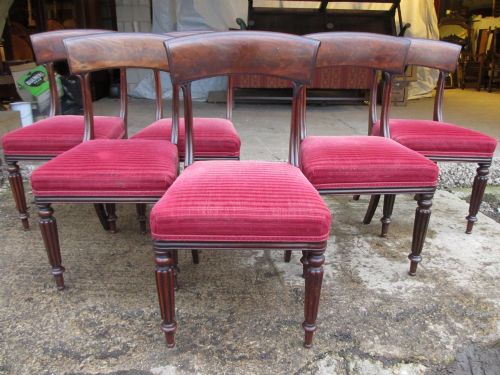
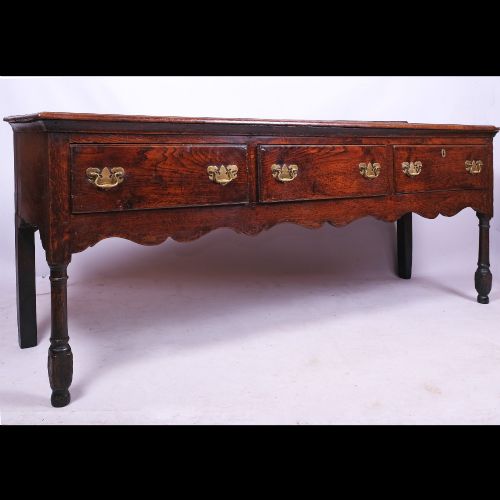
Buyers will frequently encounter mahogany dining chairs, sideboards, and dumb waiters originating from the Georgian, Regency, and William IV eras. Later revival pieces from the nineteenth and early twentieth centuries also appear across these categories.
Storage pieces such as cellarettes, wine coolers, and side cabinets feature prominently alongside dining suites and occasional tables. These forms reflect the specific domestic rituals of hosting and dining during the period.

How they were made
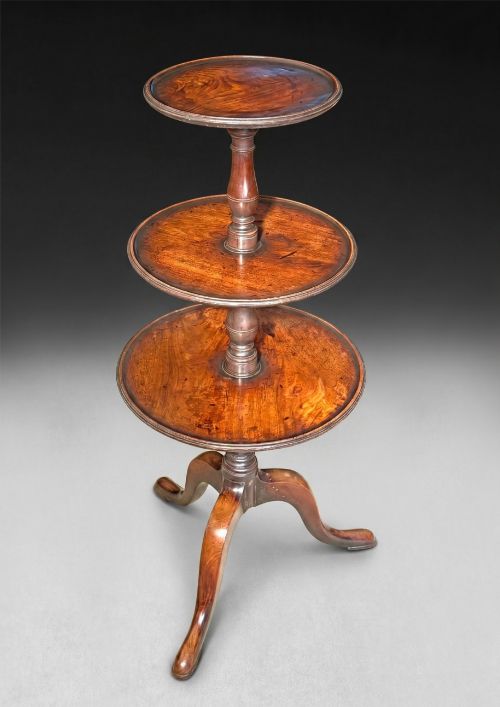
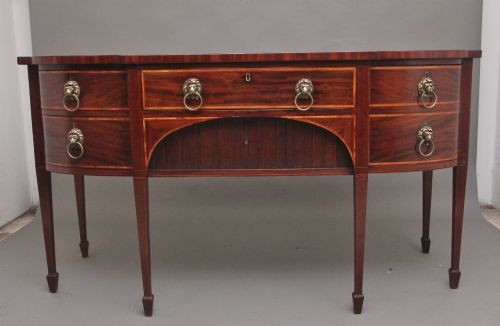
Solid mahogany and flame mahogany veneer provide the primary structural and visual foundation for these dining room pieces, occasionally supplemented by oak, satinwood, and burr elm. Artisans utilised these dense timbers to construct robust dining tables, sideboards, and multi-tiered dumb waiters.
Georgian Dining Room Furniture Retail Price Guide 2026
Typical asking prices for georgian dining room furniture among the pieces listed under this phrase on Sellingantiques today, from the lower quarter to the upper quarter. They describe what is for sale here now, not the wider market.
Listings feature mahogany, satinwood, and oak alongside specialised dining forms like cellarettes and metamorphic buffets.
What varies in quality
The degree of refinement in timber selection and decorative inlay separates standard items from exceptional examples. Pieces featuring figured flame mahogany, fiddleback grain, or intricate boxwood stringing demonstrate a higher level of cabinet-making ambition.
Structural complexity also defines quality, ranging from simple sideboards to metamorphic buffets and multi-tiered dumb waiters with sophisticated turning and joinery. The crispness of carved details on chair legs and table pedestals further distinguishes superior workshops.
M. D. Miller And Sons·The Woodworkers Ltd Kilkenny
The Georgian Dining Room Furniture Glossary
- Cellarette
- A freestanding box or cabinet designed to hold wine bottles and cool them with ice. These vessels often take sarcophagus or octagonal shapes.
- Dumb waiter
- A tiered freestanding stand with rotating or fixed circular trays used for serving food and drink without servants present.
- Chiffonier
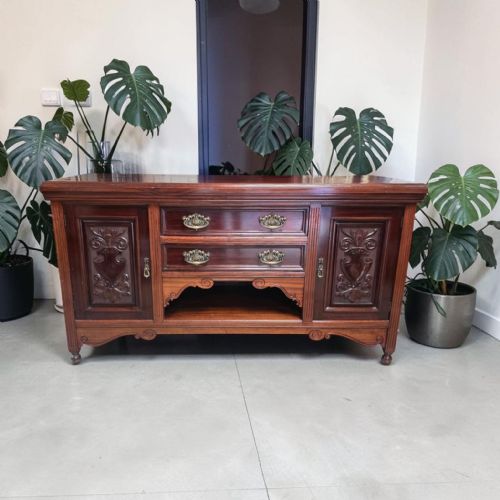
- A low cabinet with doors or drawers, frequently topped with a shelf superstructure, used in dining rooms for storing silver and glassware.
- Pedestal sideboard
- A central sideboard flanked by separate pedestals, often associated with Regency dining room design.
- Stringing
- A narrow strip of contrasting wood inlay used to outline the edges of drawers, tabletops, and cabinet fronts.
- Fiddleback mahogany
- A highly figured timber grain showing transverse ripples that resemble the back of a violin.
Georgian Dining Room Furniture: Frequently Asked Questions
What is a cellarette used for?
Cellarettes served as specialised storage containers for wine and spirits within the dining room. They kept bottles close to the dining table during extended meals.
Many examples included internal compartments and lead linings to accommodate ice, functioning effectively as portable refrigerators of the period.
How do I identify a dumb waiter?
A dumb waiter typically consists of a central column supported by three or four legs, carrying multiple circular graduating tiers. They were placed beside dining tables to hold dishes.
These pieces allowed diners to help themselves to courses without domestic staff lingering in the room.
What timber was used most often?
Mahogany served as the predominant timber for high-end dining room furniture throughout the Georgian and Regency periods. Its strength allowed for slender supports and detailed carving.
Cabinetmakers also incorporated satinwood, oak, and burr elm for specific decorative contrasts or internal framing.
Are revival pieces considered authentic?
Revival pieces date from later periods such as the late nineteenth and early twentieth centuries, copying earlier eighteenth-century designs. They represent distinct historical manufacturing eras rather than original Georgian production.
Understanding these dates helps buyers appreciate the exact age and construction methods of each piece.