





Antique Wooden Bottle Stand
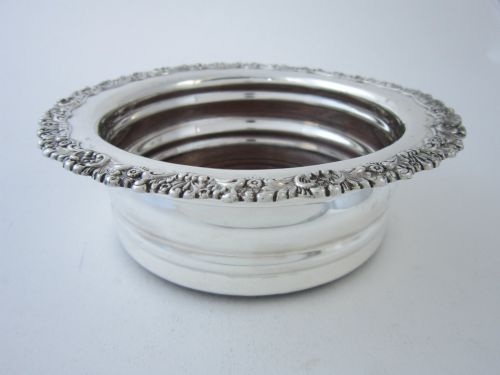
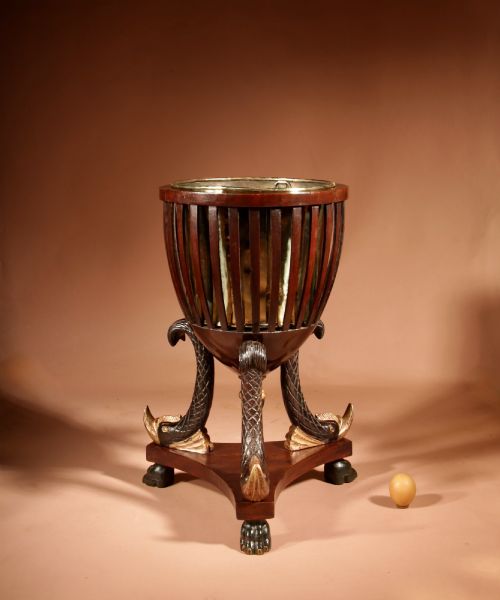
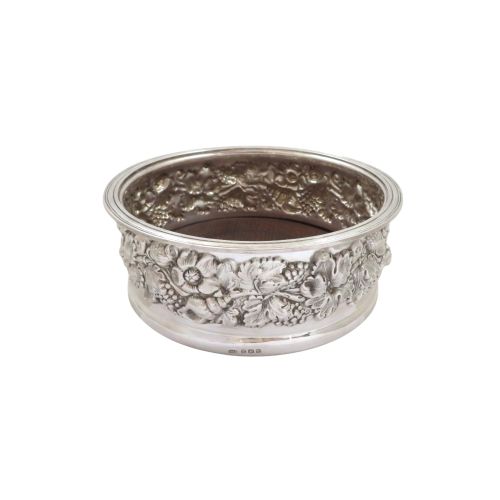
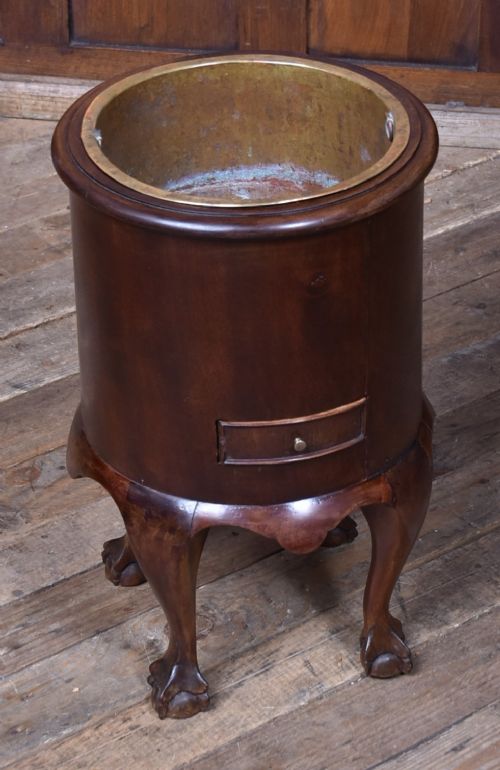
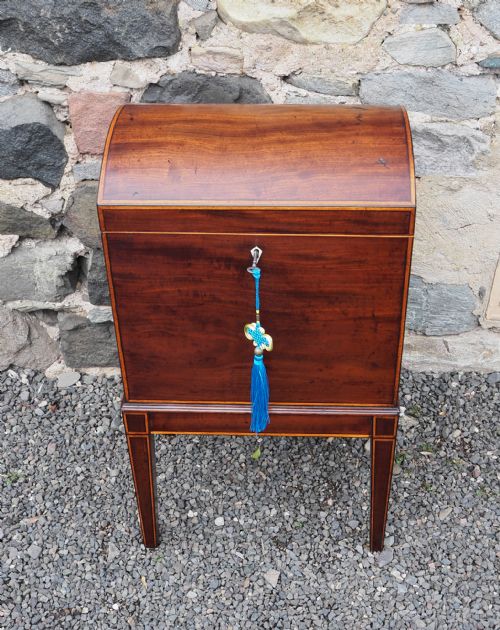
These antique wooden bottle stand pieces comprise wine coolers, coasters, and tantalus sets designed to hold and serve drink vessels.
Antique Wooden Bottle Stand
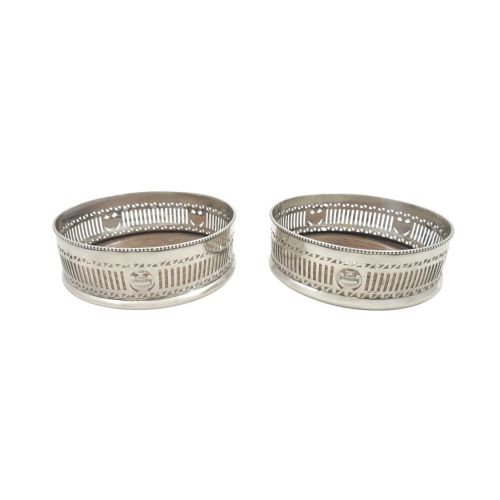
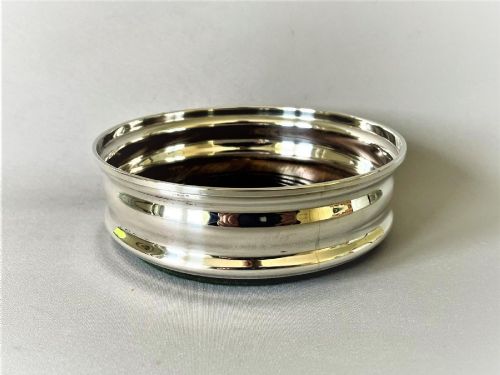
An antique wooden bottle stand covers a range of drinking vessels, from single-bottle coasters and decanter holders to large cellarettes and multiple-bottle tantalus units. When searching for an antique wooden bottle stand, buyers encounter pieces primarily shaped from mahogany, oak, and rosewood across Georgian, Victorian, and Edwardian periods.
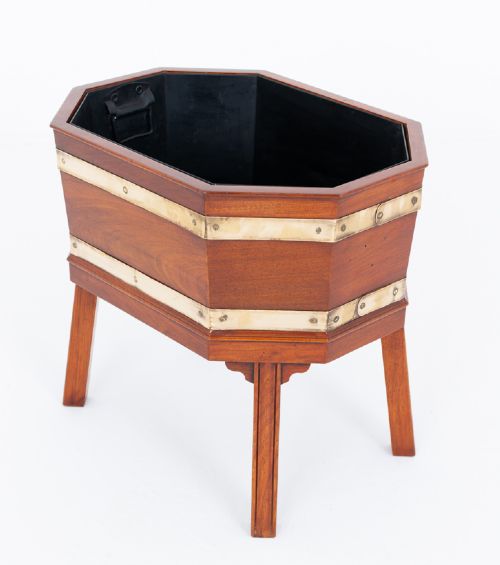
The domestic dining room and sideboard dictate the forms seen here, including freestanding bottle stands, table coasters, and locking tantalus frames. Georgian and Regency examples often feature shaped mahogany timber with brass banding, while Victorian and Edwardian iterations frequently incorporate silver-plated mounts or cut glass decanters.
Materials and Techniques
Cabinetmakers constructed these pieces utilising dense hardwoods like mahogany and oak, frequently shaping the timber through turning and joinery to support heavy glass decanters and wine bottles. Metal mounts in brass, silver plate, and sterling silver provide structural reinforcement and decorative contrast against the dark wood surfaces.
Insects, damp, and heavy use test these materials over centuries, making the grain quality and the integrity of the wood joints central to their survival. Brass bindings and corner brackets are typically secured with small pins or screws, anchoring the timber framework securely.
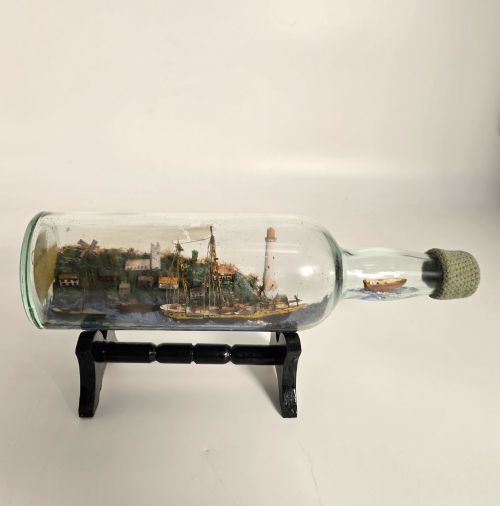
A folk art ship in a bottle diorama shares shelf space with the serious business of locking decanters and wine cooling.
Craftsmanship and Proportion
Quality in these pieces rests upon the crispness of the woodwork, the balance of the proportions, and the integration of any metal mounts or locking mechanisms. Finer examples display carefully selected timber grains, precise marquetry stringing where applicable, and robust construction that withstands the weight of filled glass decanters.
Simpler domestic items contrast with exhibition-grade pieces through the restraint of their design and the weight of the timber used. The presence of original hardware, such as functioning locks on a tantalus or matched sets of coasters, elevates a piece above standard utility items.
Betjemann’s·John and Thomas Settle·Mein of Kelso
The Antique Wooden Bottle Stand Glossary
- Tantalus
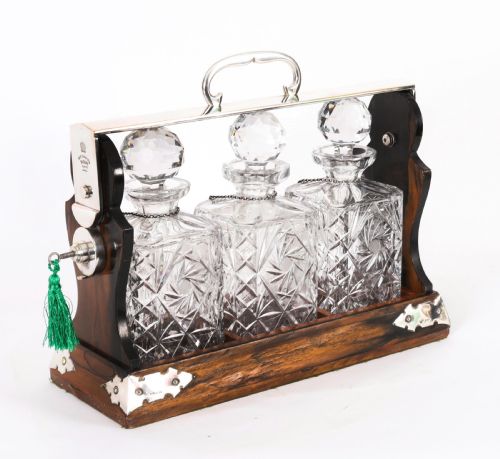
- A locking wooden frame that secures decanters by their stoppers to prevent unauthorized access to the contents. This mechanism typically relies on a hinged retaining bar secured with a key.
- Cellaret
- A large freestanding wooden container or cabinet designed to hold several wine bottles safely near the dining table. Georgian and Victorian examples often feature interior dividers and brass fittings.
- Wine Cooler
- A deep wooden vessel, sometimes brass-bound, used to chill or hold wine bottles during a meal. These vessels frequently rest on low stands or floor frames.
- Treen
- Small handmade wooden domestic objects fashioned by turners and woodworkers. This category includes early bottle holders and small stands.
Antique Wooden Bottle Stand: Frequently Asked Questions
What is a tantalus?
A tantalus is a locking wooden stand holding decanters of spirits, designed so the contents remain visible but physically barred from pouring without a key.
First patented during the Victorian era, these locking frames combine secure cabinetry with display qualities, typically housing two or three cut glass decanters.
How do you use a wine coaster?
Wine coasters sit on the dining table to hold bottles or decanters, allowing guests to slide them smoothly across the polished wood surface between pours.
The raised sides and protective bases prevent condensation and drips from marking dining tables during meals.
How do I date an oak tantalus?
Dating an oak tantalus relies on examining the hardware style, lock mechanisms, and the cut of the wood used in the frame.
Late Victorian and Edwardian examples often feature heavy oak construction with silver-plated mounts, whereas earlier Georgian bottle holders favour understated mahogany and brass banding.
What wood was used for bottle stands?
Cabinetmakers primarily relied on dense hardwoods such as mahogany, oak, and rosewood to withstand the weight and moisture associated with wine storage.
These timbers were chosen for their durability and grain patterns, frequently enhanced with brass bindings or marquetry inlay.