
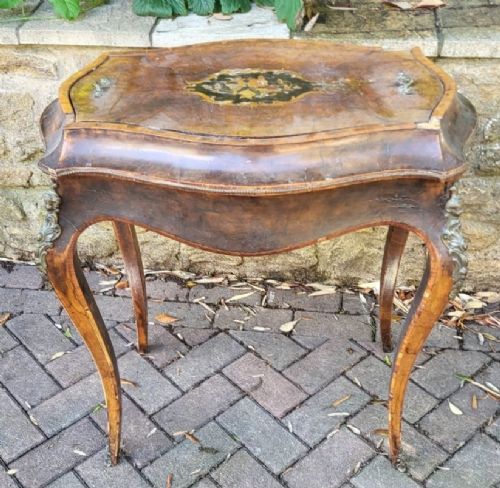

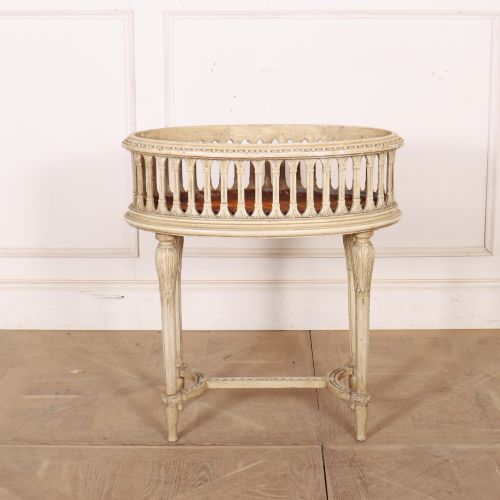


Antique Wooden Indoor Planter
An antique wooden indoor planter brings living foliage inside with architectural presence, spanning Georgian elegance to Edwardian utility.
Antique Wooden Indoor Planter
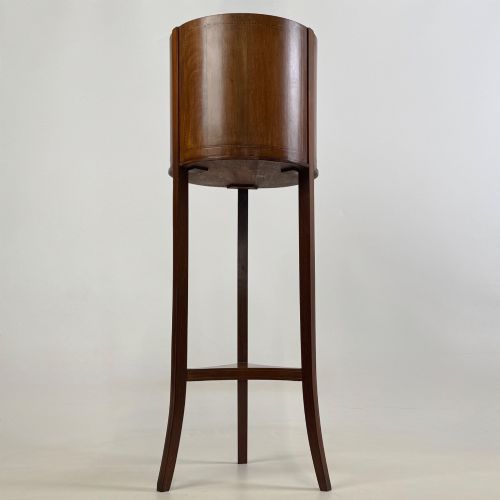
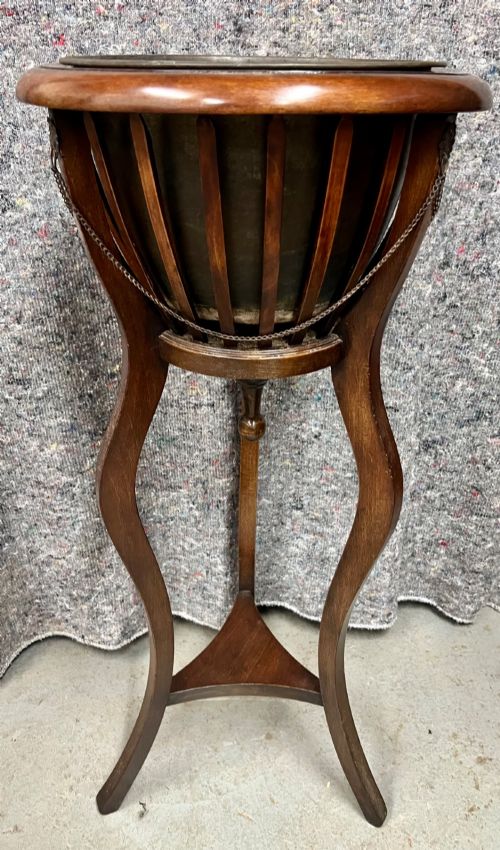
An antique wooden indoor planter serves to display greenery within domestic interiors, taking forms such as freestanding jardiniere stands, table variants, and coopered barrels. These pieces emerge across the Georgian, Victorian, and Edwardian periods, alongside nineteenth century interpretations.
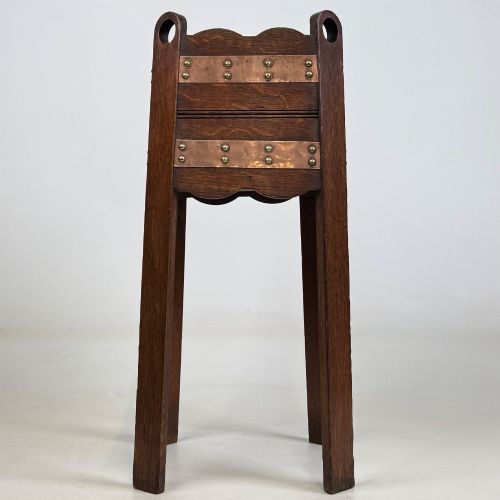
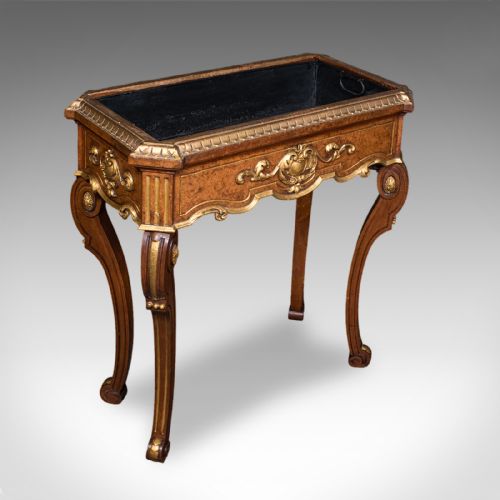
The versions most commonly met on this page include Edwardian mahogany plant stands and walnut jardiniere tables. Makers applied diverse stylistic revivals, from French Louis XV and XVI styles to Arts and Crafts and Chippendale influences.
How They Were Made
Joiners constructed the bodies using timbers such as mahogany, walnut, oak, kingwood, satinwood, and box tree. Burr walnut veneers and marquetry inlay provide decorative surface detail on select pieces.
Metal components complete the construction, utilising brass bands, ormolu mounts, gilt metal, zinc liners, and porcelain plaques. Coopered barrel techniques appear alongside carved woodwork and painted finishes.
Some nineteenth century examples moonlight as decanter caddies, proving that Victorians enjoyed refreshment close to their ferns.
What Varies in Quality
The refinement of timber selection and complexity of internal and external detailing set examples apart. Figured burr walnut veneers, intricate marquetry, and substantial mounts of ormolu indicate superior manufacture.
Structural integrity rests on the preservation of original linings, secure coopered staves where applicable, and the crispness of carved or inlaid decoration. Simpler utilitarian plant stands contrast with ornate french revival tables through the depth of artisan labour applied.
The Antique Wooden Indoor Planter Glossary
- Jardiniere
- An ornamental pot or stand designed for holding flowers or plants. This term is frequently used interchangeably with planter in period listings.
- Ormolu
- Gilded bronze ornamentation applied to furniture mounts. Makers cast and chased these metal elements to enrich french style pieces.
- Coopered
- Constructed from curved wooden staves joined edge to edge, resembling barrel-making techniques. This method provides robust water-resistant housing for plants.
- Marquetry
- Decorative veneer patterns formed by fitted pieces of wood. Craftsmen utilised contrasting timbers to create geometric or pictorial designs on the surface.
Antique Wooden Indoor Planter: Frequently Asked Questions
How do I water plants inside these planters?
Most antique wooden planters rely on removable metal or zinc liners to protect the surrounding timber from moisture and soil contact.
Lifting out the liner allows for watering and drainage away from the wooden structure, preserving the integrity of the antique wood and marquetry.
Where should I place an antique planter?
These pieces suit interior spaces such as hallways, drawing rooms, or conservatories where their decorative wood and metal mounts can be fully appreciated.
Placing them away from direct heat sources prevents the timber and veneer from drying out or splitting over time.
How do I identify the period of a wooden planter?
Dating relies on combining the timber species, construction methods, and stylistic cues such as Georgian proportions or Edwardian inlay work.
Cabinetmaking techniques and decorative revivals like French Rococo or Arts and Crafts provide further clues to the decade of origin.