
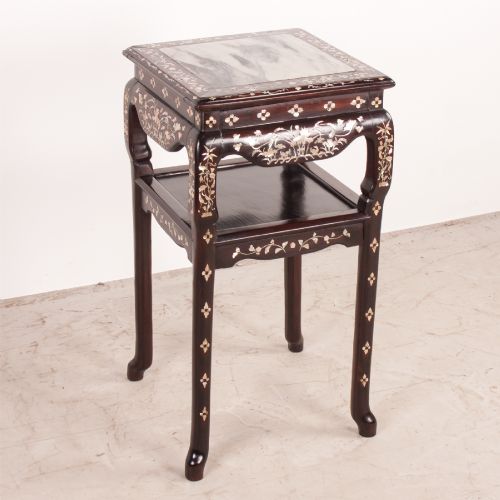
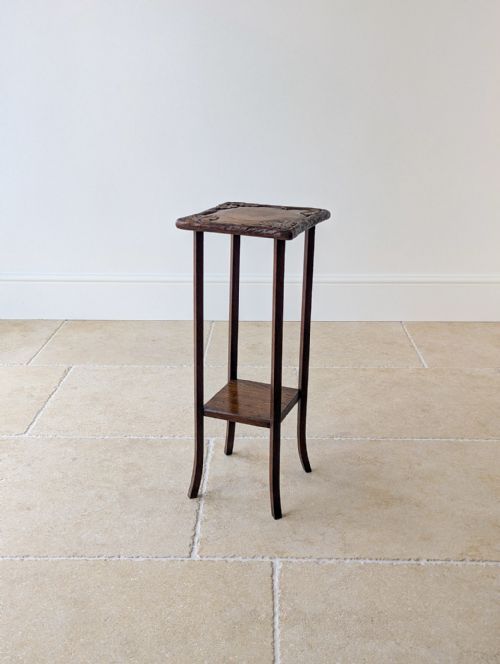
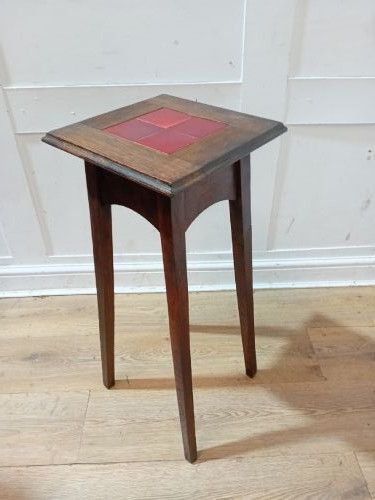
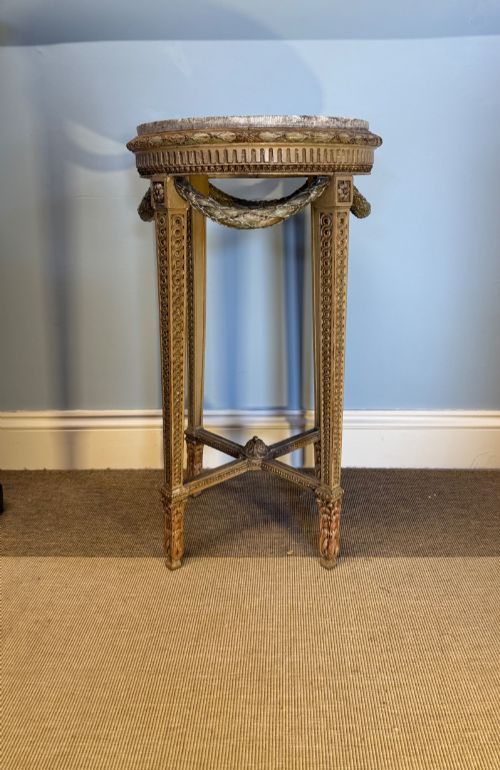



Vintage Flower Pedestal
A vintage flower pedestal elevates greenery to the line of sight, bringing architectural weight and organic form into a room.
Vintage Flower Pedestal
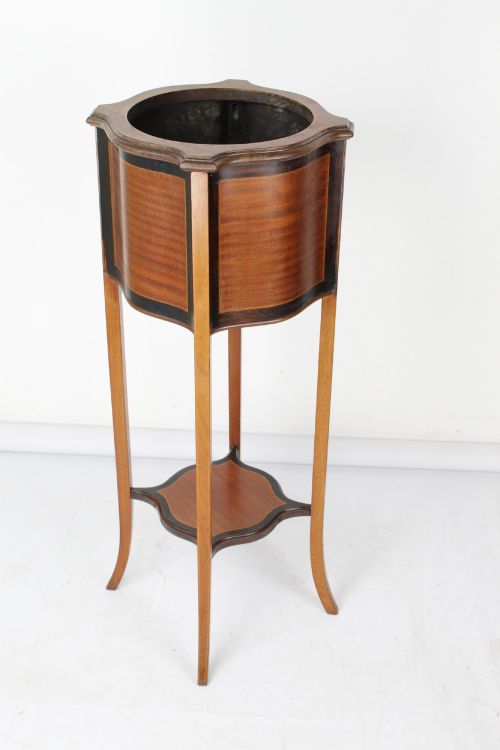
A vintage flower pedestal serves to raise potted plants, jardinieres and urns above floor level. Buyers encountering this selection will frequently find plant stands, occasional tables and jardinere stands designed for domestic display.
The objects span multiple eras, with Victorian and Edwardian examples appearing alongside pieces from the early twentieth century. Makers from diverse traditions produced these forms, ranging from English oak designs to Chinese export pedestals.
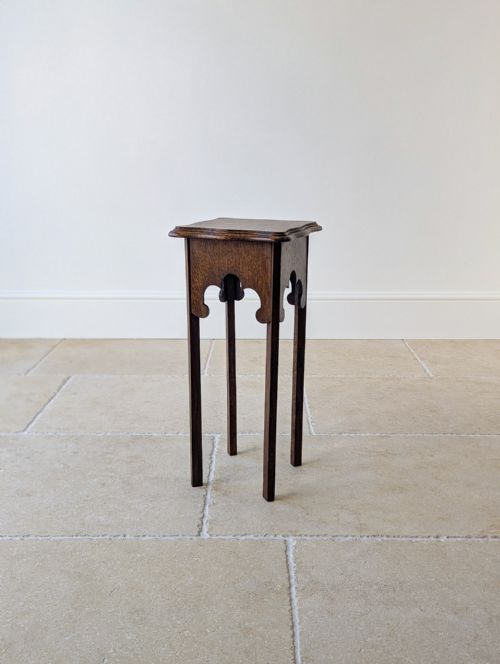
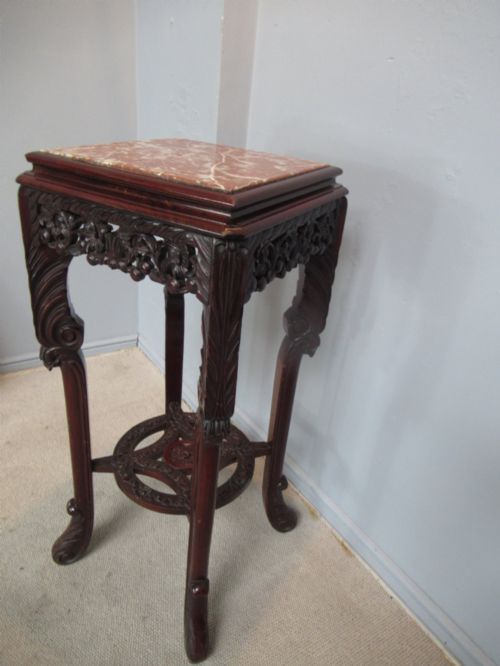
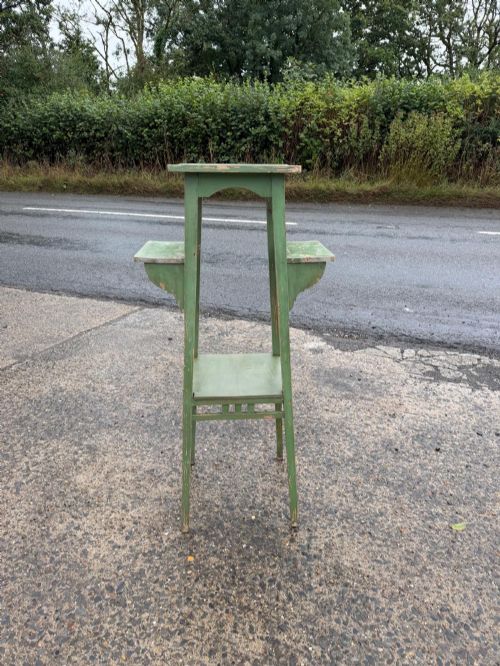
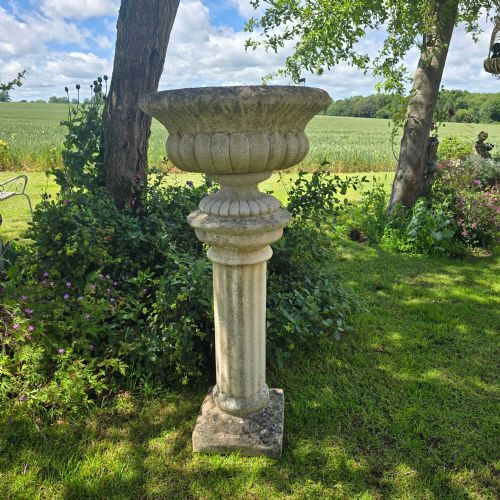
Forms vary from slender torcheres and two-tier oak stands to heavy marble-topped tables and robust garden urns on pedestals. Domestic interiors rely on these structures to create height variation among plants and decorative objects.
Materials and construction
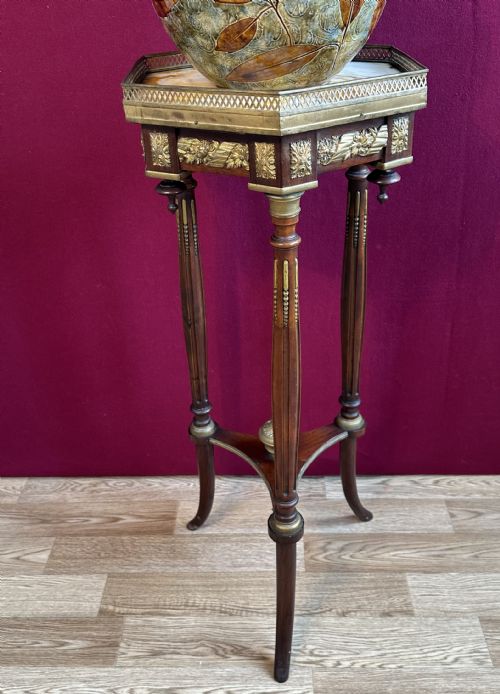
Carpenters and cabinetmakers utilised timbers such as mahogany, oak, rosewood and various hardwoods, often turning legs with barley twist details or carving surfaces with floral motifs. Oriental pieces incorporated mother of pearl inlay and lacquer work.
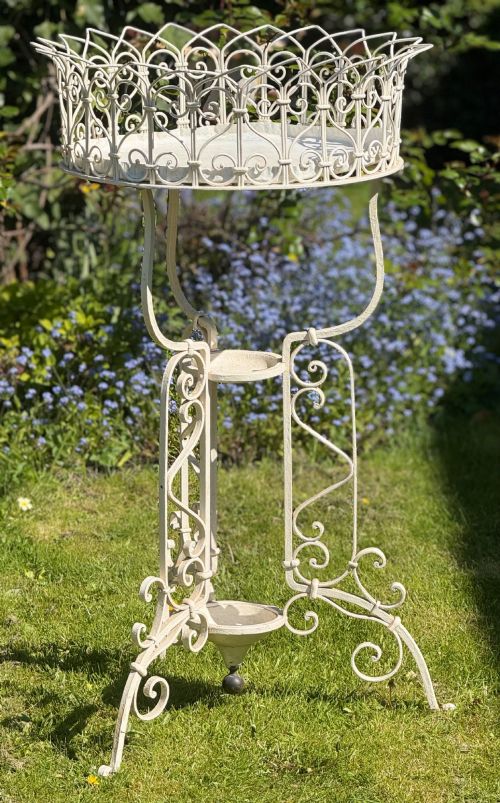
Metal components added strength and ornamentation, utilising cast iron, wrought iron and brass for structural stands or liner pots. Stonework and mineral slabs introduced inset marble and onyx tops to support heavy planters without moisture damage.
Periods represented span the nineteenth century through the Edwardian era and the nineteen-twenties.
Distinguishing quality
Refinement in carving and joinery separates standard utility stands from finer examples. Crisp execution in turned barley twist legs, balanced proportions in multi-tiered frameworks, and secure flush fittings for inset marble or onyx tops indicate careful workshop production.
The choice of raw materials dictates the finish and longevity of each piece. Denser hardwoods, unblemished stone, and heavy cast metal elements sustain structural integrity over decades of holding damp soil and heavy ceramic planters.
Schierholz Plaue
The Vintage Flower Pedestal Glossary
- Jardiniere
- An ornamental pot or stand for holding plants or flowers. These vessels often sit inside dedicated metal or wooden frames.
- Torchere
- A tall ornamental stand originally designed to carry a candle or light. Later adaptations serve to elevate floral arrangements and statues.
- Barley twist
- A type of turned furniture leg resembling a spiral rope. This technique appears frequently on Edwardian and Victorian wooden plant stands.
- Inlay
- A decorative technique where contrasting materials are inserted into recesses in a wooden base. Mother of pearl is a common material found in Oriental pieces.
- Pedestal table
- A standalone support featuring a central column resting on a broad base. These tables provide a stable platform for heavy jardinieres.
Vintage Flower Pedestal: Frequently Asked Questions
What is a flower pedestal used for?
These pieces elevate plants, floral arrangements and decorative urns to improve visibility within a room. They lift heavy pots off the floor to protect flooring and highlight the foliage.
Historically, they also served to display sculptures and lamps, functioning as versatile surfaces for interior decoration.
Where should I place a plant stand?
Plant stands work effectively in corners, beside windows where sunlight reaches foliage, or framing doorways and fireplaces. Their compact footprints allow them to occupy narrow spaces without blocking walkways.
Matching the scale of the stand to the weight of the pot ensures stability in high-traffic areas.
How do I care for wooden plant stands?
Protecting timber surfaces from moisture requires using waterproof saucers beneath pots to prevent water rings and wood rot. Regular dusting and occasional polishing maintain the finish of mahogany, oak and rosewood.
Keeping stands away from direct heat sources prevents the wood from drying out and splitting.
How do I identify Victorian stands?
Victorian and Edwardian pieces often feature darker timbers, substantial turned legs, and robust construction methods typical of nineteenth-century workshop production. Stylistic clues include heavy carving, barley twist supports, and brass fittings.
Comparing the joinery and material weight helps distinguish these older pieces from later reproductions.