




French Decorative Jardiniere
These French decorative jardiniere vessels bring greenery indoors with style, offering structured elegance for plants in any reception room.
French Decorative Jardiniere
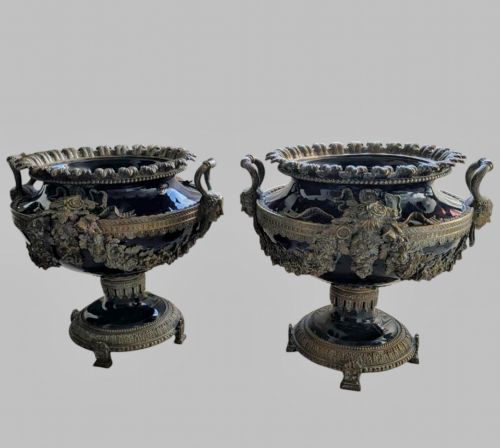
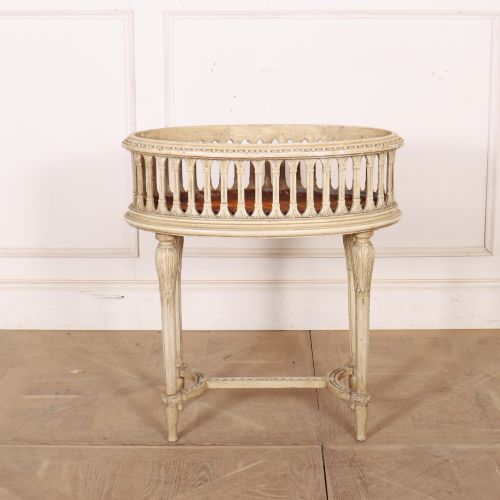
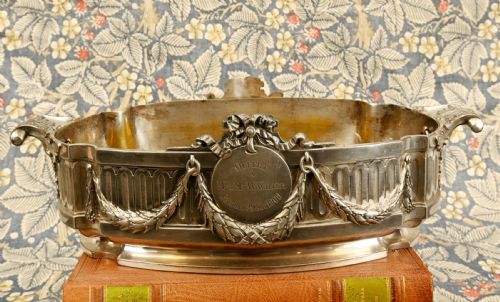
A french decorative jardiniere serves as an ornamental container designed specifically to house plants and flowers within domestic interiors. These pieces appear in forms ranging from standalone jardiniere tables and plant stands to garden urns and low centrepiece bowls.
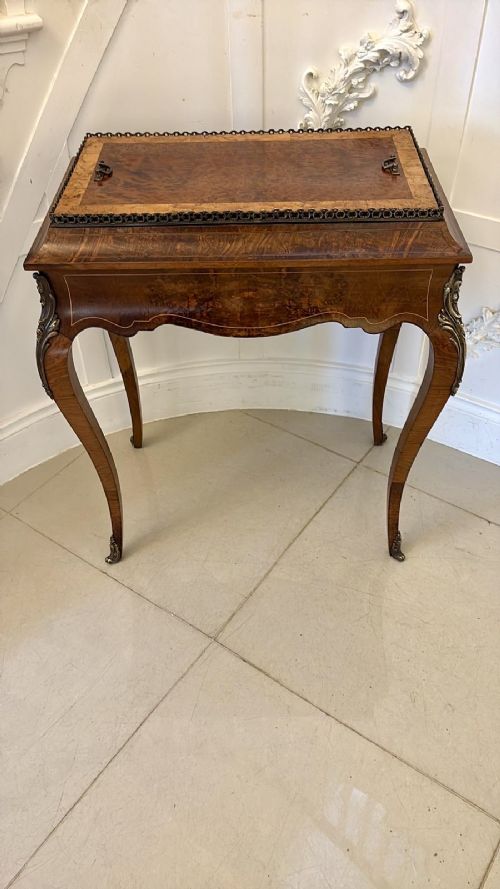
The selections available on this page reflect periods spanning the nineteenth century, the Edwardian era, and nineteen thirty. Buyers frequently encounter designs influenced by Louis XV and Louis XVI styles, alongside French country and Rococo revival aesthetics.
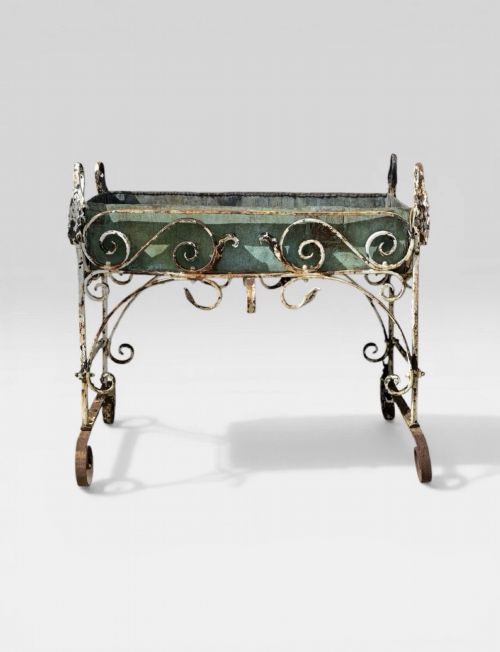
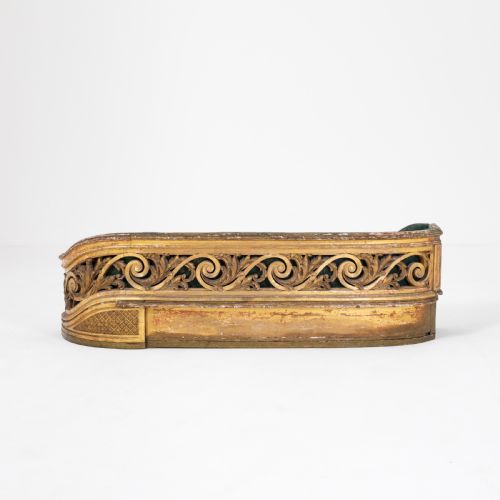
The object types vary from walnut jardiniere tables and marquetry planters to wrought iron garden urns and ceramic vessels. Each configuration brings a distinct plant-holding function to conservatories, halls, and principal rooms.
Materials and construction
Materials utilised across these pieces include burr walnut, ordinary walnut, wrought iron, brass, gilt bronze, ormolu, and zinc linings. Artisans also employed painted surfaces, carved giltwood, porcelain, blue ceramic, cloisonné enamel, and gres pottery.
Construction techniques combine cabinetry, metalworking, and ceramic firing to create durable plant receptacles. Ormolu mounts and brass or zinc liners protect the underlying wood and metal structures from moisture damage.
Wire work conservatory plant stands offer a delightfully skeletal home for ferns.
Distinctions in quality
Quality separates simple utility items from pieces featuring intricate marquetry, hand-painted porcelain panels, and finely cast ormolu mounts. Superior examples demonstrate rigorous craftsmanship in their carved woodwork and securely fitted metal linings.
The refinement of period stylistic details, such as Louis XVI symmetry or Louis XV curves, dictates the visual success of the piece. Intact original painted finishes and uncompromised structural integrity elevate the standing of an individual jardiniere.
The French Decorative Jardiniere Glossary
- Jardiniere
- An ornamental pot or stand for holding plants or flowers. These items often feature decorative mounts or painted surfaces.
- Ormolu
- Gilt brass or bronze applied to furniture and decorative objects. This technique adds metallic highlights to wood and ceramic bodies.
- Marquetry
- Decorative veneer work where pieces of wood are fitted together to form geometric or floral patterns. This method decorates the surfaces of tables and planter bodies.
- Cloisonné
- Enamelwork in which enamel is applied between raised strips of metal. This technique creates detailed coloured designs across the object surface.
- Gres
- A French term for stoneware pottery fired at high temperatures. Such ceramic bodies offer robust housing for indoor and outdoor flora.
French Decorative Jardiniere: Frequently Asked Questions
What is a French decorative jardiniere used for?
These vessels were created to display potted flowering plants and ferns inside domestic rooms without damaging interior surfaces. They function as decorative focal points on tables, pedestals, or directly on the floor.
In period interiors, they allowed homeowners to incorporate living greenery into formal reception spaces and conservatories. The inclusion of metal or zinc liners helped contain moisture from watering.
How do I care for a vintage jardiniere?
Maintenance depends entirely upon the primary material, whether it is polished walnut, painted wood, wrought iron, or ceramic. Regular dusting and gentle cleaning preserve the original finishes without stripping patination.
Moisture management remains crucial when placing live plants inside antique vessels. Removable plastic pots or intact original metal liners should be used to prevent water contact with fragile wood or iron.
How do I distinguish Louis XV from Louis XVI styles?
Louis XV pieces, often associated with Rococo revival aesthetics, showcase flowing asymmetrical curves and naturalistic ornamentation. The lines feel organic and fluid across the woodwork and mounts.
Louis XVI furniture and decorative items move towards neoclassical symmetry, straight tapered legs, and geometric restraint. Straight architectural lines and classical motifs define this later aesthetic.