


Marquetry Jardiniere Stand
A marquetry jardiniere stand brings floral display indoors with refined wooden inlay, decorative metal mounts, and polished period surfaces.
Marquetry Jardiniere Stand
A marquetry jardiniere stand combines a plant holder with a decorative table form, created to display live plants or serve as a wine cooler and occasional surface inside the home. When you search for a marquetry jardiniere stand, you encounter pieces designed to hold planters, featuring fitted liners or lift-off lids.
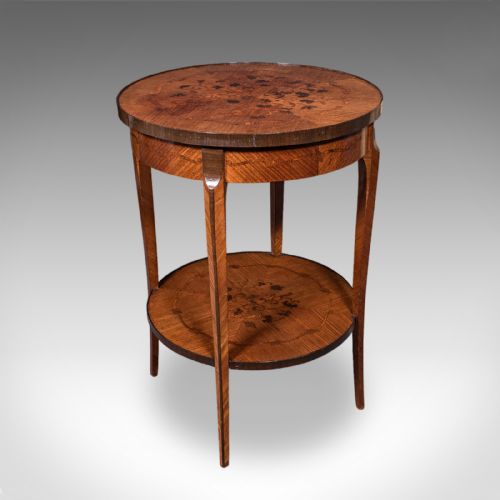
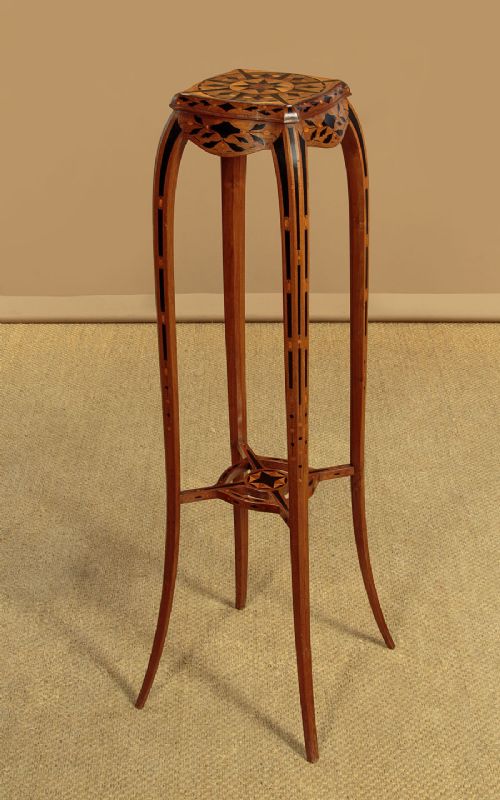
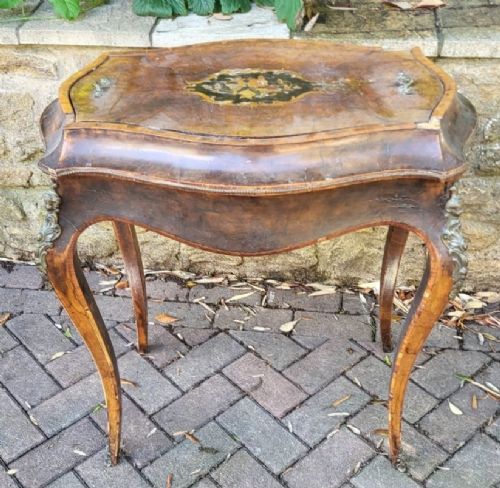
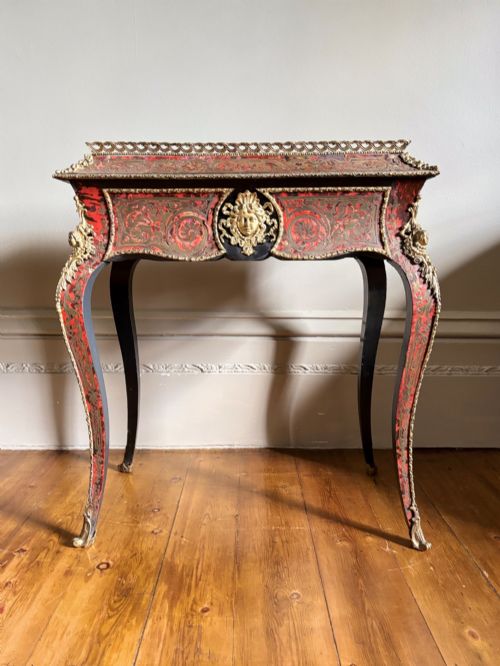
The pieces appearing on this page originate predominantly from the nineteenth century and the Edwardian era, spanning Victorian, Napoleon III, and Louis XV styles. French workshops and English makers produced these tables in forms ranging from two-tier occasional tables and side tables to tall pedestal stands and plant tables.
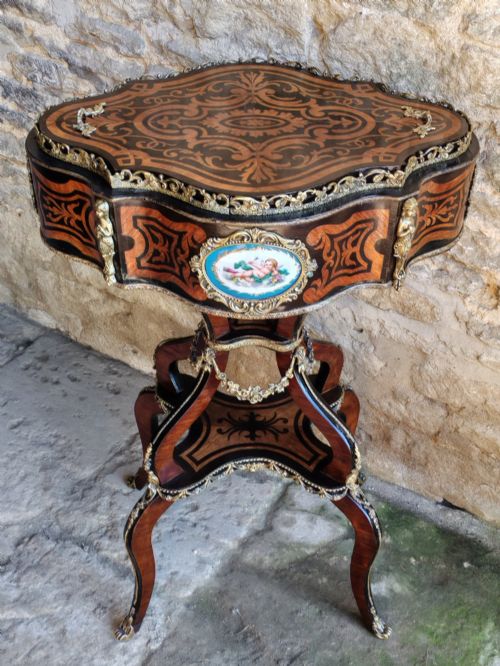
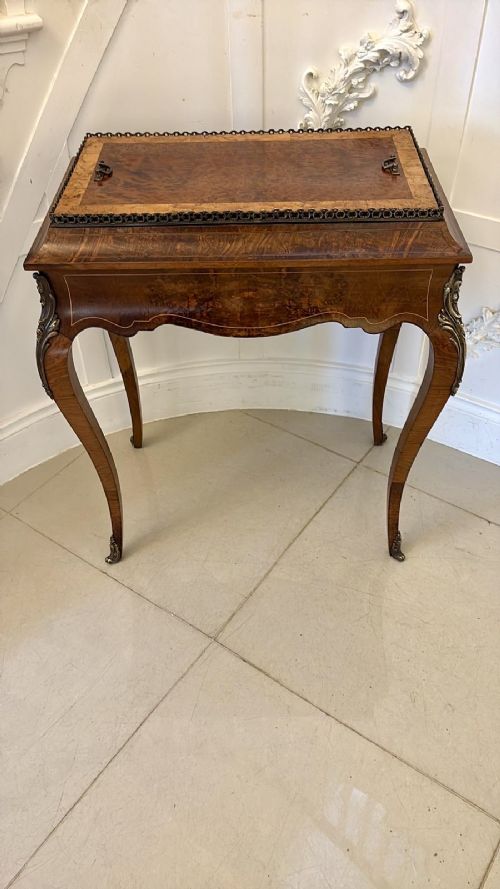
Burr walnut, kingwood, rosewood, and satinwood form the primary timbers of these stands, frequently enriched with floral or geometric wood inlay. Ormolu, brass, and gilt metal mounts appear across many examples, alongside porcelain plaques and ebonised frames.
How They Were Made
Cabinet makers utilised dense hardwoods such as walnut, kingwood, rosewood, and tulipwood as foundational veneers, applying intricate marquetry patterns composed of contrasting specimen woods. Craftsmen cut delicate floral or scrolling motifs by hand, setting them flush into the primary timber surfaces of the table tops and sides.
Foundry workers cast ormolu, brass, and gilt metal mounts to encase corners, legs, and aprons, providing structural reinforcement and ornamental contrast to the dark polished wood. Metal liners or removable interior containers protected the wooden framework from water damage when holding live plants or ice for wine.
Listings feature woods including walnut, kingwood, rosewood, satinwood, and ebonised timber, spanning the Victorian, Edwardian, and nineteenth-century periods.
What Varies in Quality
The refinement of the marquetry work dictates the standard of the piece, distinguishing finely detailed botanical inlay from simpler geometric banding. Precision in the cutting and fitting of contrasting wood veneers shows the hand of a skilled cabinet maker.
The execution of the ormolu and gilt metal mounts separates standard production from exceptional examples, with chased details and heavy metal casting elevating the design. The choice of timbers, such as highly figured burr walnut or rich kingwood paired with precise gilt work, defines the upper tier of the range.
The Marquetry Jardiniere Stand Glossary
- Marquetry
- Decorative veneer work forming pictures or patterns by using thin slices of wood and other materials. Craftsmen assemble these pieces onto a structural carcase.
- Jardiniere
- An ornamental pot or stand for holding flowers and plants. These vessels sit within tables or stand independently in period rooms.
- Ormolu
- Gilt bronze or brass mounts applied to furniture. This technique involves gilding a metal base with finely ground gold.
- Boulle
- A style of marquetry using brass and tortoiseshell inlaid into dark wood. French cabinet makers popularised this technique during the nineteenth century.
Marquetry Jardiniere Stand: Frequently Asked Questions
What was a jardiniere stand used for?
These pieces held potted plants and floral arrangements inside nineteenth century and Edwardian reception rooms. The waterproof interior liner protected the polished wooden table from moisture.
They also functioned as wine coolers, cellarettes, or elegant side tables when fitted with a lift-off lid. This versatility made them popular across various domestic spaces.
How do I identify a Victorian piece?
Victorian examples often feature rich burr walnut timbers, heavy proportions, and elaborate ormolu mounts influenced by revived French styles. Makers combined floral marquetry with curved cabriole legs.
Looking beneath the top or inside the interior reveals construction methods and wood ageing characteristic of the mid to late nineteenth century.
Are these stands waterproof?
Original metal liners or removable inserts guarded the wooden structure against water from plant pots or ice used in wine cooling. Over time, many liners have been replaced or removed entirely.
Using a protective inner vessel remains essential today if you place live plants inside the stand to prevent moisture damage to the antique timber.
What is the difference between French and English styles?
French pieces from this selection frequently display Napoleon III or Louis XV revival designs, incorporating extensive gilt bronze mounts, boulle work, and exotic kingwood or tulipwood veneers. They emphasise ornamental curves and dramatic silhouettes.
English equivalents from the Edwardian period tend towards satinwood or mahogany construction with lighter stringing and marquetry, reflecting a more restrained aesthetic.