

Tiered Plant Display
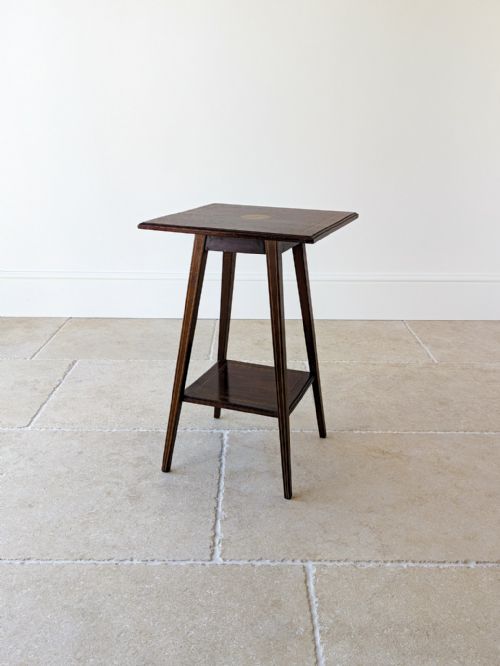
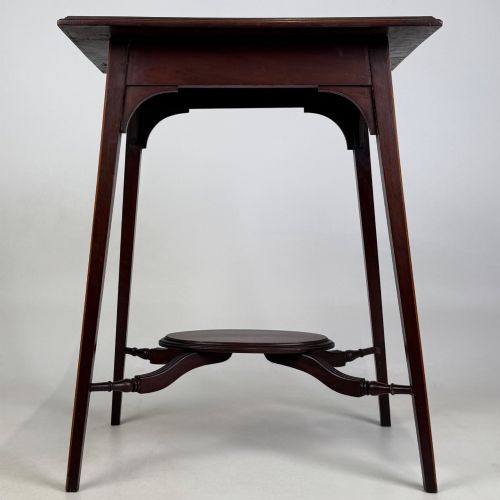
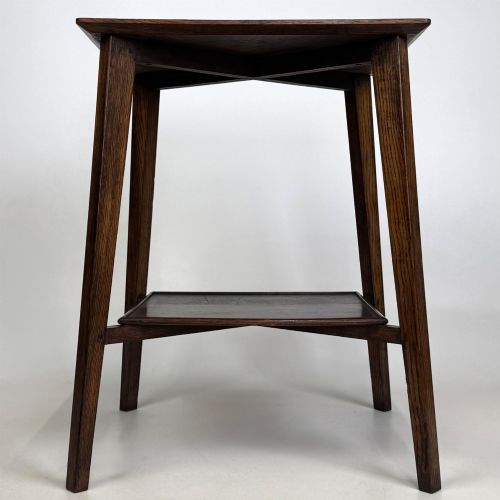
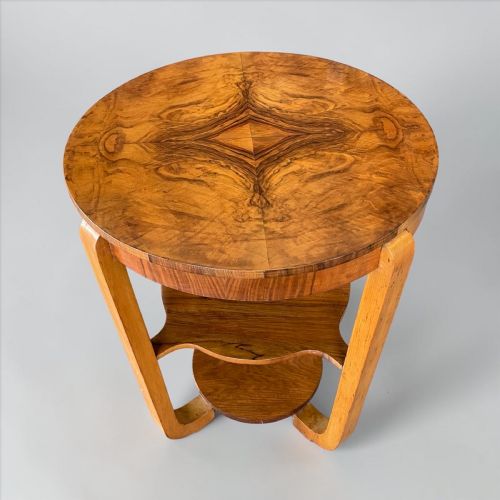
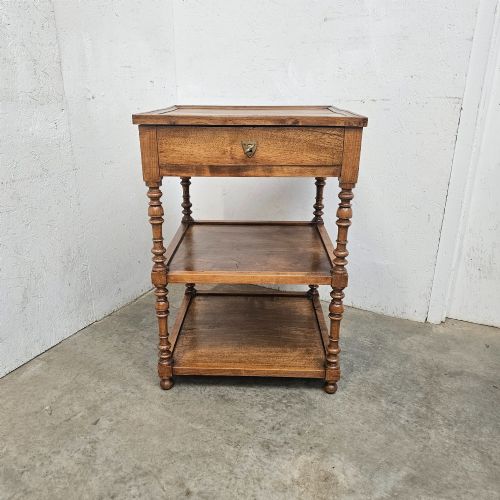
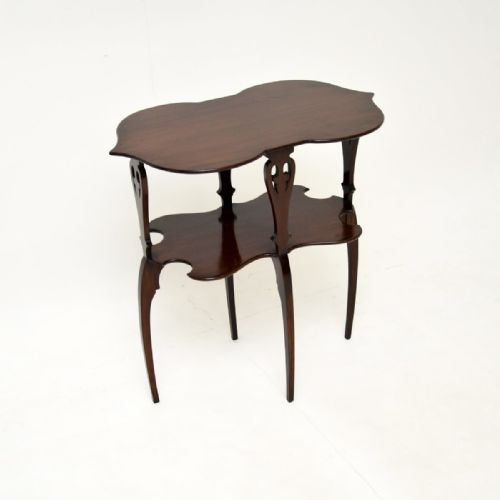
A tiered plant display brings vertical grace to rooms, offering stacked surfaces shaped from mahogany, oak, bamboo, and cast iron.
Tiered Plant Display
A tiered plant display gathers plants, pots, and jardinières across multiple levels, putting foliage at varying heights within a room.
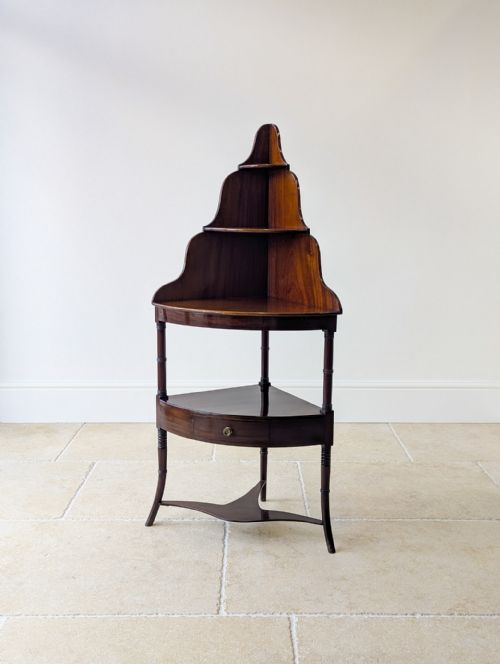
The pieces appearing for this search phrase span the nineteenth and twentieth centuries, taking the form of plant stands, etagères, corner stands, and occasional tables with multiple tiers.
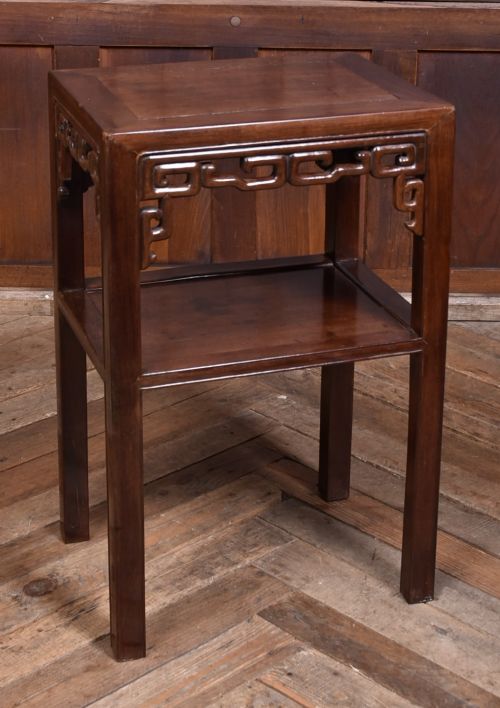
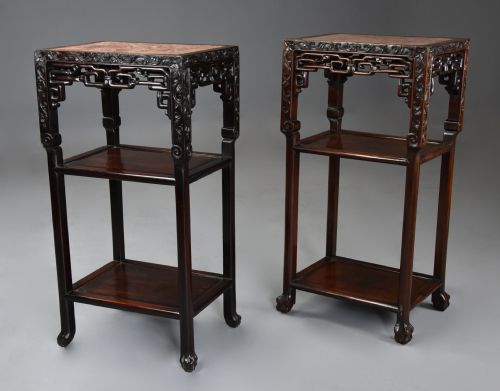
Victorian and Edwardian iterations dominate the selection, alongside earlier Regency examples and specific Asian hardwood pot stands.
Materials and construction methods
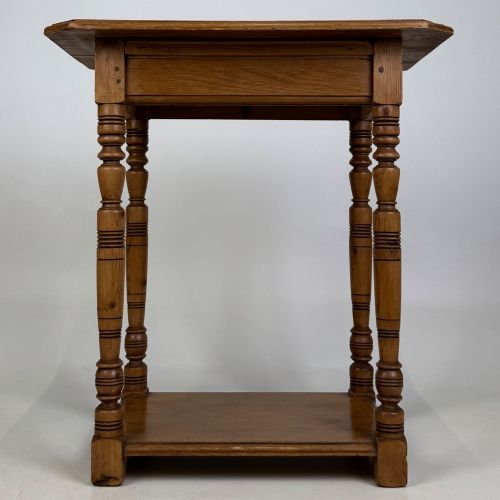
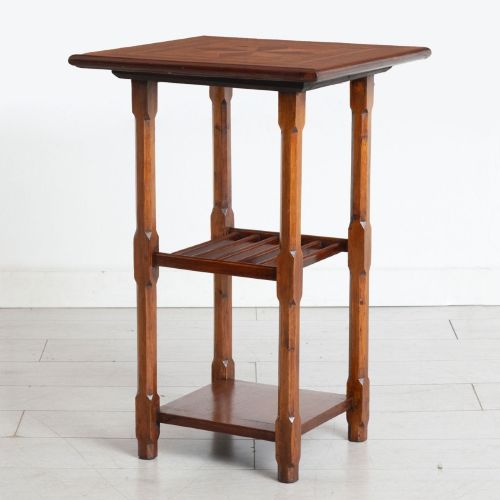
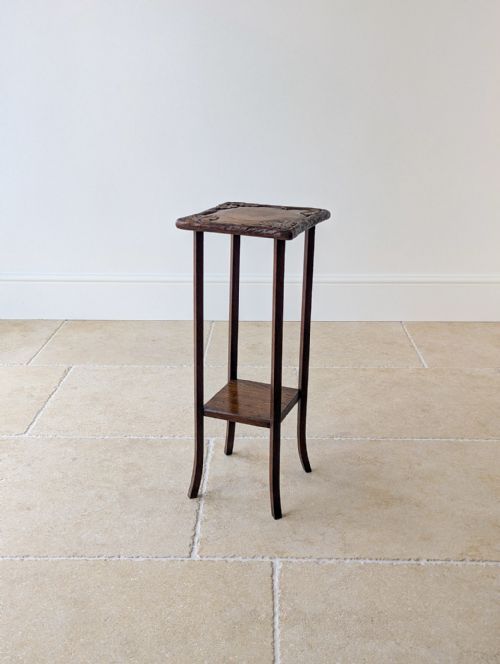
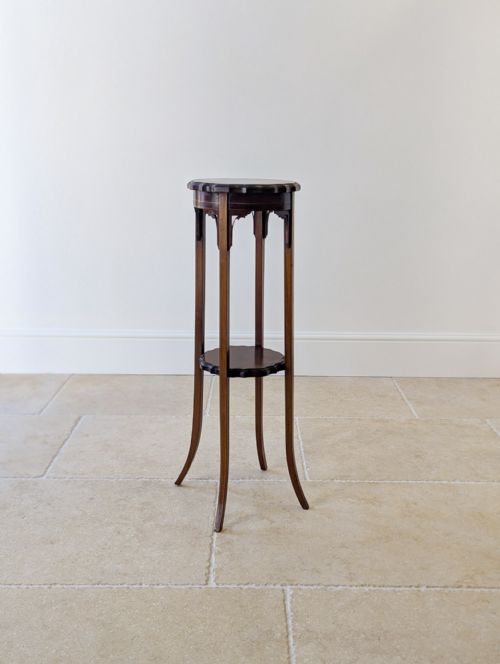
Timbers such as mahogany, oak, walnut, and exotic hardwoods form the structural backbone of these pieces, often shaped with turned legs, inlays, or carved details.
Metal appears frequently alongside wood, utilising brass mounts, cast iron, wrought iron, and wirework to build durable frames for holding heavy earthenware and ceramic pots.
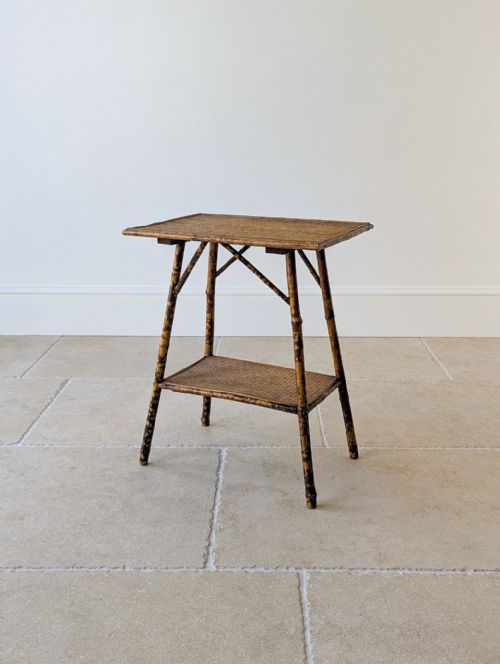
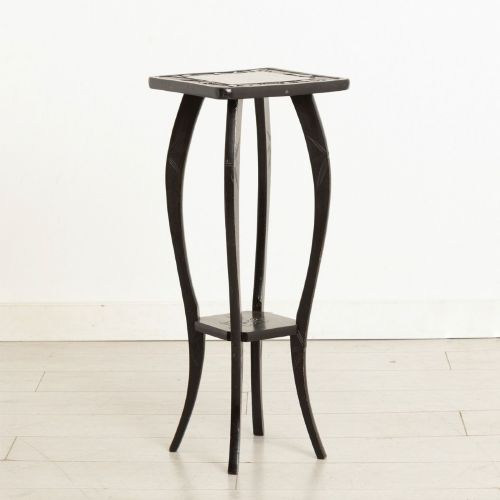
Bamboo and cane introduce lighter structural options, particularly in nineteenth-century and Aesthetic Movement designs.
Current listings feature pieces spanning the nineteenth and twentieth centuries, incorporating mahogany, oak, bamboo, cast iron, and marble.
Distinguishing quality in construction
The caliber of a piece rests upon the selection of timber and the precision of its joinery, distinguishing sturdy frames from loose assemblies.
Integration of secondary materials, such as inset marble tops, brass mounts, or delicate inlaid woodwork, separates standard utility items from refined parlour furnishings.
Liberty of London·Gabriel Viardot
The Tiered Plant Display Glossary
- Etagere
- A piece of furniture consisting of a set of open shelves for displaying small objects. These tiered units often feature in French-influenced and Victorian interiors.
- Torchere
- A tall stand designed to support a lamp or candle, frequently adapted to hold tall potted plants.
- Aesthetic Movement
- A late nineteenth-century design style emphasising visual beauty over narrative subject matter. Pieces from this movement often employ ebonised wood or bamboo.
- Japonisme
- The study of Japanese art and aesthetics, which heavily influenced European design in the late nineteenth century through asymmetric forms and carved hardwoods.
Tiered Plant Display: Frequently Asked Questions
What is a tiered plant display?
A tiered plant display is a multi-level stand designed to elevate plants and flowers off the floor. These pieces use stacked surfaces to organise greenery in domestic interiors.
Examples range from wirework and cast iron frames to polished mahogany and bamboo occasional tables with multiple tiers.
How were these stands used?
Victorian and Edwardian households utilised these structures in parlours, conservatories, and drawing rooms to display indoor plants and decorative pots. The vertical arrangement allowed multiple plants to catch the light without overcrowding floor space.
They also served alternate duties as lamp tables, etagères, or corner stands for ornaments.
How do I date a plant stand?
Dating relies on observing the prevailing materials and manufacturing styles of a given era. Heavy cast iron and bamboo pieces commonly point to the nineteenth century, whilst inlaid mahogany often aligns with the Edwardian period.
Construction techniques, such as dovetailing and the choice of secondary woods, offer further clues to the exact decade of manufacture.
How do I care for antique wood stands?
Antique wooden stands require stable indoor humidity away from direct heat sources to prevent timber from drying and splitting. Regular dusting with a soft, dry cloth preserves the polished surface.
Moisture from plant pots should be managed with saucers or liners to protect delicate mahogany, oak, and walnut veneers from water damage.