
Antique Mantelpiece Figurines
These antique mantelpiece figurines range from Staffordshire dogs to bronze animalier groups, designed to bring character and colour to a hearth or shelf.
Antique Mantelpiece Figurines
When you search for antique mantelpiece figurines, you encounter a diverse gathering of decorative objects meant to sit upon a chimney shelf or sideboard. The selection spans the nineteenth and early twentieth centuries, drawing on Victorian, Edwardian, and Art Deco tastes.
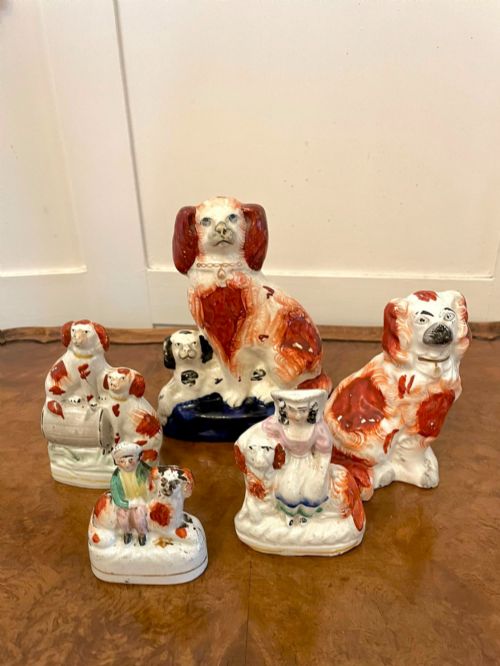
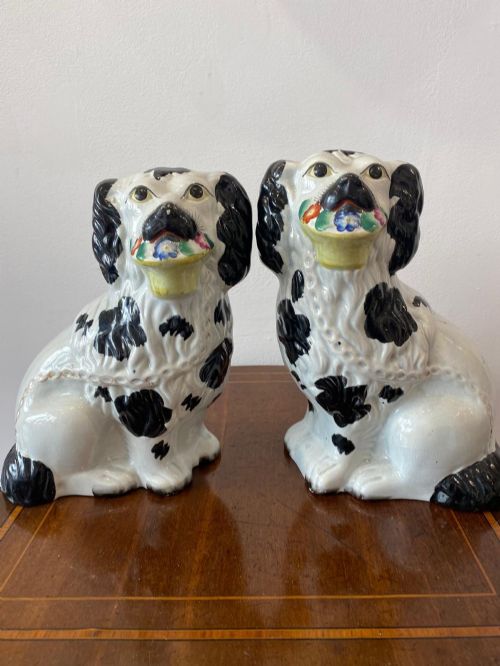
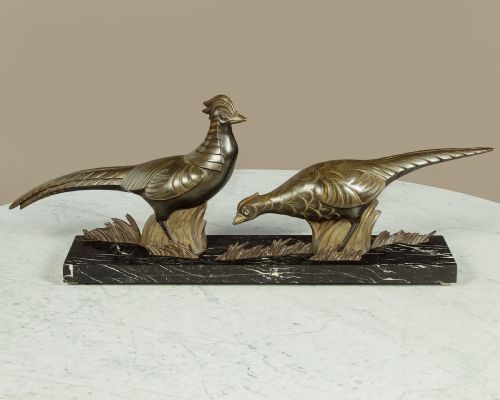
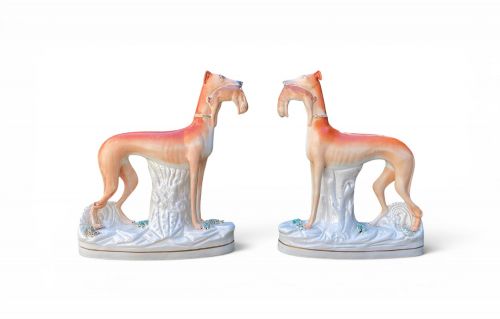
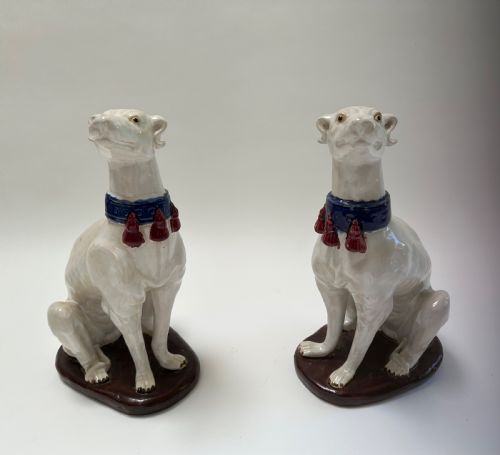
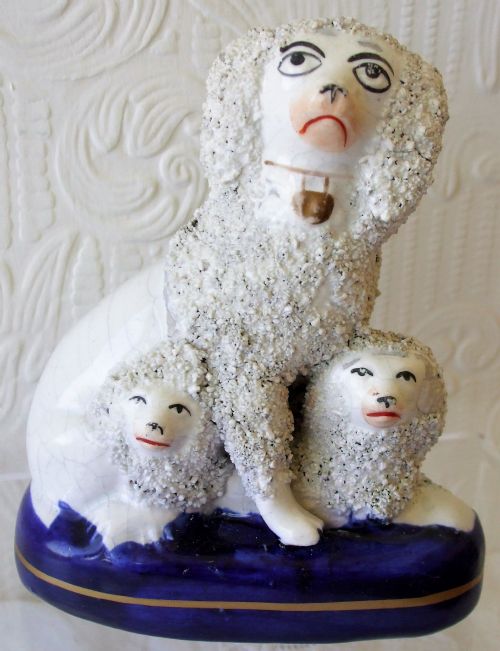
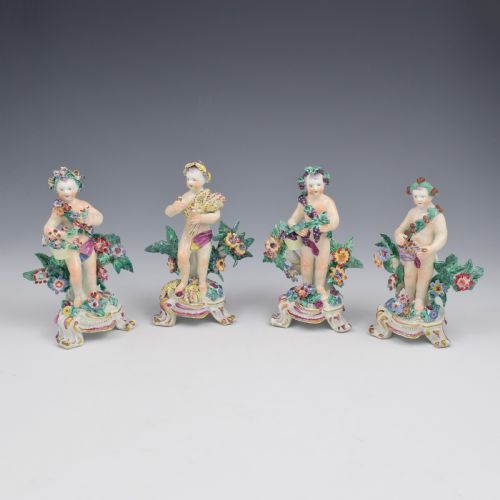
Staffordshire pottery figures appear most frequently, particularly pairs of spaniels, greyhounds, lions, and flatback portrait groups. Alongside earthenware ceramics, the listings include cast bronzes, spelter sculptures, porcelain allegorical figures, and marble busts.
Origins stretch from English potteries to French foundries and continental workshops. Forms vary from spill vases and chimney ornaments to cabinet bronzes and cold-painted figures.
How they were made
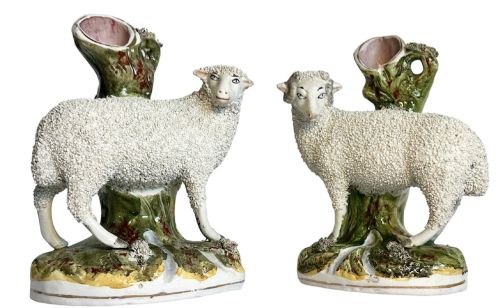
Pottery and porcelain pieces rely on moulded earthenware or ceramic bodies finished with hand-painted details, enamel colours, and lead or treacle glazes. Staffordshire potters shaped flatback figures and spill vases in halves before joining them for firing.
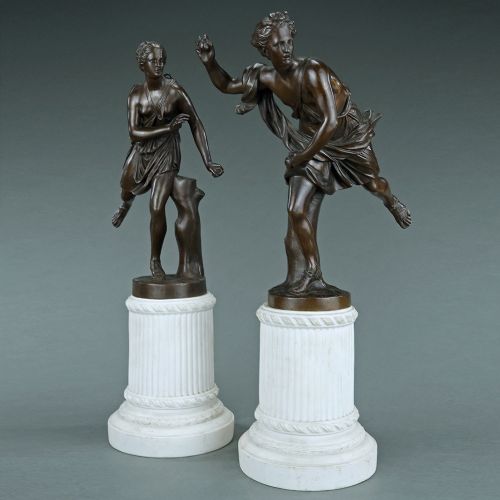
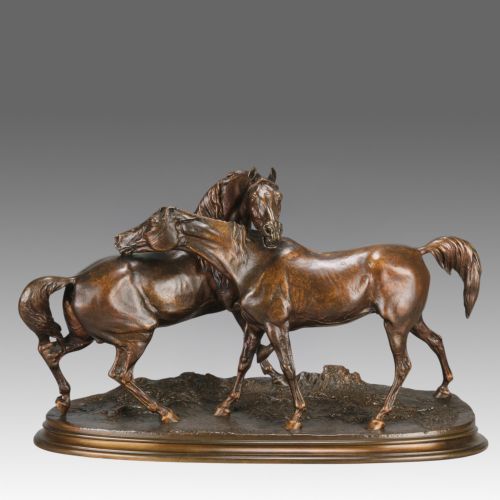
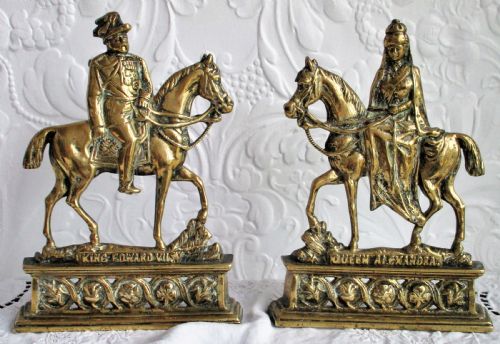
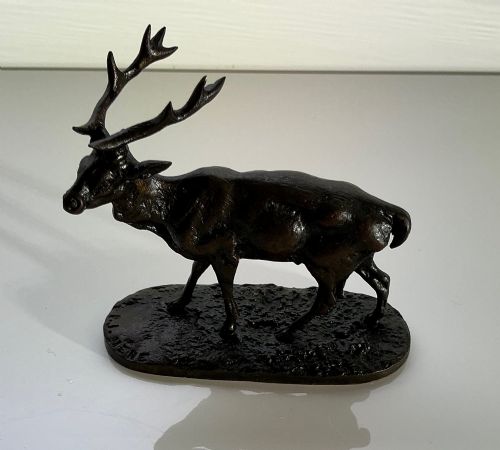
Metal sculptures utilise bronze, brass, copper lustre, and spelter, often cast using the lost-wax method or direct sand casting. Foundries frequently applied parcel-gilding, cold-painting, or patination to accentuate the musculature and drapery.
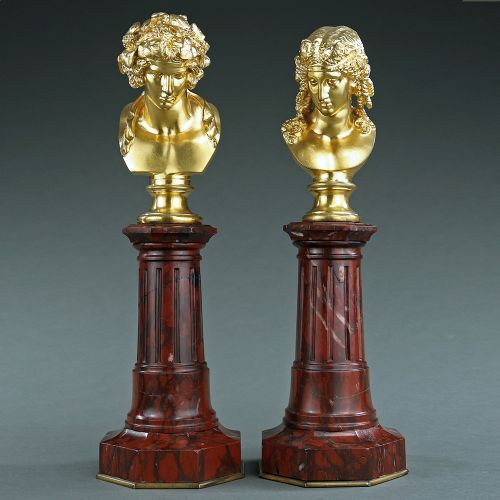
Supporting elements integrate carved marble bases, alabaster mounts, and wooden plinths to anchor heavier bronze and spelter compositions.
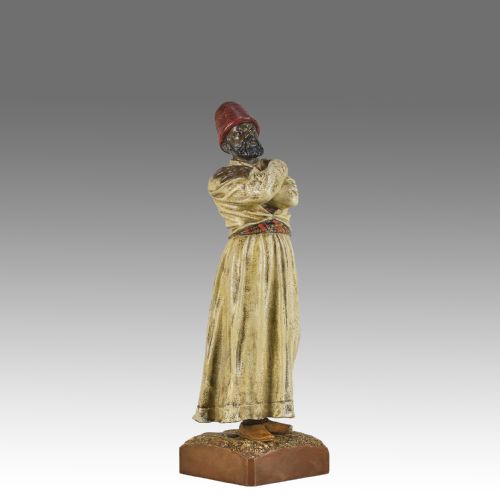
A bronze whirling dervish frozen in mid-spin brings an unexpected flash of motion to a quiet mantelpiece.
What varies in quality
Foundry work in bronzes shows in the sharpness of chasing and the depth of the original patina. Heavier metal castings and substantial marble plinths indicate higher ambition in domestic decoration.
Barbedienne·P J Mêne·Franz Bergman·Richard Eckert·Edouard Drouot
The Antique Mantelpiece Figurines Glossary
- Flatback
- A ceramic figure modelled fully on the front and sides with a flat, unglazed or minimally finished reverse intended to face a wall.
- Spill vase
- A hollow ceramic or metal vessel designed to hold wooden spills used for lighting pipes or candles, frequently modelled as animals or tree trunks.
- Animalier
- A nineteenth-century artistic style and genre focusing on the realistic depiction of animals, particularly in bronze.
- Cold-painted
- A method where bronze or metal sculptures are painted with cold enamel paints rather than fired in a kiln.
- Treacle glaze
- A dark, translucent brown lead glaze that produces a glossy, rich surface on nineteenth-century earthenware.
- Putto
- A plump, naked male child figure, often winged, common in allegorical and classical porcelain sculpture.
Antique Mantelpiece Figurines: Frequently Asked Questions
What are Staffordshire flatback figures?
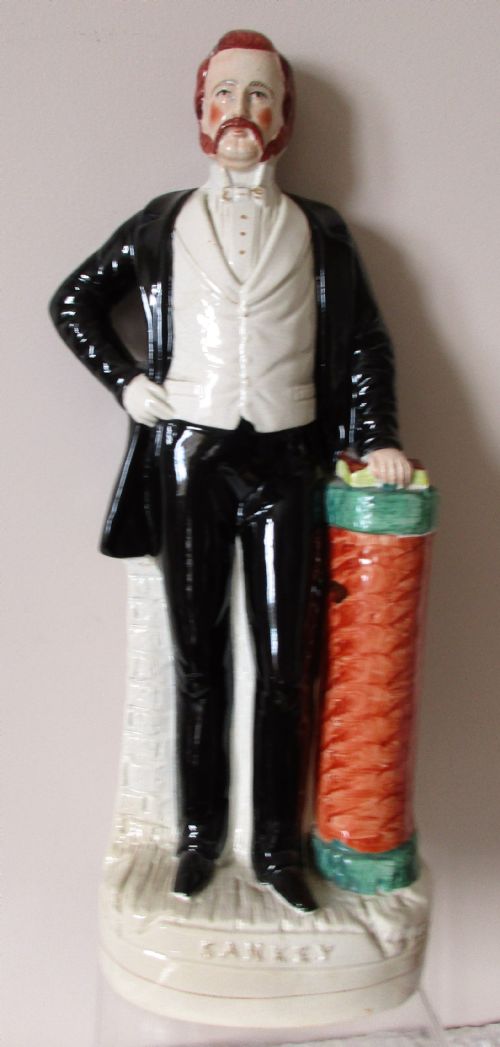
Staffordshire flatbacks are earthenware pottery figures designed during the nineteenth century to sit on mantelpieces. Because they were displayed against a wall, makers left the backs flat and unadorned.
These pieces often depicted royal portraits, historical events, or country couples to suit Victorian domestic interiors.
How were bronze animalier sculptures used?
Animalier bronzes served as decorative cabinet or mantelpiece sculptures celebrating the natural movement and power of animals. French foundries produced these detailed works for nineteenth-century collectors.
Artists focused on realistic anatomy, capturing hounds, stags, and game birds in dynamic poses.
What distinguishes Art Deco mantelpiece figures?
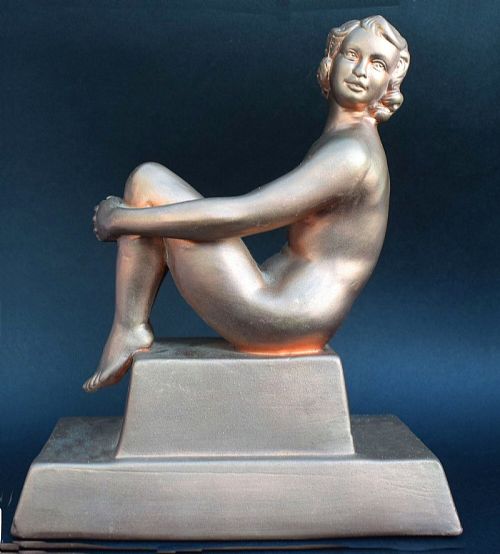
Art Deco figures embrace stylised geometry, sleek metallic finishes, and materials like spelter mounted on marble bases. They frequently depict dancers, modern women, or geometric animal forms.
These pieces reflect the design tastes of the interwar period, moving away from ornate Victorian realism.
How can I tell a spill vase from a standard figurine?
A spill vase incorporates an integrated hollow tube or socket alongside the main sculptural subject. This opening held wooden tapers used for transferring flames from the hearth.
Figures of animals or humans often stood beside a tree trunk or pillar that functioned as the container.