
Antique Mantel Vases
These antique mantel vases bring symmetry and colour to a room, ranging from grand porcelain urns to glass lustres designed to sit on a chimney piece.
Antique Mantel Vases
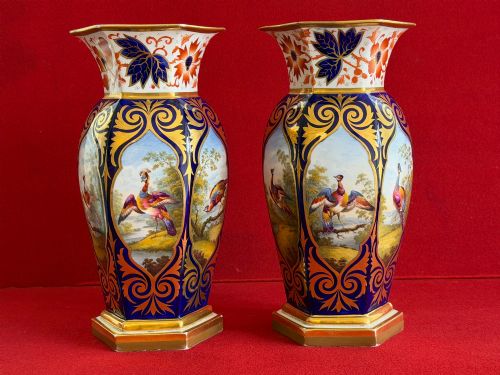
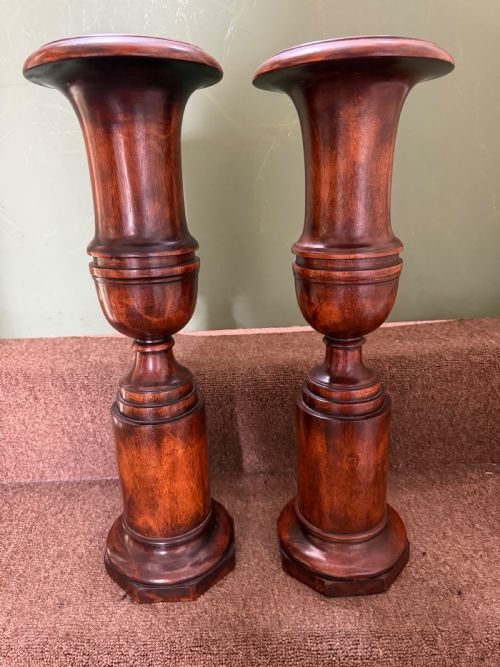
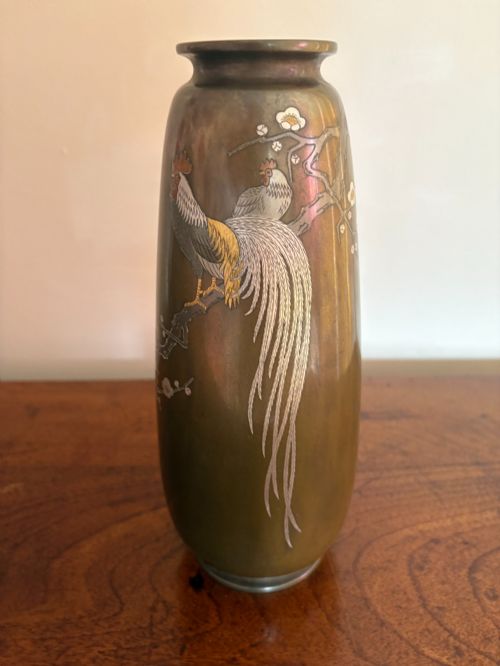
When searching for antique mantel vases, buyers encounter a diverse mix of ornamental vessels made for display upon a fireplace shelf or side table. The selection spans porcelain, glass, bronze, and earthenware, often appearing in symmetrical pairs to balance a mantelpiece.
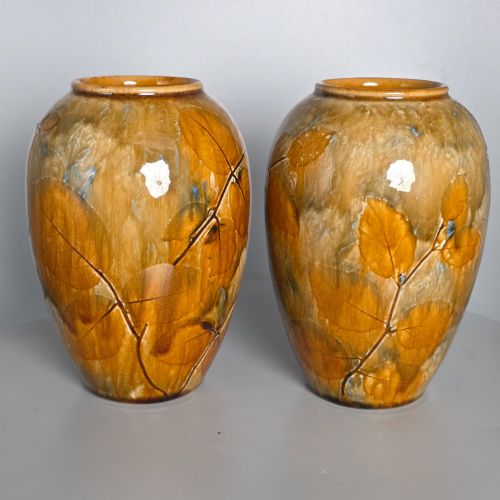
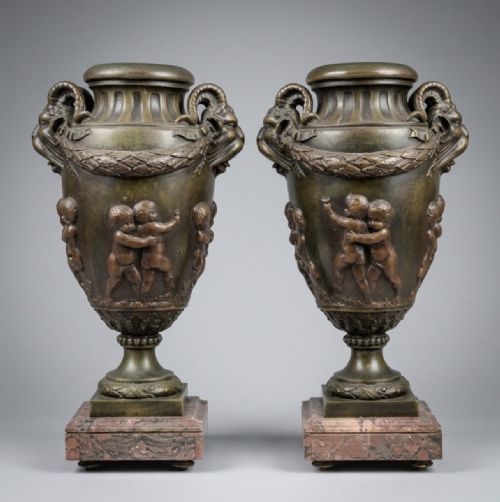
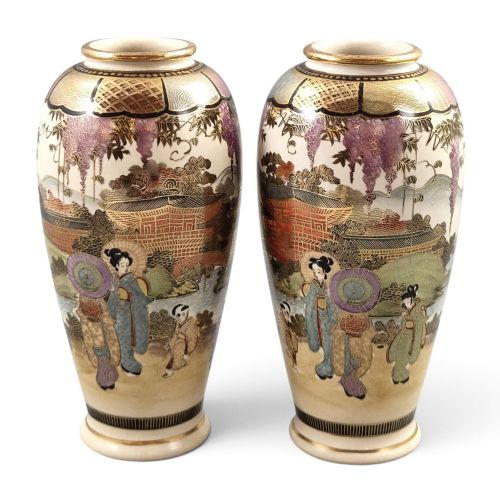
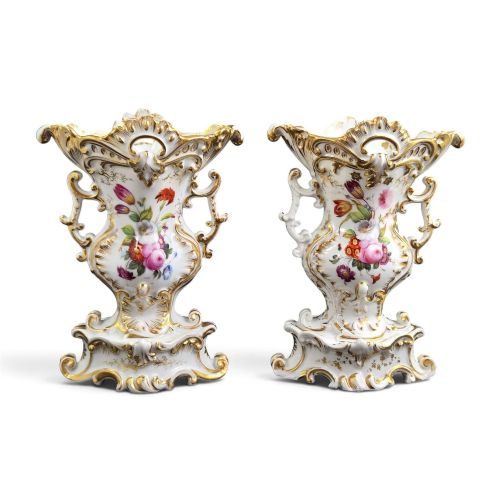
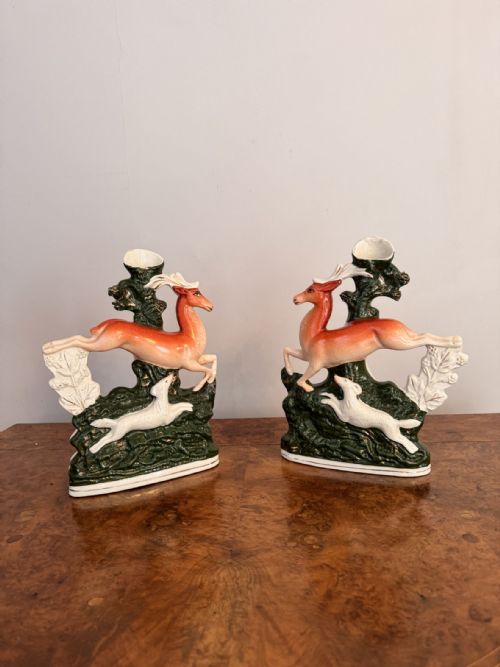
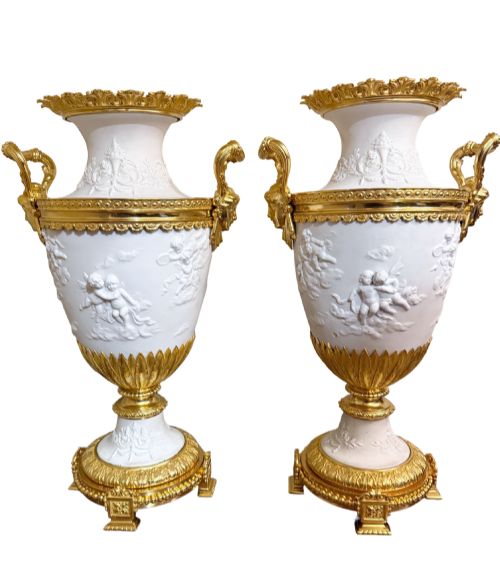
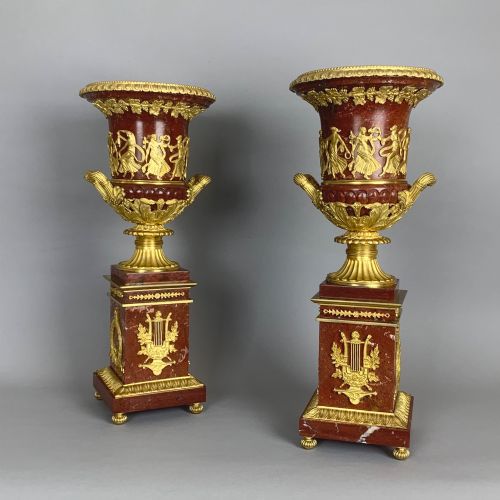
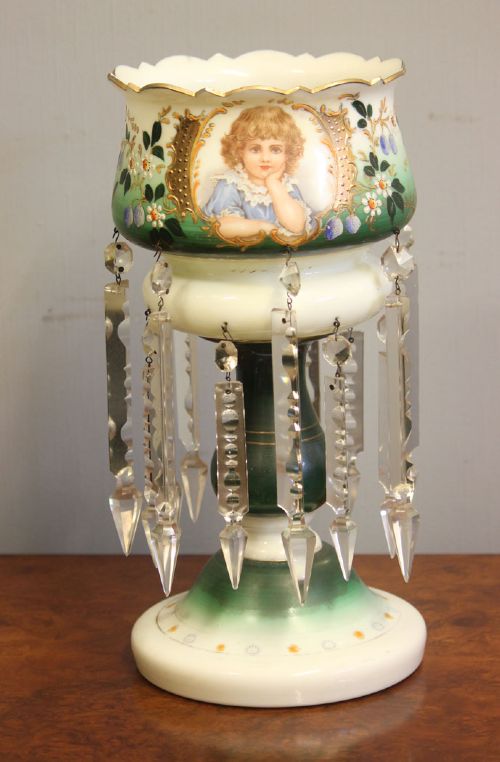
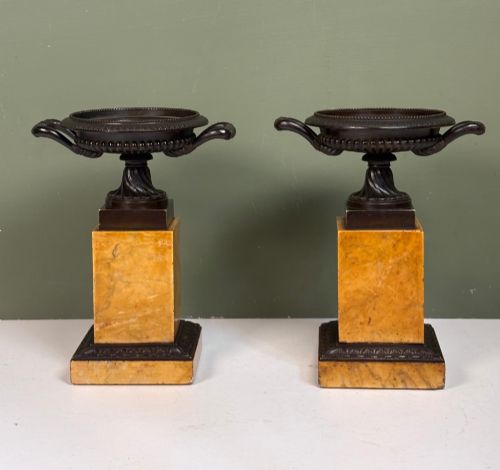
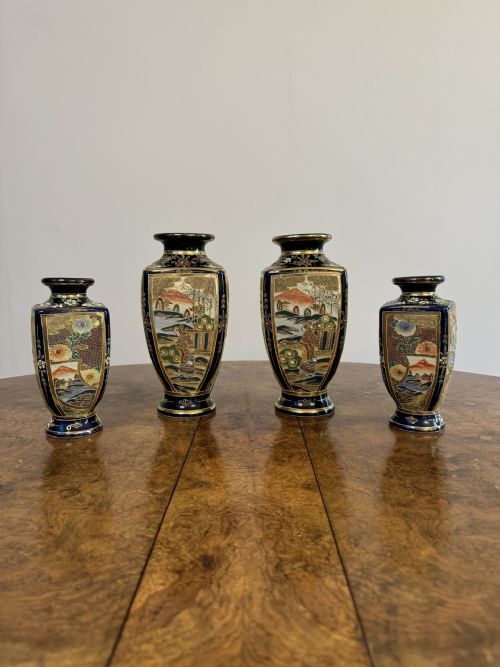
The options range from Victorian glass lustres hung with glass drops to Japanese Satsuma earthenware, French porcelain, and Staffordshire pottery spill vases depicting animals and figures. Neoclassical urns, Rococo revival porcelain, and Art Nouveau glazed earthenware also feature strongly across the inventory.
Origins stretch from English potteries like Worcester and Royal Doulton to continental European factories in France and Germany, alongside East Asian pieces from the Meiji and Qing periods. Buyers select these objects to anchor a decorative scheme with period character.
How they were made
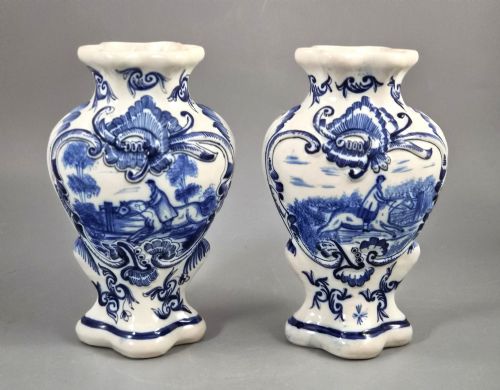
Ceramic mantel vases rely on traditional throwing, moulding, and slip-casting methods, followed by hand-painting in enamels, underglaze blue, or gilt, often finished with a clear or coloured glaze and fired in kilns.
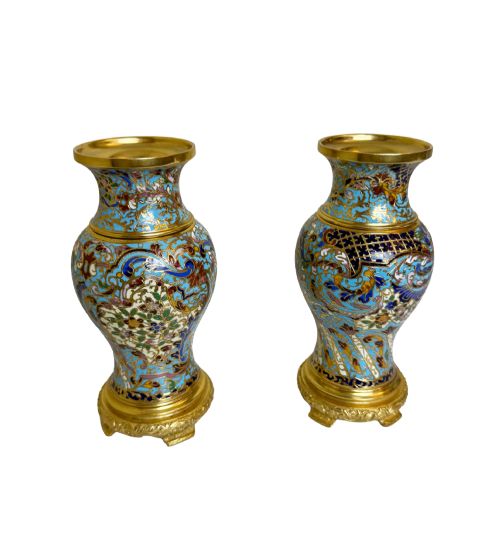
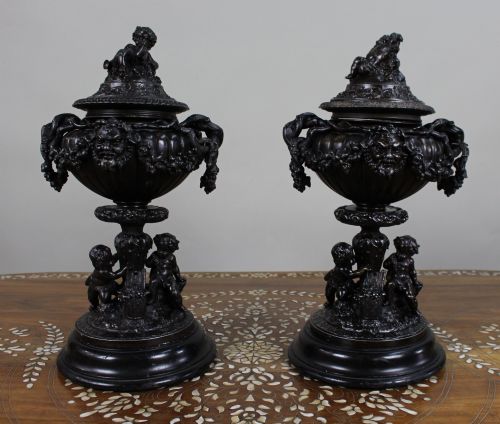
Metal vessels utilise bronze, brass, or spelter cast by the lost-wax or sand-casting method, frequently finished with gilt bronze, ormolu, or champlevé enamel decoration, and mounted on marble or slate bases.
Glass pieces incorporate mould-blown or free-blown techniques, sometimes layered as in ruby or green flash glass, and hand-cut or embellished with enamel and applied glass drops for mantel lustres.
Listings feature materials spanning bronze, porcelain, glass, and earthenware across Victorian, Regency, and Art Nouveau styles.
What varies in quality
The standard of painting and gilding separates ordinary production from exceptional work, seen in the crispness of hand-painted scenes, the depth of glaze colours, and the purity of the porcelain body or bronze casting.
Proportion and architectural balance dictate the visual weight of an urn or vase, where finely chased mounts, secure fixings between metal and marble, and crisp relief modelling indicate superior workshop execution.
Flight, Barr and Barr·Royal Doulton·Jacob Petit·Locke and Co·Boch Freres·Royal Vienna·Royal Worcester·Chelsea Porcelain
The Antique Mantel Vases Glossary
- Spill vase
- A narrow vessel designed to hold taper spills used for lighting fires or pipes. These are frequently made of pottery or porcelain.
- Mantel lustre
- A decorative glass or porcelain vase hung with cut-glass pendants or prisms, designed to catch and reflect candlelight.
- Champlevé
- An enamelling technique where troughs or cells are hollowed out in the metal surface and filled with vitreous enamel before firing.
- Ormolu
- Gilded bronze or brass mounts applied to furniture, clocks, and ceramic vessels, common in French decorative arts.
- Garniture
- A matching set of three or more vases or urns designed to be displayed together on a mantelpiece or cabinet top.
Antique Mantel Vases: Frequently Asked Questions
What is the purpose of mantel lustres?
Mantel lustres served both a decorative and practical function on nineteenth-century fireplace shelves. The hanging glass prisms caught and reflected the flickering light of candles or oil lamps before gas and electric lighting became common.
Over time, they evolved into pure display pieces used to introduce colour and symmetry to a formal room. Today, complete sets with all their original glass drops remain particularly sought after by collectors.
How do I identify a spill vase?
A spill vase is typically smaller and narrower than a standard display vase, featuring a simple cylindrical or urn-like opening. Their original purpose was to store slender wooden spills used for transferring flames from the hearth to candles or pipes.
Many antique examples take whimsical forms, including animals, tree trunks, and figures. Their compact size makes them practical for placement on narrow mantelpieces or desks.
Are these vases always sold in pairs?
Many antique mantel vessels were manufactured as matched pairs to satisfy the nineteenth-century desire for balanced interior decoration. Symmetrical placement on either side of a mantel clock or mirror was standard practice in period homes.
Single vessels do appear, often surviving from larger garniture sets or ceramic services. Buyers must check descriptions carefully to determine whether a listing represents a true pair or an individual piece.
How should I clean antique porcelain vases?
Dusting with a soft, dry artist's brush is the safest method for routine maintenance of antique porcelain and glazed earthenware. Avoid using water or chemical cleaners, especially on pieces with delicate overglaze gilding, enamel work, or vulnerable painted surfaces.
If a piece requires deeper cleaning due to ingrained dirt, consult a professional conservator rather than risking the glaze. Moisture can damage unglazed biscuit porcelain or penetrate old hairline cracks.