




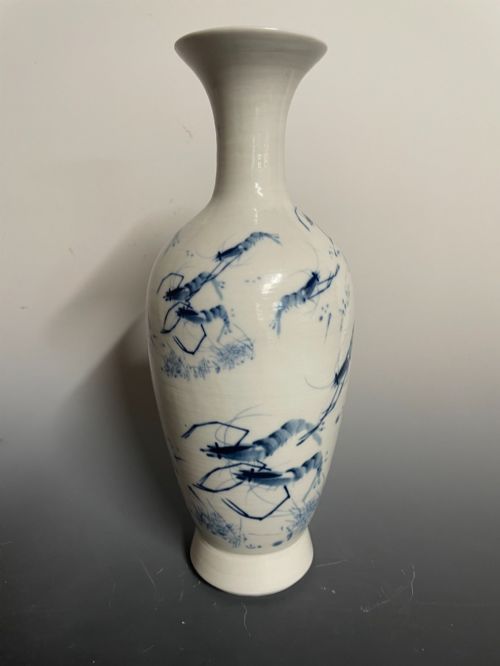
Blue Glazed Urn
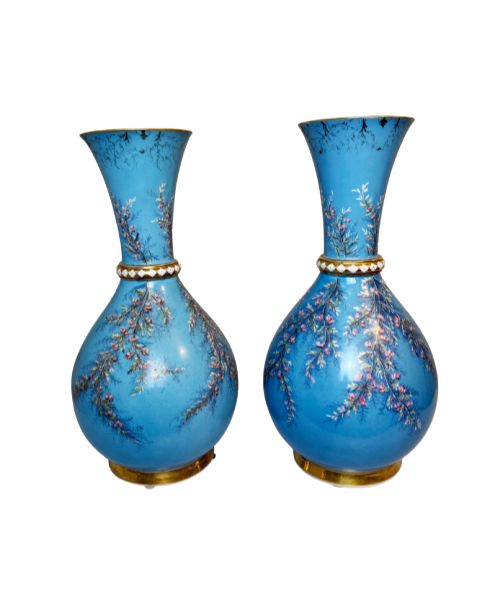
A blue glazed urn brings together rich cobalt pigments and sculptural ceramic forms from the eighteenth and nineteenth centuries to anchor a room.
Blue Glazed Urn
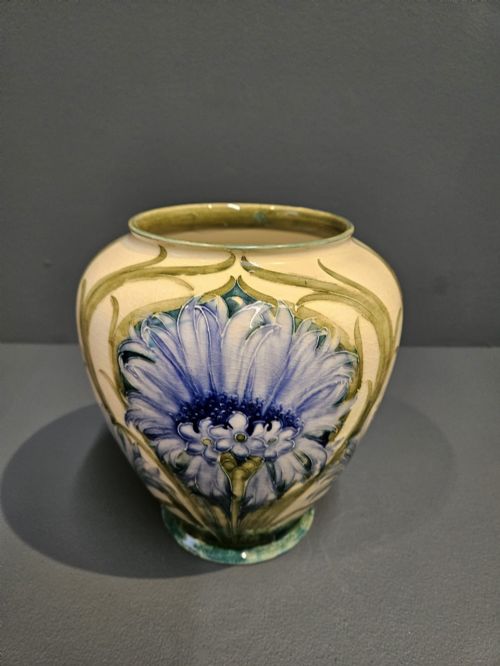
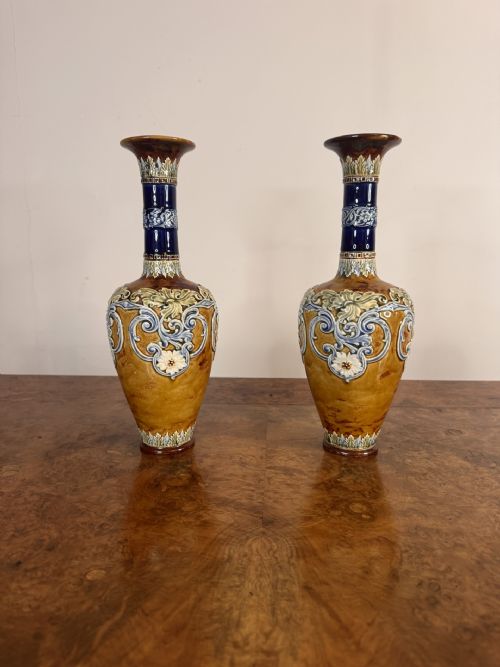
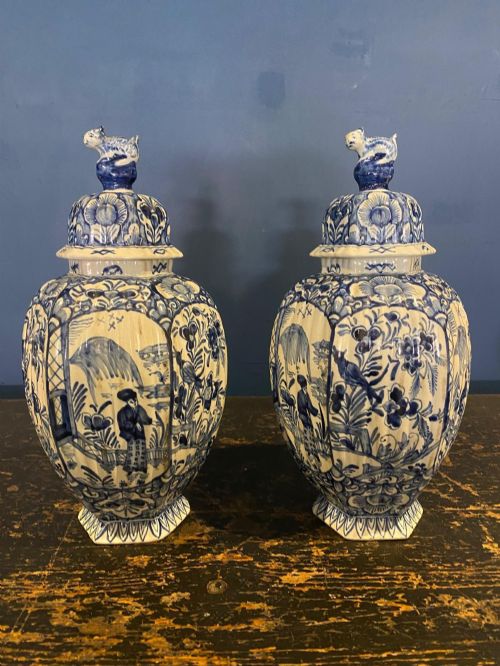
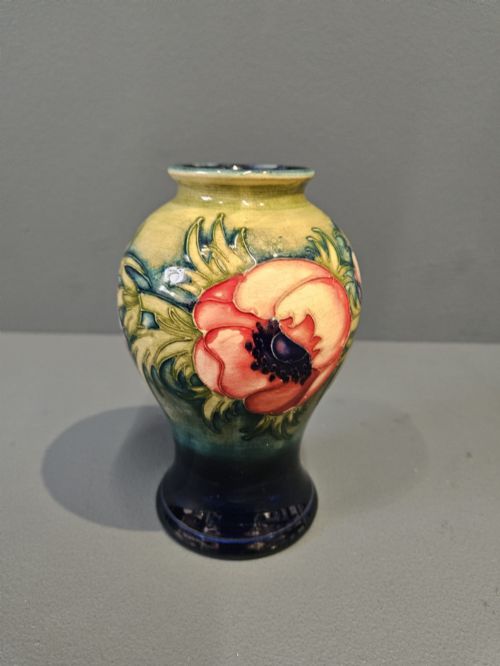
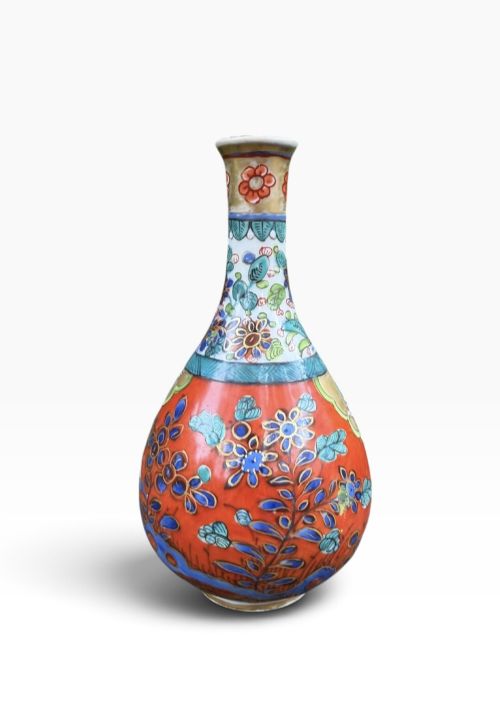
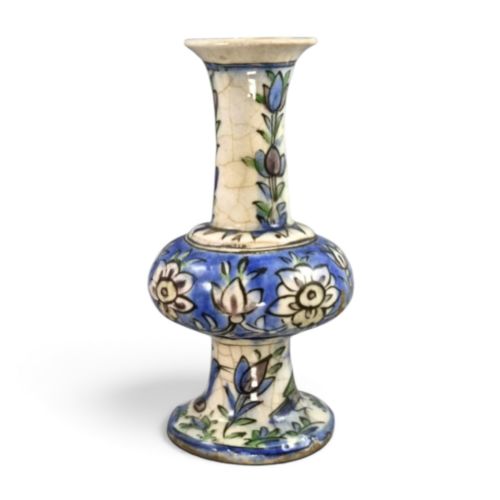
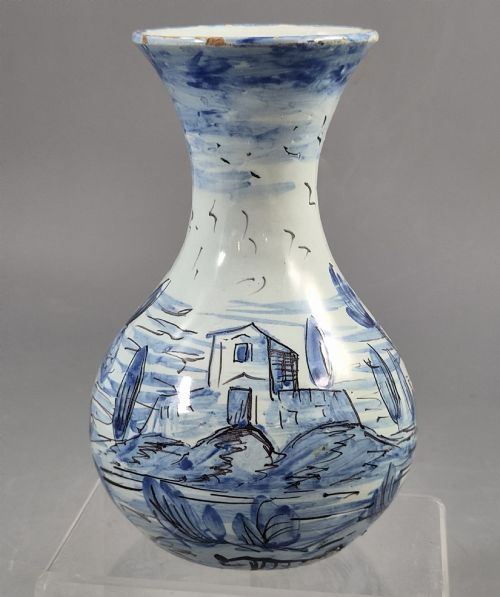
When a buyer searches for a blue glazed urn, they encounter ceramic vessels shaped for display, often standing with handles, covers or mounted bases. These pieces cross various traditions, from Dutch Delftware jars and English art pottery to French faience and Asian porcelain.
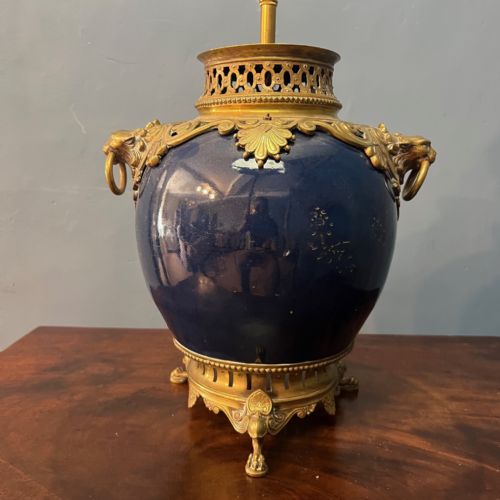
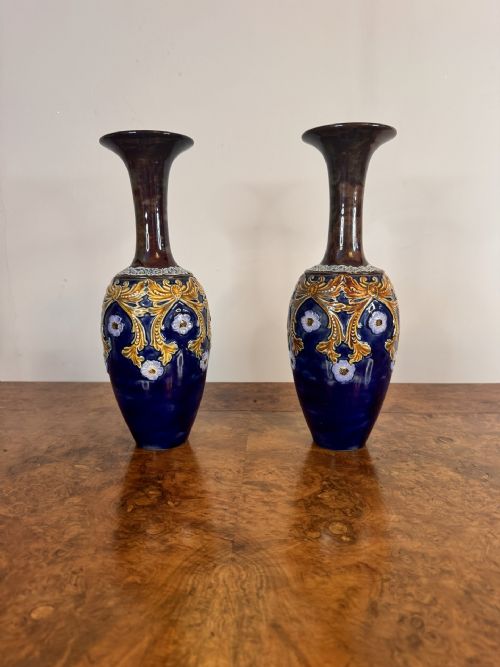
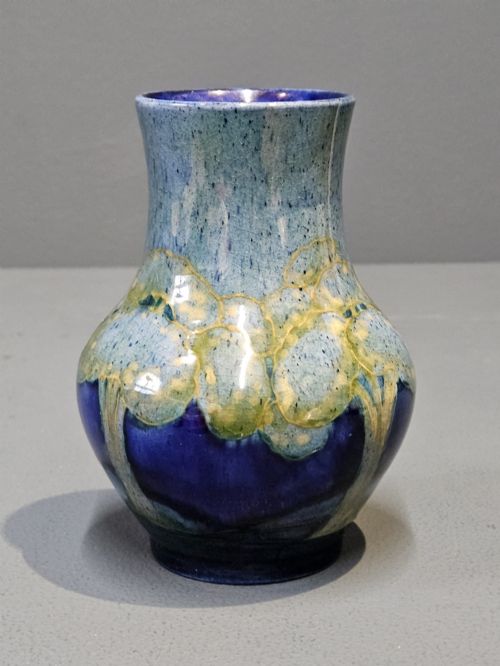
The versions most common on this page date from the nineteenth and eighteenth centuries, taking the form of baluster vases, lidded garden urns and table lamps. Makers applied rich cobalt and turquoise glazes over earthenware, stoneware and porcelain, frequently finishing the forms with bronze or gilt trim.
How they were made
Potters shaped ceramic bodies from earthenware, stoneware, terracotta and porcelain on the wheel or in moulds before applying tin-glaze or transparent cobalt washes. Artisans then fired these pieces at high temperatures to fuse the mineral pigments into the glossy surface.
Many workshop pieces received secondary mounts of bronze, ormolu, silver or gilt trim to elevate their decorative status. Painted designs under the glaze, alongside moulded details like moriage or silver cabochons, required precise handwork from skilled decorators.
Blue Glazed Urn Retail Price Guide 2026
Typical asking prices for blue glazed urn among the pieces listed under this phrase on Sellingantiques today, from the lower quarter to the upper quarter. They describe what is for sale here now, not the wider market.
Materials recorded across the inventory include earthenware, stoneware, porcelain, terracotta, tin-glazed earthenware and enamel.
What varies in quality
The distinction between standard production wares and exceptional studio pieces rests on the depth of the glaze and the crispness of the hand-painted or moulded decoration. Master potters achieved rich, even cobalt tones and intricate painted motifs that lesser workshops left flat or muddy.
The integration of metal mounts, such as gilt bronze trim or cast handles, separates ordinary vessels from high-end display urns. Pieces bearing documented signatures or factory marks from notable potteries also command closer attention for their historical record.
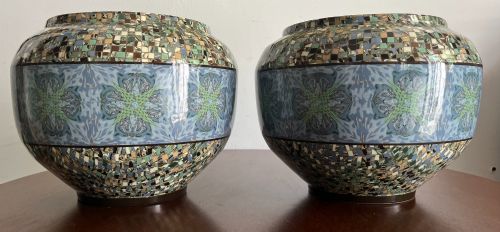
Royal Doulton Lambeth·Fourmaintraux-Courquin Desvres·Cantagalli·Minton·Wileman
The Blue Glazed Urn Glossary
- Tin-Glazed Earthenware
- Pottery covered with a lead glaze made opaque by the addition of tin oxide, serving as a white background for blue painted decoration.
- Baluster
- A vase form with a rounded lower body that tapers into a narrow neck, common in eighteenth and nineteenth-century ceramic design.
- Majolica
- Heavy earthenware decorated with opaque coloured glazes, often featuring bright polychrome or rich blue tones on sculptural urns.
- Ormolu
- Gilt bronze mounts cast and chased to adorn the bases, rims and handles of fine porcelain and ceramic vessels.
- Moriage
- A decorative technique using slip trailing to build up raised dots and patterns on Japanese ceramic bodies.
Blue Glazed Urn: Frequently Asked Questions
How were blue glazed urns used historically?
These vessels served primarily as decorative ornaments on mantelpieces, sideboards and cabinet tops within grand interiors. Larger lidded jars and garden urns held dried botanicals or stood as architectural accents in reception rooms.
Over time, many of these ceramic pieces were adapted into table lamps with wired fittings while retaining their original aesthetic appeal.
How do I distinguish eighteenth century Delft from nineteenth century revivals?
Eighteenth-century Delft pieces typically display lighter, more porous earthenware bodies with softer tin-glazes and hand-painted cobalt scenes that show subtle irregularities. Nineteenth-century revival pieces often feature heavier stoneware or refined faience bodies with crisper factory marks and denser glaze coverage.
Examining the foot ring, potting weight and pigment depth helps clarify the manufacturing era.
Are bronze mounts original to these urns?
Many nineteenth-century European urns and porcelain vases left the workshop with bespoke gilt bronze or ormolu mounts fitted to their bases and rims. These metal additions were designed to enhance the decorative presence of the ceramic body for the luxury market.
Some mounts reflect later nineteenth-century revival tastes applied to earlier bodies, requiring careful inspection of the fixing pins.
How should I care for an antique glazed urn?
Dust these ceramic and porcelain pieces gently with a dry, soft cloth to prevent particulate buildup on the glazed surfaces and metal mounts. Avoid using liquid cleaners or chemical polishes, particularly near painted cobalt details and bronze trim.
Keep the urn away from direct sunlight and areas of high humidity to protect the integrity of the ceramic body and glaze.