
Antique Mantel Ornaments
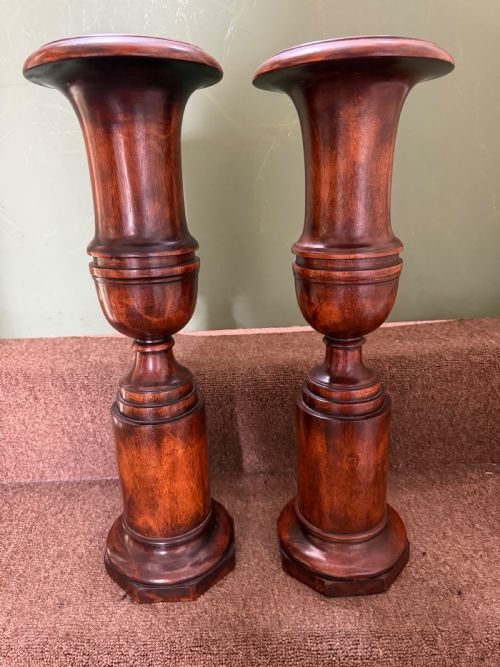
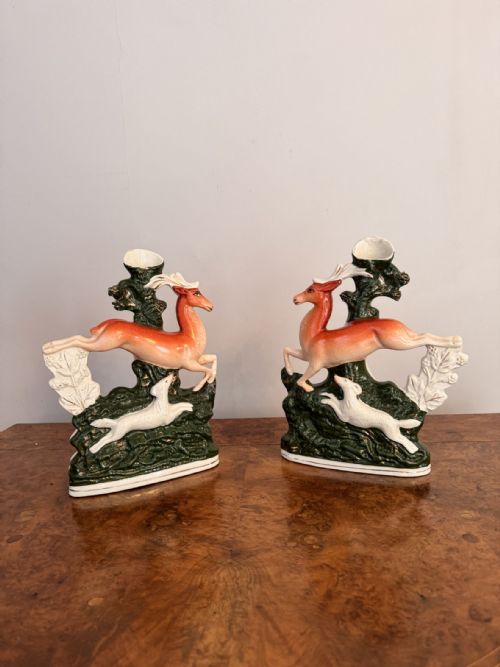
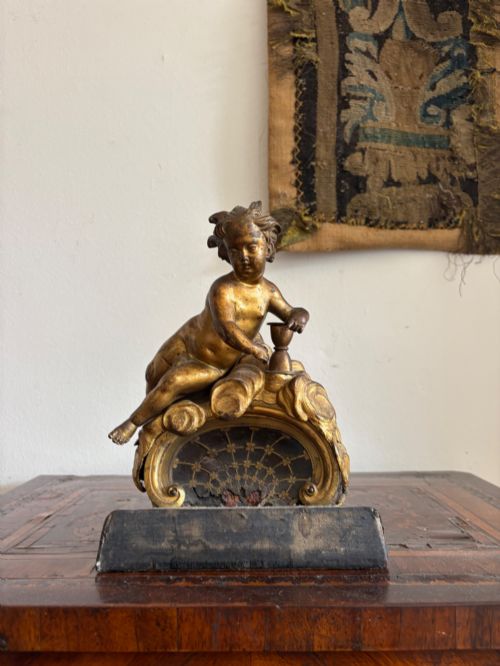
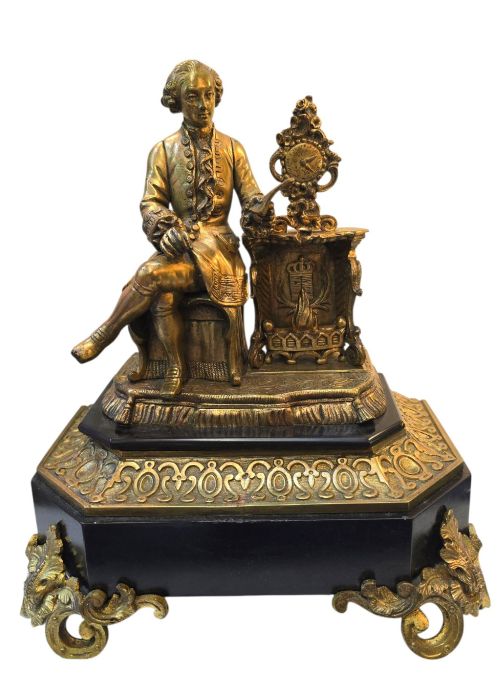
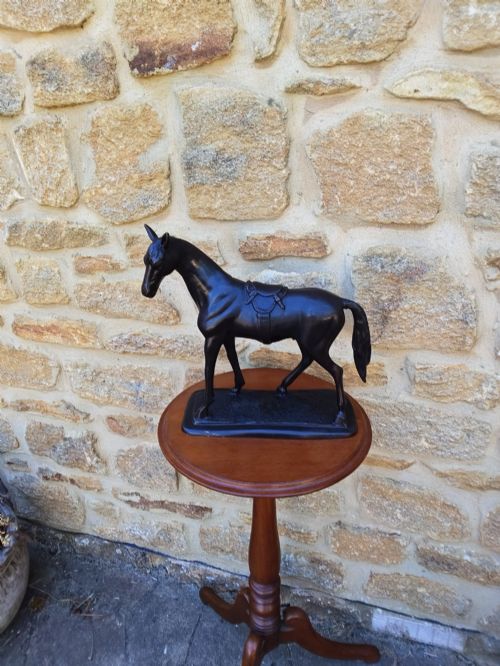
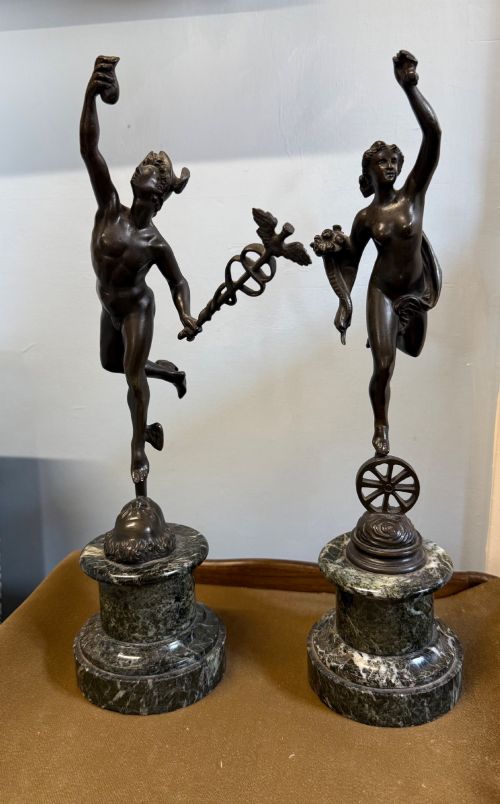
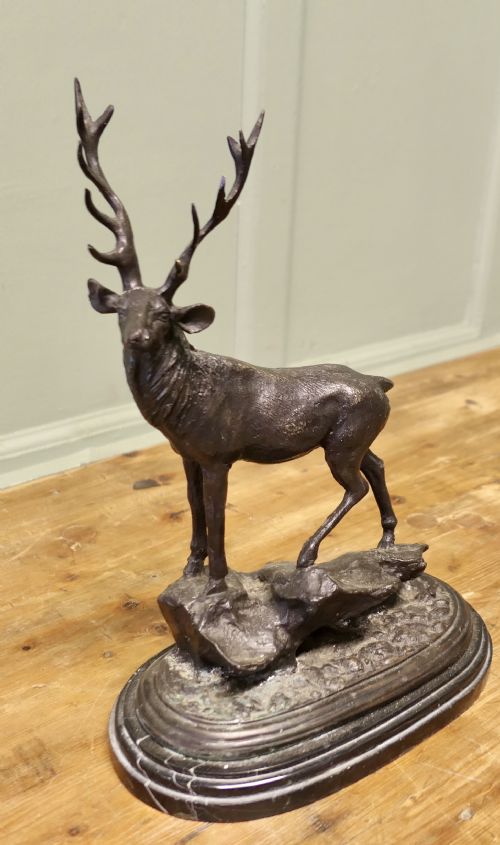
These antique mantel ornaments range from earthenware Staffordshire dogs to French bronze figures, selected to sit upon a fireplace surround.
Antique Mantel Ornaments
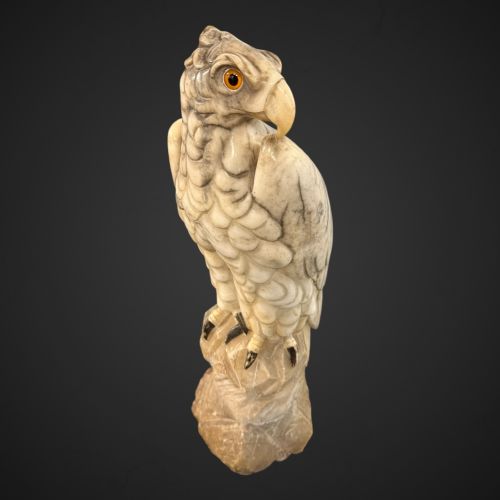
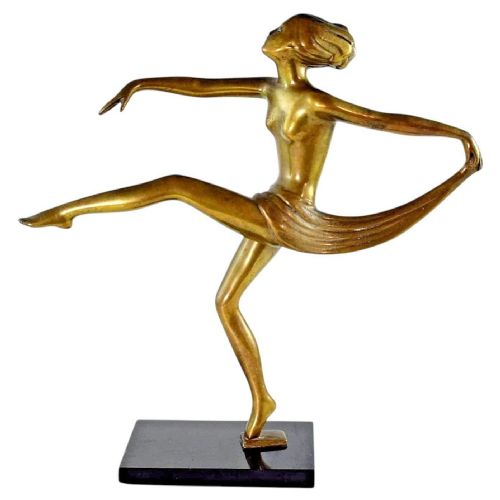
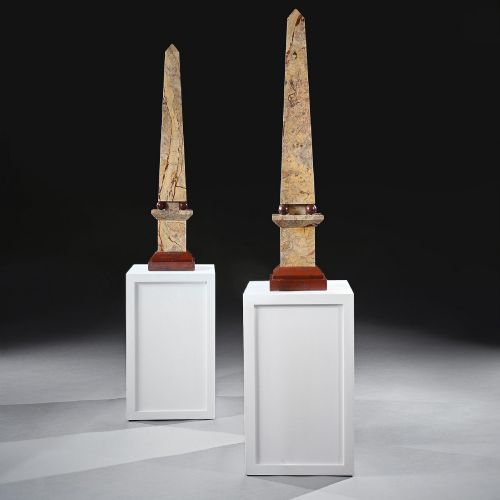
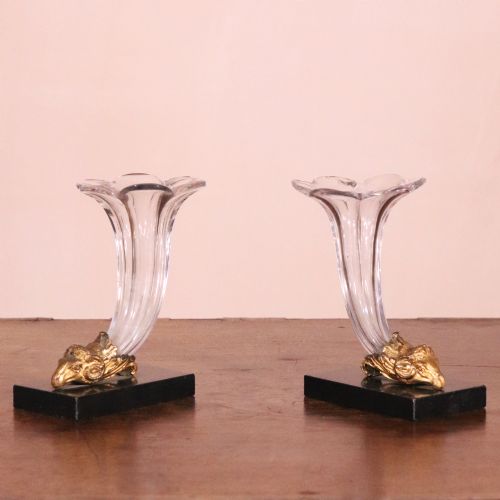
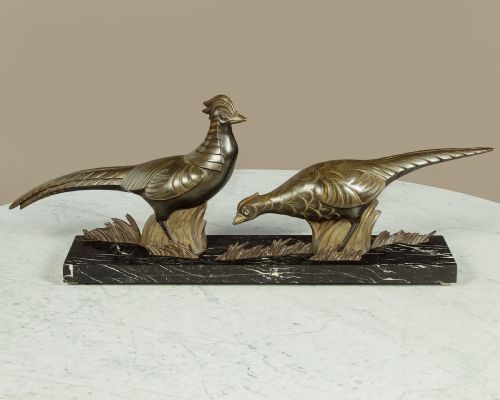
When searching for antique mantel ornaments, buyers encounter a diverse selection of decorative objects originally placed on fireplace ledges during the nineteenth and early twentieth centuries. The assortment spans ceramic figures, spill vases, marble obelisks, and metal sculptures reflecting prevailing tastes from the Victorian period through the Art Deco era.
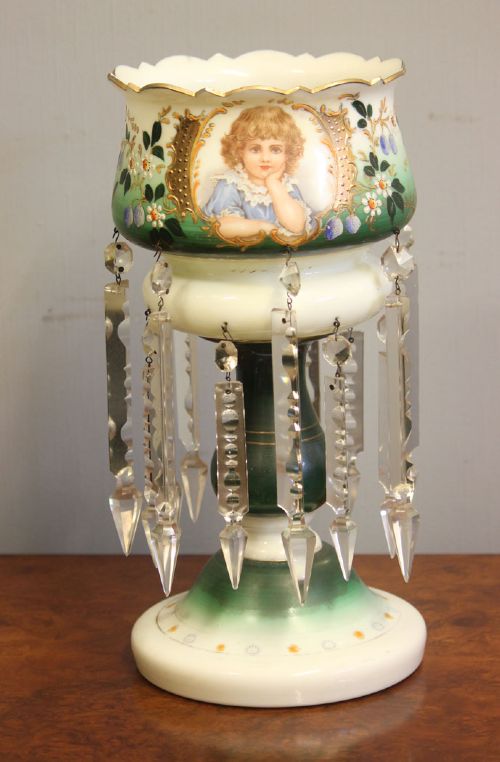
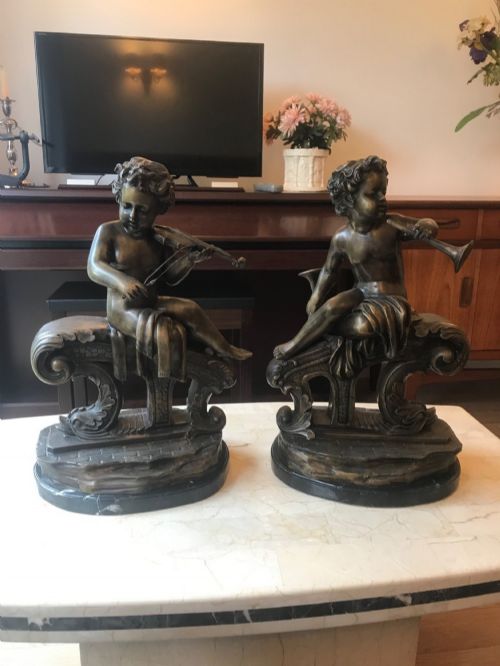
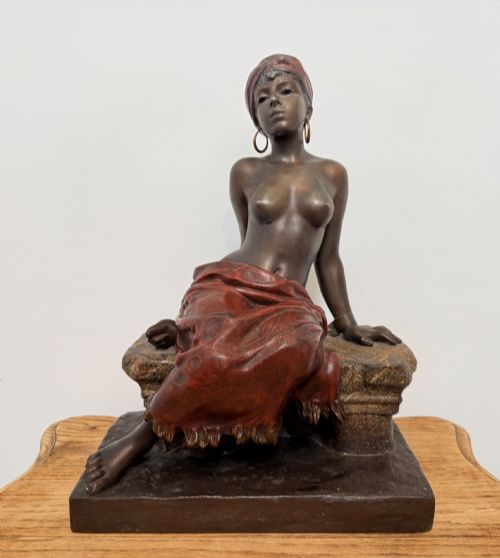
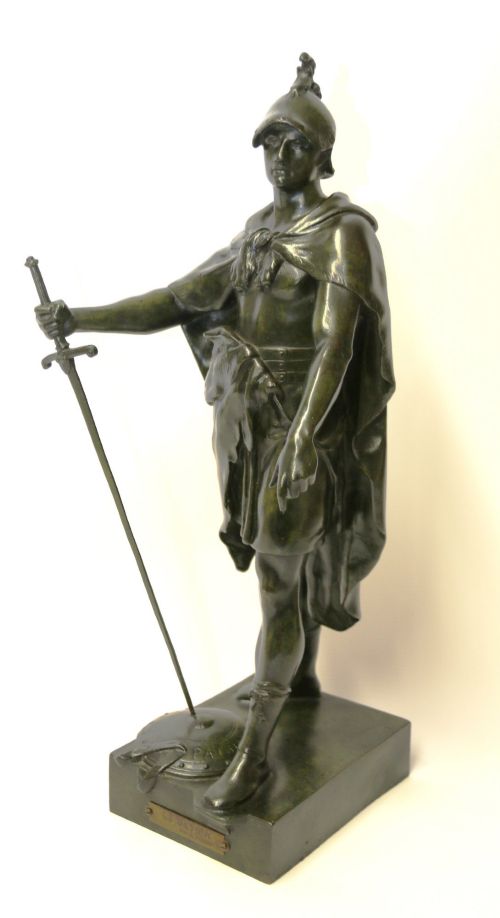
The most common examples on this page are earthenware Staffordshire animals such as greyhounds and whippets, alongside French bronze figures and glass table lustres. These domestic decorative objects served both functional and aesthetic roles in period interiors, often supplied in matched pairs to balance either side of a mantelpiece clock.
Materials and construction
Makers utilised cast bronze, gilt ormolu, and carved marble to produce durable architectural forms and classical figures. Metal components frequently involved casting and subsequent chasing or patination, mounted directly onto stone plinths.
Ceramic and glass varieties relied on moulded earthenware, pottery, and lead glaze, often enhanced with hand-painted details. Cut-glass lustres incorporated suspended crystal prisms that caught the flickering light of nineteenth-century rooms.
Staffordshire potters immortalised nineteenth-century current affairs by issuing portrait figures of contemporary evangelists Moody and Sankey alongside royalty.
Factors of quality
The degree of crispness in cast metalwork and the fineness of hand-painted ceramic glazes determine the standing of an individual piece. Sharp definition in bronze chasing or delicate brushwork on pottery portrait figures indicates superior workshop production.
Completeness also dictates standard, particularly in glass lustres requiring matching crystal drops or pairs of ornaments retaining their original proportions and matched bases. Modest variations in ceramic moulding reflect the hand-finished nature of nineteenth-century Staffordshire production.
Josef Lorenzl·Émile Louis Picault·Emile Carlier·Masaaki
The Antique Mantel Ornaments Glossary
- Spill vase
- A hollow ceramic holder designed to store wooden spills used for lighting fires or pipes. These decorative vessels frequently took the form of tree trunks beside seated animals.
- Lustre
- A glass or ceramic ornament decorated with metallic glazes or hung with prismatic glass pendants designed to reflect light. Victorian examples often sat beneath glass domes.
- Ormolu
- Gilt bronze produced by applying a finely ground high-carat gold mercury amalgam to a bronze base. The technique creates a rich golden finish seen on nineteenth-century mounts and ewers.
- Spelter
- An alloy of zinc and lead used as a cost-effective alternative to bronze for casting Art Deco figurines. It accepts patination well to simulate heavier metals.
- Okimono
- A Japanese freestanding display carving intended for interior placement. These decorative sculptures were produced in bronze during the late nineteenth century.
Antique Mantel Ornaments: Frequently Asked Questions
What are antique mantel ornaments?
These pieces comprise decorative objects designed for display on fireplace ledges, ranging from ceramic Staffordshire dogs to bronze sculptures and glass lustres.
They reflect aesthetic trends spanning the eighteenth, nineteenth, and early twentieth centuries.
How were mantel ornaments used?
Homeowners placed these items on mantelpieces to decorate principal rooms, often arranging them symmetrically around a central clock or mirror.
Some ceramic variants, such as spill vases, served the practical purpose of holding tapers for lighting hearth fires.
How do I identify Victorian pieces?
Victorian examples frequently include Staffordshire pottery figures of animals or historical portraits, alongside cut-glass lustres with hanging prisms.
Material choices like earthenware with lead glaze or cast bronze on marble bases point towards nineteenth-century manufacturing methods.
What defines Art Deco ornaments?
Art Deco mantel pieces typically feature streamlined figurative dancers, animal sculptures, and materials such as spelter or patinated bronze dating to around nineteen-thirty.
The styling departs from nineteenth-century ornamentation in favour of dynamic modern lines.