



Antique Lustre Glaze
These pieces of antique lustre glaze bring metallic brilliance and rich colour to domestic displays through centuries of ceramic tradition.
Antique Lustre Glaze
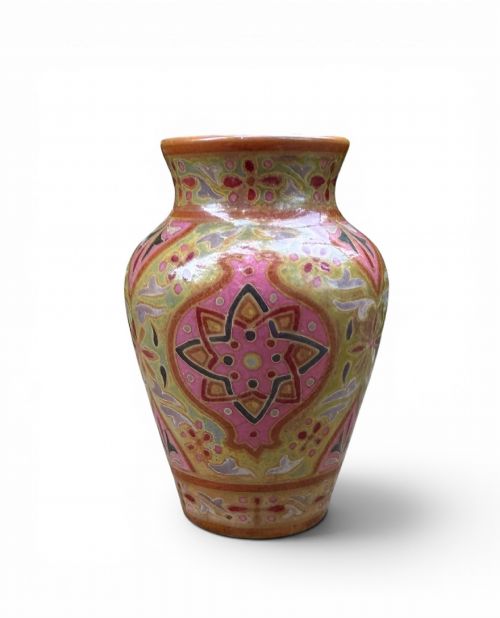
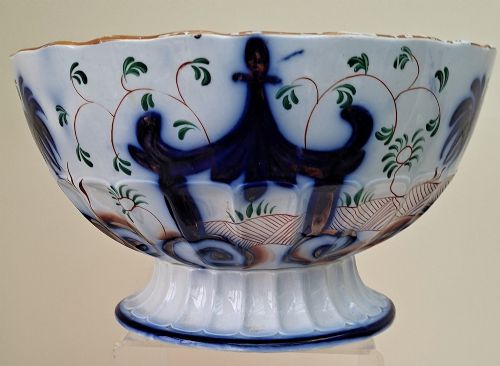
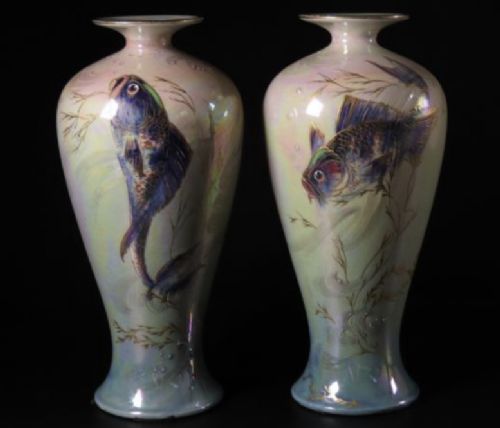
When searching for antique lustre glaze, collectors encounter a diverse array of ceramic forms ranging from early Middle Eastern bowls to Staffordshire jugs and twentieth-century decorative wares. The selection spans utilitarian vessels, sculptural animals, and highly ornate cabinet pieces produced across various European and Islamic centres.
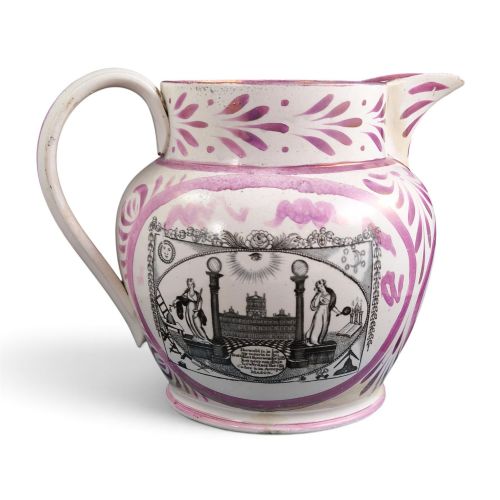
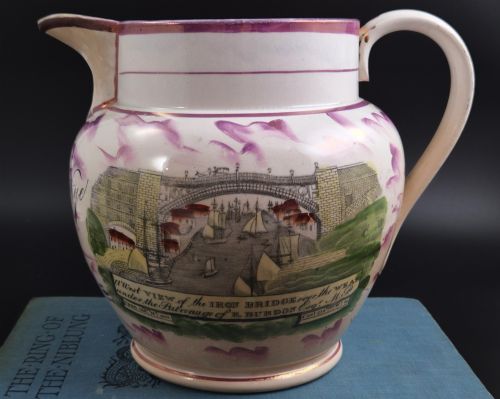
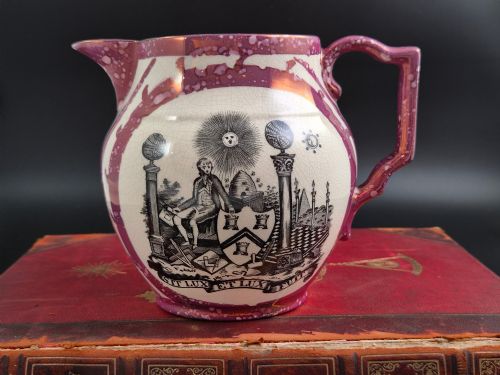
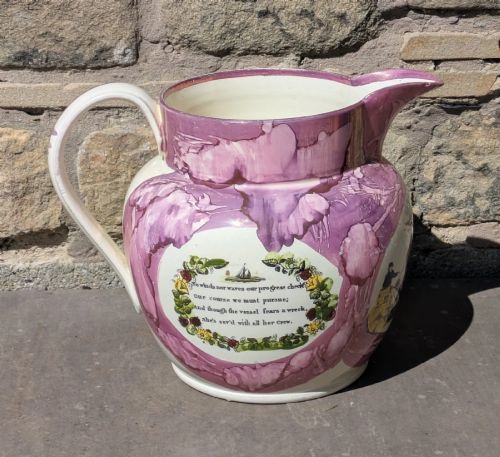
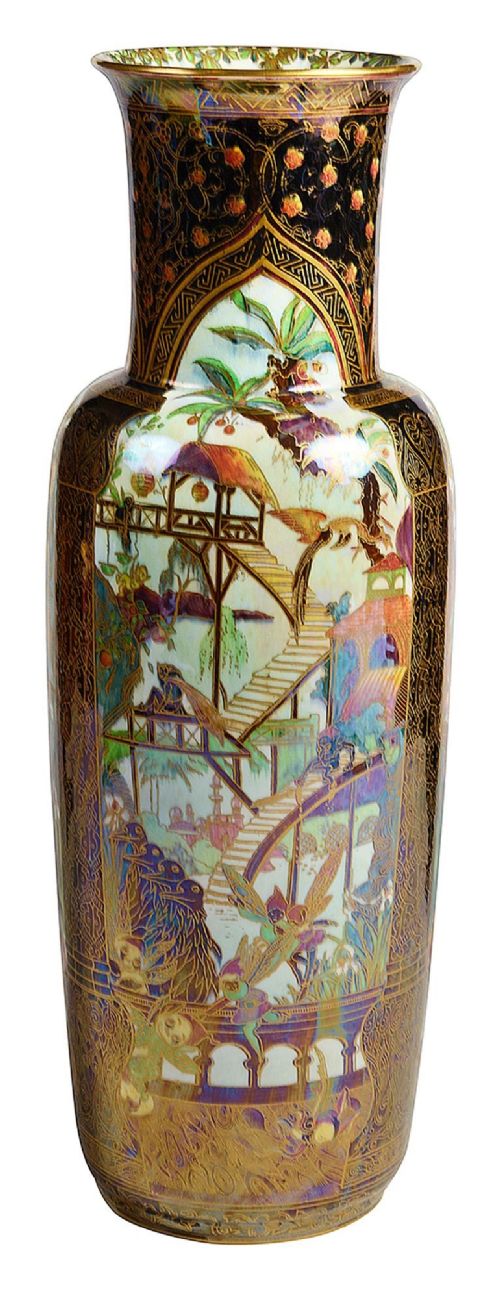
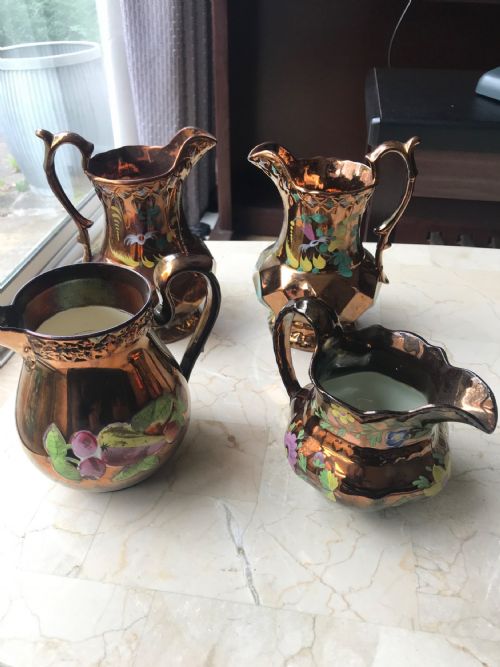
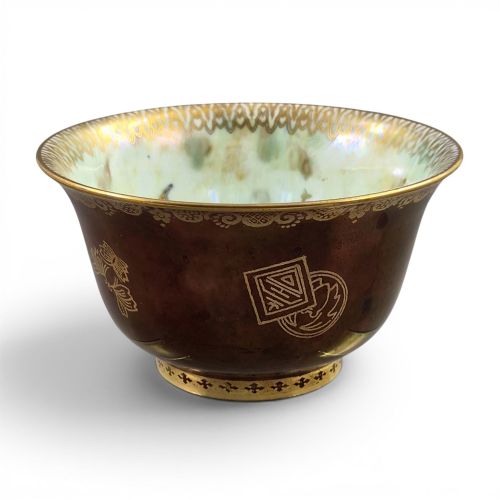
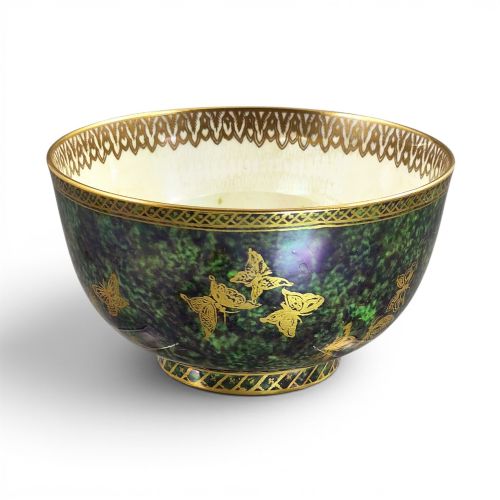
The most common versions met on this page include nineteenth-century Sunderland pink splash jugs, Staffordshire copper lustre animals, and intricate twentieth-century porcelain bowls designed by Daisy Makeig-Jones. These items combine traditional earthenware or porcelain bodies with reflective metallic finishes that catch the light.
Earlier examples extend back to pre-sixteenth-century Persian vessels, demonstrating a long lineage of metallic oxide application. Whether examining a Georgian maritime jug or an Edwardian fairyland bowl, each piece reflects the specific aesthetic priorities of its period of origin.
How they were made
Potters achieved the distinctive metallic sheen by applying metallic oxides - such as copper, silver, or gold - onto a glazed ceramic body during a specialised low-oxygen reduction firing. This process left a thin, iridescent metallic film on the surface of the earthenware or porcelain.
Many items incorporate supplementary decoration techniques, including transfer printing, hand painting with enamel, and the application of gold leaf over the fired glaze. Staffordshire figures and jugs often combined copper or pink splash effects with hand-painted details like fruit or floral motifs.
Specialised workshops utilised complex multi-firing processes to build up layers of colour and lustre, particularly evident in the elaborate fairyland and dragon patterns produced by major factories in the twentieth century.
Listings feature periods spanning from the thirteenth century through the Georgian, Victorian, and Edwardian eras up to the nineteen-twenties.
What varies in quality
The strength and evenness of the metallic sheen determine much of the visual success of an antique lustre glaze piece, with superior examples displaying deep, shimmering iridescence rather than dull or patchy surfaces. The crispness of transfer-printed details, such as the masonic emblems on Sunderland jugs, also distinguishes finer output from standard domestic ware.
Complexity of design and execution set ambitious studio or factory productions apart from everyday items, as seen in the intricate hand-painted motifs on Wedgwood fairyland series versus simpler banded copper jugs. The precision of form in moulded figures and thrown vessels further separates standard manufacturing from exceptional artistry.
Wedgwood·Daisy Makeig-jones·Clement Massier·Richard Joyce·Zsolnay Pecs·Walter Slater·Cantagalli
The Antique Lustre Glaze Glossary
- Pink splash lustre
- A ceramic decoration technique producing a mottled pink or purple effect resembling spots of colour, frequently found on nineteenth-century Sunderland jugs. This appearance resulted from the chemical reaction of gold or silver applied during firing.
- Copper lustre
- A metallic glaze finish creating a warm, reflective brown-orange surface resembling polished copper. It gained widespread popularity on nineteenth-century Staffordshire jugs, mugs, and decorative figures.
- Earthenware
- Porous pottery fired at lower temperatures, commonly used as the base body for many traditional lustre wares. It requires a glaze to become impermeable to liquids.
- Transfer printing
- A mechanical method of applying detailed designs to ceramics from an engraved copper plate via paper tissue. This technique allowed makers to produce consistent pictorial themes like bridges, maritime scenes, and masonic symbols.
- Faience
- Tin-glazed earthenware produced across various European centres, known for providing a smooth white background for painted and lustre decorations.
Antique Lustre Glaze: Frequently Asked Questions
How do I identify a Sunderland lustre jug?
Sunderland lustre jugs typically feature characteristic pink splash or mottled purple effects combined with transfer-printed maritime, bridge, or masonic themes. They were produced primarily in the nineteenth century within the North East of England.
Examining the base body reveals the heavier earthenware construction typical of regional potteries from that era, often accompanied by contemporary inscriptions or dates.
What is Wedgwood fairyland lustre?
Fairyland lustre is an imaginative range of highly colourful and intricate ceramic designs developed by Daisy Makeig-Jones during the early twentieth century. These pieces depict fantastical subjects like elves, dragons, and bridges using vibrant enamel and rich metallic glazes.
Collectors prize them for their exceptional detail, complex multi-fired surfaces, and distinct octagonal or bowl forms.
How should I clean antique lustre ceramics?
Antique lustre ceramics require gentle maintenance due to the delicate nature of the metallic surface layer. Dusting with a soft, dry cloth is usually sufficient for regular upkeep.
Avoid using abrasive cleaning agents, harsh chemicals, or immersion in water for extended periods, as these can damage the thin metallic film and any hand-painted enamel details.
Are copper lustre jugs safe for daily use?
Most antique copper lustre jugs were intended for functional domestic use as milk or water containers during the nineteenth century. However, age can make the glazes more vulnerable to staining or chemical interaction.
Displaying them as decorative objects is generally recommended to preserve the integrity of the metallic finish and prevent wear.
How can I distinguish early Persian lustre bowls?
Early Persian lustre bowls, such as those from thirteenth-century Kashan, display characteristic turquoise or cobalt underglazes combined with brownish metallic overglazes. They often feature figurative elements like horse riders or calligraphic motifs.
Their heavy, stonepaste bodies and archaeological patination separate them clearly from later European revival pieces.