


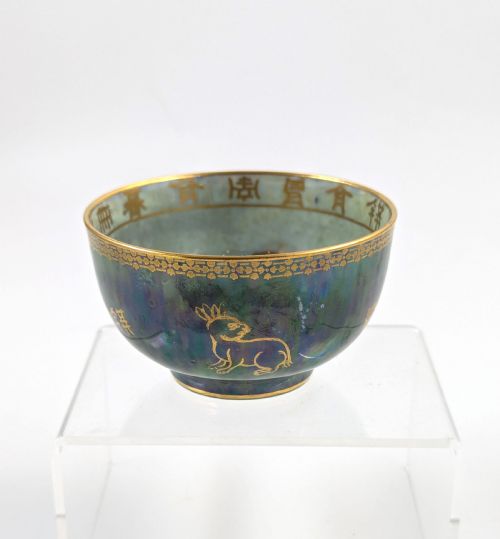


Art Deco Wedgwood
Art deco wedgwood brings together vibrant ceramic forms and striking geometric designs from the early twentieth century.
Art Deco Wedgwood
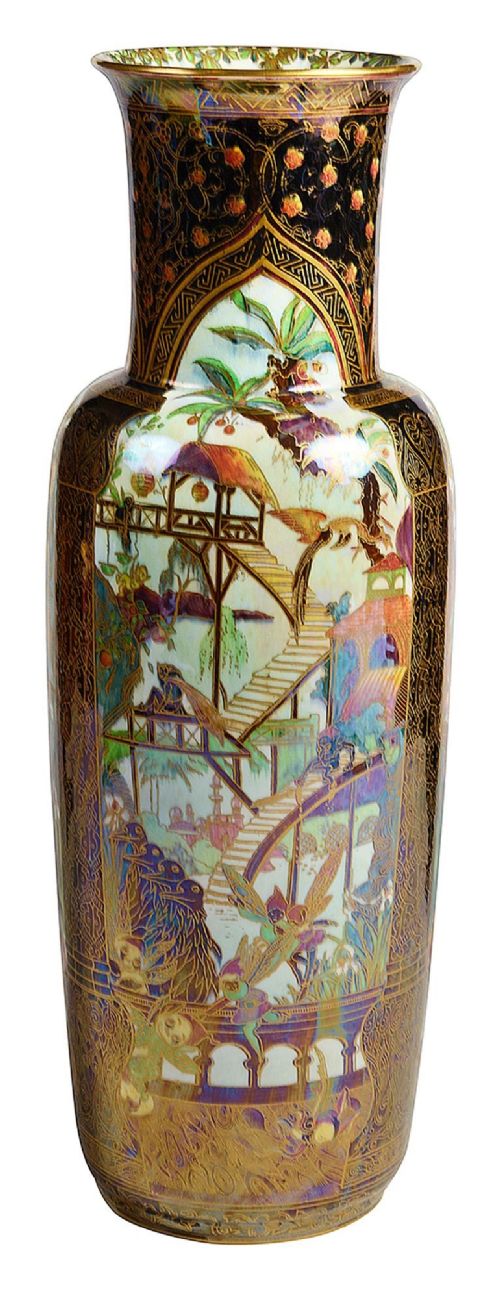
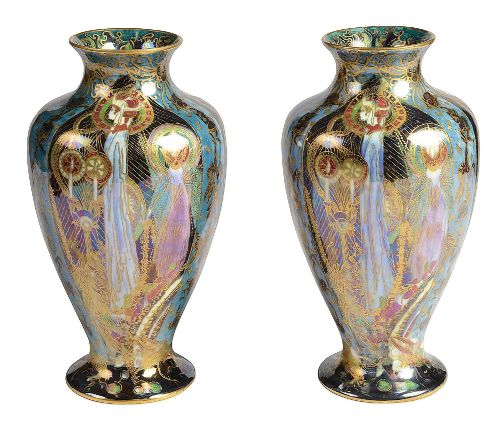
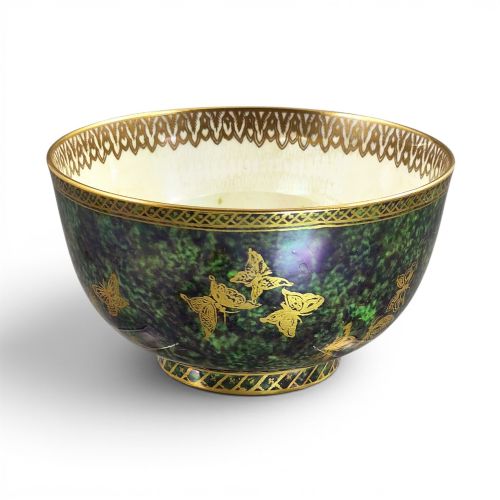
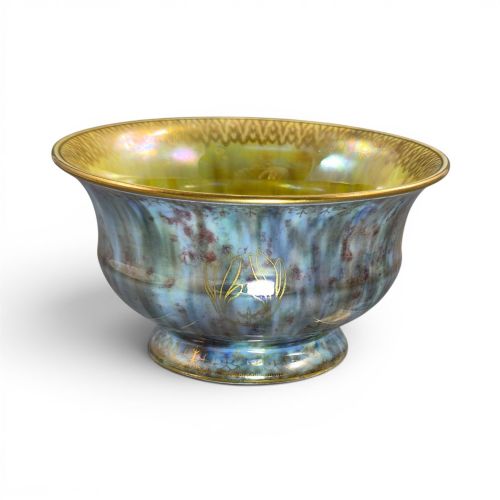
Art deco wedgwood objects comprise decorative bowls, vases, tableware, and lamps produced during the early decades of the twentieth century. These pieces reflect the shift from ornate Edwardian aesthetics towards cleaner lines and stylised motifs.
The selection here includes distinctive lustre glazed vessels and architectural forms shaped during the nineteen-thirties. Buyers encounter various utilitarian and ornamental objects spanning the Edwardian period through the nineteen-thirties.
How art deco wedgwood pieces were made
Potters utilised earthenware, bone china, and porcelain as the primary foundations for shaping bowls, vases, and figures. Artisans applied lustre glazes, enamel, and gold leaf to create shimmering iridescent surfaces.
Techniques involved complex surface painting alongside specialised kiln firings to fix metallic pigments and rich colour schemes. Craftsmen combined traditional throwing or moulding methods with modern industrial design inputs.
The listings show earthenware and porcelain forms decorated with gold leaf, enamel, and lustre glaze across the Edwardian and nineteen-thirties periods.
What varies in quality
Quality rests upon the complexity of the design execution and the vibrancy of the applied glaze layers. Pieces featuring intricate hand-painted mythological scenes or detailed lustre effects stand apart from simpler monochrome examples.
The precision of the moulding and the clarity of the signature marks further distinguish superior studio outputs. A well-balanced composition and careful integration of form and surface decoration elevate certain items above standard production runs.
Daisy Makeig-Jones·Keith Murray·John Skeaping
The Art Deco Wedgwood Glossary
- Lustre Glaze
- A ceramic finish containing metallic oxides that creates a pearlescent or iridescent sheen upon firing. This technique produces shifting colours when viewed in changing light.
- Bone China
- A type of soft-paste porcelain incorporating bone ash for enhanced strength and translucency. It permits thinner walls and a refined white body.
- Earthenware
- Porous pottery fired at lower temperatures, typically glazed to ensure water tightness. It forms the sturdy base for many colourful decorative wares.
- Gold Leaf
- Extremely thin sheets of beaten gold applied to ceramic surfaces for highlights. It adds a metallic contrast against rich enamel backgrounds.
Art Deco Wedgwood: Frequently Asked Questions
What is fairyland lustre?
Fairyland lustre is a distinctive range of decorative ceramics featuring fantastical subjects like elves, dragons, and ethereal landscapes.
These pieces use complex multi-stage glazing processes to achieve deep, magical colour gradients.
How do I date wedgwood pieces?
Dating relies on identifying specific backstamps, shape numbers, and the stylistic traits of particular designers.
Periods range from Edwardian outputs through nineteen-thirties modernist interpretations.
Where were these ceramics made?
These items were produced at the historic factories in Staffordshire, England.
Skilled modellers and painters worked within the established works to execute specific designer commissions.
How should I clean them?
Clean these delicate surfaces gently using a soft, dry cloth to remove dust.
Avoid immersing pieces with gold leaf or lustre glazes in water or using harsh chemical cleaners.