


Antique Low Seating
Antique low seating brings intimate scale and period character into a room, offering low-slung comfort crafted for Victorian and Edwardian interiors.
What antique low seating is
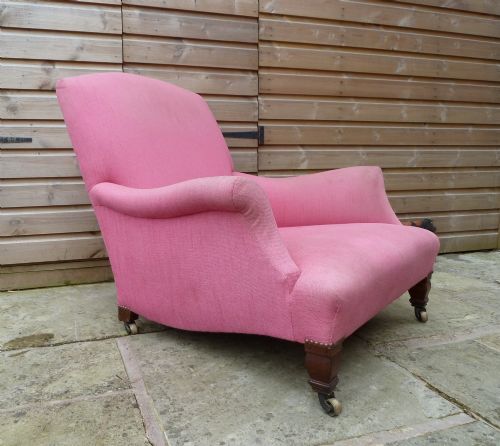
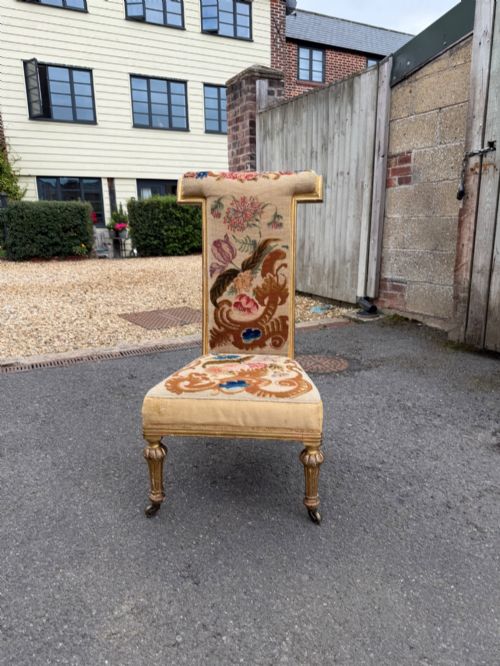
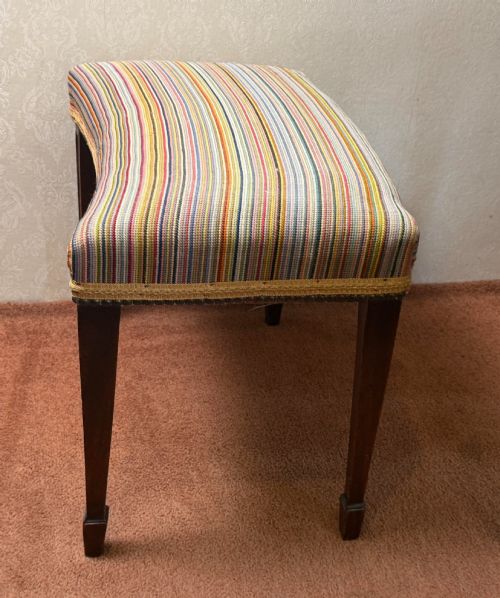
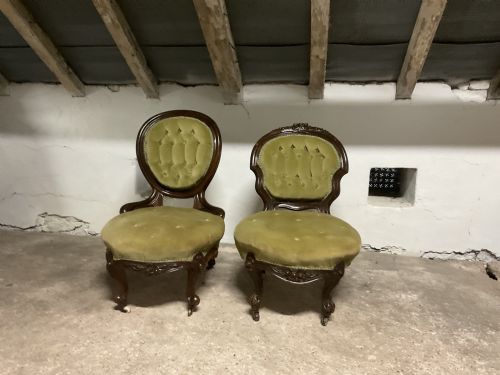
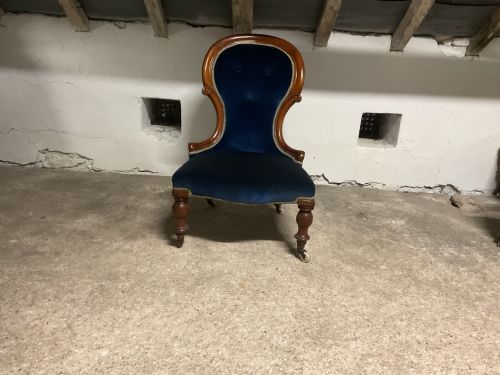
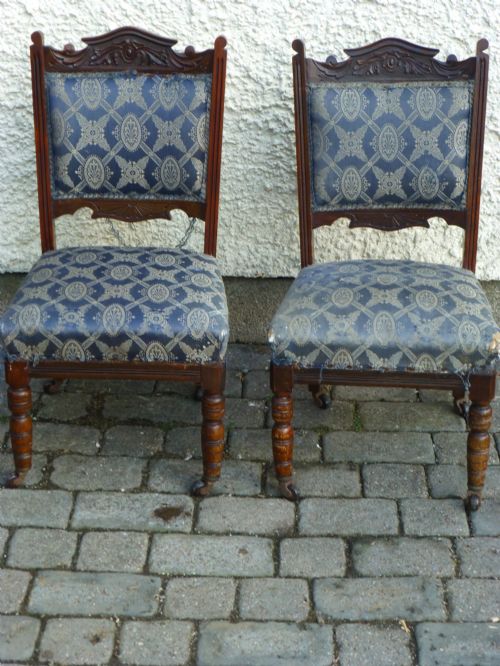
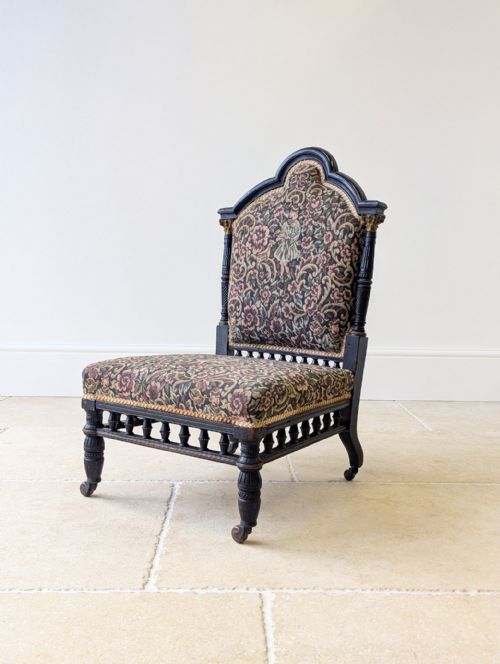
When you search for antique low seating, you encounter a specialised category of domestic furniture designed for intimate spaces and relaxed posture. The items span various forms from the Victorian and Edwardian eras, including nursing chairs, slipper chairs, accent chairs, and centre stools.
You are most likely to meet Victorian walnut nursing chairs and mid-nineteenth century slipper chairs on this page. These pieces offer compact proportions and low profiles, designed historically to sit close to the hearth or assist with attire.
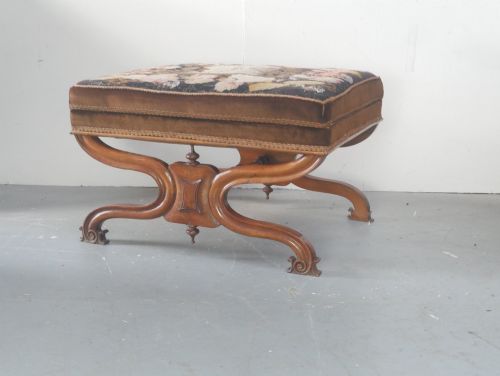
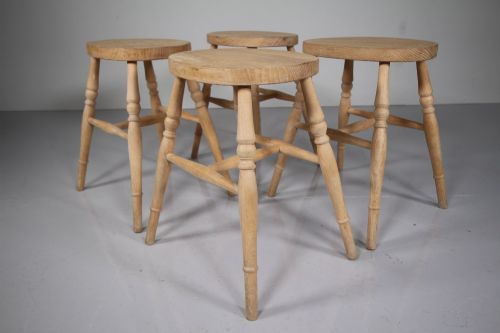
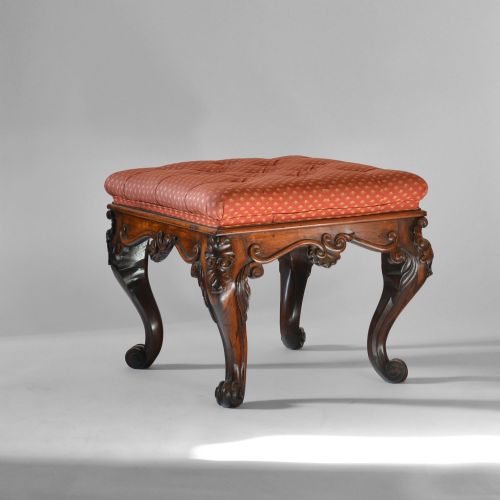
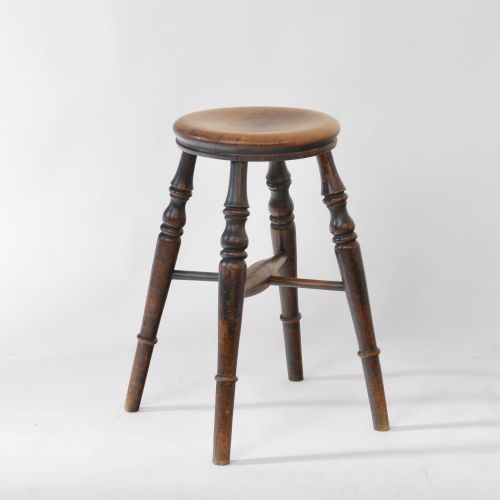
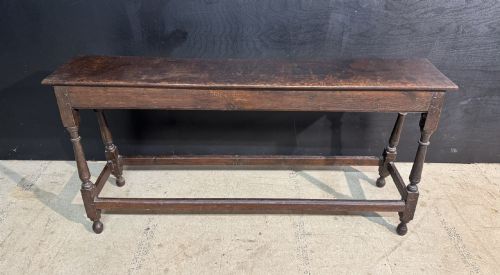
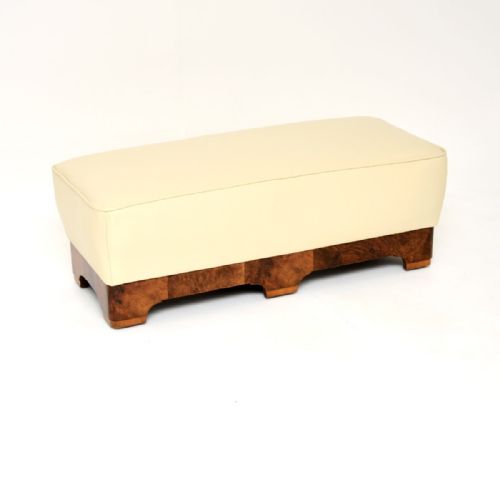
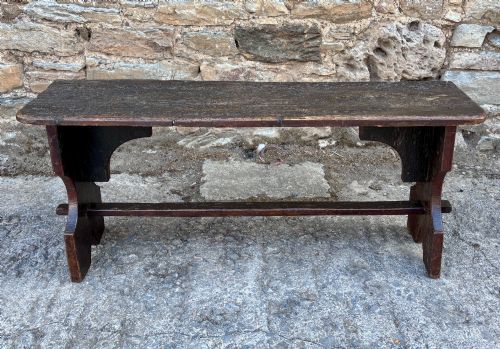
The selection also includes footstools, heavy oak stools with carved details, and painted Swedish stools. Each type reflects the domestic habits and decorative tastes of the nineteenth century, from ornate revival styles to austere painted surfaces.
How antique low seating was made
Carpenters and cabinet makers utilised dense timbers such as walnut, mahogany, and oak to build sturdy internal frames for these low forms. Structural joints relied on traditional woodworking techniques to support the heavy loads placed upon low-slung frames.
Upholstery formed a central part of the construction, utilising linen, velvet, and various upholstery fabrics stretched over stuffing materials. Metal springs, brass fittings, and hand-carved wooden details like lion heads completed the construction of these decorative seats.
Retail Price Guide 2026
Typical UK retail prices for low seating, calculated from the Sellingantiques database of over a million retail prices indexed since 2003. This retail price guide relies exclusively on Sellingantiques data; no external sources or auction records are used, so the figures do not describe the wider market.
Listings feature items from the Victorian and Edwardian periods, constructed in walnut, mahogany, oak, and brass.
What varies in quality in antique low seating
Quality in these pieces is dictated by the integrity of the timber frame and the sophistication of the woodworking. The best examples display crisp carving, such as detailed lion heads, and use superior hardwoods like walnut rather than secondary softwoods.
The handling of upholstery and textiles also separates standard items from finer examples. Superior pieces retain well-executed traditional stuffing methods and high-grade textile coverings that complement the period of the wooden frame.
Gillows·Hindley & Sons
The Antique Low Seating Glossary
- Nursing chair
- A low-backed Victorian chair traditionally designed to allow women to nurse infants comfortably while seated close to the ground.
- Slipper chair
- An upholstered bedroom chair with very short legs designed for sitting while putting on shoes or stockings.
- Centre stool
- A freestanding stool intended to sit in the middle of a room rather than against a wall, often finished on all sides.
- Gustavian
- A Swedish neoclassical design style characterised by light painted finishes and restrained ornamentation, popular during the nineteenth century.
Frequently Asked Questions
What is an antique nursing chair?
A nursing chair is a low-slung Victorian seat designed with a shortened frame to facilitate infant care near the hearth.
These pieces feature supportive upholstered backs and compact proportions suited to bedroom and parlour use.
How do I use a slipper chair?
Slipper chairs function well as accent seating in bedrooms and dressing rooms where low furniture suits the scale.
Their compact height makes them useful for casual seating without dominating a room's floor plan.
What defines Edwardian stools?
Edwardian stools often incorporate heavier carved wooden elements, such as lion heads, reflecting the revival tastes of the early twentieth century.
They combine robust oak construction with functional low forms for domestic use.
How do I identify Victorian seating?
Victorian seating is typically identified through the use of dark hardwoods like walnut and mahogany, alongside revival decorative motifs.
Construction methods from this period include dense frame joinery and traditional fabric upholstery.