
Antique Low Seating Stool
An antique low seating stool brings low-level utility and period character to a room, ranging from robust country timber to formal upholstered designs.
Antique Low Seating Stool
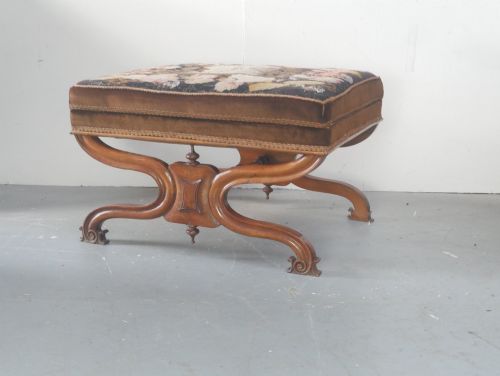
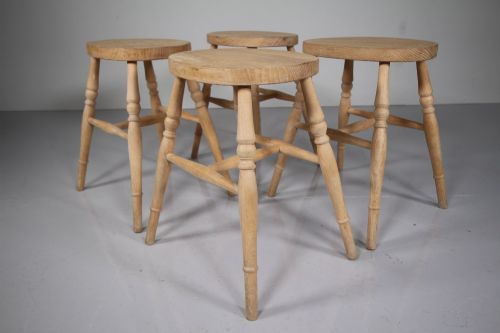
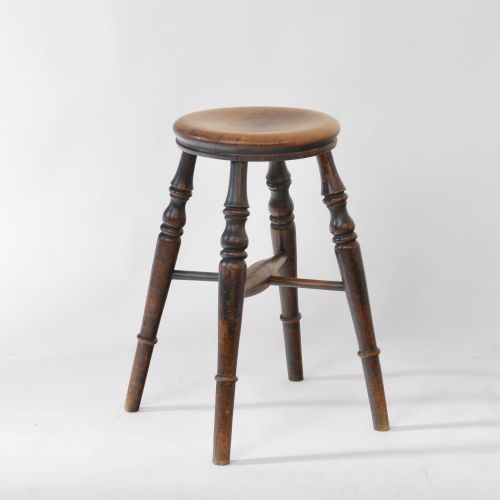
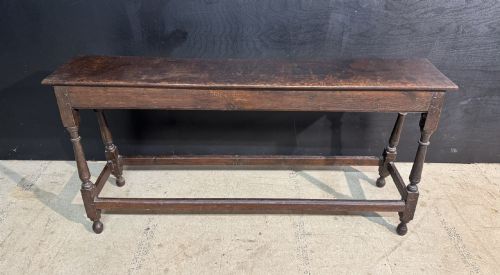
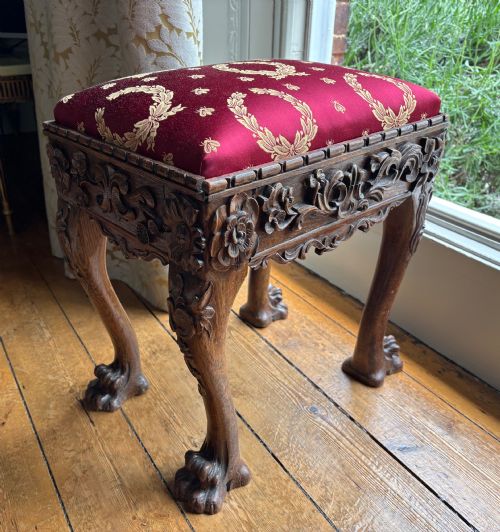
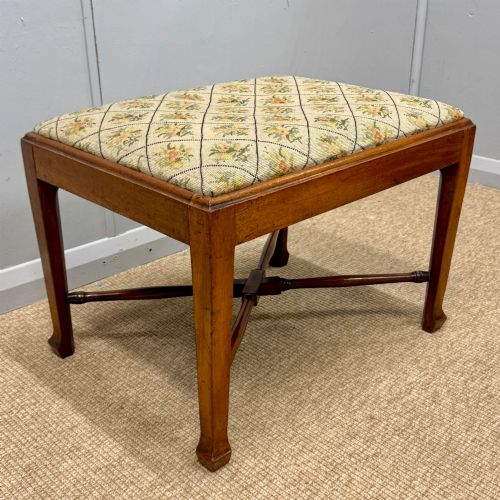
An antique low seating stool covers a broad spectrum of domestic and vernacular forms, including milking stools, joint stools, dressing table stools, and hearth stools. You will encounter robust country timber pieces alongside formal walnut and mahogany examples shaped by various historical periods.
The selection spans centuries of regional and stylistic output, featuring examples from Georgian, Victorian, and Edwardian eras, as well as continental and Eastern European origins. These items served functional roles beside the hearth, at the dressing table, or in the tavern, resulting in diverse proportions and structural forms.
How they were made
Maker construction relies heavily on native hardwoods such as oak, mahogany, walnut, elm, and sycamore, often joined with traditional pegged or turned framing. Upholstered variants incorporate textiles, needlework, fabric, and wool secured over padded frames.
Surface treatment ranges from exposed grain and original paint finishes to gilded or ebonised details. Joinery techniques vary from simple vernacular legs wedged into solid seats to complex cabriole legs and cross stretchers.
One listed milking stool makes do with a single leg, requiring the user to supply the remaining balance.
What varies in quality
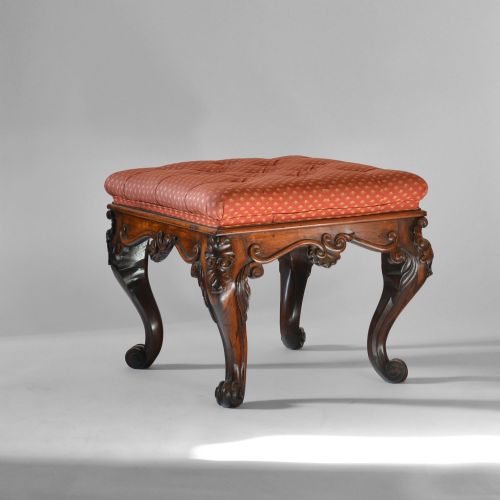
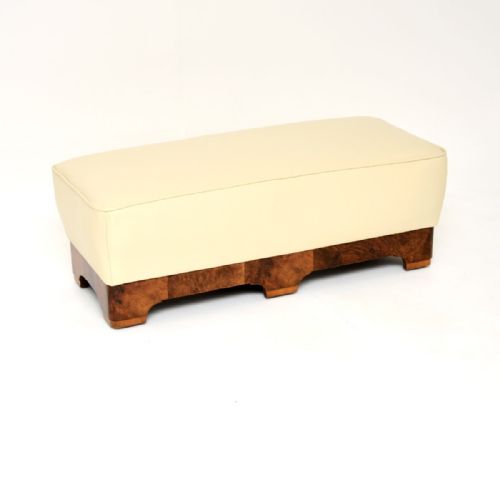
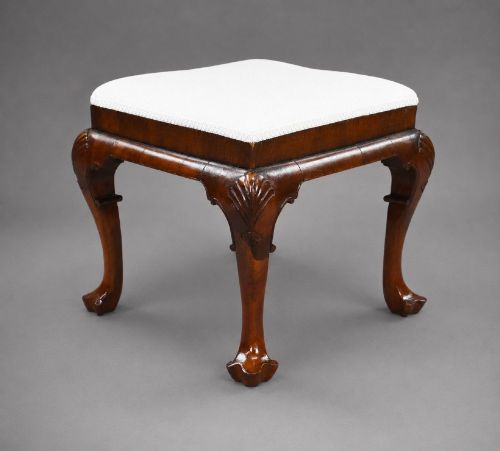
The distinction between tiers rests upon timber selection, structural integrity, and the sophistication of the carving or turning. Finer examples display harmonious proportions, superior wood figures such as burl or oyster veneer, and refined leg profiles like cabriole or square tapering forms.
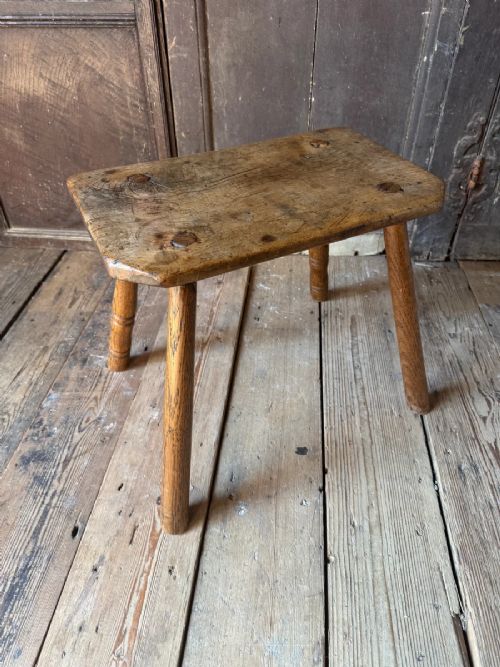
Vernacular pieces derive their merit from undisturbed original surfaces, such as early paint layers, and honest signs of prolonged utility. Standard production items often show simpler lathe work and more utilitarian timber choices without decorative refinement.
Harry and Lou Epstein
The Antique Low Seating Stool Glossary
- Joint stool
- A sturdy wooden stool constructed with mortise and tenon joints, common in early domestic interiors. These pieces usually feature rectangular tops and turned or straight legs.
- Milking stool
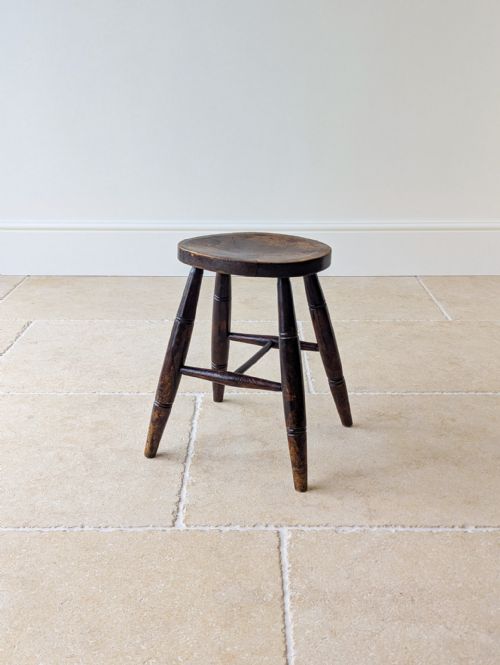
- A simple, low utilitarian seat, frequently with three legs for stability on uneven agricultural floors. They often employ vernacular woods like sycamore, ash, or pine.
- Cabriole leg
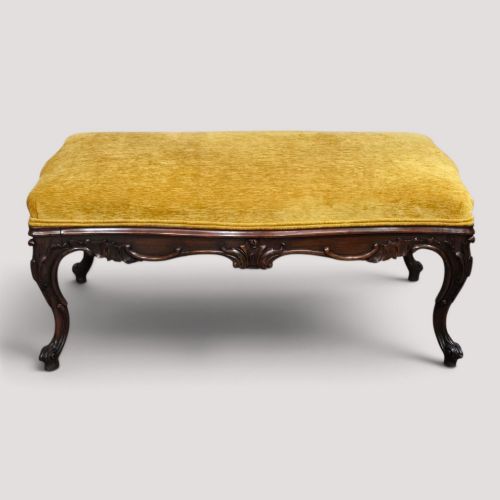
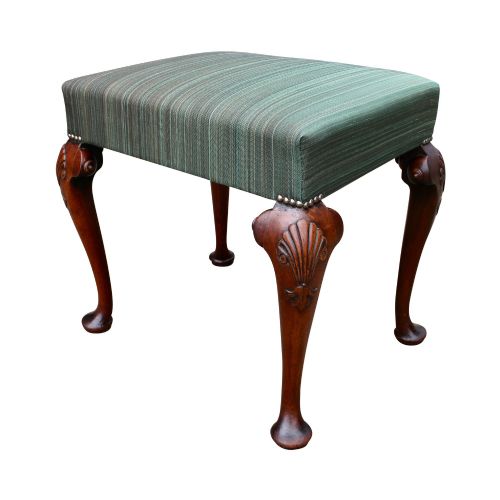
- A furniture leg that curves outward and then tapers inward, inspired by the shape of an animal leg. This form appears frequently on finer walnut and mahogany dressing stools.
- Cross stretcher
- An interconnecting set of wooden bars running between the legs of a stool to provide structural support. They often feature central bosses or decorative turnings.
- Needlework seat
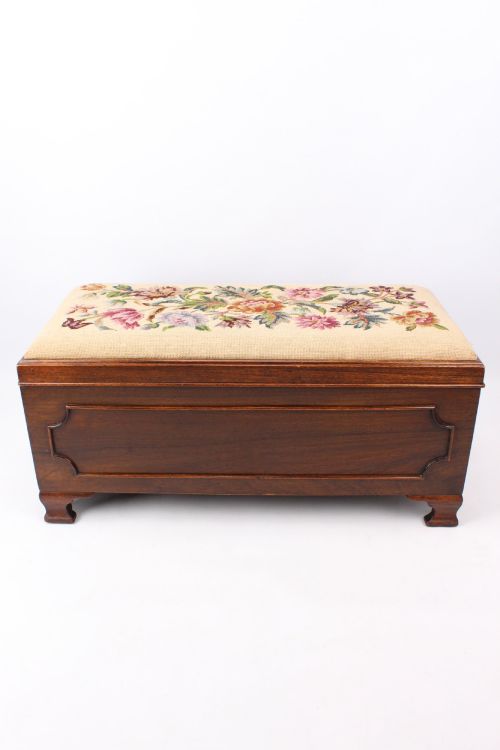
- A top surface covered in hand-stitched canvas embroidery, typically utilising wool or silk threads. These textiles add colour and texture to mahogany and walnut frames.
Antique Low Seating Stool: Frequently Asked Questions
What is a joint stool?
A joint stool is an early wooden seat built with pegged mortise and tenon joinery rather than glued joints. These sturdy items were used for various household seating needs.
They typically date from earlier periods and exhibit solid oak construction with heavy turned legs connected by low stretchers.
How were milking stools used?
Milking stools were designed for agricultural workers to sit upon while tending to livestock in barns or fields. Their simple construction prioritized portability and balance.
Most feature three legs so the seat remains stable on uneven earthen floors, often fashioned from native timbers like sycamore, ash, or pine.
Where do dressing table stools fit?
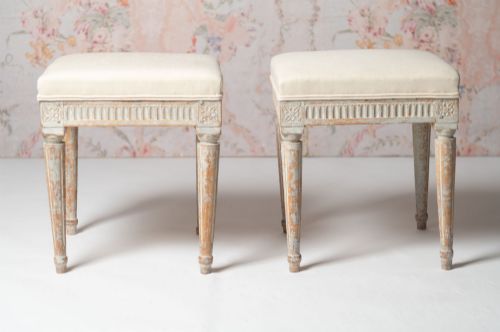
Dressing table stools function as low seats positioned in front of bedroom mirrors for grooming routines. They frequently match the decorative style of the associated vanity table.
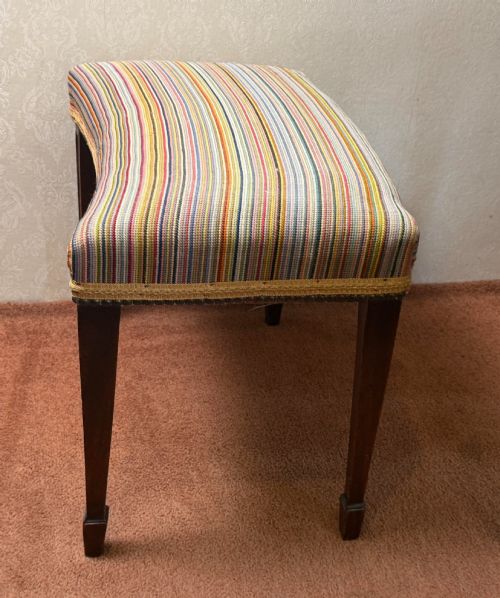
These pieces often incorporate upholstered tops using fabric, needlework, or leather, supported by walnut, mahogany, or rosewood frames with cabriole legs.
How do I identify a vernacular stool?
Vernacular stools are identified by their regional, non-standard designs built by local carpenters rather than high-style cabinetmakers. They rely on available local timbers and practical construction methods.
Examples include primitive milking seats, tavern stools, and plain pine or elm forms that display straightforward utility over fashionable ornamentation.
What is a hearth stool?
A hearth stool is a low, extended seating piece placed near an open fireplace for warming or resting close to the fire. Their low profile kept occupants beneath rising drafts.
They often feature upholstered tops designed for comfort, sometimes utilising needlepoint or heavy woolen textiles across substantial wooden frames.