


Walnut Ottoman Stool
A walnut ottoman stool brings practical luxury and traditional craftsmanship to any room, offering versatile seating with hidden depth.
Walnut Ottoman Stool
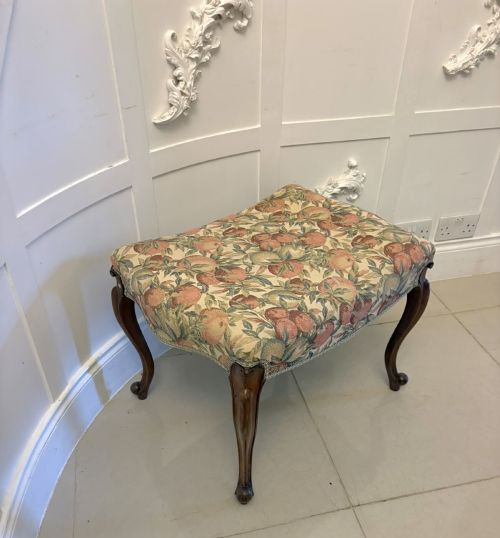
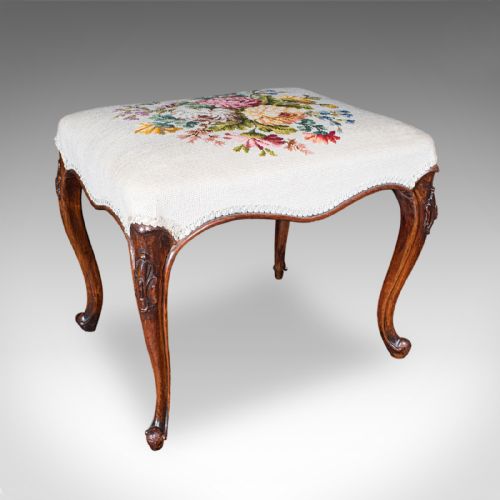
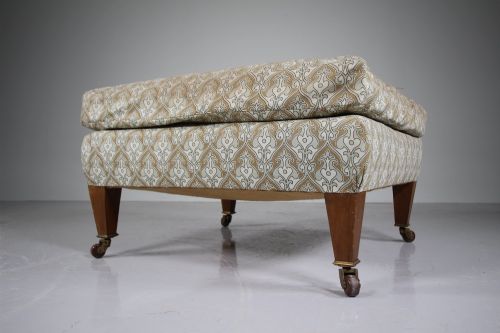
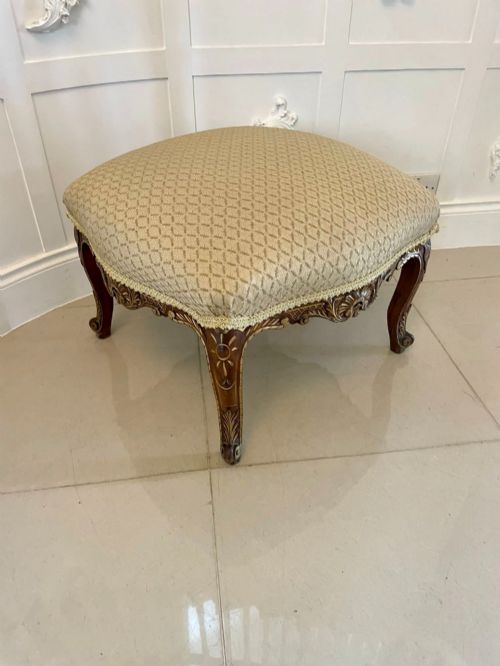
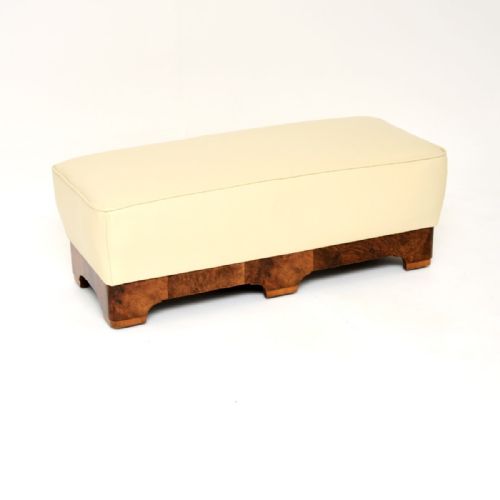
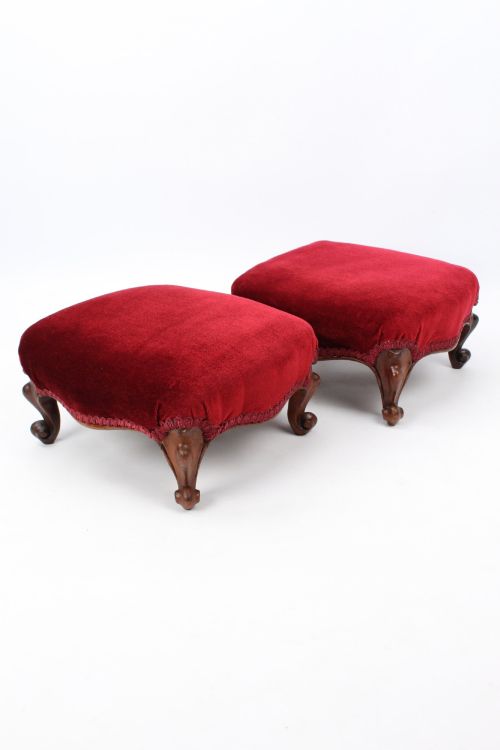
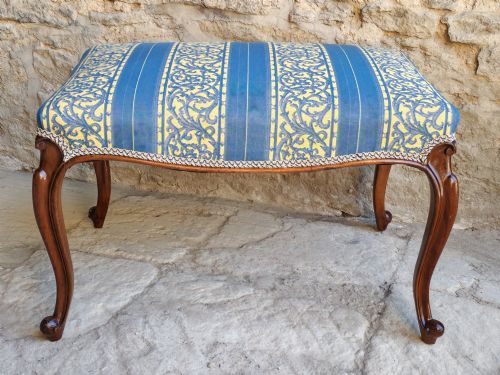
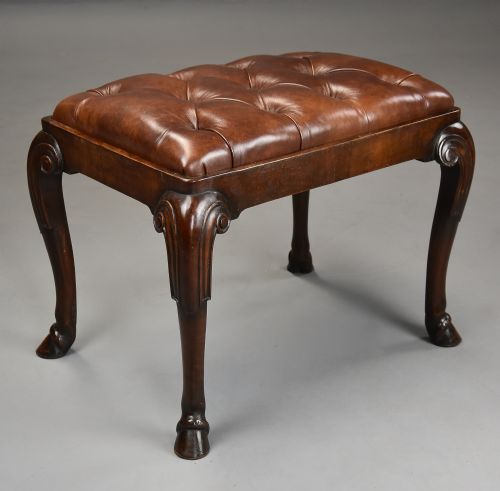
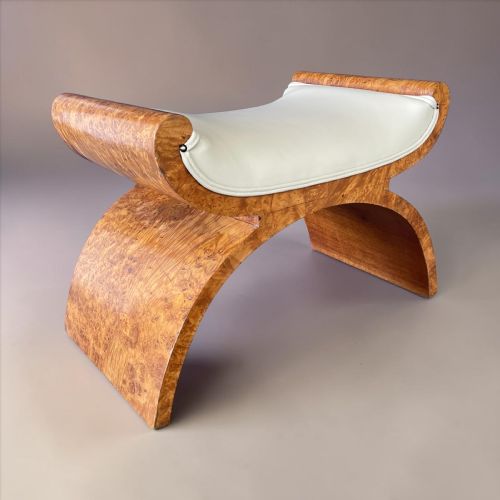
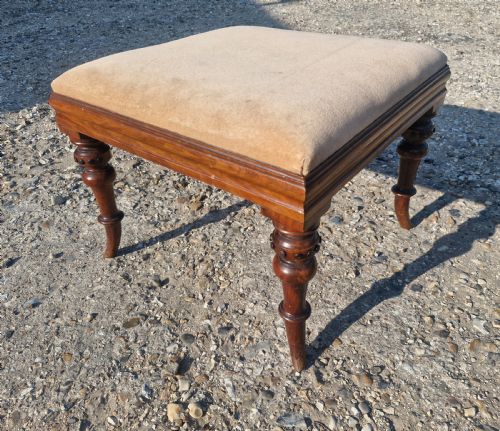
A walnut ottoman stool combines the supportive frame of a traditional seat with the concealed storage or generous proportions characteristic of an ottoman. Buyers encounter various forms on this page, ranging from low Victorian footstools and window seats to box stools and Art Deco dressing seats.
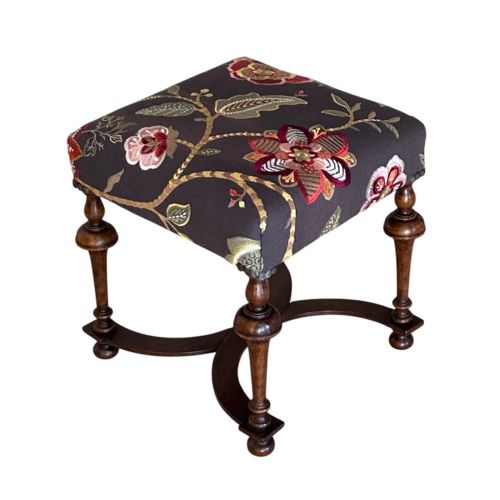
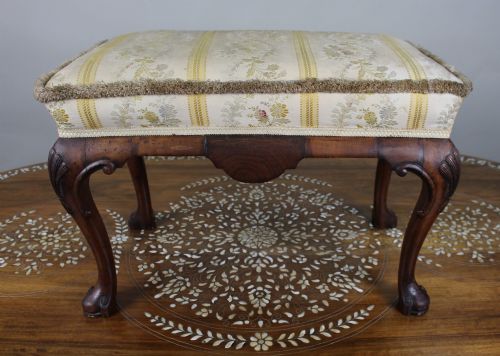
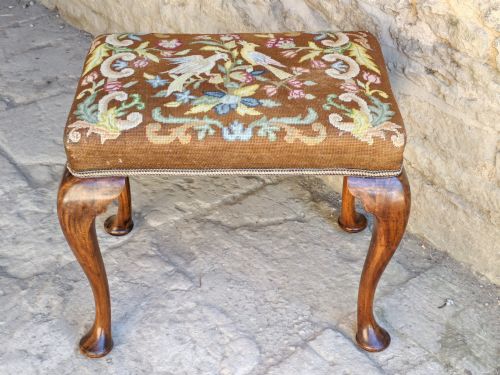
The materials and styles span multiple periods, with Victorian and nineteenth-century examples appearing frequently alongside later Art Deco designs. Pieces often feature upholstered tops in leather, velvet, needlepoint, or tapestry, supported by exposed timber frames.
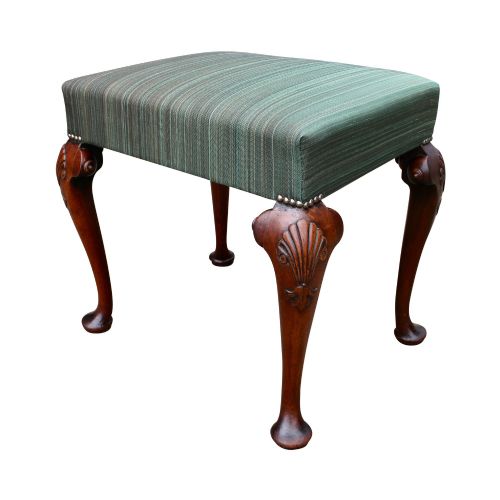
Origins include English workshops and continental makers, incorporating revivalist movements like Queen Anne style and Scottish Baronial alongside streamlined twentieth-century modernism.
Materials and construction methods
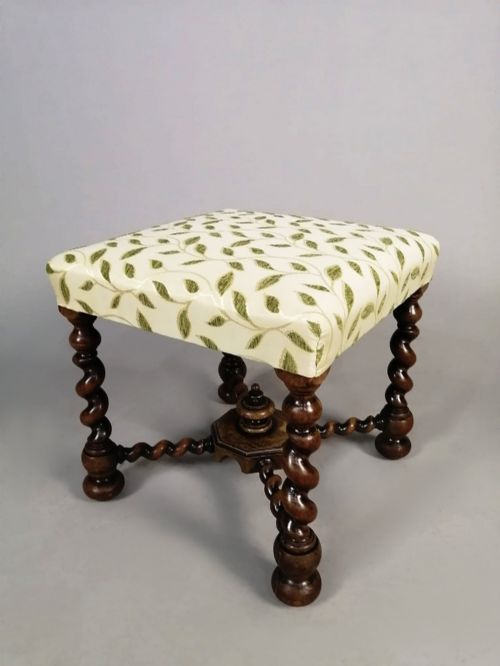
Makers utilised solid walnut and burr walnut veneer for the primary frames, applying intricate carving, barley-sugar turning, or inlay to enhance the timber. Burr walnut surfaces display rich, swirling grain patterns achieved by slicing through decorative tree growths.
Upholstery techniques varied from traditional horsehair stuffing and buttoning to needlework and textile coverings secured with brass detailing. Frames often incorporated cabriole legs, X-frame supports, or hinged boxes designed for linen and storage.
Walnut Ottoman Stool Retail Price Guide 2026
Typical asking prices for walnut ottoman stool among the pieces listed under this phrase on Sellingantiques today, from the lower quarter to the upper quarter. They describe what is for sale here now, not the wider market.
Some nineteenth-century versions double as Canterbury storage boxes, ensuring your piano room remains suitably tidy.
Distinctions in craftsmanship
The integrity of the internal frame and the preservation of original or sympathetic upholstery materials heavily influence the overall standard. Pieces retaining hand-dyed leather, period tapestry, or specialist maker attribution represent the upper tier of the range.
Harry and Lou Epstein
The Walnut Ottoman Stool Glossary
- Burr walnut
- A figured timber harvested from tree growths, prized for its swirling, decorative grain patterns on cabinet work and stool frames.
- Cabriole leg
- A furniture leg featuring a double curve, typically arching outward and tapering inward to a pad or scroll foot.
- Ottoman
- A low upholstered seat or bench, often featuring a hinged lid concealing an internal storage compartment for textiles.
- Needlepoint
- A form of counted thread embroidery traditionally used to cover Victorian footstool tops with intricate floral or geometric designs.
- Canterbury stool
- A multifunctional furniture piece combining a low seat with partitioned sections for holding sheet music or books.
Walnut Ottoman Stool: Frequently Asked Questions
What is a walnut ottoman stool used for?
These pieces function primarily as low seating, footrests, or impromptu coffee tables depending on their height and top surface. Many variations include a concealed interior compartment originally intended for storing blankets, linen, or sheet music.
The sturdy construction allows them to double as window seats or dressing stools within domestic spaces. Their decorative timber frames mean they sit comfortably as standalone accent items in a room.
How do I identify a Victorian walnut ottoman?
Victorian examples typically exhibit dark walnut framing, cabriole legs, or elaborate hand-carved ornamentation. Look for traditional upholstery methods including buttoned leather, tapestry, or needlework tops.
Many of these nineteenth-century pieces incorporate hinged box bases designed for storage. The timber often shows a rich, warm patina developed through decades of handling and wax polishing.
Are Art Deco walnut stools different?
Art Deco versions showcase streamlined forms, symmetrical veneered patterns, and polished burr walnut surfaces. They frequently serve as dressing or piano stools, occasionally featuring built-in storage drawers rather than deep trunk compartments.
These twentieth-century designs abandon Victorian ornamentation in favor of clean geometric lines. Makers such as Harry and Lou Epstein defined this aesthetic through high-grade timber selection.
How do I care for antique walnut furniture?
Protect the timber by keeping stools away from direct sunlight and sudden temperature fluctuations that can dry out the wood. Regular dusting with a soft, dry cloth maintains the finish without stripping the historical patina.
Apply a quality beeswax polish sparingly to nourish the walnut grain. Avoid commercial liquid cleaners containing silicone or harsh solvents.