


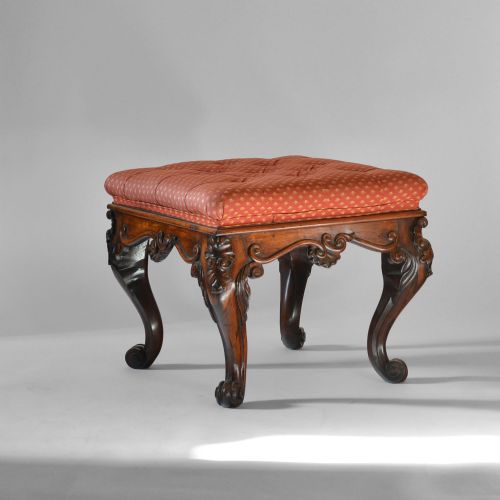
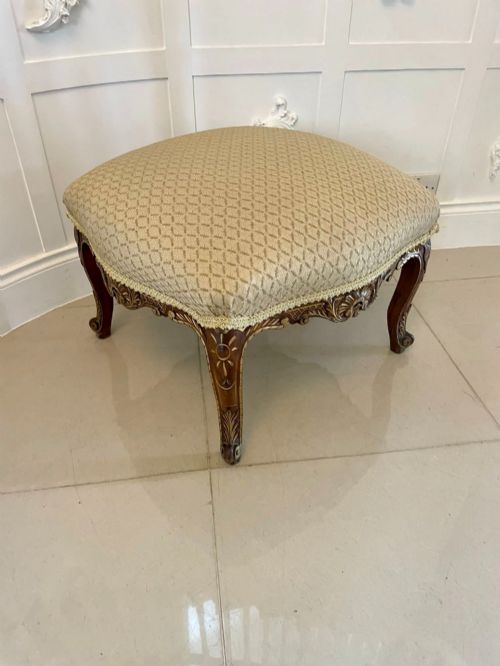
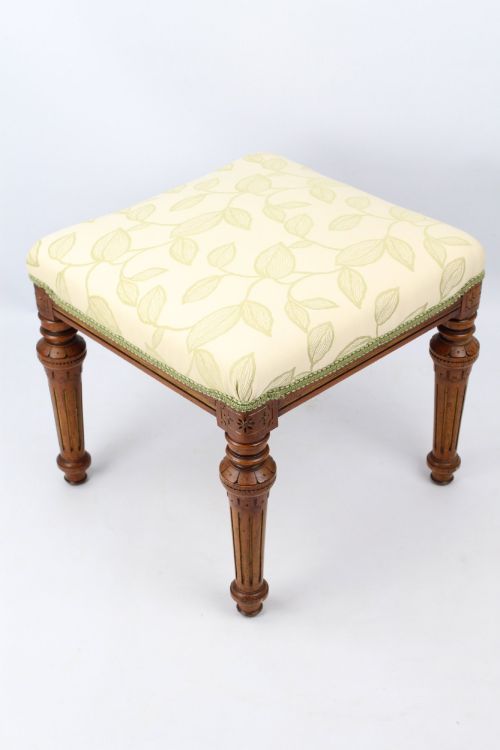
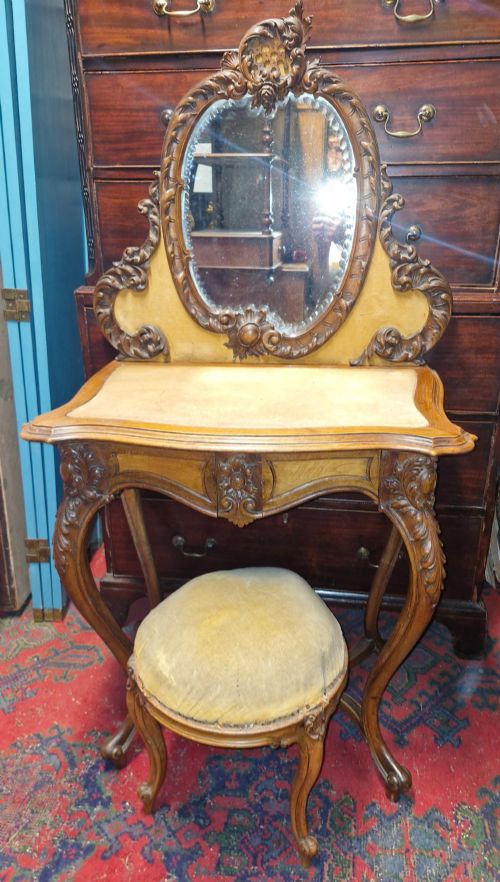
Victorian Carved Dressing Stool
These pieces of furniture bring a Victorian carved dressing stool into a bedroom or dressing room, offering low seating designed for personal grooming.
Victorian Carved Dressing Stool
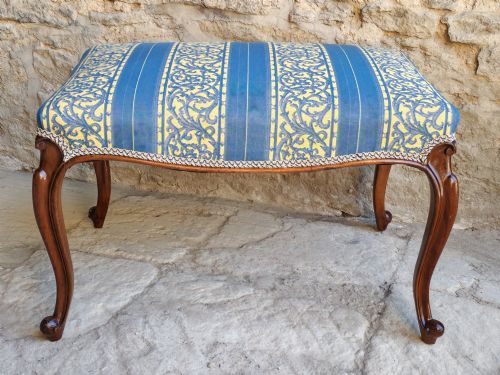
A victorian carved dressing stool is a compact, low seat intended for placement beside a dressing table. The form appears primarily across the nineteenth century, including specific decades such as eighteen fifty, eighteen sixty, eighteen seventy, eighteen eighty, and nineteen hundred, alongside earlier Regency examples.
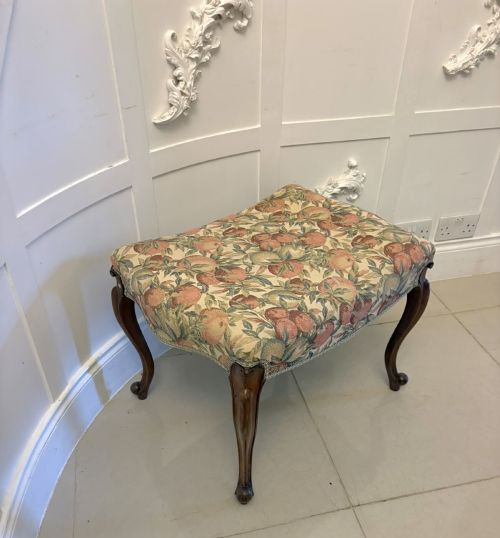
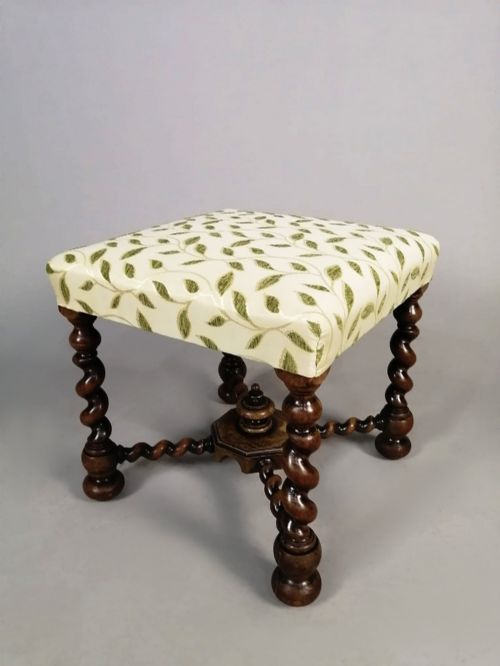
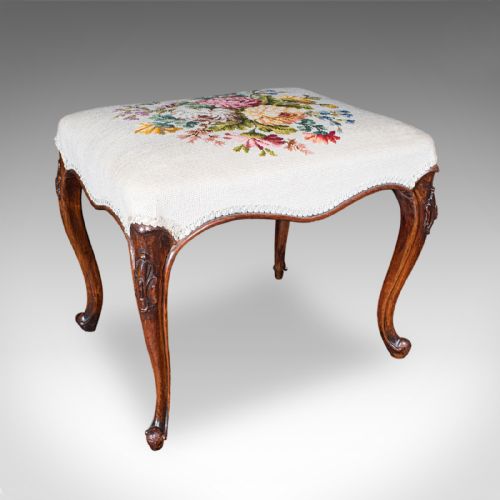
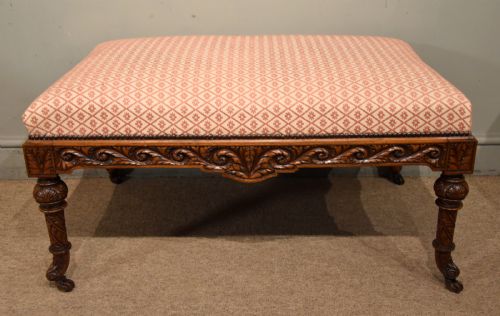
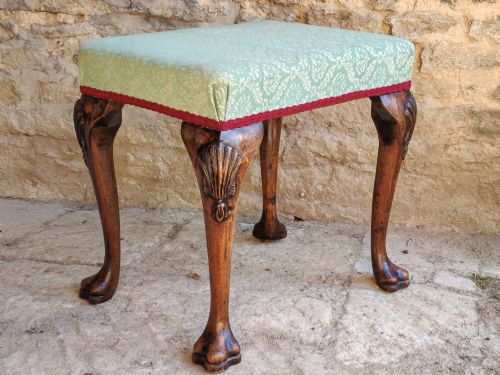
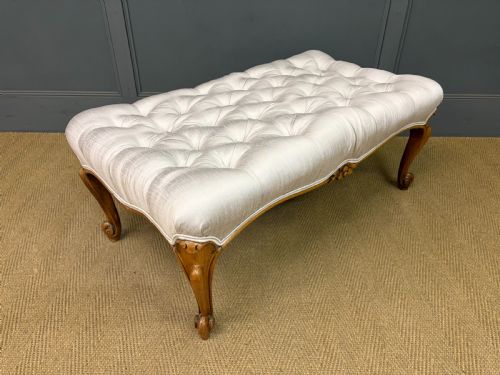
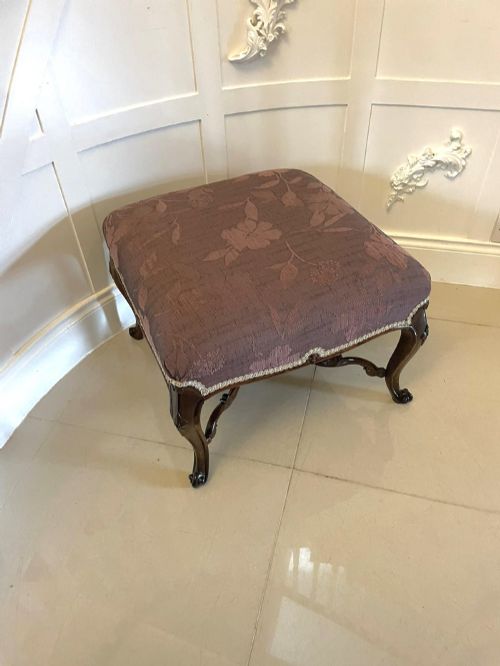
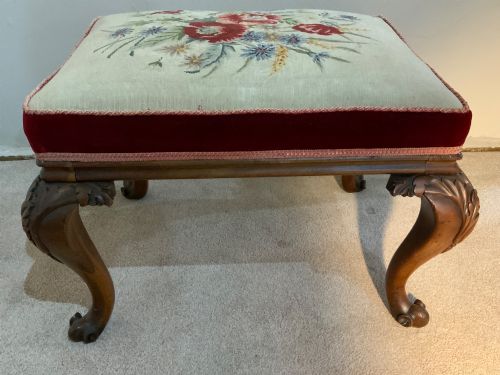
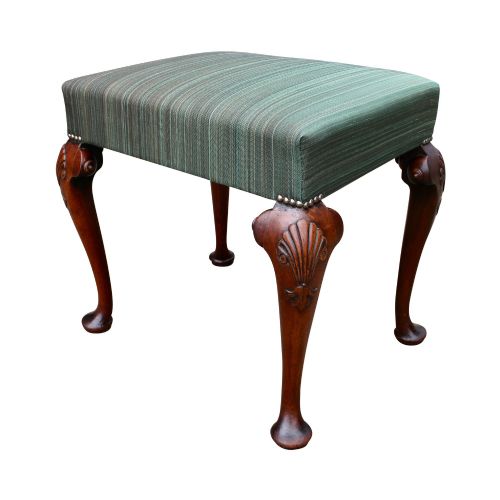
Buyers will encounter various timber frames and upholstery types on this page. Common configurations include rectangular or oval seats supported by carved wooden legs, often featuring cabriole forms or spiral turnings.
The objects serve primarily as dressing table seats, footstools, or salon stools. They bridge functional bedroom furniture and decorative seating through varied stylistic revivals.
How they were made
Cabinet makers built the structural frames from dense hardwoods. Walnut, mahogany, and rosewood predominate, while burr maple, oak, goncalo alves wood, and gilt accents appear in specific pieces.
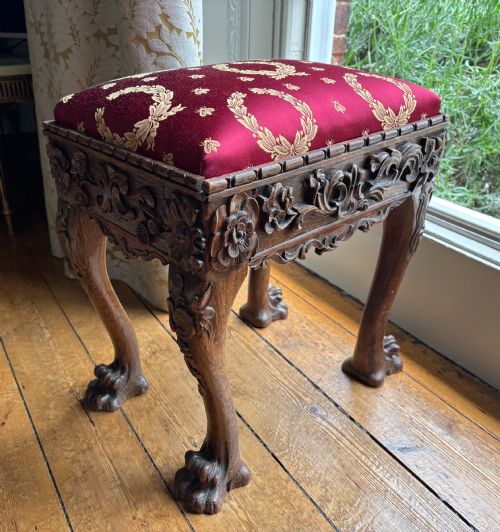
Carving defines the ornamentation, rendered by hand across frames and cabriole legs. Upholstery methods secure fabric, velvet, leather, textile, or needlepoint over padded seats, sometimes incorporating brass hardware or adjustable mechanisms.
Victorian Carved Dressing Stool Retail Price Guide 2026
Typical asking prices for victorian carved dressing stool among the pieces listed under this phrase on Sellingantiques today, from the lower quarter to the upper quarter. They describe what is for sale here now, not the wider market.
Listings span the nineteenth century, including specific years from eighteen thirty to nineteen hundred, alongside Regency pieces.
What varies in quality
The crispness and depth of the timber carving set superior examples apart. Finely sculpted cabriole legs and detailed foliage motifs demonstrate a higher standard of craftsmanship than plain or mechanically finished surfaces.
The choice of primary timber and secondary framing timbers dictates structural integrity. Dense woods like rosewood and figured walnut indicate better material selection than standard domestic equivalents.
The Victorian Carved Dressing Stool Glossary
- Rococo Revival
- A nineteenth century decorative style characterised by asymmetrical scrolls, naturalistic flower carving, and curved outlines. It draws inspiration from earlier French court aesthetics.
- Goncalo Alves
- A dense, exotic tropical hardwood displaying striking dark brown and light brown contrasting grain patterns. It provides a heavy, durable frame for nineteenth century seating.
- Needlepoint
- A form of canvas work embroidery utilising wool or silk yarn to create dense decorative patterns. It frequently covers the upper surfaces of Victorian footstools and dressing seats.
- Spiral carved
- A decorative turning technique where the timber shaft twists in a continuous helical rope pattern. This detail appears on walnut and oak frames.
Victorian Carved Dressing Stool: Frequently Asked Questions
Where did people use a dressing stool?
These low seats sat directly in front of bedroom dressing tables or vanities. They provided stable, comfortable seating during hair styling and morning preparation.
Their compact proportions allowed them to slide neatly underneath dressing tables when not in use, saving space in nineteenth century chambers.
How do I identify a Victorian stool?
Look for dense hardwoods like walnut or rosewood paired with characteristic nineteenth century revival styles. Turned or cabriole legs and hand-carved floral motifs help confirm the period.
Upholstery materials such as needlepoint or velvet, even when renewed, often accompany traditional frame constructions from this era.
Are these stools comfortable for daily use?
The low height and padded upholstery make them well-suited for short periods of sitting at a mirror. Their primary function historically related to grooming tasks rather than lounge seating.
Modern users frequently employ them as versatile accent seats or low footstools in living spaces as well as bedrooms.
What styles are common on these stools?
Makers drew upon historical design idioms, resulting in Queen Anne, Chippendale, and William and Mary revivals. Rococo Revival forms with curving lines also appear frequently.
Anglo-Indian pieces introduce distinct regional carving traditions applied to standard nineteenth century furniture forms.