

Antique London Table Clock
An antique london table clock brings the precision of the capital's historic workshops into a room, offering both mechanical interest and steady presence.
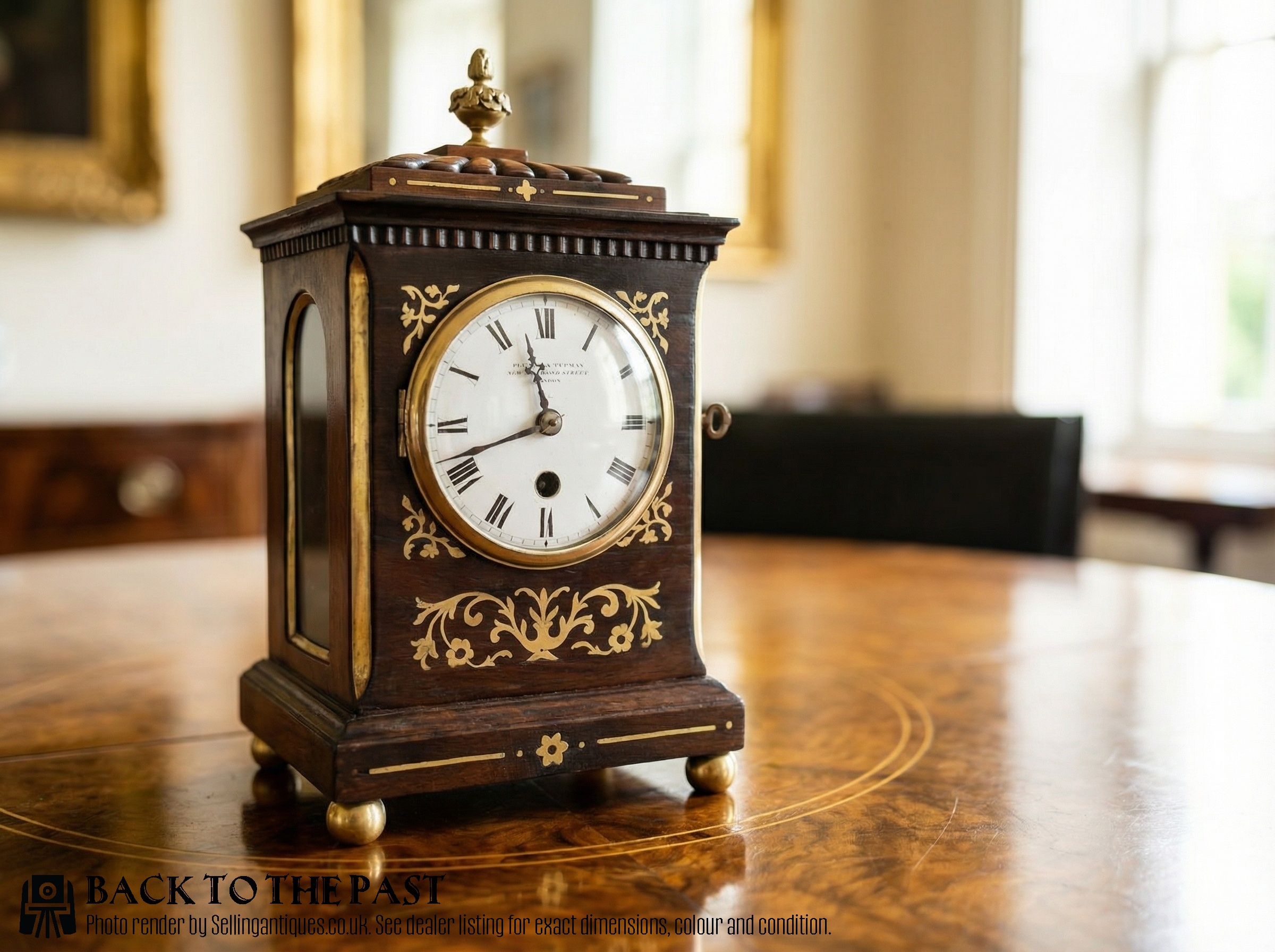
Antique London Table Clock
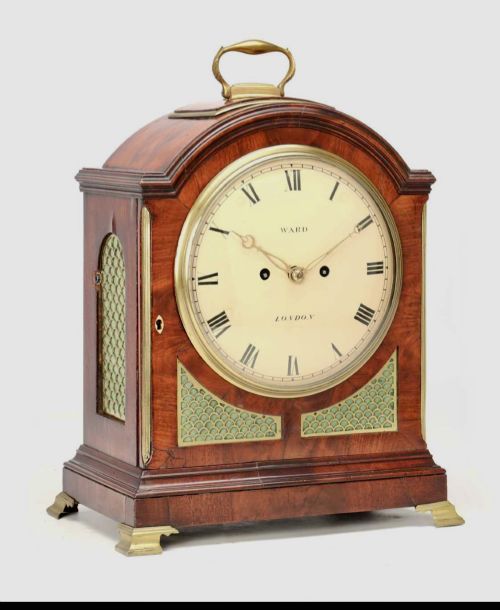
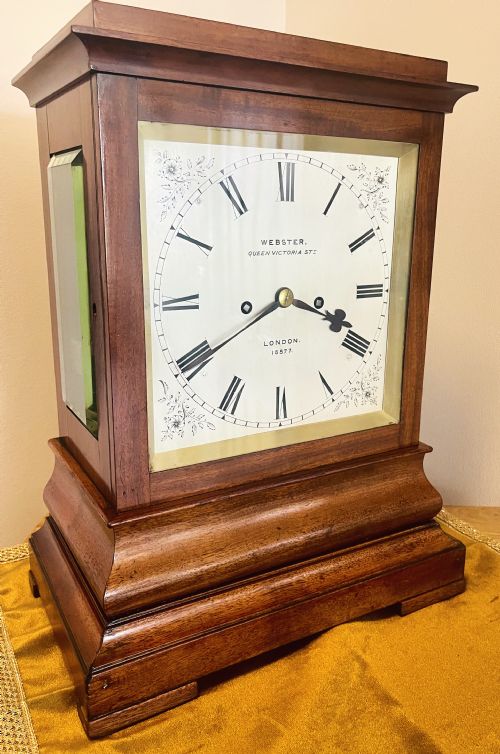
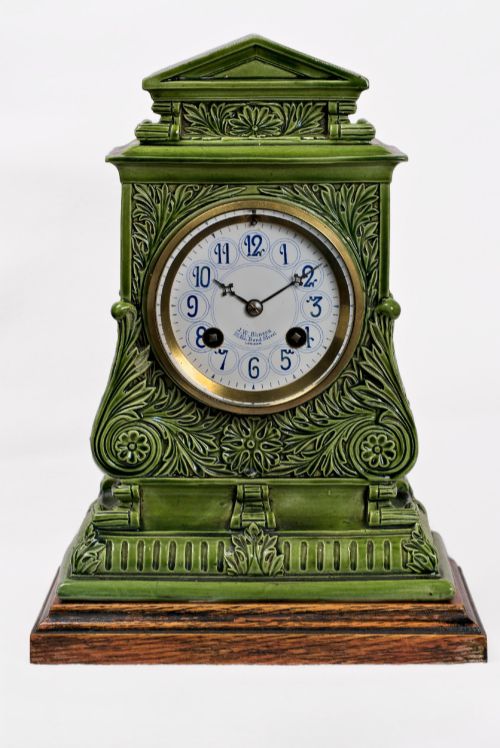
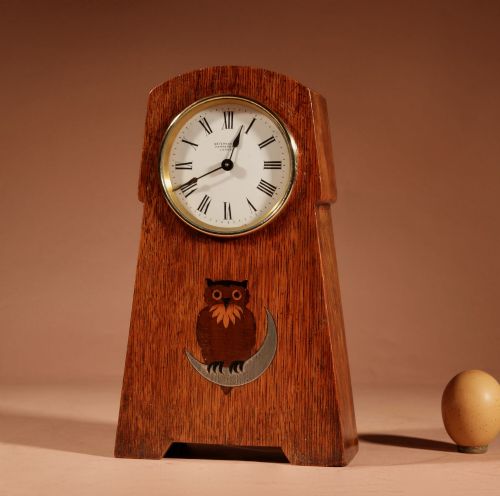
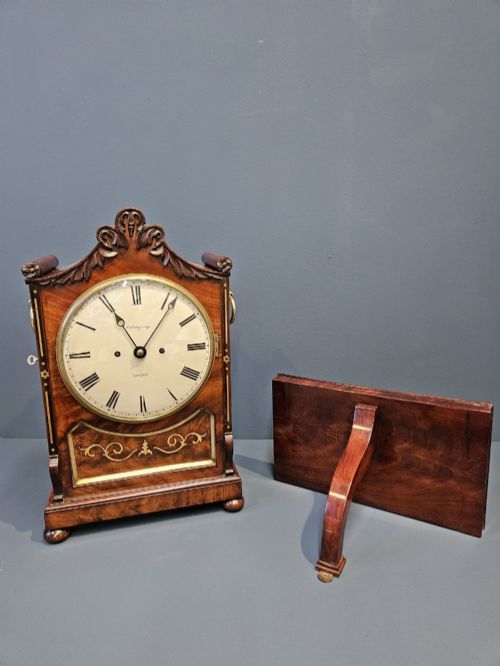
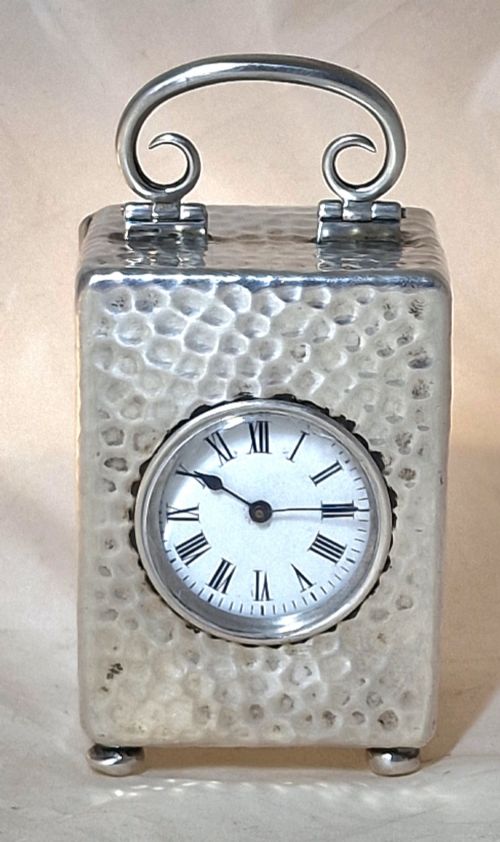
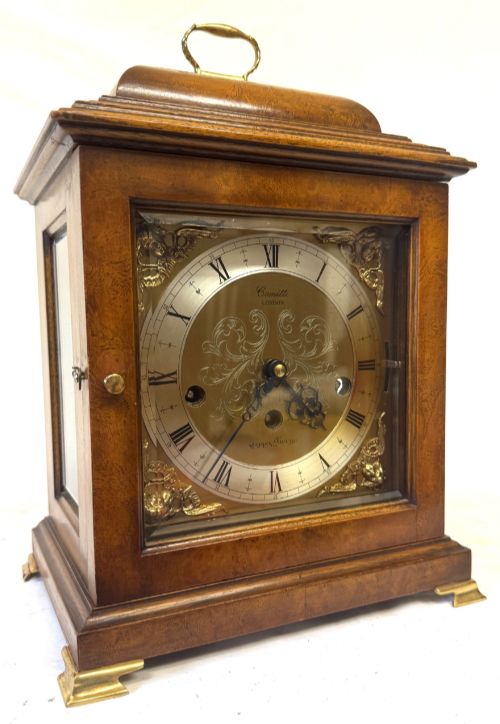
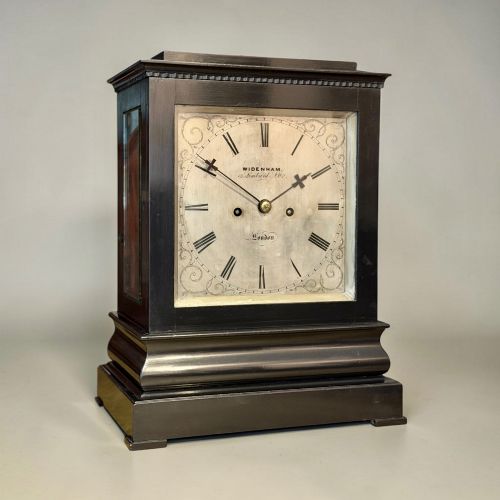
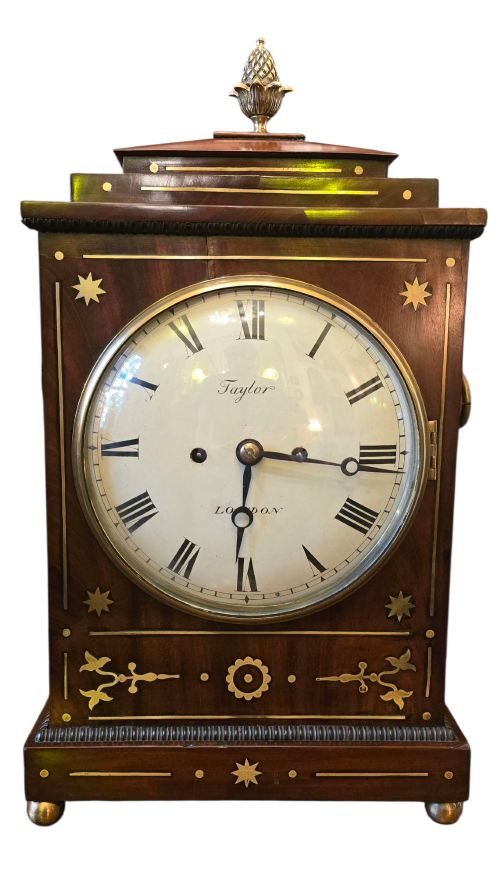
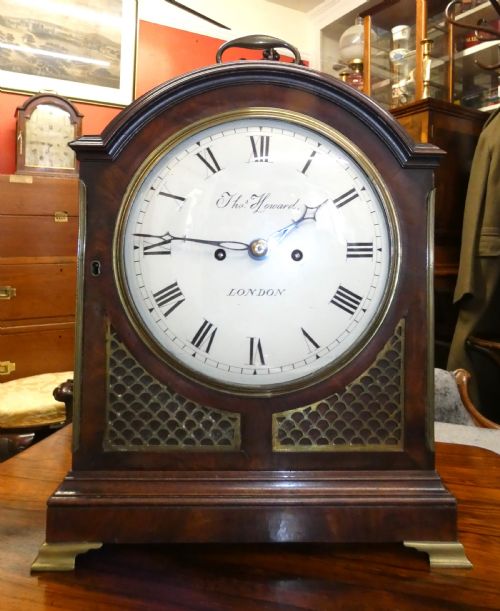
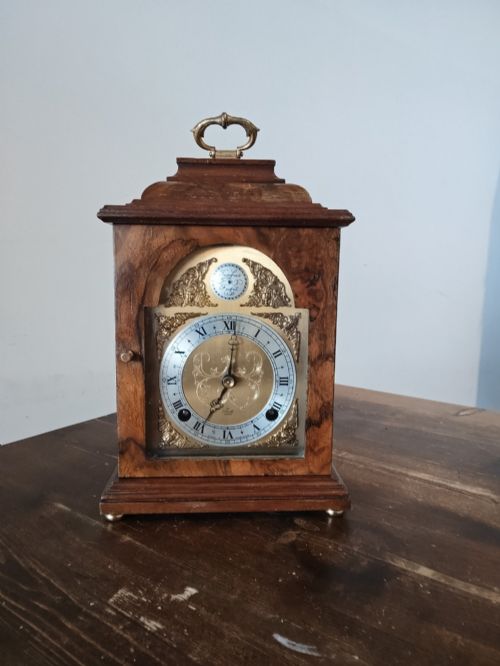
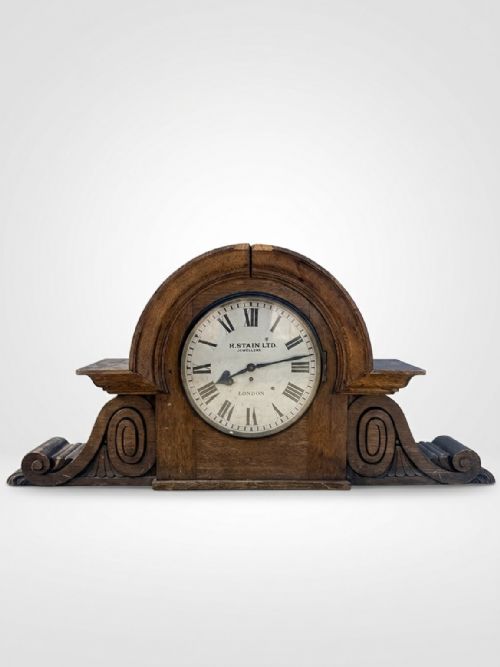
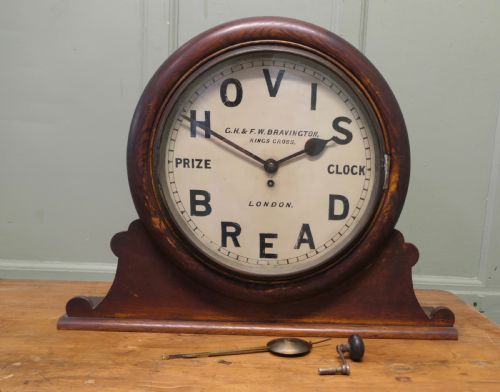
When you search for an antique london table clock, you encounter timepieces spanning from the seventeenth century through to the art deco period, housed in wood, brass or gilt bronze. These pieces range from early lantern clocks and bracket clocks to library clocks, carriage clocks and mantel clocks.
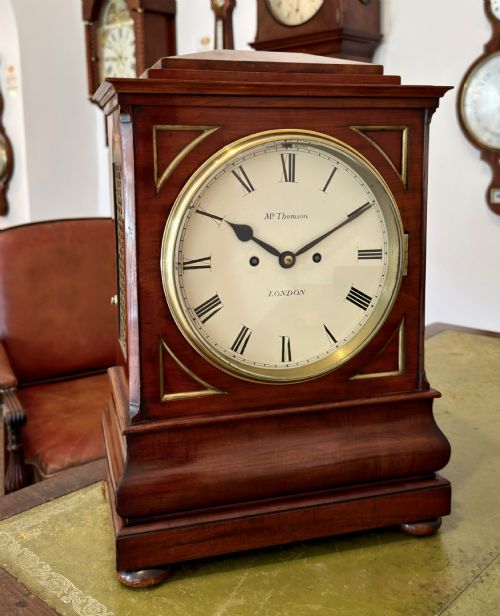
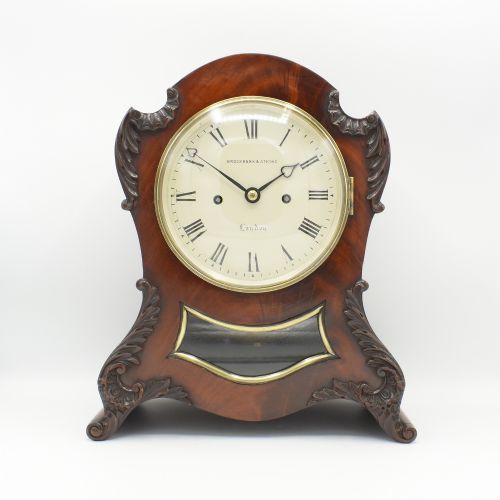
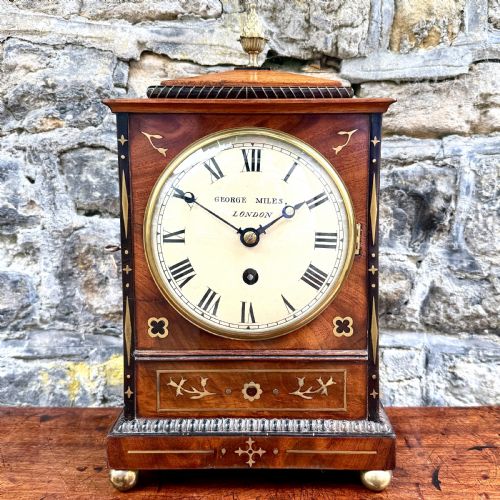
The versions met most frequently on this page date from the georgian, regency and victorian eras. They appear in forms such as fusee bracket clocks, mahogany library clocks and brass mantel timepieces.
Makers working within the city produced these objects for domestic and institutional settings, utilising woods like mahogany, rosewood, ebony and satinwood alongside metals such as brass, ormolu and silver.
Materials and construction
Maker workshops built cases using timbers like mahogany, satinwood, kingwood, rosewood, walnut and ebonised wood, often incorporating brass inlay, glass panels or silver mounts. These woods provided durable housings for intricate gear trains and fusee movements.
Dials feature materials such as brass, enamel and silvered metal, whilst movements rely on components of brass and steel. Makers employed verge escapements and twin fusee mechanisms to regulate the time accurately.
Surface finishes include ormolu gilding on bronze, polished wood grain, and glass casing that exposes the internal mechanics of skeleton and library clocks.
Antique London Table Clock Retail Price Guide 2026
Typical asking prices for london table clock among the pieces listed under this phrase on Sellingantiques today, from the lower quarter to the upper quarter. They describe what is for sale here now, not the wider market.
The listings span the 17th Century to the 1930s, featuring materials from ebonised wood and ormolu to glass and mahogany.
Distinctions in quality
Quality rests in the precision of the movement and the integrity of the case. Examples with signed backplates, original fusee movements and fine brass engraving demonstrate superior workshop execution.
Cabinetwork distinguishes different tiers of production. Finely figured mahogany or ebony cases with well-preserved mouldings, bracket feet, and sound structural joinery separate standard examples from finer output.
Thomson of London·Widenham of London·Thomas Langley·Brockbanks and Atkins·Webster Cornhill London·Desbois and Wheeler·Francis Perigal·Thwaites of London·Windmills and Bennet·William Barrow
The Antique London Table Clock Glossary
- Bracket clock
- A portable spring-driven clock originally designed to sit on a bracket on the wall or on a table. These pieces often feature arched or lancet tops and carrying handles.
- Fusee
- A conical pulley used in spring-driven clocks to maintain equal power as the mainspring unwinds. This mechanism improves timekeeping consistency throughout the running period.
- Lantern clock
- An early brass chamber clock driven by weights or springs, featuring pierced frets and a bell on top. These domestic timepieces date back to the seventeenth century.
- Verge escapement
- An early mechanical escapement mechanism that controls the release of power in a clock movement. It works alongside a balance spring or pendulum to regulate ticking.
- Library clock
- A compact clock designed for use on a desk or table, frequently housed in a wood case with glass panels revealing the movement.
Antique London Table Clock: Frequently Asked Questions
Where did people place these clocks?
Owners set these timepieces on tables, brackets, library desks and mantelpieces across homes and offices. Their portable nature allowed them to move between rooms as needed.
Larger bracket clocks required sturdy furniture surfaces to support their weight and mechanical action, whilst smaller carriage and library clocks sat easily on writing surfaces.
How do fusee movements work?
A fusee movement uses a conical pulley connected to the mainspring by a cord or chain. As the spring loses tension, the chain pulls on a wider part of the cone to maintain steady torque.
This clever mechanical device ensures the clock maintains an even force and accurate timekeeping from a full wind down to the last rotation.
How can I tell periods apart?
Periods reveal themselves through case design, timber choice and dial decoration. Seventeenth-century examples often feature ebony basket tops and brass mounts, whilst georgian and regency pieces lean towards mahogany and rosewood bracket forms.
Later victorian and edwardian items introduce walnut, onyx and simpler architectural outlines, and twentieth-century examples embrace art deco geometric styling.
What maintenance do antique clocks need?
These mechanical timepieces require regular winding and periodic cleaning by a professional horologist to keep the gear trains functioning smoothly. Proper lubrication prevents wear on the brass pivots and steel arbors.
Keeping the clock on a level surface ensures the escapement beats evenly and maintains correct timing.