


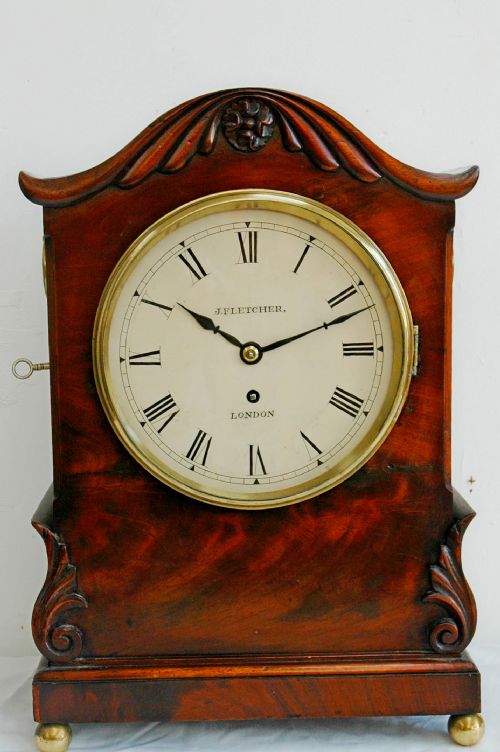

Georgian Bracket Clock London
A georgian bracket clock london exemplifies the pinnacle of historic horology, bringing precision timekeeping and architectural timber work into domestic spaces.
Georgian Bracket Clock London
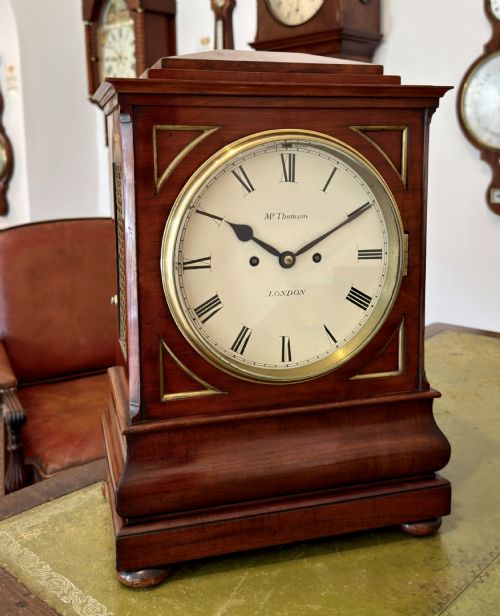
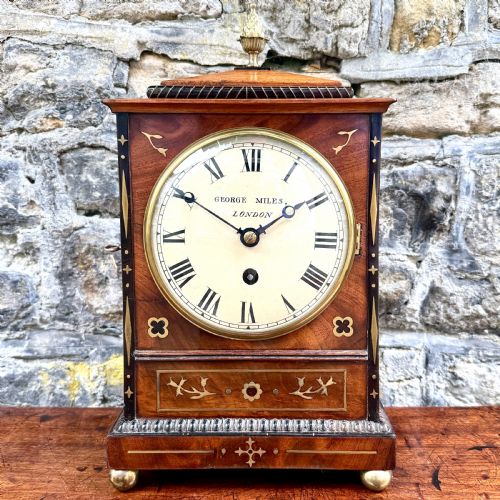
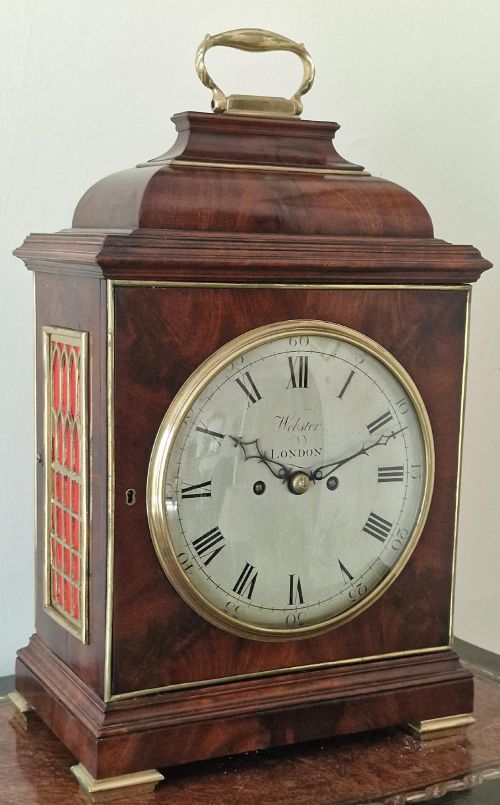
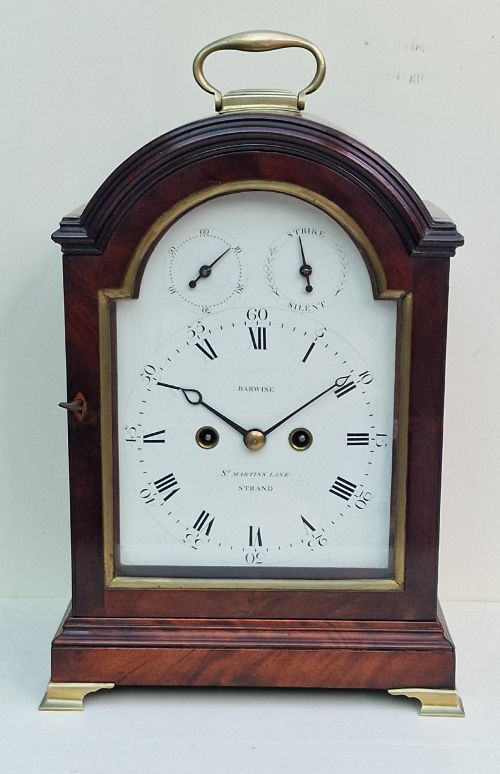
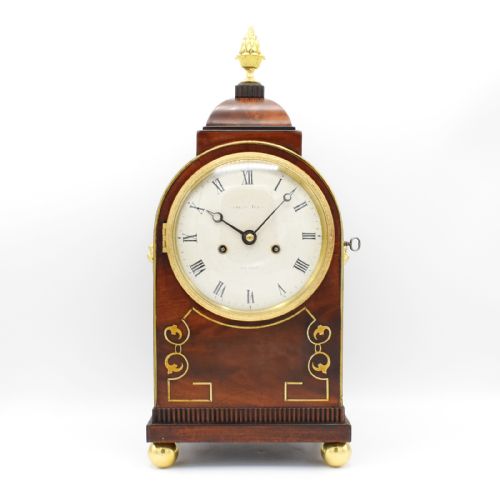
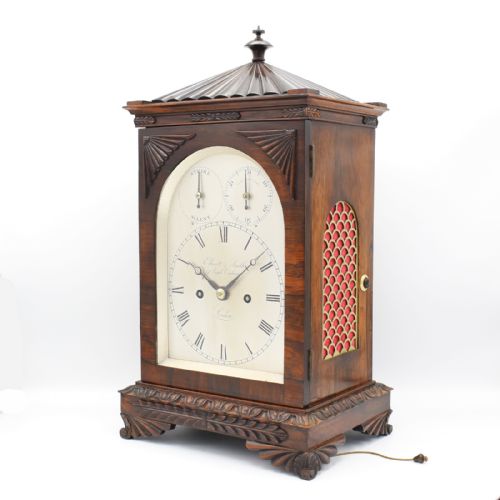
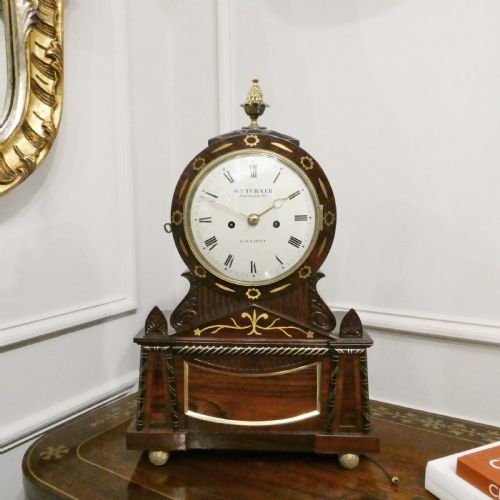
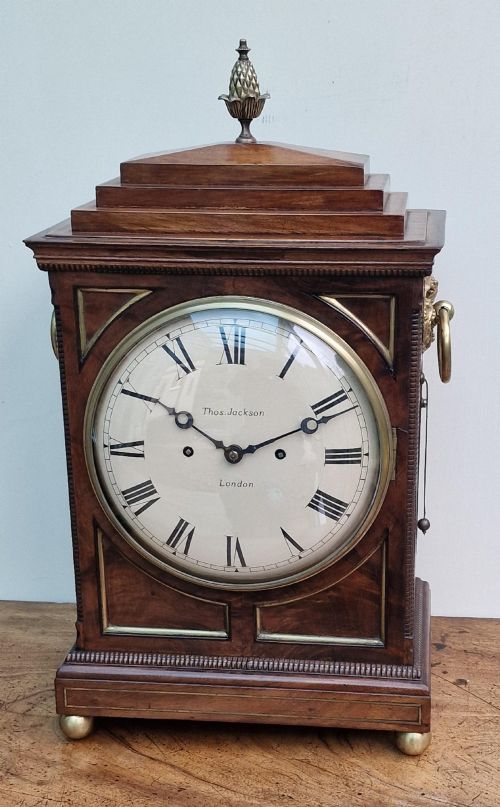
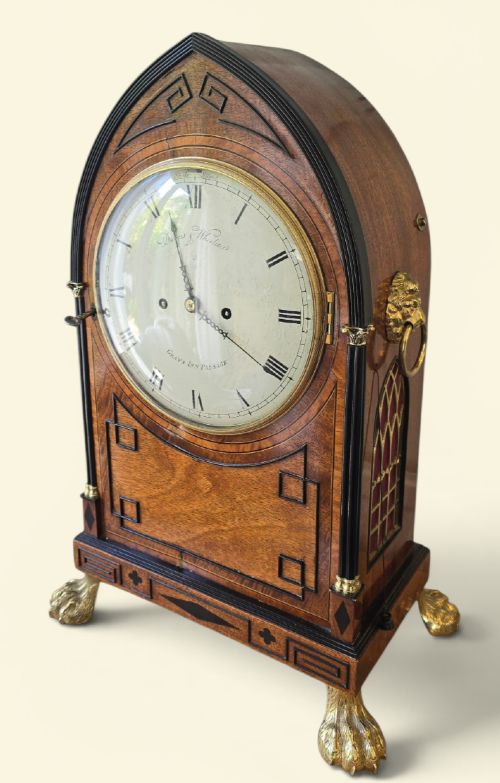
A georgian bracket clock london comprises portable table clocks designed to sit securely on brackets, shelves, or tables within domestic rooms. These instruments emerge primarily from eighteenth-century and Regency workshops, reflecting the technical mastery of metropolitan horology.
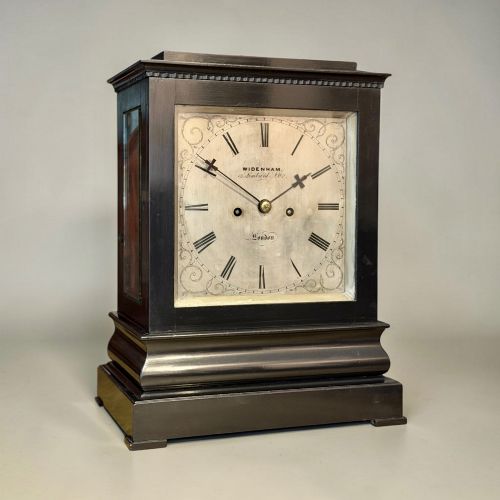
Makers construct these pieces using dense hardwoods like mahogany and ebonised timber, housing intricate mechanical movements behind glazed doors. Examples span straightforward timepieces to complex quarter-repeating and musical mechanisms.
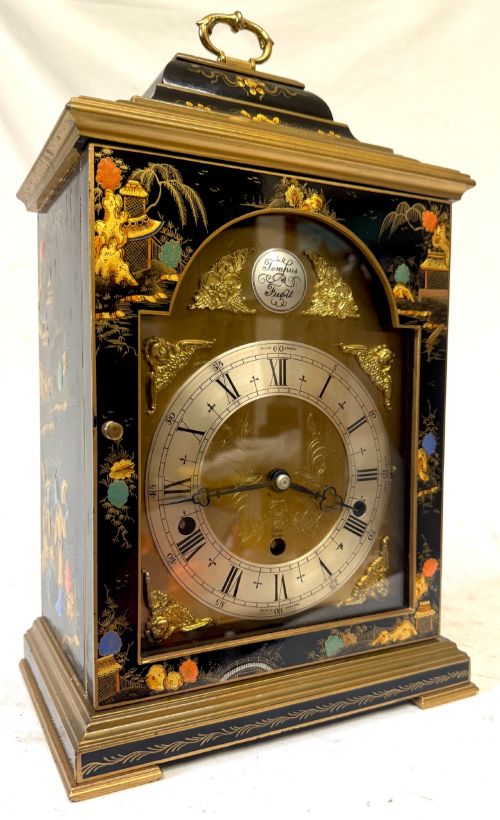
The aesthetic vocabulary encompasses traditional English forms, bell-top silhouettes, and occasional chinoiserie decoration. Collectors encounter both full-size library pieces and miniature bracket models produced by notable London clockmakers.
How They Were Made
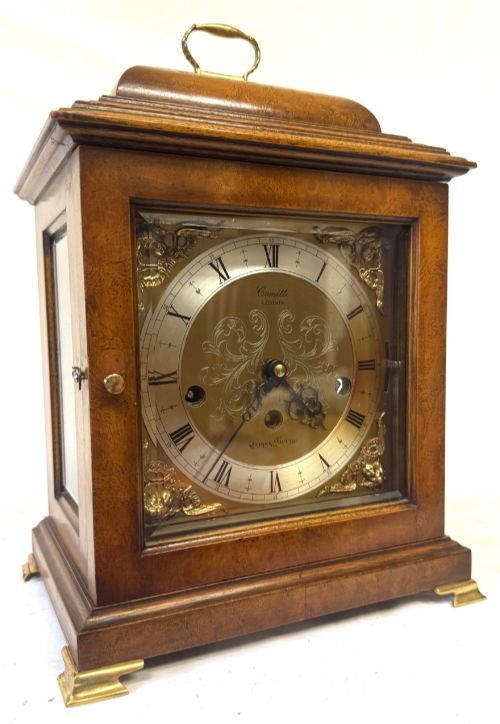
Craftsmen built timber cases using mahogany, ebonised wood, and rosewood veneers over structural carcasses, often incorporating brass carrying handles and decorative fretwork panels. Dial construction combined brass backplates with silvered metal chapters or enamel faces, protected behind hinged glass doors.
Movements relied on fusee or verge escapement mechanisms powered by chains or cords, driving gear trains designed for timekeeping, striking, and quarter-chiming functions. Workshops employed specialist dial engravers and cabinetmakers to execute the precise joinery and metal finishing required for each commission.
The inventory records regional English production alongside metropolitan London workshops.
What Varies In Quality
The distinction between standard workshop production and superior output rests upon the complexity of the movement and the integrity of the original case timbers. Finer examples feature intricate verge or anchor escapements, quarter-repeating complications, and fully signed brass dial plates by recognised metropolitan makers.
Case execution significantly influences standing, with crisp architectural mouldings, well-preserved veneers, matching original brackets, and undamaged silvered metal dials separating exceptional survivals from heavily altered or restored pieces.
Thomson of London·Widenham of London·Comitti Of London·Webster·Barwise·Charles Pratt London·Ellicott and Smith·Turner of London·Thomas Jackson·Bush of London·Desbois and Wheeler·Webster Cornhill London·Francis Perigal London·Thomas Moss·Cording of London·Des Granges of London·Barrett London·Paul Philip Barraud·Louis Recordon·Taylor of London·Perigal of London·Leplastrier of London·Grimaldi and Johnson·Somersall London·Brockbanks of London
The Georgian Bracket Clock London Glossary
- Bracket Clock
- A portable clock originally designed to stand upon a matching wall bracket or table surface. These pieces typically feature mechanical movements housed in architectural wooden cases.
- Fusee
- A conical pulley used in clock movements to maintain an even pull on the gear train as the mainspring unwinds. This device ensures consistent timekeeping accuracy across the power reserve.
- Verge Escapement
- An early type of clock escapement mechanism that controls the release of gear train power using a vertical rod and pallet plates. It produces a distinct ticking rhythm characteristic of eighteenth-century horology.
- Silvered Metal
- A brass dial surface treated with a silver compound to create a bright, legible background for engraved numerals and signature details. It provides high contrast against dark wooden bezels.
- Quarter Repeating
- A mechanical complication that sounds the hours and the elapsed quarters when activated by a cord or push piece. This function allowed owners to check the time in darkened rooms.
Georgian Bracket Clock London: Frequently Asked Questions
Where were these clocks placed?
Owners positioned these instruments on dedicated wall brackets, entrance tables, or library mantelpieces where their acoustic chimes could resonate through the room. The inclusion of carrying handles allowed domestic staff to relocate them between chambers as household routines shifted throughout the day.
Domestic placement prioritized prominent reception areas where guests could admire the timber case design and observe the mechanical movement through glazed access doors.
How do fusee movements function?
A fusee mechanism uses a grooved conical pulley connected to the mainspring via a cord or chain, compensating for the declining torque of the spring as it unwinds. This mechanical arrangement delivers uniform power to the gear train from a full wind down to the last turn.
Clockmakers integrated this system to maintain consistent balance wheel or pendulum momentum, ensuring reliable daily timekeeping across older mechanical examples.
Can these clocks still keep accurate time?
Historic mechanical movements require professional servicing and regular winding to operate correctly, though many retain good functional accuracy when properly maintained. Environmental stability and careful handling remain essential for preserving delicate escapement components.
Owners typically establish routine maintenance schedules with specialist horologists to ensure the gear trains and springs continue functioning without excessive wear.
What defines a true bracket clock?
A true bracket clock refers to a portable spring-driven timepiece supplied with its own matching wall-mounted bracket for secure display. Many surviving examples lack their original wall supports due to changing interior layouts over subsequent centuries.
Horological authorities also look for specific mounting feet or base plates designed to interface securely with a supporting shelf rather than standing unassisted on flat surfaces.