




Antique Log Supports
These antique log supports lift fuel above the hearth to encourage airflow and warm the room efficiently.
Antique Log Supports
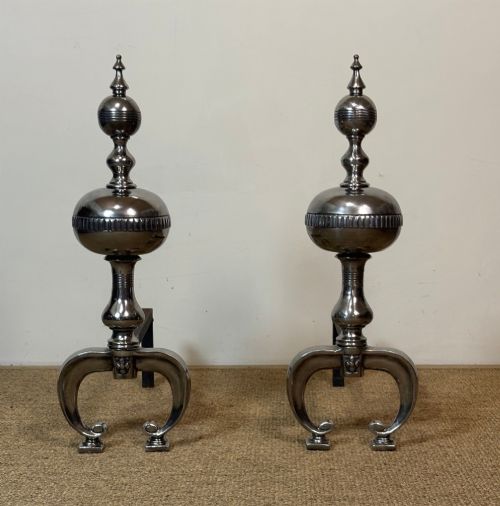
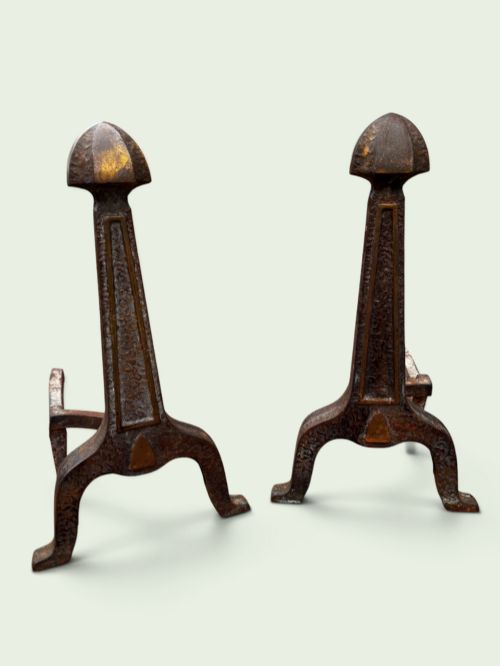
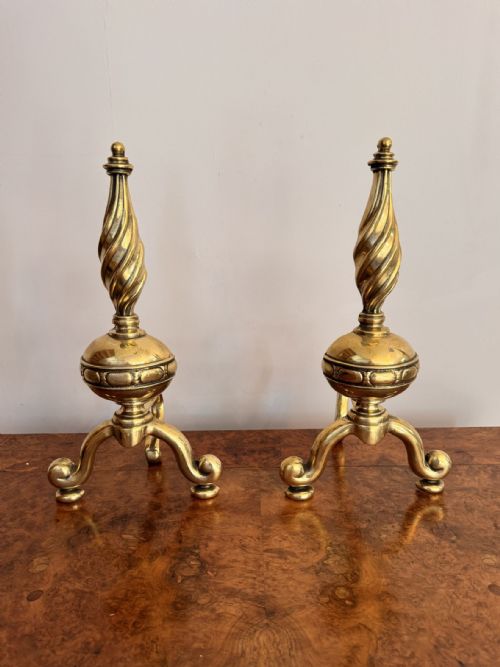
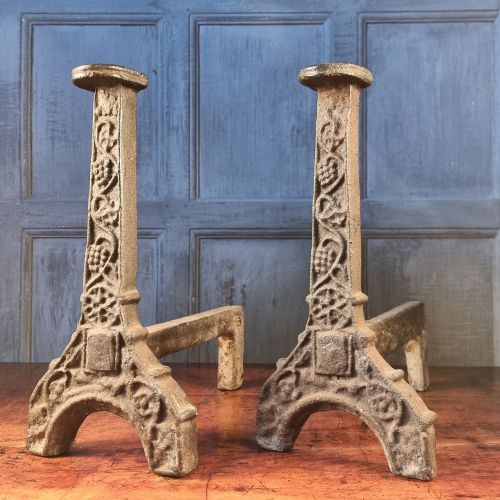
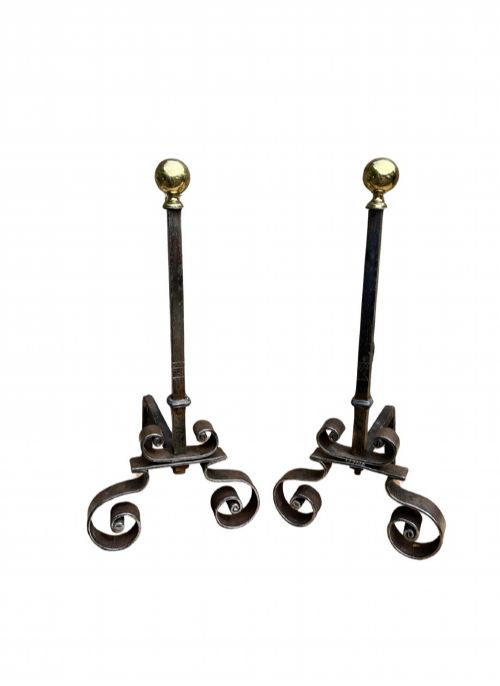
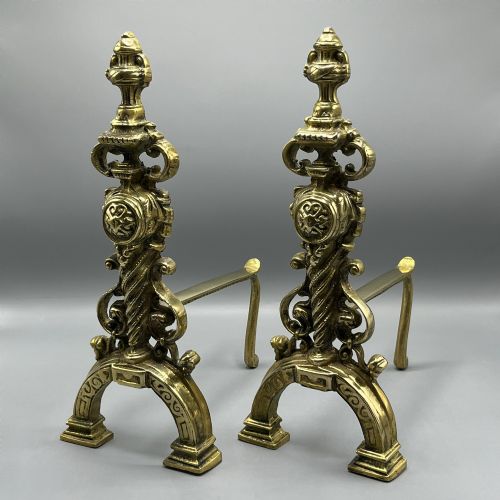
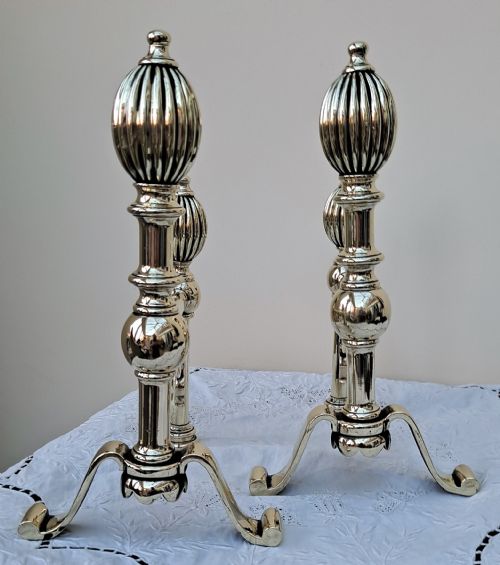
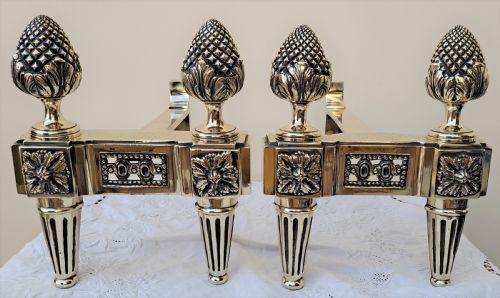
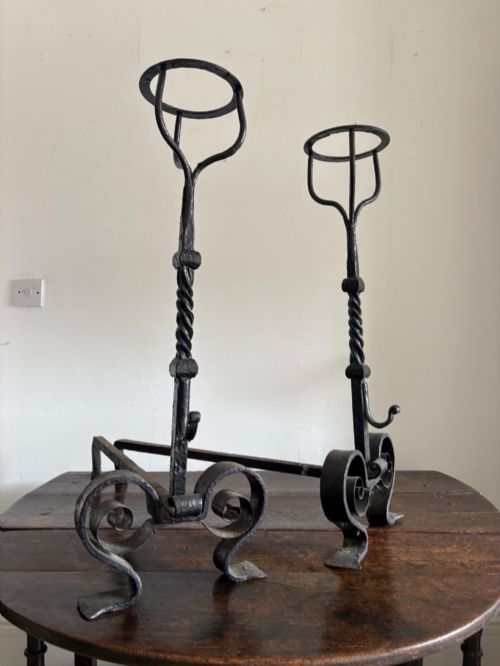
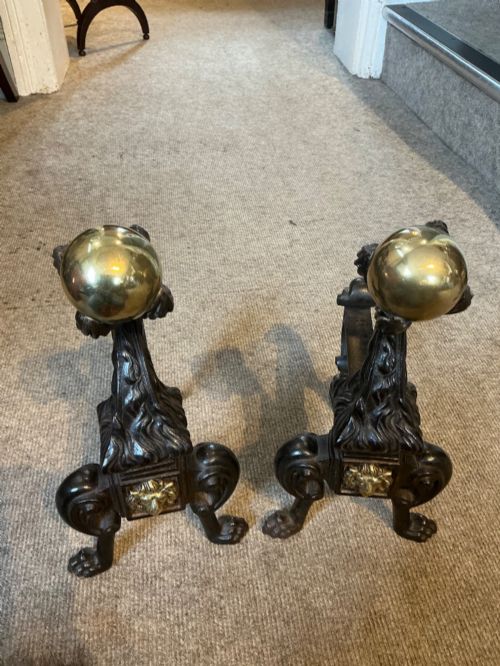
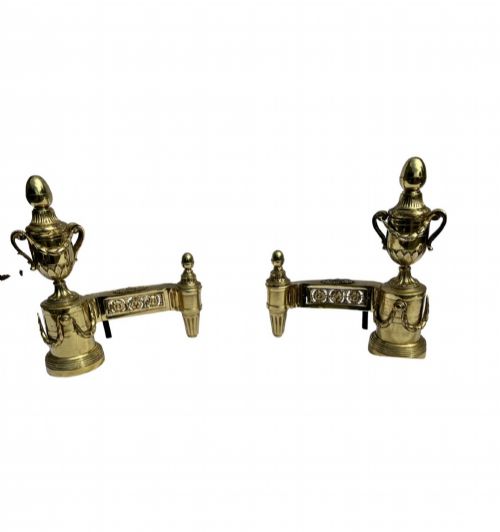
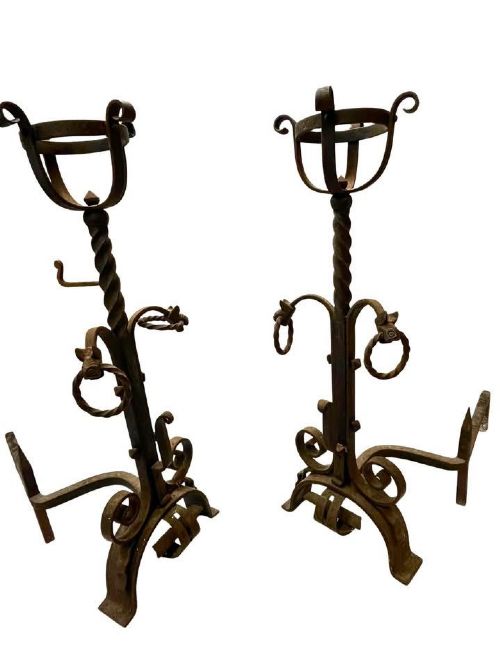
Antique log supports, commonly known as andirons or fire dogs, hold firewood steadily inside an open fireplace. Buyers searching this phrase meet heavy metal hearth furniture designed to sit in pairs on the brick floor.
The pieces seen here span centuries of domestic life, stretching from sixteenth-century examples to later twentieth-century interpretations. Victorian brass pairs and nineteenth-century wrought iron forms dominate the selection available to collectors.
Various stylistic revivals appear across the inventory, reflecting past makers looking backwards toward Gothic, Renaissance, and Neoclassical periods. English and French workshops supply the majority of the pairs recorded on these pages.
How they were made
Metalworking techniques dictate the construction of these hearth supports, relying heavily on casting and hand-forging. Foundries poured molten brass, bronze, and cast iron into moulds to create ornate, decorative fronts.
Blacksmiths shaped wrought iron and steel by hand over heat, beating the metal into sturdy bars and scrolls. Copper components occasionally accent the primary structure, adding contrasting tone to the finished pieces.
Some nineteenth-century ironmongers doubled their output by fitting tool rests onto the backs of the fire dogs.
What varies in quality
Substance and proportion determine the distinction between ordinary hearth furniture and exceptional examples. Monumental scale and thick gauge metal provide physical weight that signals superior craftsmanship.
Detailing in the casting or forging marks the upper tier of the range. Crisp chasing on brass and precise hand-hammering on iron separate master work from utilitarian items.
The Antique Log Supports Glossary
- Andiron
- A horizontal support raised on legs, placed in a hearth to hold logs. Pairs of these objects flank the fire.
- Fire dog
- An alternative term for an andiron, often featuring an ornamental front standard. The vertical post stops wood from rolling forward.
- Wrought iron
- Iron beaten into shape while hot by a blacksmith. This material bends under the hammer rather than snapping.
- Cast iron
- Iron poured in a molten state into a mould to form a shape. This technique allows for repeating complex surface decoration.
- Gothic revival
- An architectural and decorative style drawing on medieval forms. Makers used pointed arches and heavy tracery.
Antique Log Supports: Frequently Asked Questions
How do I use andirons?
Place a matching pair inside the fireplace hearth with the vertical standards facing outward into the room. Logs rest upon the horizontal bars running backward into the fireplace.
This elevation permits air to circulate underneath the burning wood, creating a cleaner and hotter fire. The front standards also prevent embers and logs from tumbling out onto the floor.
Are these pieces functional?
Most antique log supports remain entirely serviceable for burning wood in standard open hearths. Solid metal construction allows them to endure high temperatures safely.
Heavy iron and brass pairs handle large logs easily. Buyers should simply check dimensions to ensure the pair fits the depth and width of their specific fireplace opening.
How do I clean brass fire dogs?
Dust the surface regularly with a dry cloth to prevent soot buildup from settling into the metal. Avoid harsh chemical cleaners that strip historical patina.
Gentle soap and warm water remove stubborn grime from decorative mouldings. Allow the metal to dry completely before returning it to the hearth.
What periods do they represent?
The selection includes items spanning from sixteenth-century ironwork to twentieth-century revivals. Victorian and nineteenth-century examples appear most frequently in the current inventory.
Designers often borrowed historical motifs, creating nineteenth-century pieces styled after earlier Gothic or Renaissance eras. This blending of periods reflects the eclectic taste of past domestic interiors.