



Metal Fireplace Dogs
Metal fireplace dogs are sturdy hearth supports, and choosing a good pair brings historical character and practical utility to an open fire.
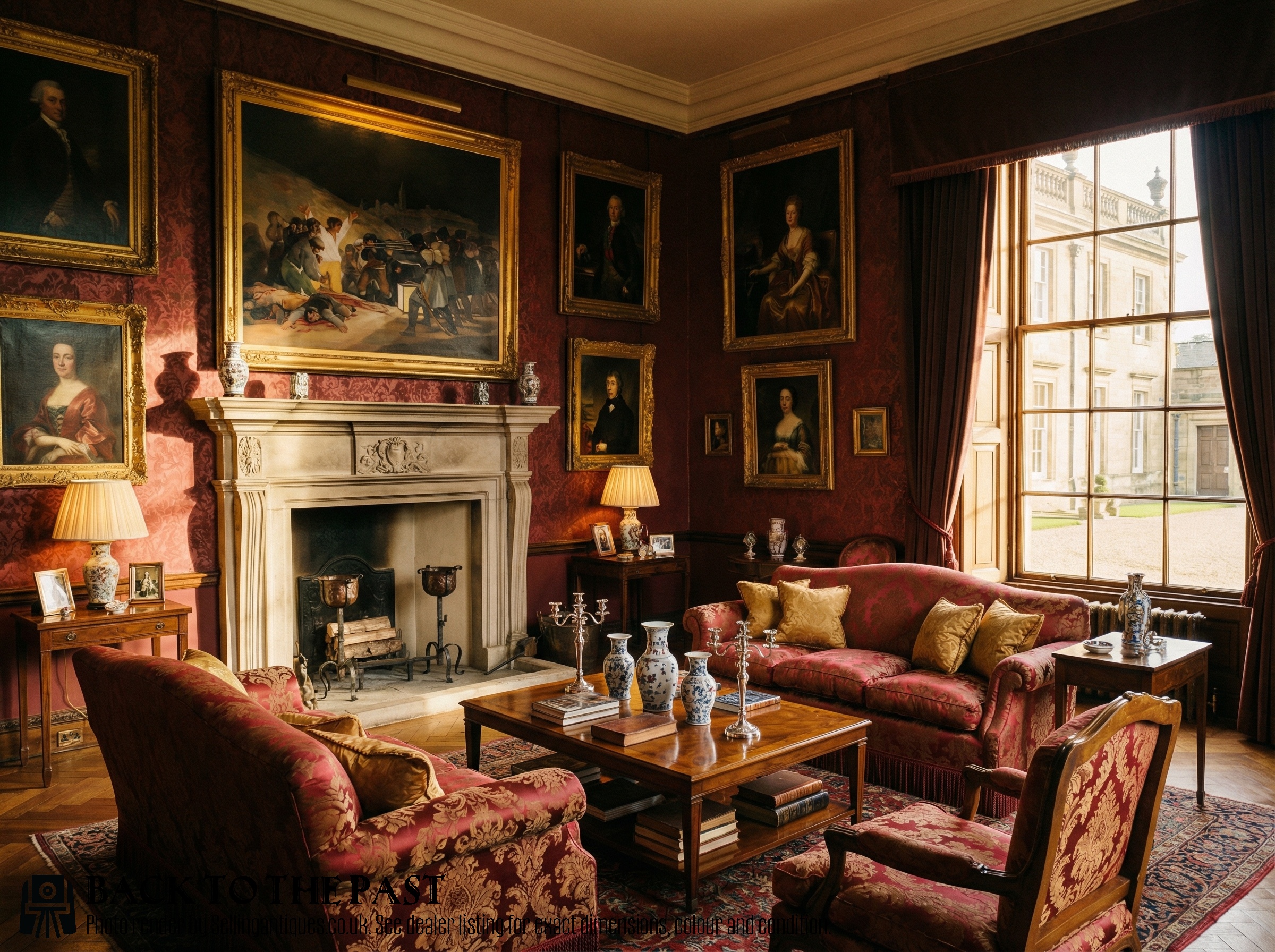
Metal Fireplace Dogs
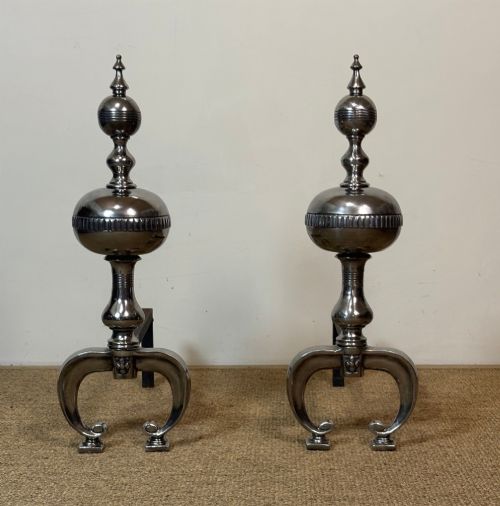
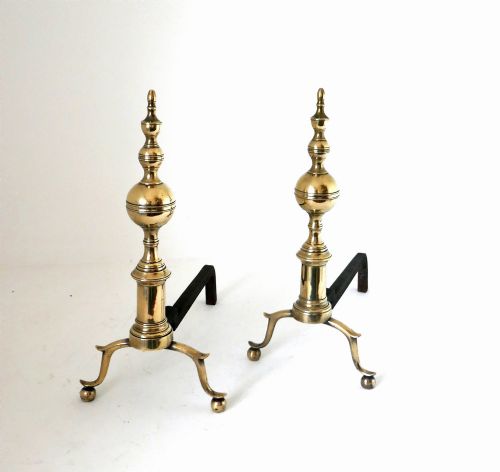
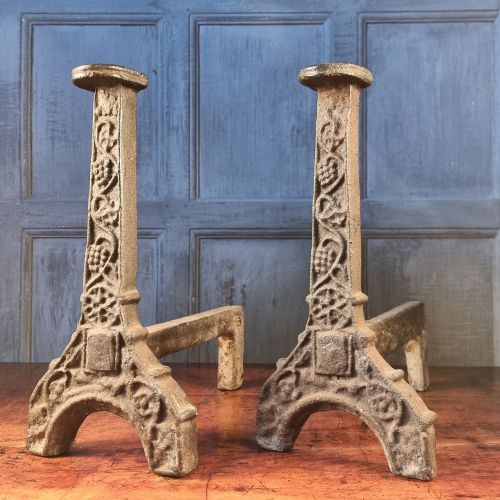
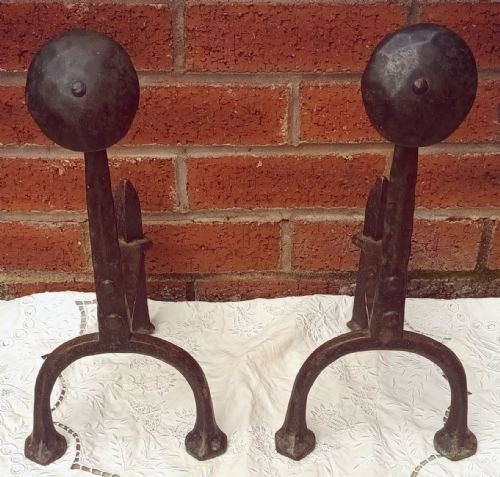
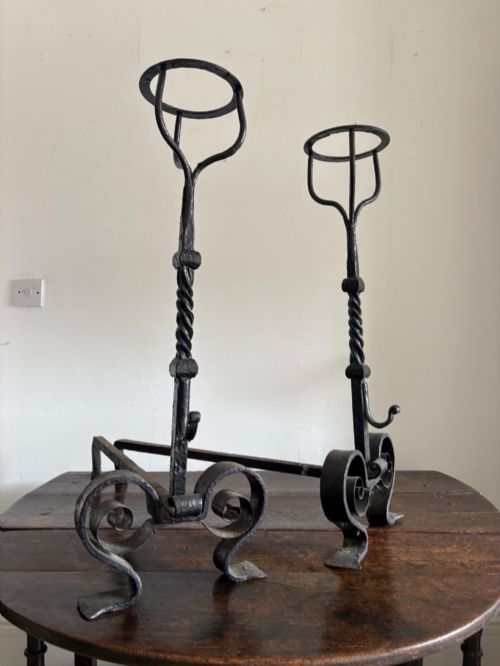
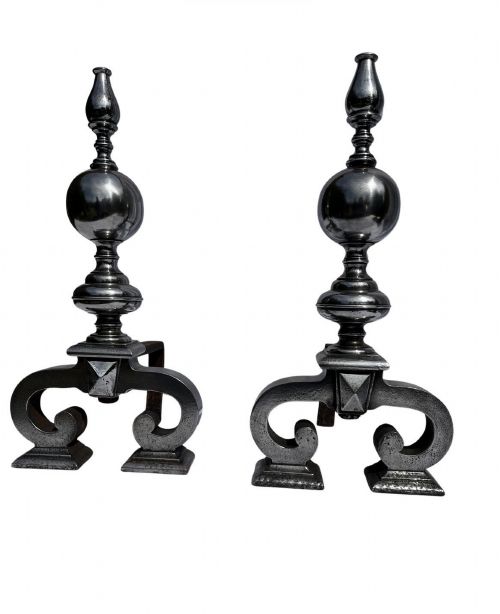
Metal fireplace dogs are substantial hearth accessories designed to support logs above the floor of an open grate for better airflow. When you examine the options for metal fireplace dogs, you encounter pairs originating from the sixteenth century up through the Edwardian period. The most common versions on this page date from the nineteenth century, reflecting Victorian and Arts and Crafts tastes.
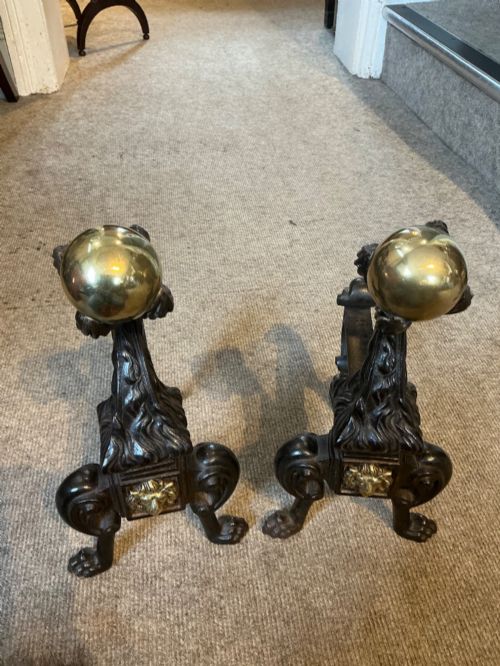
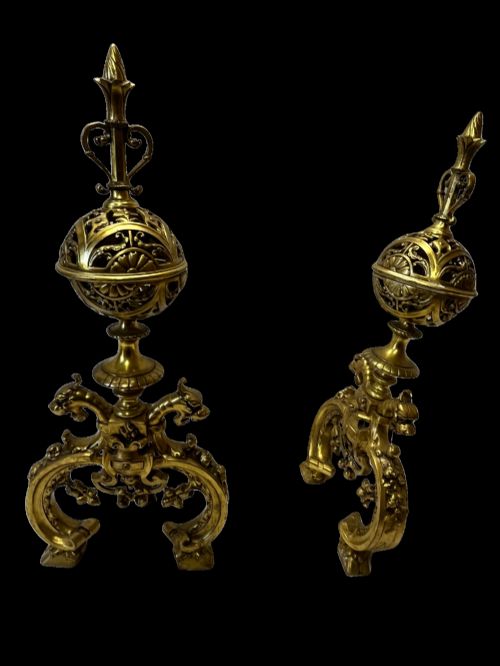
These pieces appear in various forms, including straightforward iron supports, elaborate French rococo designs, and Gothic revival creations. Alongside standard upright fire dogs and andirons, the listings encompass related hearth furniture such as brass and iron fenders and fire tools. Buyers frequently select them to anchor a traditional chimney breast or to complement period grates.
Construction and Materials
The construction of these hearth supports relies heavily on durable metals like cast iron, wrought iron, brass, steel, and bronze. Makers forged iron by hand, hammering heated bars into sturdy shapes, or cast molten metal into detailed moulds to achieve decorative surfaces. Copper and parcel gilt embellishments occasionally add contrast to the primary metal structure.
Earlier examples show the hand-forged marks of the blacksmith, while later nineteenth-century pieces often benefit from precise casting and polished finishes. Some French and English items combine brass ornamentation with iron uprights, joining structural strength with ornamental detail.
Materials span wrought iron, cast iron, brass, steel, bronze, and copper across multiple centuries.
Assessing Quality
Quality in these hearth supports rests on the integrity of the metalwork, the weight of the casting, and the clarity of any decorative chasing. Heavier, monumental pairs display a solid presence that lighter utilitarian versions lack, particularly when supporting substantial logs.
The refinement of the surface finish also distinguishes finer examples, whether through carefully hand-forged iron scrollwork or meticulously detailed bronze and ormolu mounts. The harmony of design between the upright standards and the supporting billets shows the maker's skill.
James Cartland & Son
The Metal Fireplace Dogs Glossary
- Andirons
- Supports for logs in an open fireplace, consisting of a horizontal bar on legs with an upright standard at the front. They are often synonymous with fire dogs.
- Chenet
- The French term for an andiron, frequently associated with decorative brass, bronze, or parcel gilt designs from continental workshops.
- Fender
- A low metal guard placed in front of a hearth to contain sparks and ashes, sometimes matched stylistically with a pair of fire dogs.
- Wrought iron
- Iron that has been heated and shaped by hand tools, yielding a fibrous texture and durable structure visible in older examples.
- Ormolu
- Gilt bronze ornamentation applied to decorative metalwork, common on finer nineteenth-century French hearth furnishings.
Metal Fireplace Dogs: Frequently Asked Questions
What is the difference between fire dogs and andirons?
The terms are generally interchangeable for the same hearth supports. Both refer to metal uprights used to hold logs in an open fire.
Regional preferences often dictate the name, with andirons more common in formal contexts and fire dogs used in older British pieces.
Can these be used in a working fireplace?
Most of these heavy metal pieces were originally built to hold burning logs above the hearth floor. Their sturdy iron or bronze construction suits active fires.
One should check the stability and dimensions of a specific pair before placing them in daily service.
How do I date a pair of metal fire dogs?
Dating relies on stylistic clues like Gothic revival tracery, Arts and Crafts simplicity, or French rococo curves. Material choice also helps, as hand-forged iron predates many mass-produced steel variations.
Matching the period details against known manufacturing eras provides the most reliable timeline.
Are these pieces sold as pairs?
The majority of these hearth supports survive and sell in matched pairs designed to balance either side of the grate. Individual pieces appear less frequently.
Buying a matched set ensures uniform height and decorative harmony on the hearth.