

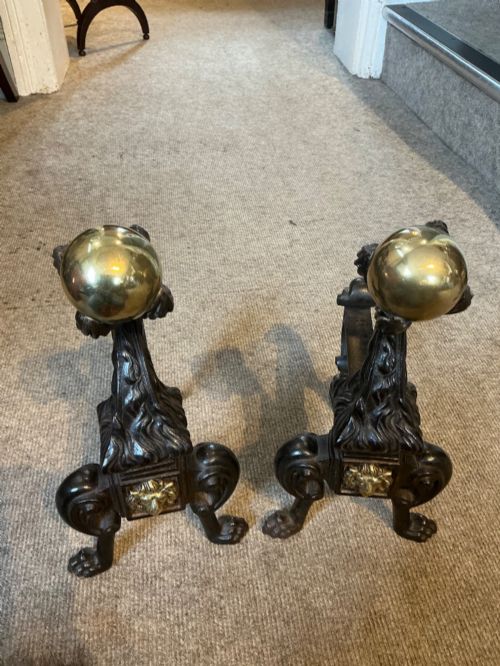
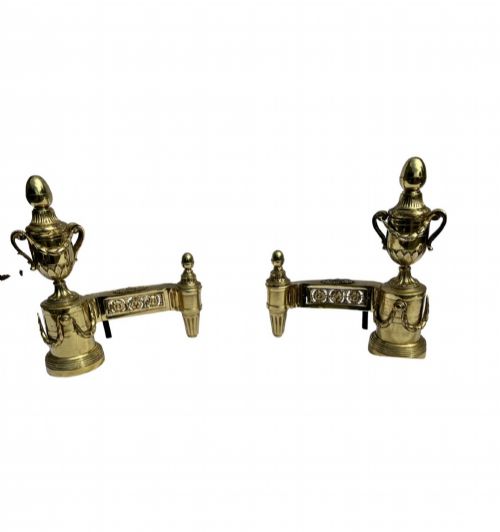

Pair of Fire Dogs
A pair of fire dogs provides structural support for burning logs while anchoring the decorative character of a period hearth.
Pair of Fire Dogs
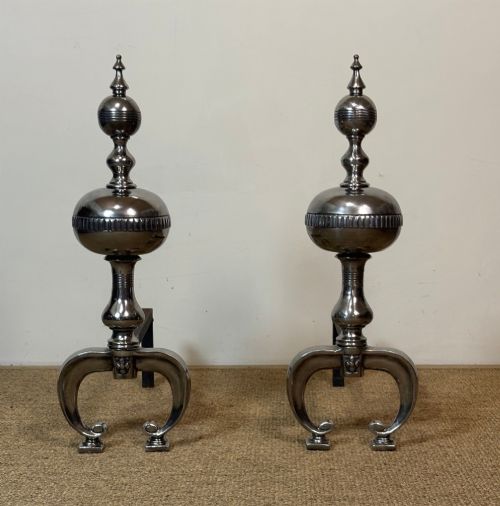
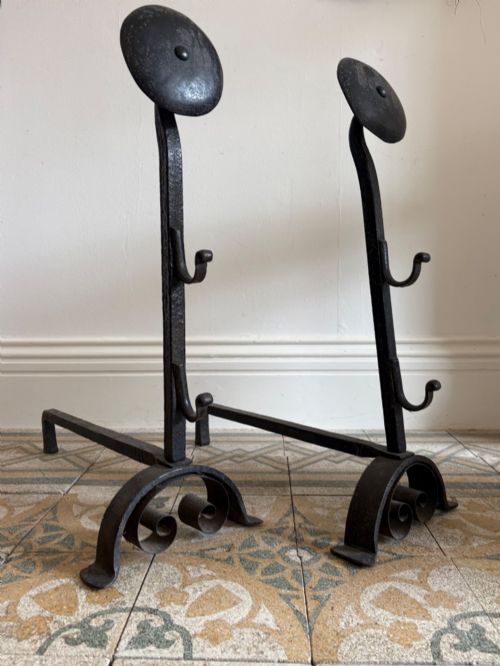
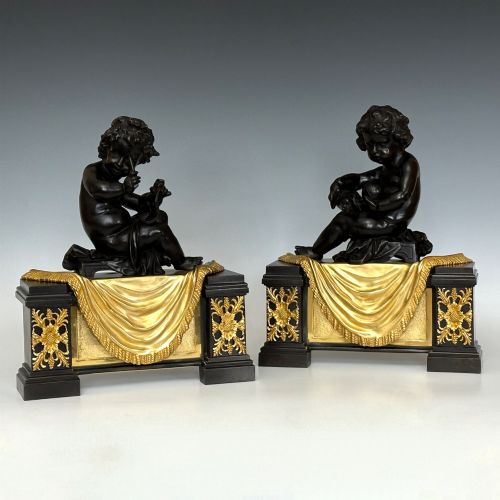
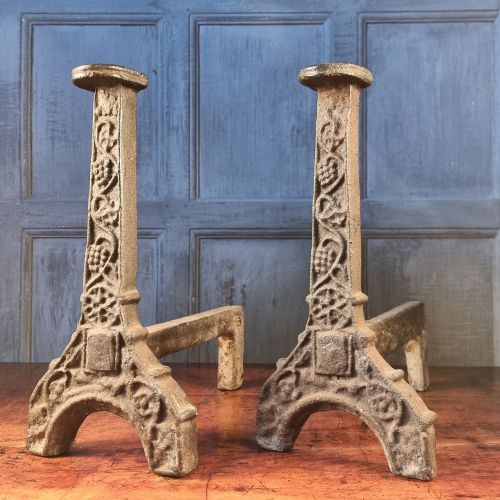
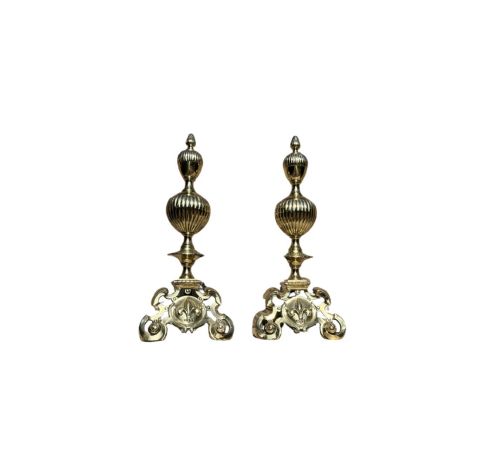
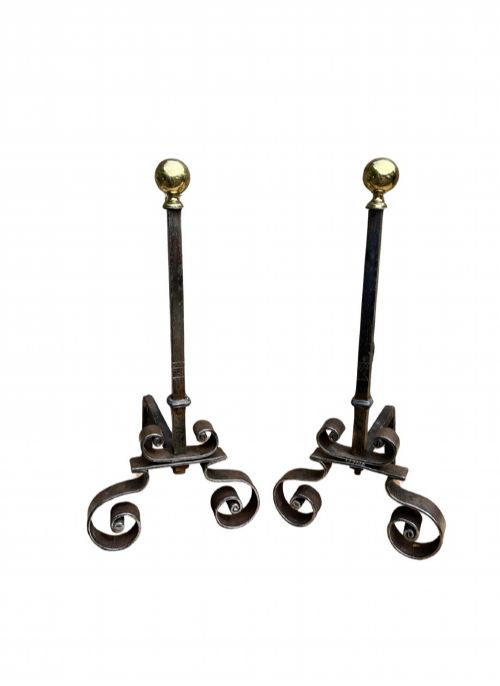
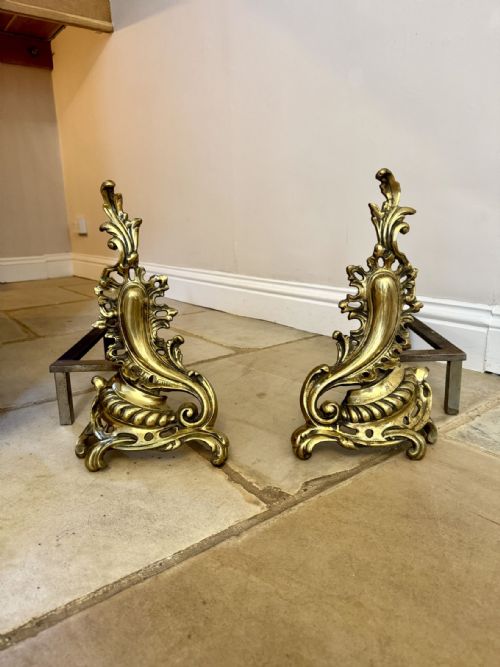
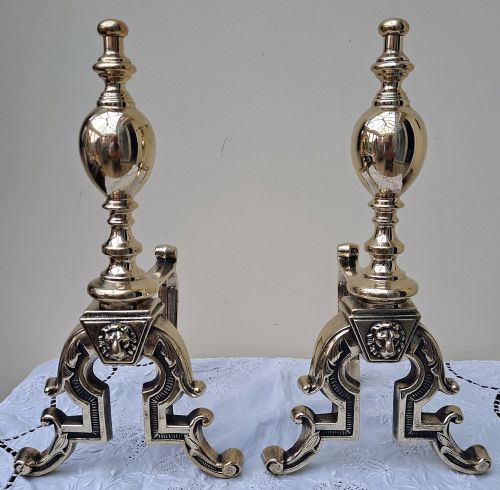
A search for a pair of fire dogs uncovers heavy horizontal and vertical metal supports designed to hold wood above the hearth floor for better airflow. The majority of pieces encountered on this page date from the nineteenth century, including distinct Victorian, Edwardian, and French styles.
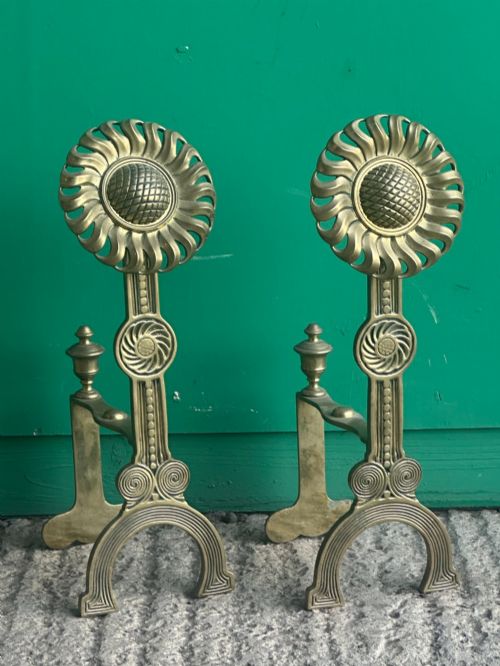
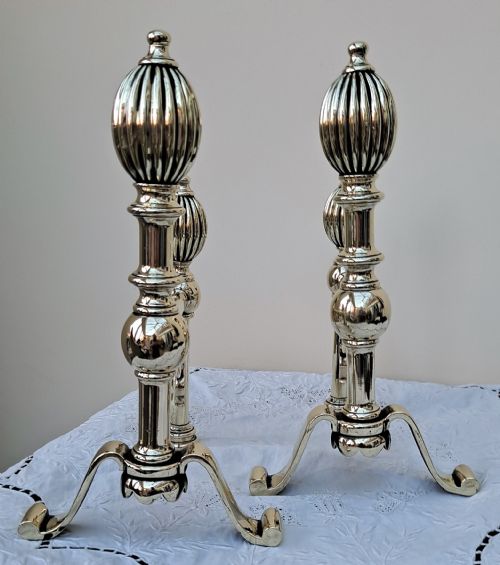
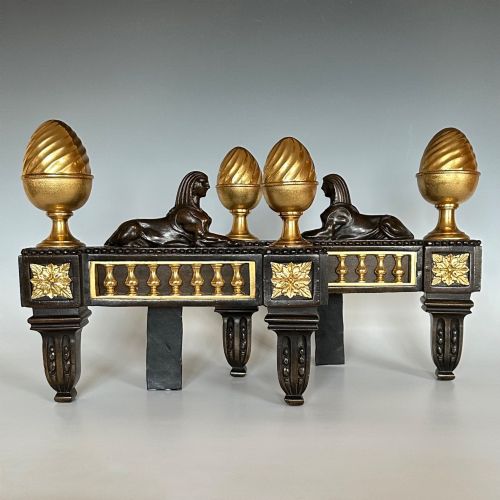
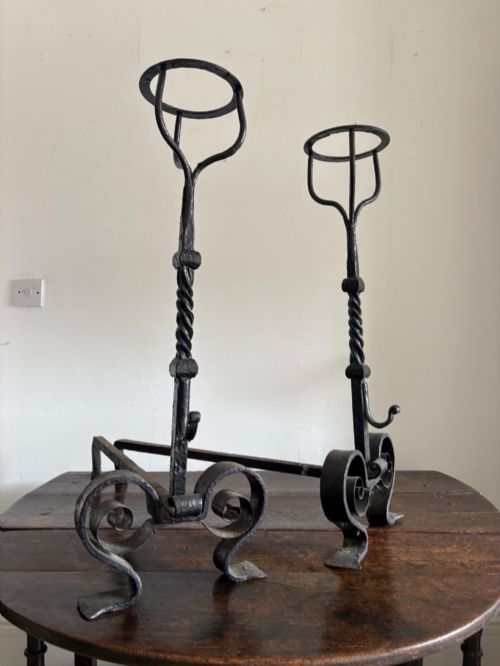
Forms range from utilitarian forged iron standards to ornate cast brass and ormolu figural chenets. English designs often exhibit Arts and Crafts, Gothic Revival, or Aesthetic Movement influences, while continental examples lean toward French Rococo and Louis XIV aesthetics.
Beyond basic hearth utility, many examples incorporate tool rests or companion set fittings. Buyers select these items to complement period fireplaces with authentic metalwork spanning brass, bronze, steel, and wrought iron.
Factors separating exceptional pieces
Quality rests upon the crispness of the casting and the depth of hand-chasing on decorative mounts. Superior examples exhibit sharply defined foliage, figures, or animal motifs without the softened edges typical of secondary copies.
Substantial gauge metal and tight, original joints distinguish the finest work from lighter, purely decorative productions. The presence of matching fire irons or integrated tool rests further indicates a superior, unified commission.
Pair of Fire Dogs Retail Price Guide 2026
Typical asking prices for pair of fire dogs among the pieces listed under this phrase on Sellingantiques today, from the lower quarter to the upper quarter. They describe what is for sale here now, not the wider market.
Listings feature brass, iron, bronze, and ormolu spanning the Victorian, Edwardian, and Georgian periods.
James Cartland and Sons·William Tonks
The Pair of Fire Dogs Glossary
- Andiron
- A horizontal metal support raised on legs, used in pairs to hold logs in an open fireplace. They typically feature an ornate vertical front standard.
- Chenet
- The French term for a fire dog or andiron, frequently applied to decorative ormolu and bronze examples from the eighteenth and nineteenth centuries.
- Ormolu
- Gilt bronze produced by applying a finely ground gold-mercury amalgam to a bronze base and heating it. This technique gives French and English hearth ornaments their characteristic rich metallic lustre.
- Aesthetic Movement
- A late nineteenth-century design style emphasising visual beauty over narrative content. Pieces from this movement often incorporate stylised plant forms like sunflowers.
- Fire Dog
- An alternative term for an andiron, originating from the animal-like appearance of early medieval hearth supports.
Pair of Fire Dogs: Frequently Asked Questions
How do I choose the correct size?
Measure the width and depth of your fireplace opening before selecting metal supports. Leave adequate clearance around the standards so logs fit comfortably between them.
Heavier and taller options require larger hearths to maintain proper proportions and safe distances from surrounding masonry.
Can these be used in open fires?
Cast iron and wrought iron versions handle active wood fires easily. They tolerate high temperatures and support heavy logs without structural strain.
Ornate ormolu and gilt brass pieces suit decorative placement or gas grate settings better. Excessive heat can discolour delicate mercury gilding and antique finishes.
What is the difference between andirons and fire dogs?
The terms describe the exact same functional hearth objects. Regional preference and historical period usually dictate which word appears in a description.
English listings frequently use fire dogs for older vernacular ironwork, while continental or decorative items are often catalogued as andirons or chenets.
How do I clean antique brass?
Dust gently with a dry or slightly damp cloth to preserve the historical patina. Avoid harsh chemical polishes that strip away age-acquired colour and soften fine casting details.
Natural wax coatings can protect iron components from moisture and rust in damp environments.
How do I date a pair?
Examine the fastening methods, metal composition, and stylistic motifs. Nineteenth-century examples often combine machine-turned threaded bolts with hand-finished cast elements.
Art Nouveau and Arts and Crafts versions display distinct organic geometry, while Victorian interpretations frequently revive seventeenth-century or Rococo designs.