


French Brass Andirons
These French brass andirons bring architectural weight and bright metalwork to a hearth, offering both sculptural presence and functional support for burning logs.
French Brass Andirons
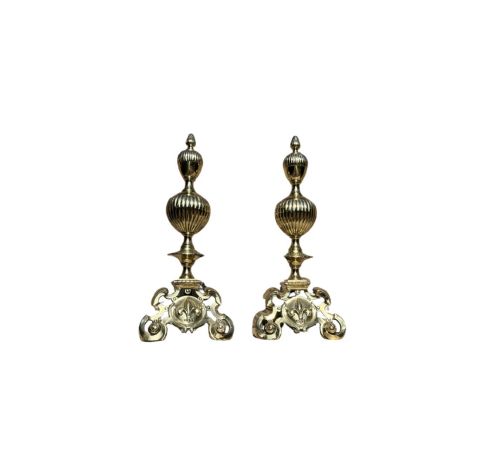
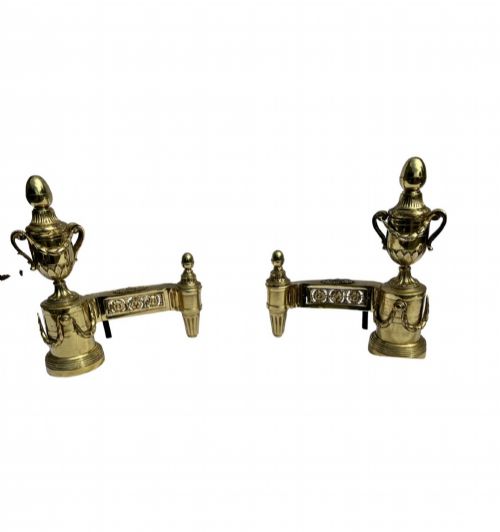
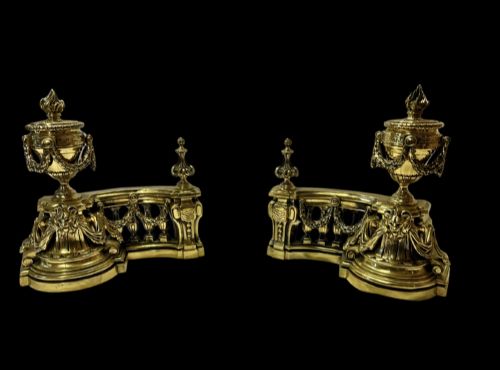
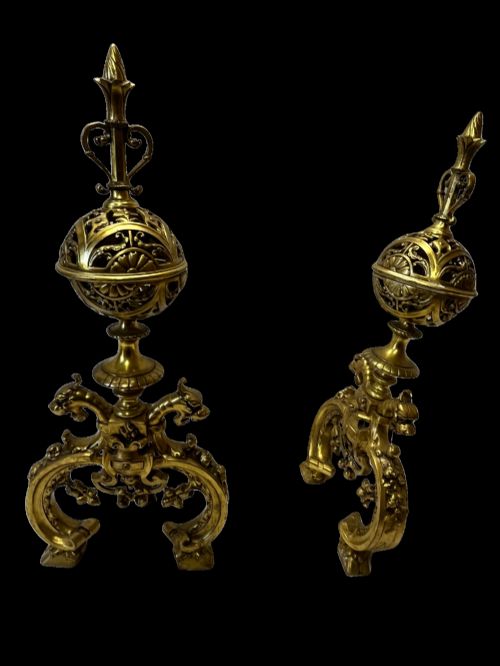
When you search for french brass andirons, you encounter heavy hearth furniture designed to hold logs above the floor of a fireplace. The examples found here span from the eighteenth century through to the early twentieth century, taking the form of matched pairs intended to sit symmetrically at either side of the grate.
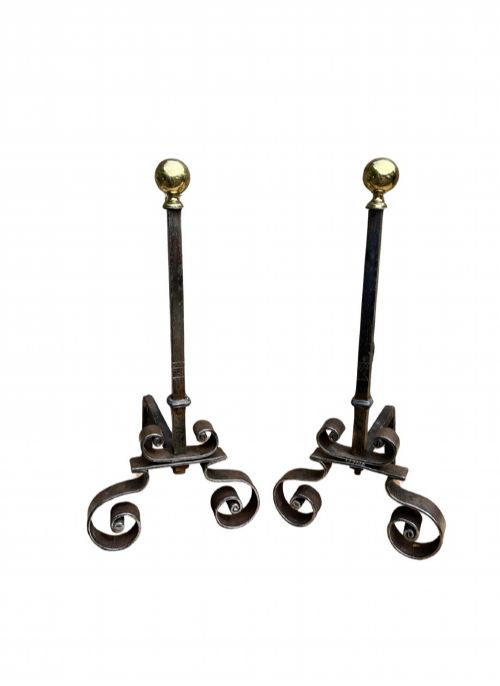
Most pieces meeting this description combine cast brass or ormolu with iron supports, reflecting domestic heating traditions across various periods. You will regularly find them designated as fire dogs or chenets in historical listings, fulfilling identical structural and decorative roles in the reception room.
How they were made
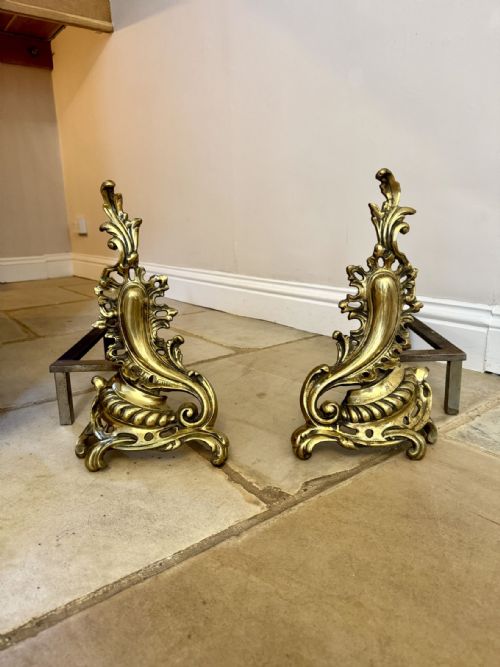
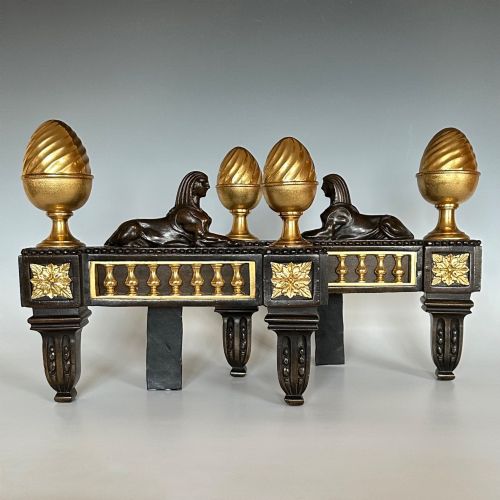
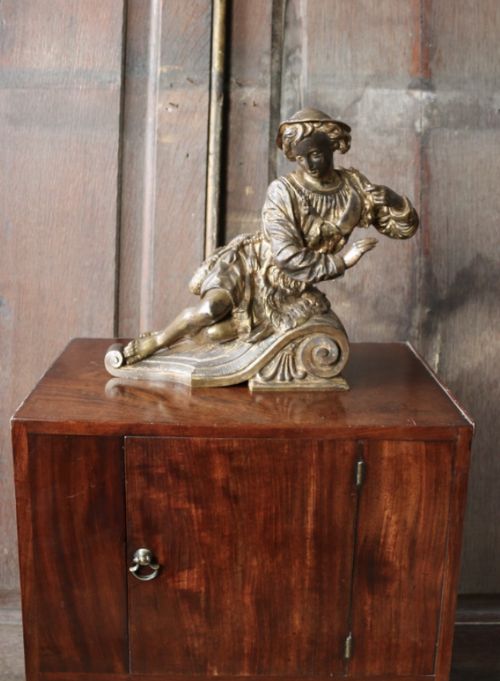
The primary fabrication relies on casting brass, bronze, and ormolu into elaborate decorative motifs, paired with robust iron or wrought iron bars that extend back into the hearth. Foundries utilised lost-wax and sand-casting methods to achieve the scrolling foliage, figural statuettes, and cherub details seen on the front-facing billets.
Gilding techniques such as parcel gilt and ormolu application provide the characteristic golden surface finish on many pieces. These decorative elements are mechanically fastened or pinned to the heavier iron chassis required to withstand intense hearth temperatures.
Some pairs feature cheerful cherubs keeping a permanent, golden watch over your hearth logs.
What varies in quality
The distinction between standard domestic pairs and exceptional examples lies in the crispness of the chased detail and the weight of the metal used. Superior items display deeply modelled surfaces where hand-finishing has sharpened the cast ornamentation.
Integration between the decorative front mount and the structural iron backbar also signals superior manufacture. Heavier castings with intact fire gilding or original parcel gilt surfaces consistently represent the higher tier of hearth equipment.
The French Brass Andirons Glossary
- Andiron
- A metal support for firewood in a fireplace, typically consisting of a vertical decorative front on legs and a horizontal bar behind. They allow air to circulate beneath the logs for a better burn.
- Chenet
- The French term for an andiron, frequently encountered in descriptions of continental hearth furniture. They often feature more elaborate sculptural mounts than their English equivalents.
- Ormolu
- Gilded bronze produced by applying a mixture of gold amalgam to a bronze object and heating it to vaporise the mercury. This technique creates a durable golden coating characteristic of fine decorative metalwork.
- Firedog
- An alternative term for an andiron, describing the animal-like or decorative legs that traditionally supported the front of the device. The name derives from early medieval forms.
- Parcel Gilt
- A method where only specific portions of an object are gilded while other areas show the natural metal underneath. This creates contrast within the sculptural details of the brass and bronze mounts.
French Brass Andirons: Frequently Asked Questions
What do french brass andirons do?
These pieces elevate logs inside a fireplace to improve airflow beneath the fire, helping wood burn more cleanly and efficiently.
At the same time, their decorative fronts provide a permanent focal point for the room, even when the hearth is unlit during warmer months.
How do I clean and maintain them?
Dust them regularly with a soft dry cloth to prevent soot and ash accumulation from dulling the metal surface over time.
Avoid harsh commercial metal polishes that can strip away original patination or historical gilding, opting instead for gentle cleaning methods appropriate for antique brass.
How do I date a pair?
Examine the stylistic vocabulary, such as Rococo curves or Neoclassical symmetry, alongside the construction methods used on the iron backbars and fixing bolts.
Heavier sand castings and specific patination traits often point toward nineteenth-century revival periods rather than eighteenth-century originals.
Can I use them in a working fireplace?
Most of these pieces are structurally robust enough for regular use, featuring heavy iron billets designed to withstand direct heat.
However, delicate ormolu surfaces and fire-gilded finishes benefit from careful placement to prevent smoke staining or heat damage during active fires.