



Neoclassical Fire Dogs
Neoclassical fire dogs anchor a hearth with severe lines and classical restraint, bringing architectural dignity to the fireplace.
Neoclassical Fire Dogs
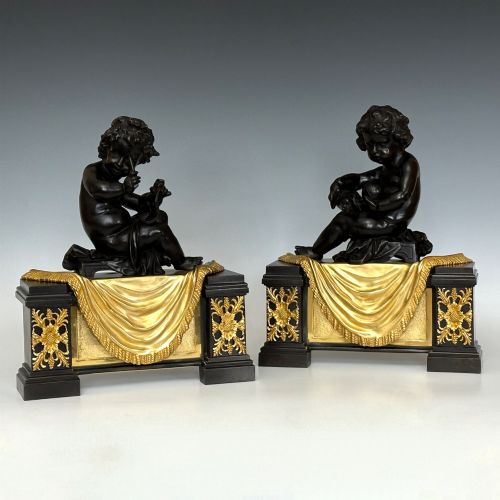
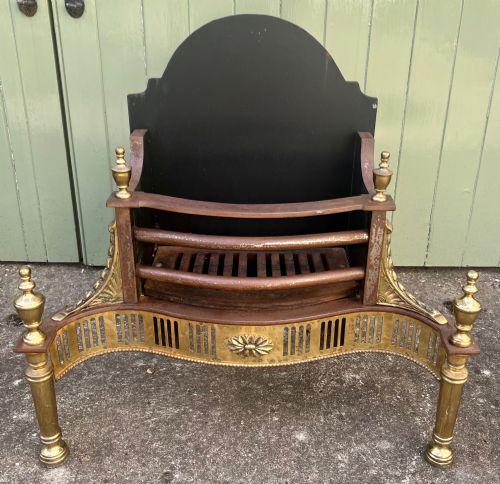
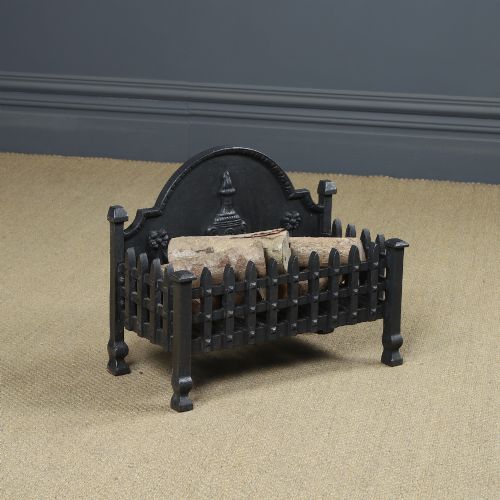
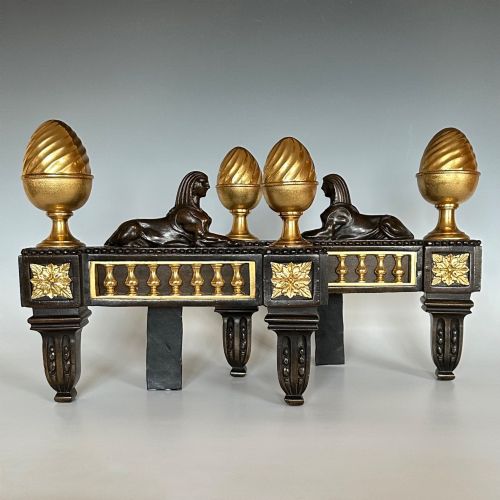
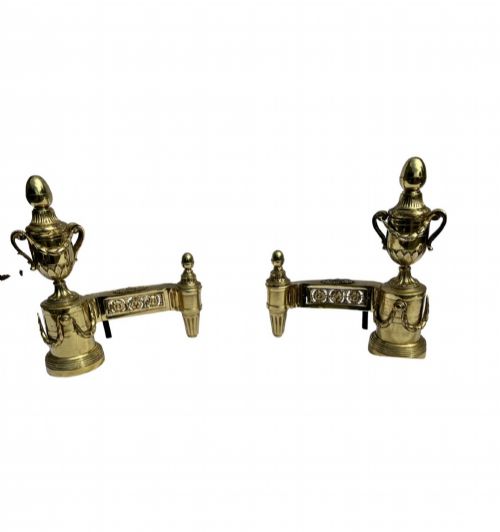
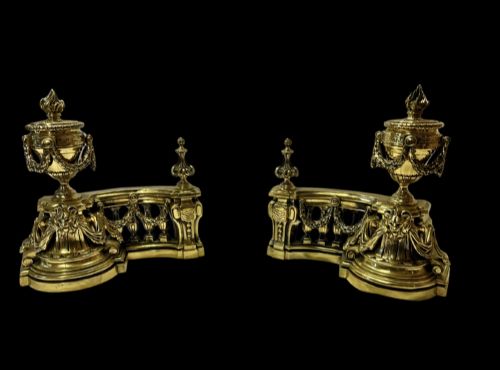
Neoclassical fire dogs are heavy fireplace accessories designed to support logs while displaying the symmetrical motifs of the classical revival. You will frequently encounter pairs fashioned from brass and cast iron, often with the polished surfaces characteristic of nineteenth-century revivals.
The objects span periods from the Georgian era through the Regency and Victorian epochs, alongside twentieth-century copies reflecting earlier tastes. Formats range from simple brass rests to elaborate pairs incorporating bronze and ormolu.
Origin styles include French Empire, Adam, and Louis XVI designs, providing distinct interpretations of classical antiquity for the hearth. These pieces serve both a functional role in supporting fuel and a decorative purpose within the fireplace scheme.
Construction and Materials
The manufacturing process combines robust ferrous metals for structural load with non-ferrous alloys for decorative surfaces. Cast iron provides the necessary weight and heat resistance for the main body and fire baskets.
Brass, ormolu, and bronze are utilised for decorative mounts, finials, and visible front sections, often cast and subsequently chased or polished. Polished steel also appears in late nineteenth-century examples to create a bright, reflective finish.
Some nineteenth-century hearth sets thoughtfully included integrated tool rests for your pokers.
Qualities of Manufacture
The distinction between ordinary and superior pieces lies in the crispness of the casting and the depth of the metalwork. Finer examples display sharp definition in classical motifs like urns and swags, while simpler pieces exhibit softer lines.
The choice of materials also dictates the finish, where genuine ormolu or fire gilding retains a warmer lustre than standard modern plating. Heavy gauge brass and substantial cast iron indicate robust original construction.
The Neoclassical Fire Dogs Glossary
- Chenets
- French term for fire dogs or andirons used to support logs in an open hearth. They frequently feature decorative front terminals.
- Ormolu
- Gilded bronze produced by applying an amalgam of mercury and gold to a bronze base, then heating to drive off the mercury. This technique creates a distinctive matte and bright gold finish.
- Andirons
- Supports placed in a fireplace to hold wood above the hearth floor, allowing air to circulate beneath the fire. They consist of a vertical front standard and a horizontal bar extending backward.
- Fire Grate
- A metal basket or frame designed to hold coal or wood within a fireplace. Many include integrated fire dogs or side supports.
- Adam Style
- An eighteenth-century neoclassical design style characterised by lightness, symmetry, and classical motifs derived from archaeological excavations.
Neoclassical Fire Dogs: Frequently Asked Questions
What is the difference between fire dogs and andirons?
The terms are generally interchangeable, though fire dogs often refer specifically to continental designs with decorative fronts while andirons denote English hearth supports.
Both serve the same primary function of holding logs above the hearth base to improve airflow.
How do I date a pair of fire dogs?
Dating relies on identifying the underlying material casting techniques and stylistic markers such as Regency or Adam motifs.
Twentieth-century revival pieces often copy eighteenth and nineteenth-century forms, requiring close inspection of metal wear and construction methods.
Can these be used in a working fireplace?
Most examples made from cast iron and brass are structurally robust enough for regular use with wood fires.
Fragile surface finishes like ormolu or delicate nineteenth-century polished steel require care to prevent heat damage or tarnishing.
Why are some fire dogs paired with grates?
Grates were developed to burn coal efficiently in addition to wood, requiring integrated metal frames to contain smaller fuel.
Many nineteenth-century designs combined functional fire baskets with neoclassical brass and iron front standards.