


Antique Liqueur Glass
These antique liqueur glass selections range from delicate Victorian stems to bold Art Deco decanter sets designed for after-dinner spirits.
Antique Liqueur Glass
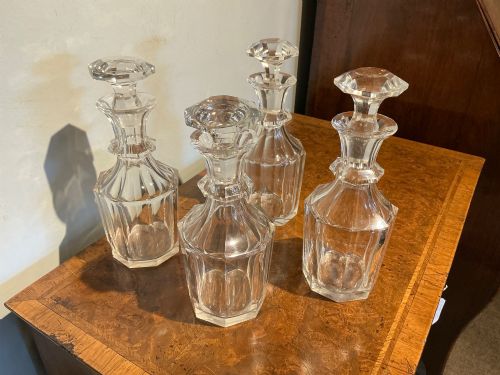
An antique liqueur glass search uncovers everything from single cordial stems to complete matching barware services with decanters and trays. The most frequent discoveries span the Victorian era up to the geometric lines of the 1930s.
Drinking vessels for spirits appear as small cordial glasses, shot glasses, and vodka cups alongside larger ewers and bottled sets. Enclosed tantalus cabinets and portable cave a liqueur boxes also surface regularly.
Origin points stretch across Britain, France, Bohemia, and Scandinavia, reflecting diverse social rituals tied to post-prandial drinking. Matching sets with trays remain the most sought-after configuration for modern display.
Crystal, enamel and precious mountings
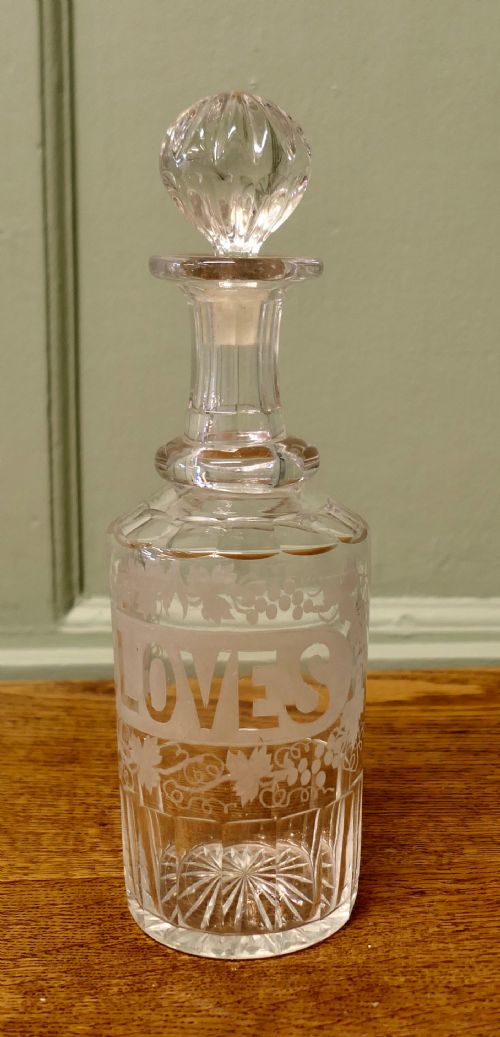
Makers utilised heavy lead crystal, cut glass, and coloured glass blown into intricate moulds or shaped by hand. Etched patterns, surface engraving, and vibrant enamel decoration frequently adorn the bodies of decanters and small vessels.
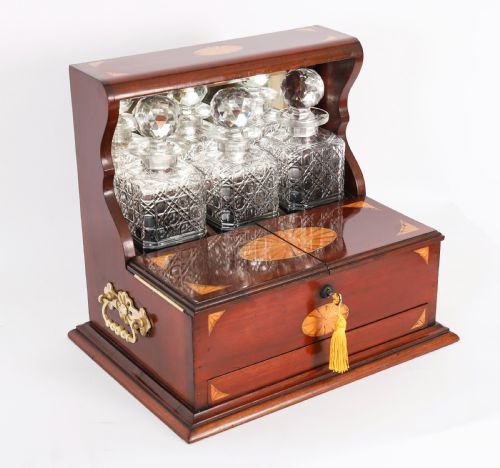
Metalwork played a structural and decorative role, with silver, silver plate, ormolu, and brass forming mounts, trays, and locking tantalus frames. Fine wooden cases incorporated satin wood inlays and brass hardware to secure delicate glassware inside.
Black Forest tantalus boxes bring a touch of woodland whimsy to your spirits cabinet, keeping your brandy safe with carved wooden charm.
Design ambition and material weight
Quality rests upon the crispness of the glass cutting, the depth of hand-applied enamel work, and the structural integrity of any accompanying metal frames or wooden boxes. Heavy lead crystal and substantial silver mounts indicate superior atelier output compared to lighter, pressed alternatives.
Design distinction separates standard production from ambitious studio output, particularly in notable Art Deco Czech lines or French ormolu-mounted tantalus boxes. Complete, matching sets with all original glasses and trays command greater interest than partial assemblages.
Baccarat·Rene Lalique·Val Saint Lambert·Theresienthal·Karl Palda·Harry Powell Whitefriars·Elkington·Salviati
The Antique Liqueur Glass Glossary
- Cave a liqueur
- A portable locking box or cabinet fitted with decanters and matching glasses. These French cellars often utilise ormolu mounts and satin wood veneers.
- Tantalus
- A locking beverage stand that displays decanters while preventing access to the contents without a key. The wooden or metal frame holds stoppered bottles securely.
- Cordial glass
- A small drinking vessel designed for serving thick, sweet liqueurs after a meal. These stems often feature faceted bowls or slender stems.
- Ratafia glass
- An eighteenth-century drinking vessel with a long, narrow bowl intended for fruit-infused cordials. They frequently display balustroid stems.
- Ormolu
- Gilded bronze used widely in nineteenth-century French decorative arts. It provides ornamental mounts for liquor cabinets and glassware stands.
Antique Liqueur Glass: Frequently Asked Questions
What is a cave a liqueur?
A cave a liqueur is a portable wooden box or cabinet fitted with compartments for decanters and small glasses. These French cellars often feature brass inlays or ormolu mounts.
Wealthy households used them in the nineteenth century to serve after-dinner drinks in drawing rooms. The locking mechanism kept expensive spirits secure from household staff.
How do I date an antique tantalus?
Dating relies on the materials, locking mechanisms, and overall aesthetic style of the wooden or metal frame. Victorian examples often showcase heavy mahogany or oak with brass fittings.
Later Edwardian and Art Deco versions introduce sleeker lines and different woods like satin wood. The design of the included decanters also helps narrow down the exact decade of manufacture.
What is the difference between a cordial and a liqueur glass?
Cordials and liqueurs were historically served in small vessels, though terminology varies by period. Liqueur glasses often form part of matched sets with decanters.
Earlier eighteenth-century cordial glasses usually feature taller, narrower bowls with distinct air twist or baluster stems. Victorian and later examples lean towards colourful glass and enamel decoration.
How were antique decanter sets used?
Decanter sets were displayed on sideboards or trays during formal dinners and evening gatherings. Hosts used them to serve strong digestifs and sweet spirits to guests.
Portable tantalus sets and liquor boxes allowed hosts to lock away valuable spirits between uses. Complete sets often included matching stoppers and small shot glasses or stems.