
Antique Lidded Vessel
When you search for an antique lidded vessel, you encounter a diverse array of covered containers spanning centuries, continents, and domestic uses.
Antique Lidded Vessel
An antique lidded vessel encompasses a wide range of covered containers, from small tabletop items to large floor-standing receptacles. When you browse this selection, you encounter utility objects and decorative pieces alike, spanning the eighteenth, nineteenth, and early twentieth centuries.
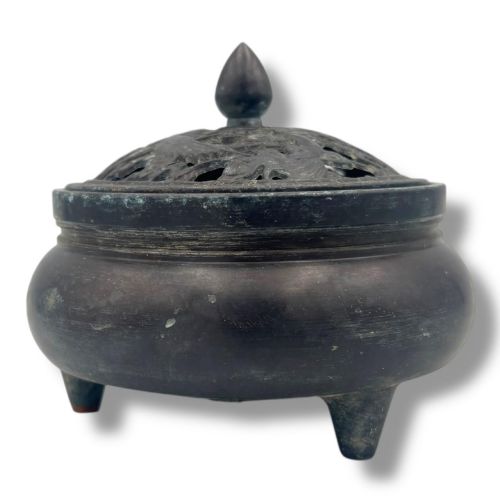
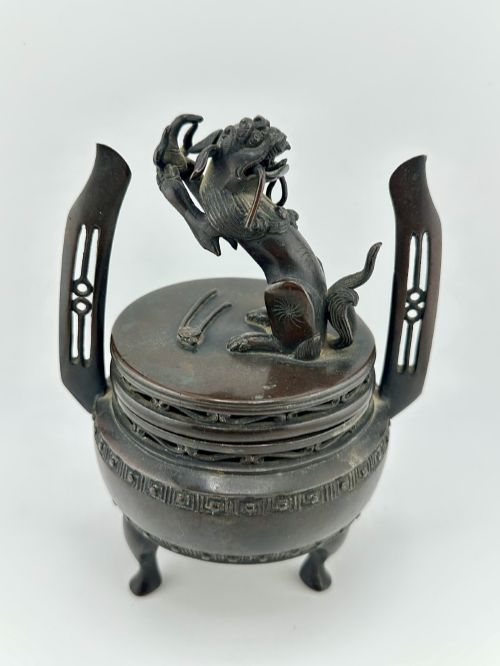
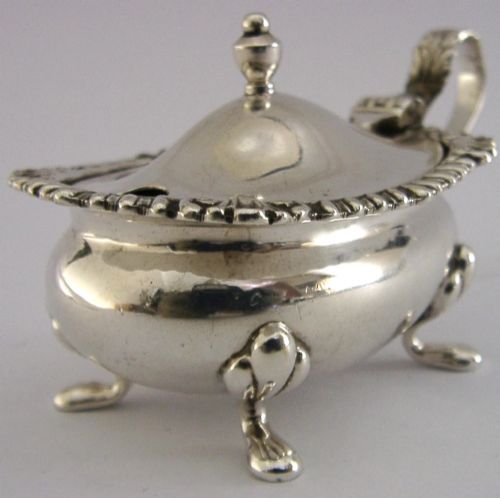
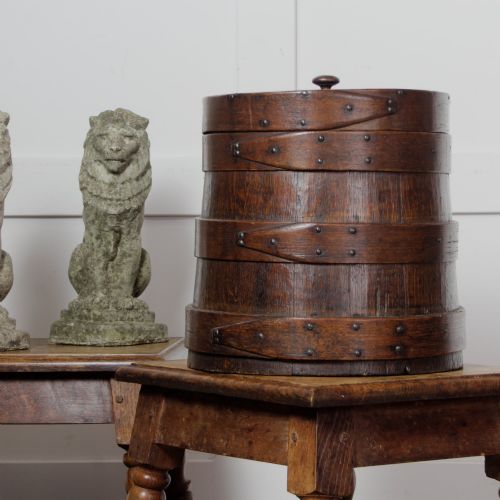
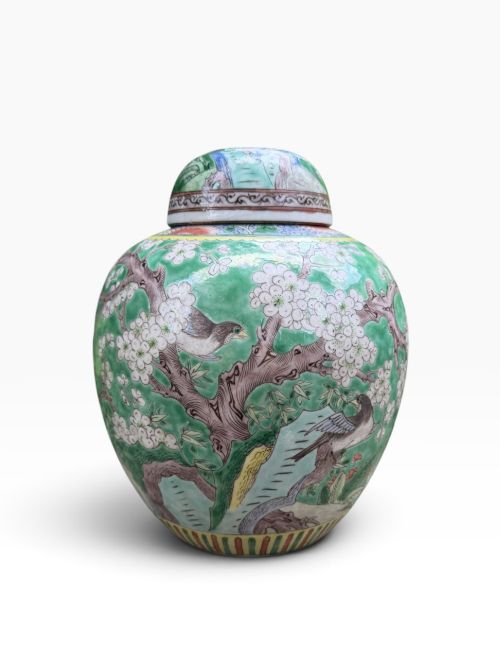
The forms vary considerably across cultures and periods, including ginger jars, mustard pots, incense burners, sugar bowls, and larger coal buckets. Many pieces originate from British and European workshops, alongside significant examples from Chinese, Japanese, and Indian makers.
Domestic and ritual functions dictate the form, uniting utilitarian storage items with purely ornamental urns. The presence of an original cover remains a defining characteristic across all these diverse categories.
How they were made
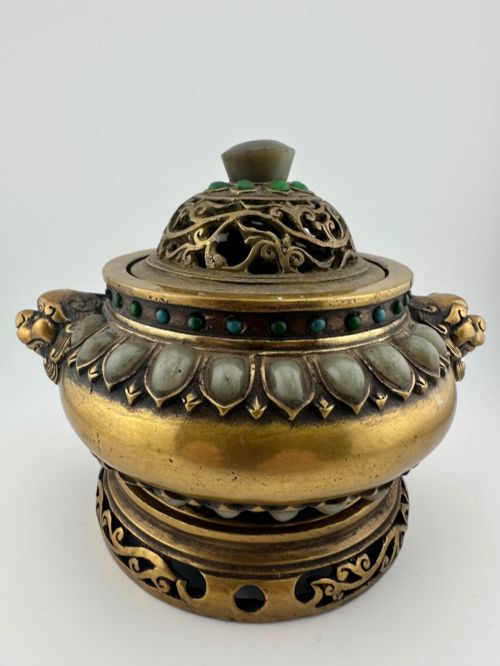
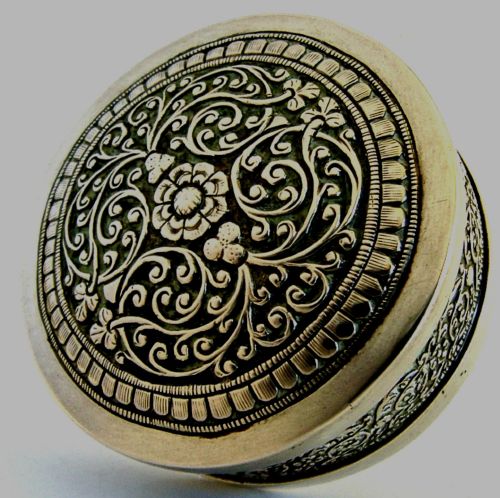
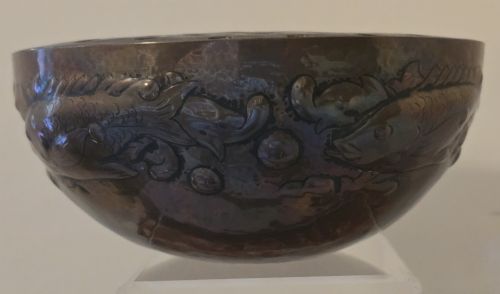
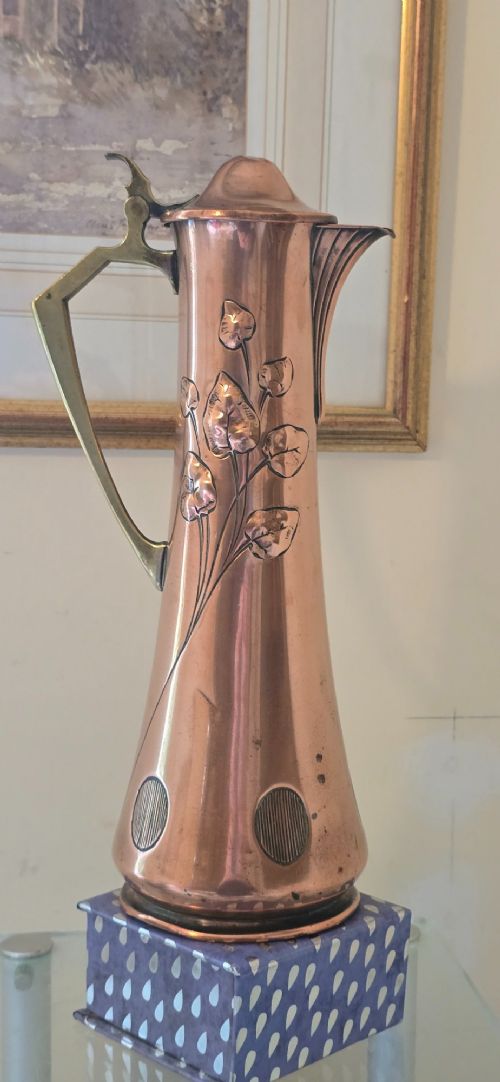
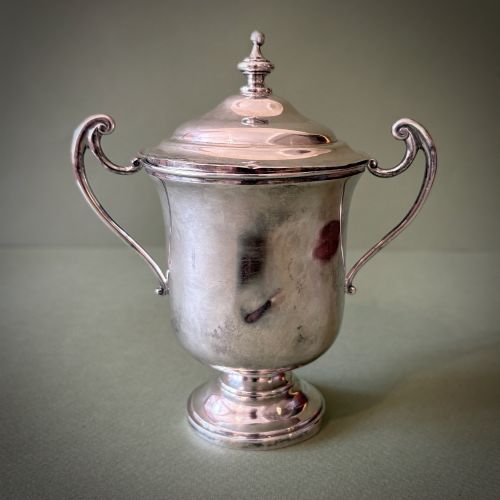
Metals form a substantial portion of the evidence, utilising sterling silver, copper, brass, bronze, and pewter shaped through casting, hammering, and repoussé techniques. Makers frequently employed precious metal collars, hinges, and detailed finials to complete the metalwork.
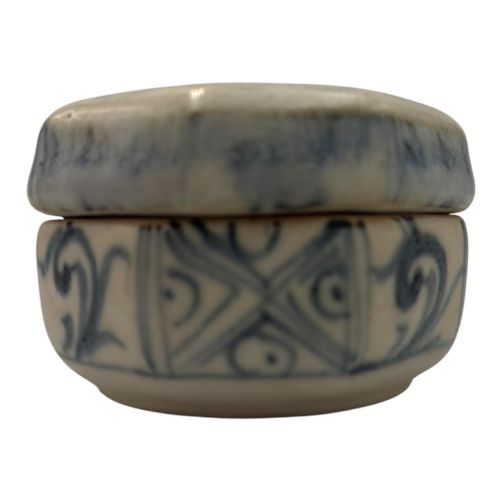
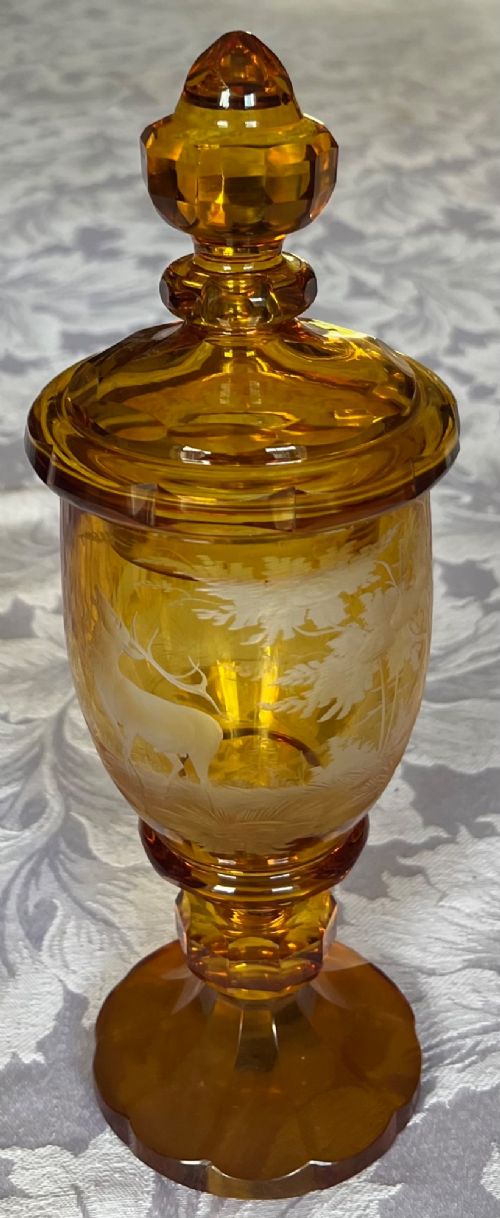
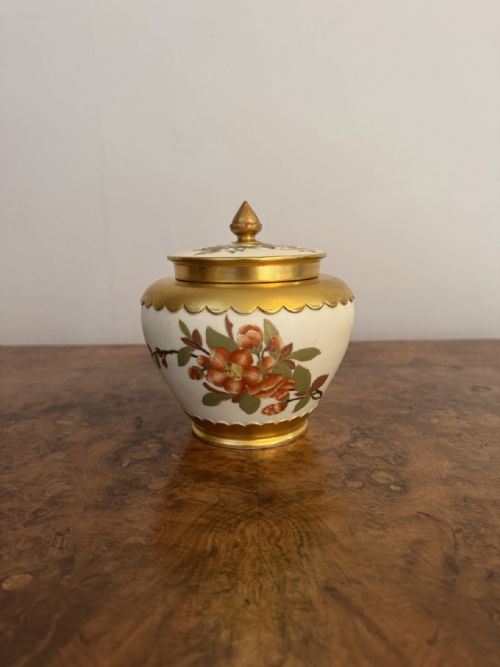
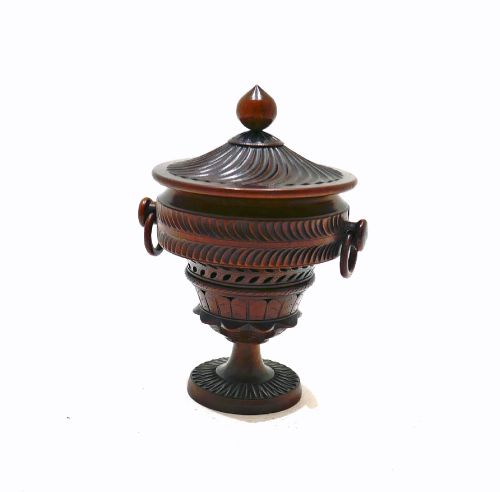
Ceramics and glass appear extensively, represented by porcelain, earthenware, stoneware, and delftware finished with specialised glazes and hand-painted or transfer-printed decoration. Woodworking traditions are also present, utilising carved walnut, oak, and treen fruitwood.
Composite construction occurs frequently, combining ceramic bodies with silver mounts, or copper vessels fitted with iron frames and wooden elements. These varied manufacturing methods reflect the specific functional requirements of each object type.
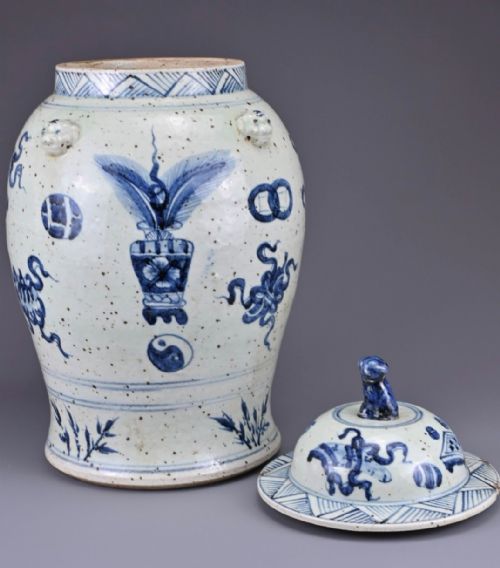
Objects span multiple origins, including English silver mustard pots, Japanese bronze koro, and Chinese porcelain ginger jars.
What varies in quality
The refinement of surface decoration and the precision of the metal casting or ceramic throwing separate everyday utility pieces from exceptional examples. Fine chiselling on bronzes, detailed hand-painting on porcelains, and intricate fretwork on brass or copper indicate superior workshop output.
The proportional harmony between the vessel body and its cover demonstrates the maker's skill and aesthetic ambition. Superior execution is evident when finials, handles, and feet complement the primary silhouette without appearing disproportionate.
Royal Worcester·Charles Fox II·John Payne·Joseph Sankey·Fukagawa
The Antique Lidded Vessel Glossary
- Censer
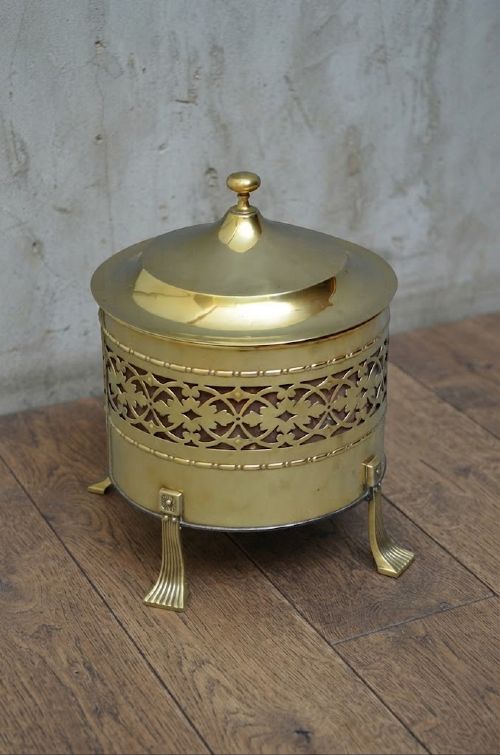
- A vessel designed for burning incense, frequently featuring a pierced cover to allow smoke to escape. These often stand upon three or more feet.
- Koro
- A Japanese incense burner, typically manufactured from bronze or Satsuma porcelain and completed with a decorative lid. They form part of traditional Japanese artistic production.
- Posset pot
- A two-handled ceramic cup used historically for holding posset, a hot spiced milk drink curdled with wine or ale. They date primarily to the seventeenth and eighteenth centuries.
- Finial
- A decorative knob or ornament fixed to the top of a lid or cover. They are rendered in forms ranging from simple spheres to carved animals and foliage.
- Treen
- Small handmade wooden objects produced before the widespread adoption of modern plastics. This term covers items turned on a lathe or carved from fruitwoods.
Antique Lidded Vessel: Frequently Asked Questions
What is an antique lidded vessel used for?
These covered containers served numerous practical and decorative purposes throughout history, ranging from dining table condiments and dry goods storage to burning incense and holding potpourri. Many functioned as secure containers for valuable substances, while others were displayed primarily as ornamental centerpieces.
Domestic interiors relied on these receptacles for daily organisation, whereas larger examples managed household fuel or dry provisions. Over time, their roles frequently shifted from active utility to decorative display.
How do I care for silver and copper vessels?
Metal vessels require gentle handling to preserve their historic surfaces, avoiding abrasive cleaning agents that strip patination. Regular dusting and appropriate specialised polishes applied sparingly will maintain their appearance without damaging delicate chased or engraved details.
Wooden and ceramic components demand stable environmental conditions with minimal humidity fluctuations to prevent cracking or crazing. Displaying pieces away from direct sunlight protects vulnerable glazes and organic materials.
How can I tell different periods apart?
Stylistic indicators such as Neoclassical symmetry, Arts and Crafts hand-hammering, or Victorian ornamentation provide primary clues to a date of manufacture. Material composition and manufacturing technology also evolve, shifting from early hand-forged metals and tin-glazed earthenware to later industrial production methods.
Maker marks, hallmarking systems, and specific regional decorative motifs further narrow the chronology. Comparing construction techniques against dated benchmarks helps establish the correct period.
Are lids usually original to the pieces?
Many surviving containers retain their original covers, though centuries of use mean that some lids are later replacements or matched period items. Careful inspection of the fit, wear patterns, and material composition helps determine whether a lid belongs to the base.
Makers often fitted covers precisely to individual bodies during initial production, leaving subtle alignment cues. A matching patination across both parts generally indicates they have remained together.