




Antique Lead Glass Bowl
These antique lead glass bowl examples and related drinking vessels bring historic clarity and weight to any table.
Antique Lead Glass Bowl
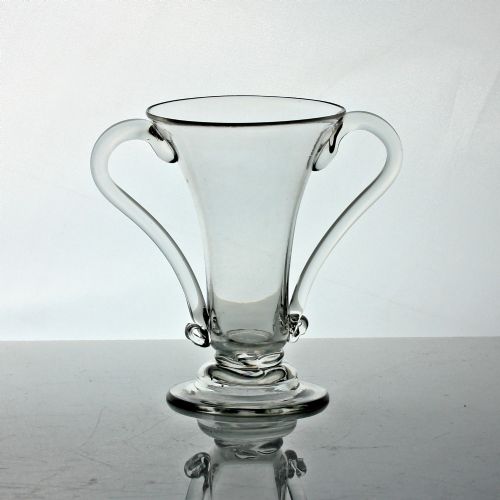
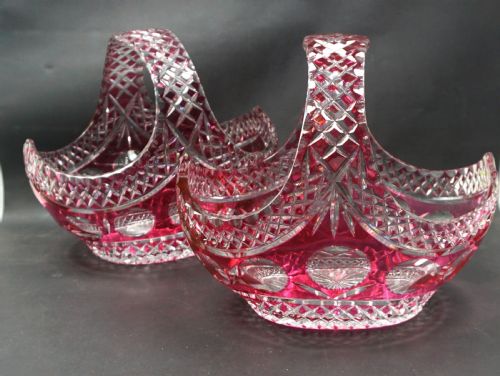
An antique lead glass bowl search brings together heavy serving dishes, centrepiece bowls, and smaller drinking vessels spanning the Georgian, Victorian, and Edwardian eras. Buyers looking for these pieces will frequently encounter eighteenth-century wine glasses alongside nineteenth-century cut glass bowls and baskets.
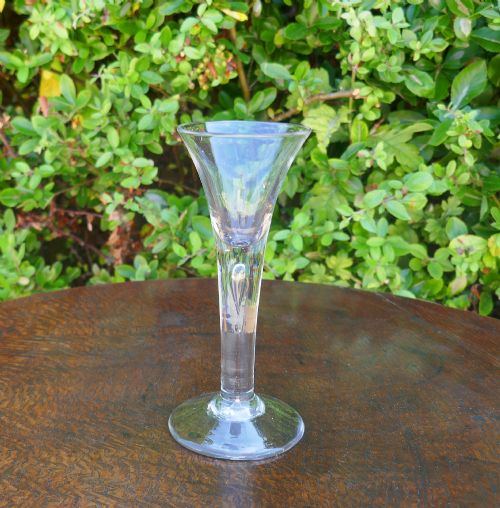
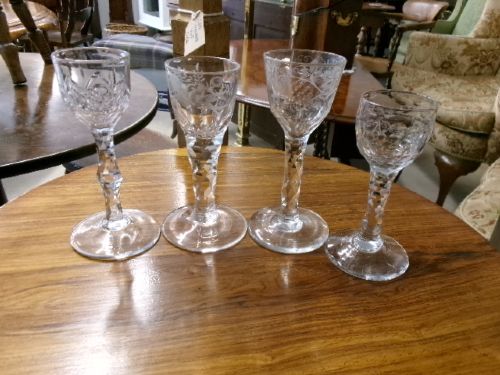
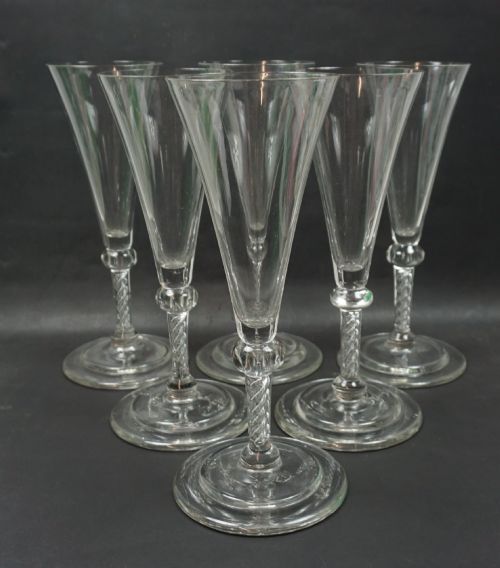
The selection ranges from early flint glass stems with air twists to large Victorian pedestal bowls and Regency rummers. While the search phrase points specifically to bowls, the surviving record shows a strong presence of drinking glasses and decorative dishes from the same periods.
How they were made
Maker operations relied on lead glass and flint glass compositions that imparted a distinct heaviness and clarity to the material. Artisans shaped these vessels through blowing, moulding, and wheel-cutting.
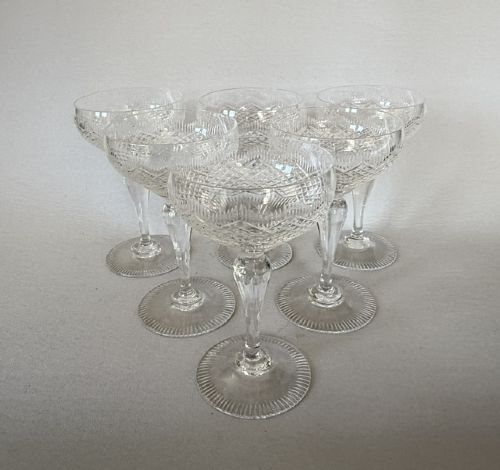
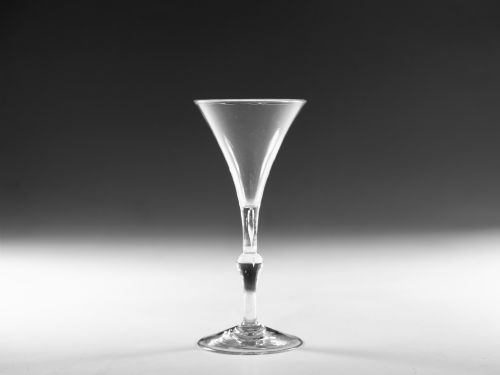
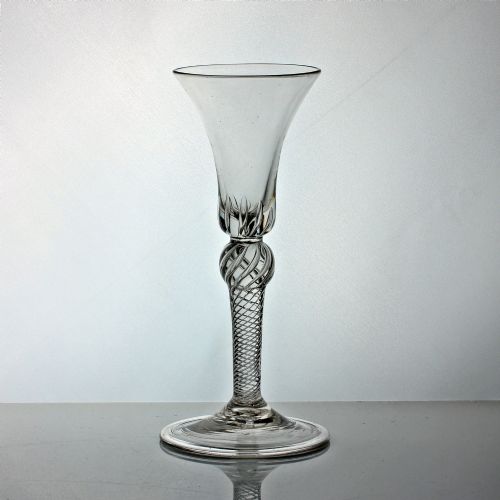
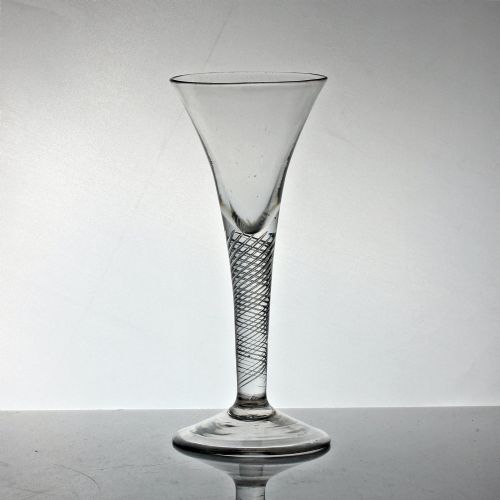
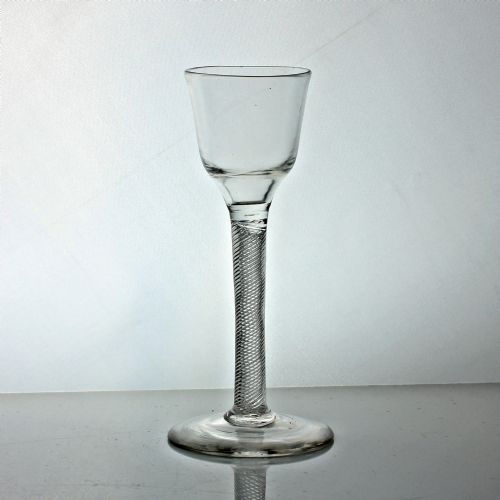
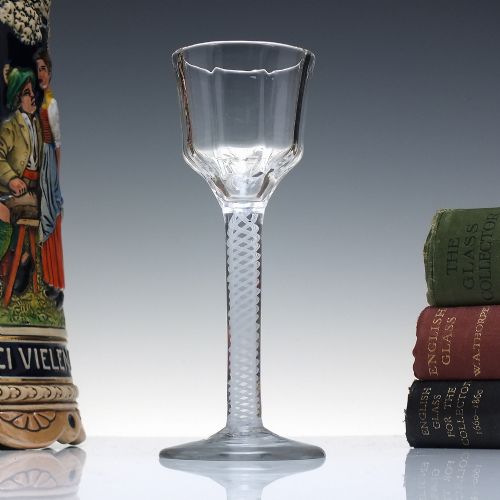
Surface decoration frequently involved deep hobnail cutting, facet cutting, and engraving. Twist stems on drinking glasses incorporated internal air bubbles or opaque white enamel threads within the molten metal.
Listings span the eighteenth, nineteenth, and early twentieth centuries, featuring lead glass, flint glass, and enamel materials.
What varies in quality
Quality rests in the optical purity of the metal and the crispness of the wheel-cut facets. Superior examples show high refractive brilliance without cloudiness or heavy internal impurities.
The confidence of the hand-cutting and the stability of the foot base separate standard domestic items from exhibition pieces. On stems, the precision of the air twist or opaque twist dictates the standing of the piece.
Val St Lambert
The Antique Lead Glass Bowl Glossary
- Air twist
- A stem formation containing spiral channels of trapped air inside the glass. This technique dates predominantly to the eighteenth century.
- Flint glass
- An early term for heavy, high-refractive lead glass developed in England. It provides the characteristic weight and brightness found in Georgian tablewares.
- Opaque twist
- A stem decoration formed by white or coloured enamel threads drawn into spirals within the clear glass rod. It represents a key dating feature for mid-Georgian glassware.
- Rummer
- A large, sturdy drinking glass with a short stem and deep bowl, popular from the late eighteenth century onwards. These pieces were designed for ale, beer, or punch.
- Baluster stem
- A thick, swelling stem form resembling architectural supports, common in early eighteenth-century English drinking vessels. It gives the glass substantial physical weight in the hand.
Antique Lead Glass Bowl: Frequently Asked Questions
What is an antique lead glass bowl?
An antique lead glass bowl is a heavy decorative or serving vessel made from glass containing lead oxide, which gives it extra brilliance and weight. These pieces date across the Georgian, Victorian, and Edwardian periods.
They appear in forms ranging from large pedestal centrepieces to lidded dishes and cut glass baskets used for fruit or condiments.
How do I date an old glass bowl?
Dating relies on observing the manufacturing technique, the form of the foot, and the style of the cutting. Eighteenth-century pieces often show pontil marks on the base and simpler, heavier proportions.
Later Victorian and Edwardian examples tend to feature machine-polished facet cutting and more elaborate moulded decoration. Comparing the bowl shape and rim finish to documented examples helps narrow the decade.
Were these bowls used for food?
Many of these vessels served practical functions on the dining table, holding items like butter, jelly, fruit, or condiments. Large centrepiece bowls graced the middle of the table during formal meals.
Smaller dishes and baskets held sweetmeats or sauces, combining utility with visual display in wealthy households.
How should I clean lead glass?
Lead glass requires careful hand washing in warm water with a mild detergent. Avoid sudden temperature changes to prevent cracking the historic material.
Dry the pieces immediately with a lint-free cloth to maintain the clarity and brilliance of the lead crystal.