


Clear Glass Wine Cooler
These clear glass wine cooler pieces are practical serving vessels designed to chill bottles, valued for their combination of heavy glass and metal mounts.
Clear Glass Wine Cooler
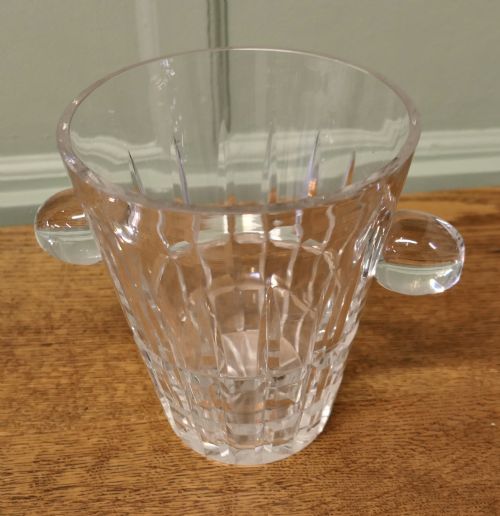
When you search for a clear glass wine cooler, you encounter a range of serving vessels spanning the nineteenth and twentieth centuries. These objects take the form of heavy glass buckets, rinsers, and champagne coolers designed to hold ice and bottles at the dining table.
You are most likely to meet examples from the Art Deco period and the early twentieth century on this page. These pieces often combine clear lead crystal or cut glass bodies with mounts in silver plate, brass, or gilt bronze.
How they were made
Makers produced these vessels using heavy glass and lead crystal, frequently employing hand-blown techniques and intricate hand-cut patterns to catch the light. The resulting bodies provide the necessary thickness and weight to withstand ice and cooling bottles.
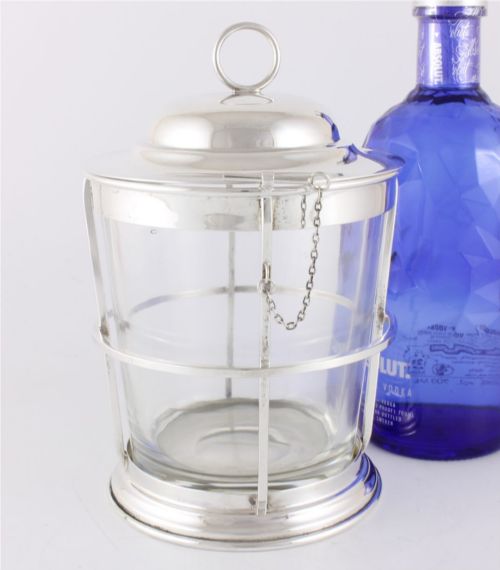
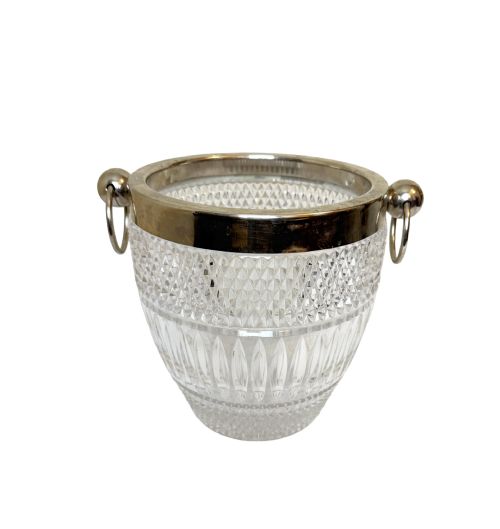
Craftsmen integrated metal mounts in silver-plate, brass, and gilt bronze directly onto the glass bodies. These fitted rims, handles, and bases required precise metalworking to match the contours of each individual vessel.
Listings feature items spanning the nineteenth century through the 1950s, utilising glass, cut crystal, silver plate, and gilt bronze.
What varies in quality
The distinction between ordinary and superior pieces rests on the depth and clarity of the glass cutting. Heavier lead crystal with crisp, hand-cut facets demonstrates a higher standard of manufacture than simpler moulded glass bodies.
The quality of the secondary materials also defines the tier of the piece. Substantial silver-plate or gilt bronze mounts with secure fittings indicate a higher grade of production than basic brass or unmounted designs.
PH Vogel
The Clear Glass Wine Cooler Glossary
- Lead crystal
- Glass containing metal oxides that increase weight, brilliance, and clarity. This heavy material allows for deep, sharp cutting.
- Silver plate
- A base metal coated with a thin layer of silver. This technique provided the appearance of solid silver for mounts and handles at a lower cost.
- Gilt bronze
- Bronze treated with a fine layer of gold or gold-coloured alloy. It appears on mounts to add decorative warmth.
- Rinser
- A small bowl or vessel used at the table for washing glasses between courses. They share the same glass and cutting techniques as larger coolers.
- Art Deco
- A design style from the early twentieth century featuring geometric lines and streamlined forms. Pieces from this era often display bold, clean cutting.
Clear Glass Wine Cooler: Frequently Asked Questions
What is a clear glass wine cooler used for?
These vessels were designed to hold ice and water to chill wine and champagne bottles at the table. They served both a functional cooling purpose and a decorative role during formal meals.
Over time, collectors have repurposed many of these items as decorative ice buckets or floral vases. Their robust glass construction allows them to handle frequent use in modern settings.
How do I date a glass wine cooler?
Dating relies on observing the combination of cutting styles, glass thickness, and metal mounts. Pieces from the Regency era feature distinct neoclassical motifs, while Art Deco examples show geometric lines.
Examining the wear on the base and the method of glass manufacture also helps determine age. Heavier lead crystal and hand-cut facets generally point towards nineteenth or early twentieth-century production.
Are these coolers safe to use with ice?
Most of these vessels are made from heavy glass or lead crystal designed to hold ice and chilled bottles. Their robust construction handles temperature changes well during normal dining use.
Care should be taken to avoid thermal shock from boiling water or extreme temperature shifts. Hand washing preserves both the glass clarity and any metal mounts.
What is the difference between an ice bucket and a wine cooler?
Wine coolers and champagne coolers are generally taller and deeper to accommodate an entire bottle alongside ice. Ice buckets tend to be more compact vessels intended primarily for holding serving ice.
In practice, many historical pieces served dual purposes depending on the occasion. Makers often applied similar cutting patterns and metal mounts to both forms.