
Antique Wine Cooler Bucket
An antique wine cooler bucket brings period character to a dining room, offering a functional vessel for chilling bottles.
Antique Wine Cooler Bucket
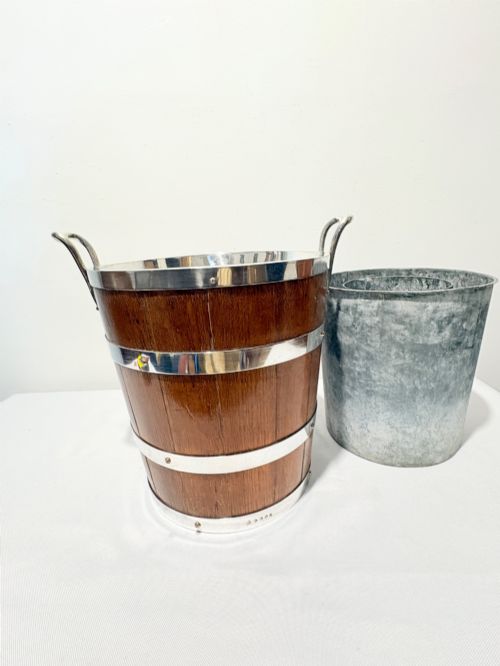
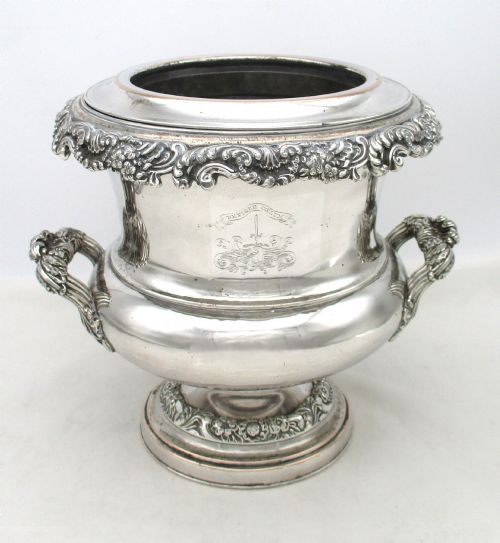
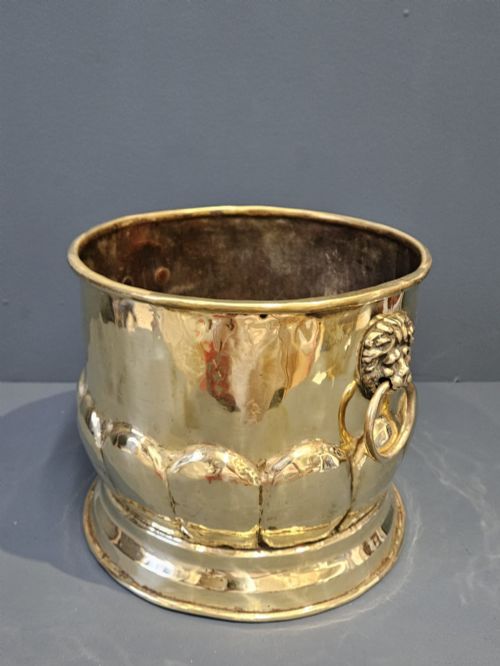
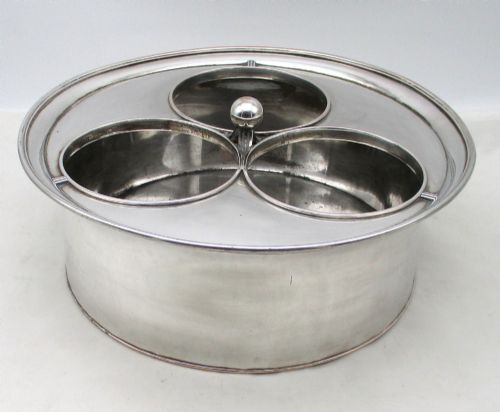
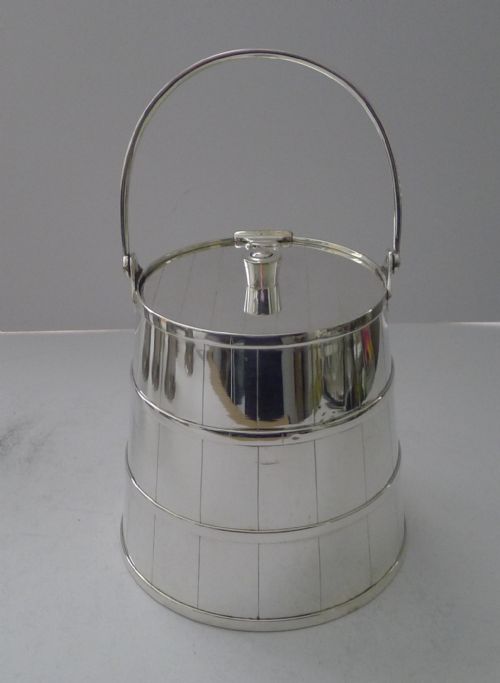
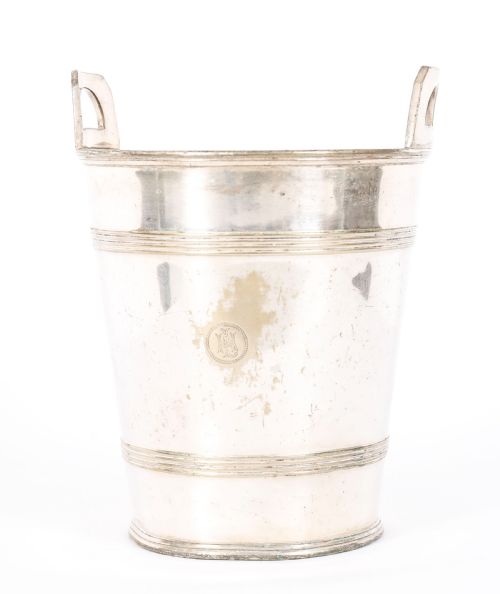
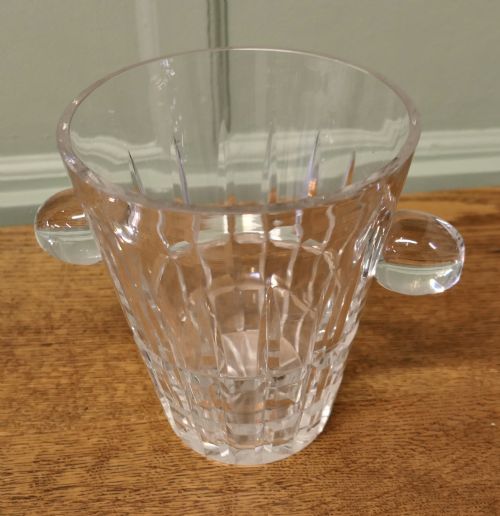
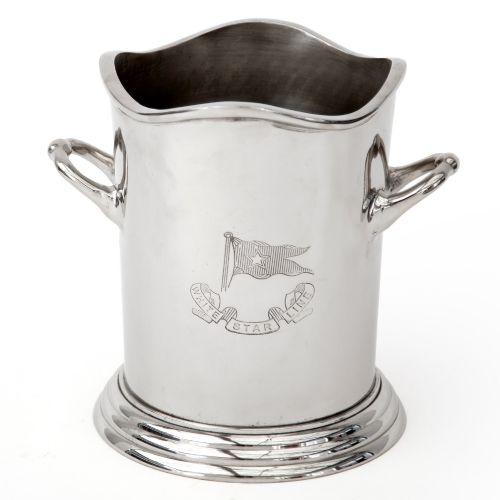
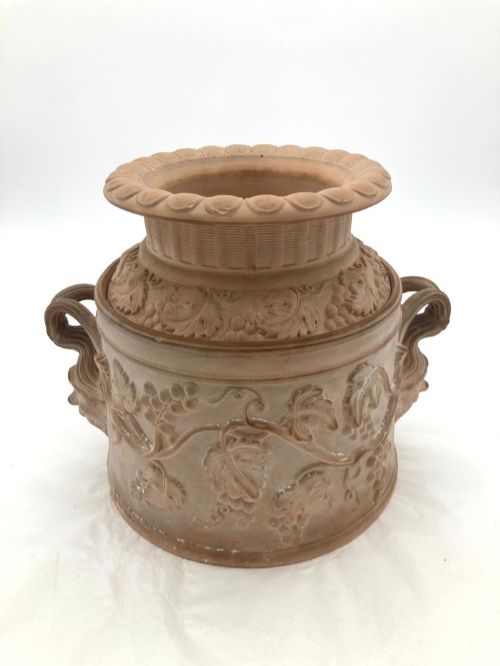
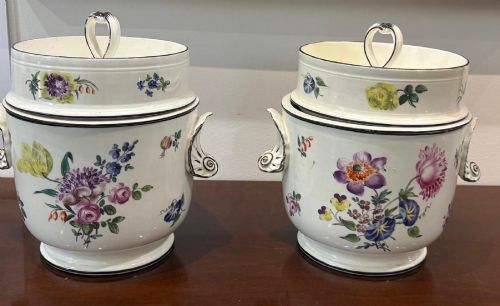
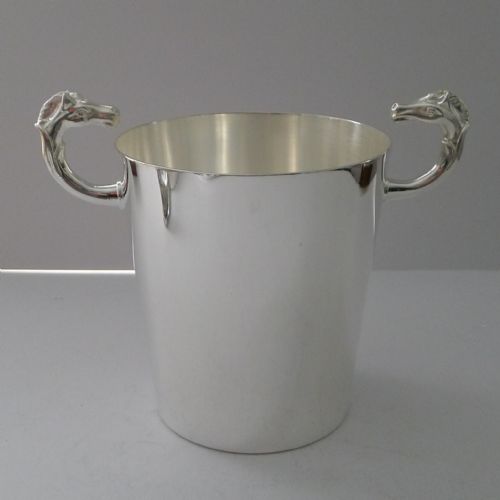
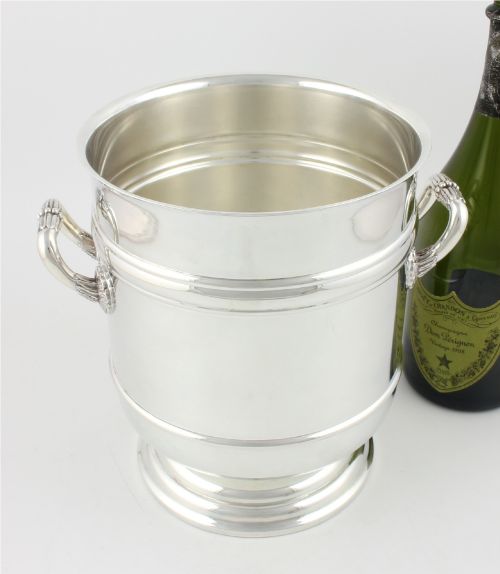
An antique wine cooler bucket encompasses a range of vessel forms designed for holding ice and lowering the temperature of wine or champagne at the dining table. The selection spans robust timber constructions with metal bands alongside polished silver plate and heavy copper bodies.
Buyers frequently encounter Georgian mahogany examples alongside later Victorian silver-plated vessels and twentieth-century Art Deco coolers. These objects shift in scale from single-bottle table holders to substantial floor-standing pieces intended for grander interiors.
Materials and construction methods
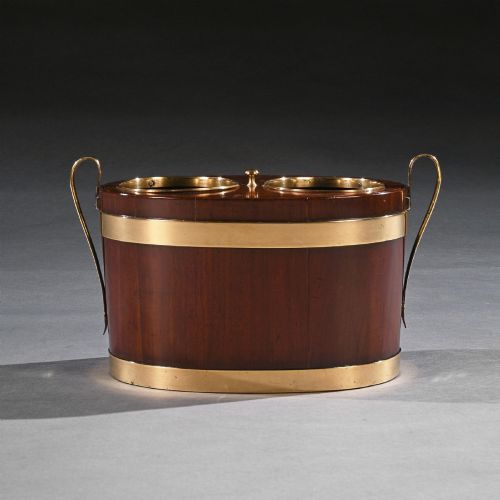
Coopering techniques dominate the timber vessels, utilising staves of mahogany or oak bound tightly together with brass or iron hoops. Cabinetmakers shaped these woods to form oval, boat-shaped, or cylindrical bodies suited to holding liquid and ice.
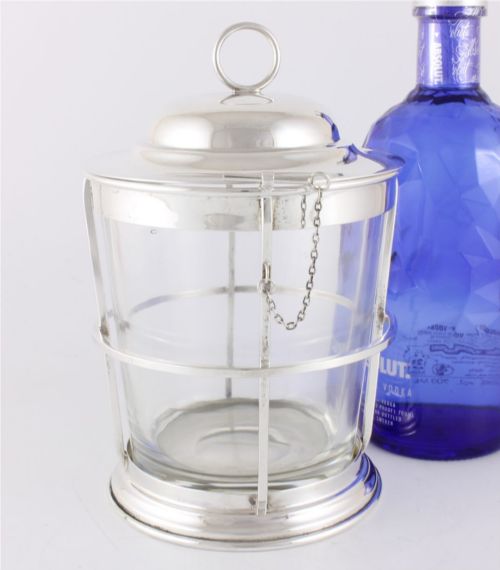
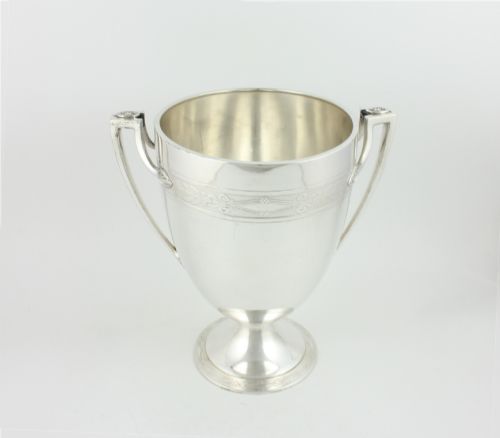
Metal vessels rely on silver plating over base metals like copper or brass, sometimes incorporating applied cast handles, crests, and decorative borders. Ceramic and porcelain examples demonstrate moulded earthenware and fine porcelain bodies painted or glazed in period palettes.
Materials span heavy mahogany, silver plate, copper, brass, and porcelain across periods from the eighteenth century through to the mid-twentieth century.
Distinguishing quality across the range
The standard of an antique wine cooler bucket depends upon the crispness of its metal mounts and the tightness of its wooden joinery. Superior examples display hand-cut dovetails or precise stave fitting, whereas lesser pieces show uneven gaps or replacement metalwork.
Maker attribution elevates certain silver-plated and ceramic vessels, particularly those bearing marks from established firms such as Christofle, Elkington, or Davenport. The weight of the metal and the definition in cast decorative motifs also indicate the original workshop tier.
Hutton Sheffield·Christofle·Elkington Mason And Co·WMF·Ercuis·Puiforcat·Mappin And Webb·Walker And Hall
The Antique Wine Cooler Bucket Glossary
- Coopered
- Built from curved wooden staves joined edge-to-edge and bound with metal hoops. This traditional method ensures watertight integrity for holding ice and bottles.
- Old Sheffield Plate
- A fused composite material made by melting a sheet of silver onto a heavier copper base. This early plating method produces a warm lustre distinct from later electroplate.
- Jardinière
- An ornamental pot or stand used to hold plants or flowers. These items often share forms and materials with wine buckets.
- Plate bucket
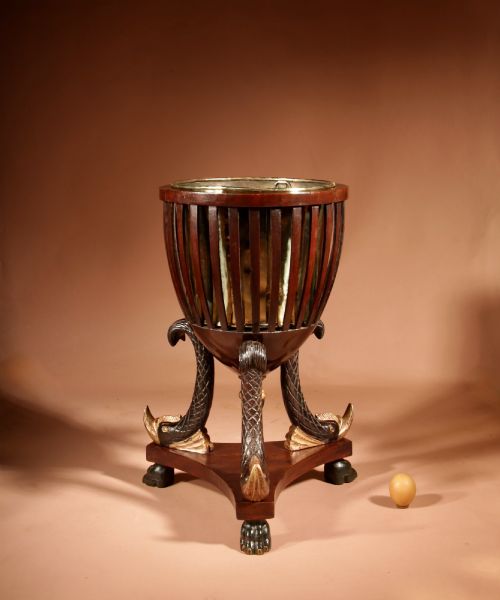
- A slatted wooden container designed for carrying or storing table plates. They frequently share the coopered construction style of period wine coolers.
- Ormolu
- Gilded bronze mounts applied to decorative vessels. This finish provides ornamental enrichment on French Empire and nineteenth-century pieces.
Antique Wine Cooler Bucket: Frequently Asked Questions
How do I use an antique wine cooler bucket today?
These vessels suit their original purpose of chilling wine and champagne by filling them with ice and water. Modern users also employ them as decorative planters or umbrella stands in hallways.
Protective liners help preserve historic timber interiors from moisture damage during regular use. Placing a modern plastic insert inside coopered wooden buckets prevents the staves from drying out or splitting.
What is the difference between a wine cooler and an ice pail?
Wine coolers generally feature deeper bodies designed to accommodate upright bottles alongside ice. Ice pails tend to be smaller vessels focused specifically on holding ice cubes for glassware service at the table.
Historical terminology often overlaps between these categories depending on the maker and period. Both types utilise similar metals and ceramics across Georgian and Victorian production.
How do I identify a Georgian wine cooler?
Georgian examples typically feature rich mahogany timbers with visible grain, accented by brass bands and carrying rings. Their forms often follow classic oval or boat shapes associated with eighteenth-century dining room furniture.
Interior lead linings or metal inserts frequently accompany these early pieces to contain melting ice. The joinery employs traditional hand-craftsmanship methods distinct from later mass-produced Victorian wares.
Are silver plated wine coolers difficult to maintain?
Silver-plated surfaces require gentle cleaning with appropriate metal polishes to prevent the removal of the thin silver layer over copper. Regular dusting and careful handling keep the applied mounts and crests secure.
Harsh abrasive cleaners should be avoided to protect antique finishes and maker marks. Storing items in dry environments prevents accelerated tarnishing on brass and silver components.