



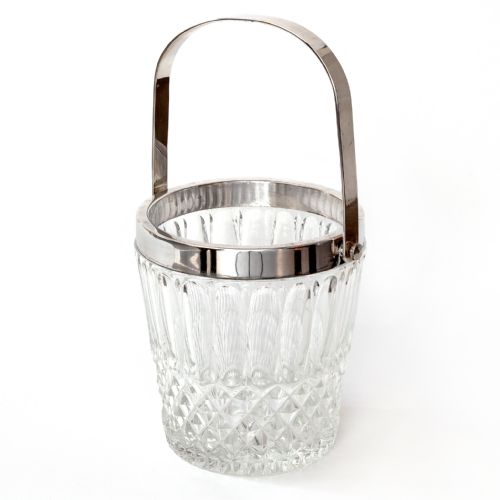


Antique Glass Wine Cooler
An antique glass wine cooler holds bottles at the table, combining heavy crystal and silver plate to make an impression.
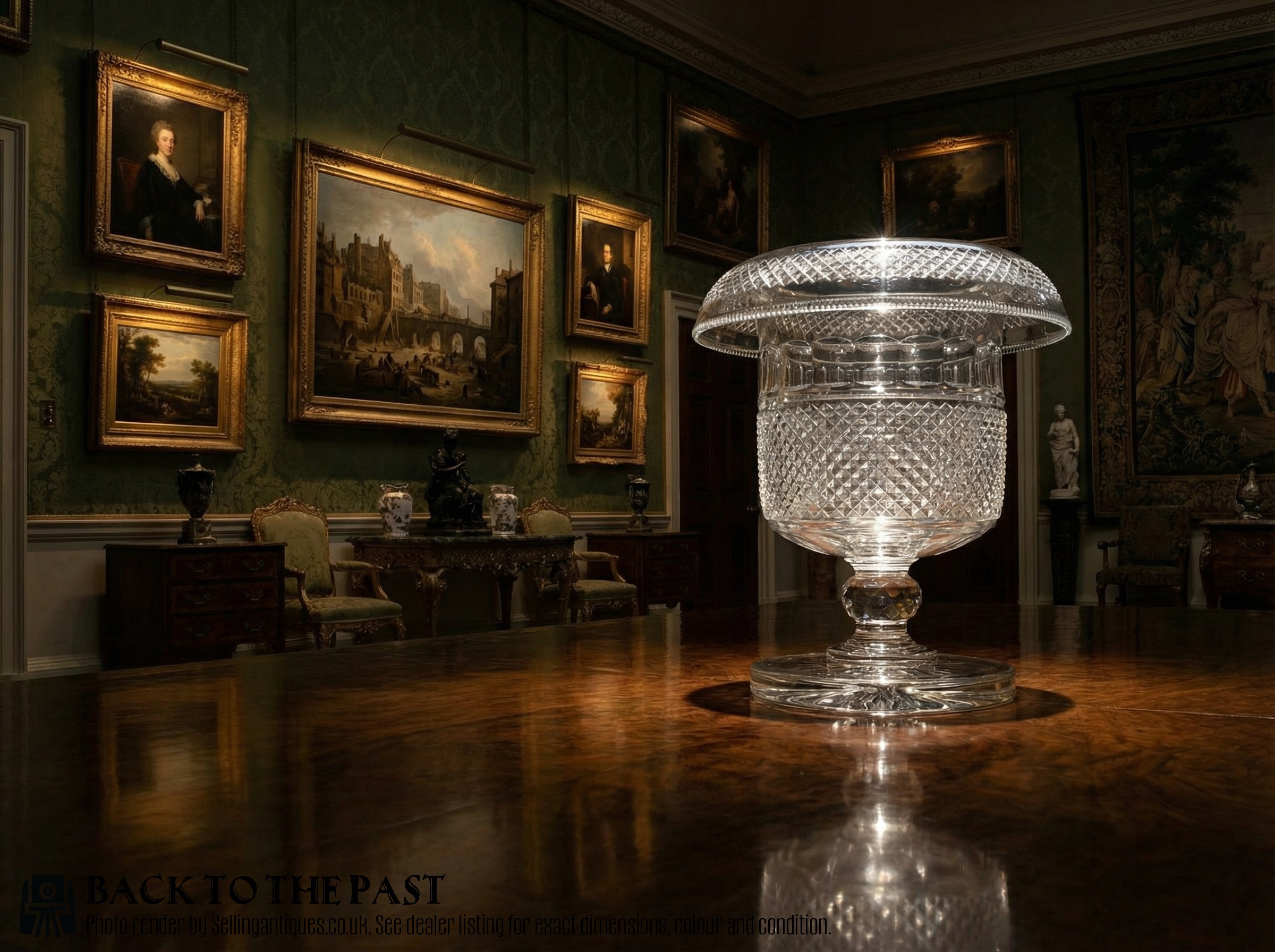
Antique Glass Wine Cooler
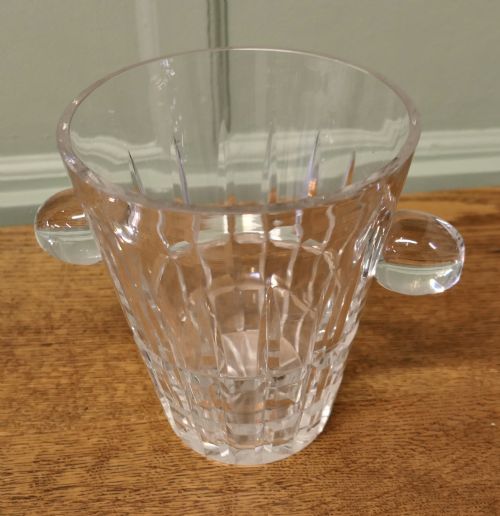
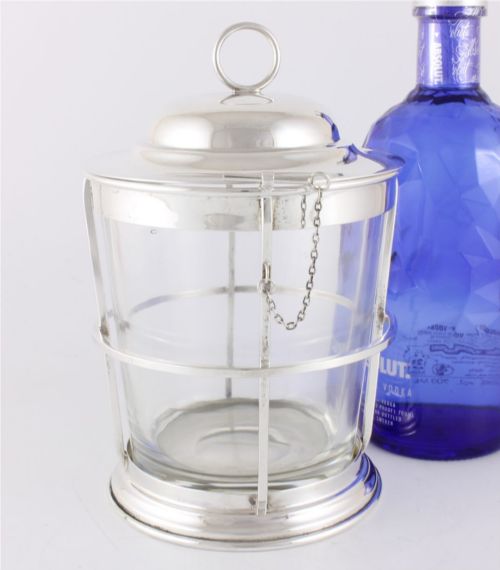
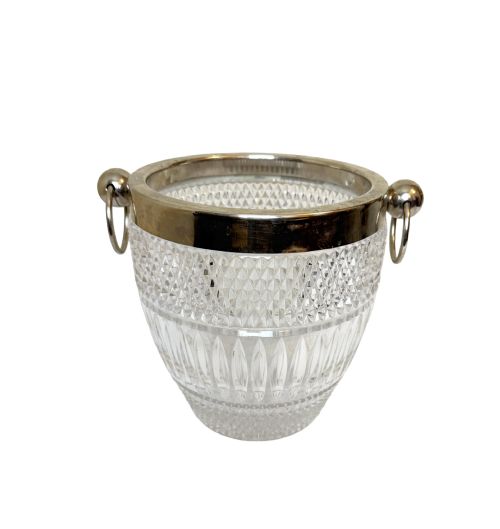
An antique glass wine cooler unites heavy vessels of lead glass and cut crystal with mounts of silver plate, brass, or gilt bronze. These pieces serve to chill wine and champagne at the dining table, taking forms such as buckets, pails, and bowls.
The versions most often met on this page range from nineteenth-century English Regency cut crystal to French Art Deco hand-blown pieces and twentieth-century silver-plated ice buckets. Some items double as barware or individual rinsers for wine glasses.
Makers and origins stretch across England and France through the eighteenth, nineteenth, and twentieth centuries, encompassing styles from Georgian and Regency to Art Nouveau and Mid-Century design.
How they were made
The glass bodies rely on lead crystal, cut glass, or hand-blown vessels, often finished with deep wheel-cut facets that catch the light. Engraved glass and amethyst colourways appear alongside plain heavy walls.
Metal components utilise silver plate, brass, and gilt bronze, cast and mounted to hold the glass liners securely. Tongs and handles integrate metalwork with the glass structure.
Listings feature items from the eighteenth, nineteenth, and twentieth centuries, spanning periods from Georgian to Mid-Century.
What varies in quality
The weight and clarity of the crystal set the standard for a piece, alongside the depth and crispness of the cut facets. Heavy lead crystal commands attention for its resonance and light refraction.
The quality of the metal mounts, whether gilt bronze or silver plate, defines the finish. Cast mounts with clean detail elevate an item beyond standard production pieces.
PH Vogel
The Antique Glass Wine Cooler Glossary
- Lead crystal
- Glass containing lead oxide to increase weight, brilliance, and softness for cutting. This material gives vintage coolers their substantial feel.
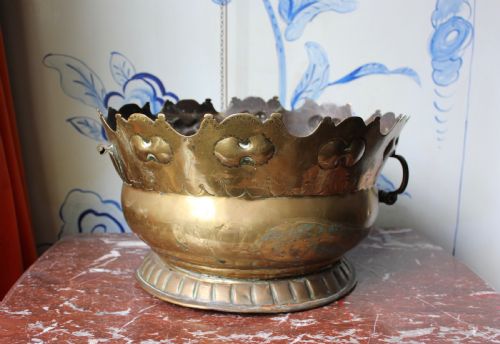
- Monteith
- A punch bowl featuring a scalloped rim designed to hold wine glasses by the stem. Eighteenth-century examples utilise brass.
- Silver plate
- A layer of silver fused to a base metal such as copper or nickel silver. This technique provides the appearance of solid silver for mounts and hardware.
- Rinser
- A small bowl used at the table to wash wine glasses between courses. Sets of these match the aesthetic of larger coolers.
- Gilt bronze
- Bronze coated with a thin layer of gold, often termedormolu. It appears on mounts for French decorative pieces.
Antique Glass Wine Cooler: Frequently Asked Questions
What is an antique glass wine cooler?
An antique glass wine cooler is a vessel designed to hold ice and bottles at the table, pairing heavy glass or crystal bodies with metal mounts. These items originate from periods spanning the eighteenth to the twentieth centuries.
Such objects function as champagne buckets, ice pails, and table bowls, incorporating silver plate, brass, and gilt bronze into their construction.
How were these coolers used historically?
These vessels stood on the dining table or sideboard to keep wine and champagne chilled during meals. Servants filled the glass interiors with ice and water.
Smaller iterations, such as rinsers, sat at individual places to wash wine glasses between different pours of wine.
How do I date an antique glass wine cooler?
Dating relies on the style of the glass cutting, the mounting techniques, and the metal composition. Regency and Georgian pieces display distinct facet-cut crystal patterns, while Art Nouveau and Art Deco items show later twentieth-century forms.
Maker marks on the silver plate or the specific weight of the lead crystal also provide clues to the decade of manufacture.
Can I use an antique glass cooler today?
These pieces suit modern dining tables for chilling champagne or wine bottles just as they did in the past. The robust nature of heavy lead crystal makes them practical for serving.
Care involves hand washing and avoiding sudden thermal shock from boiling water or freezing temperatures.