





Crystal Wine Glass Coolers
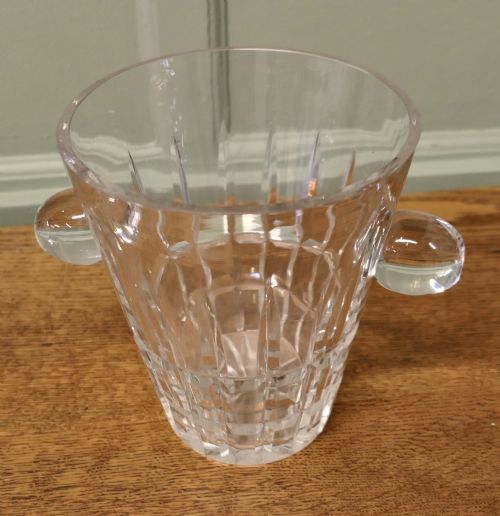
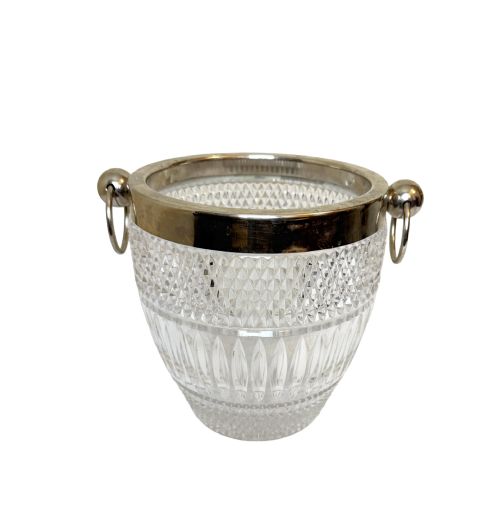
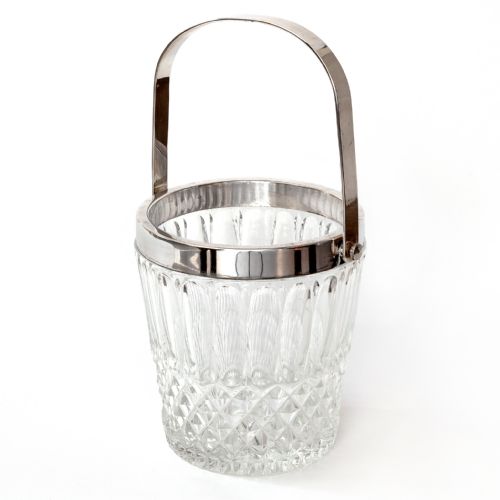
Crystal wine glass coolers are heavy table vessels designed to chill glassware and bottles, bringing functional brilliance to period dining.
Crystal Wine Glass Coolers
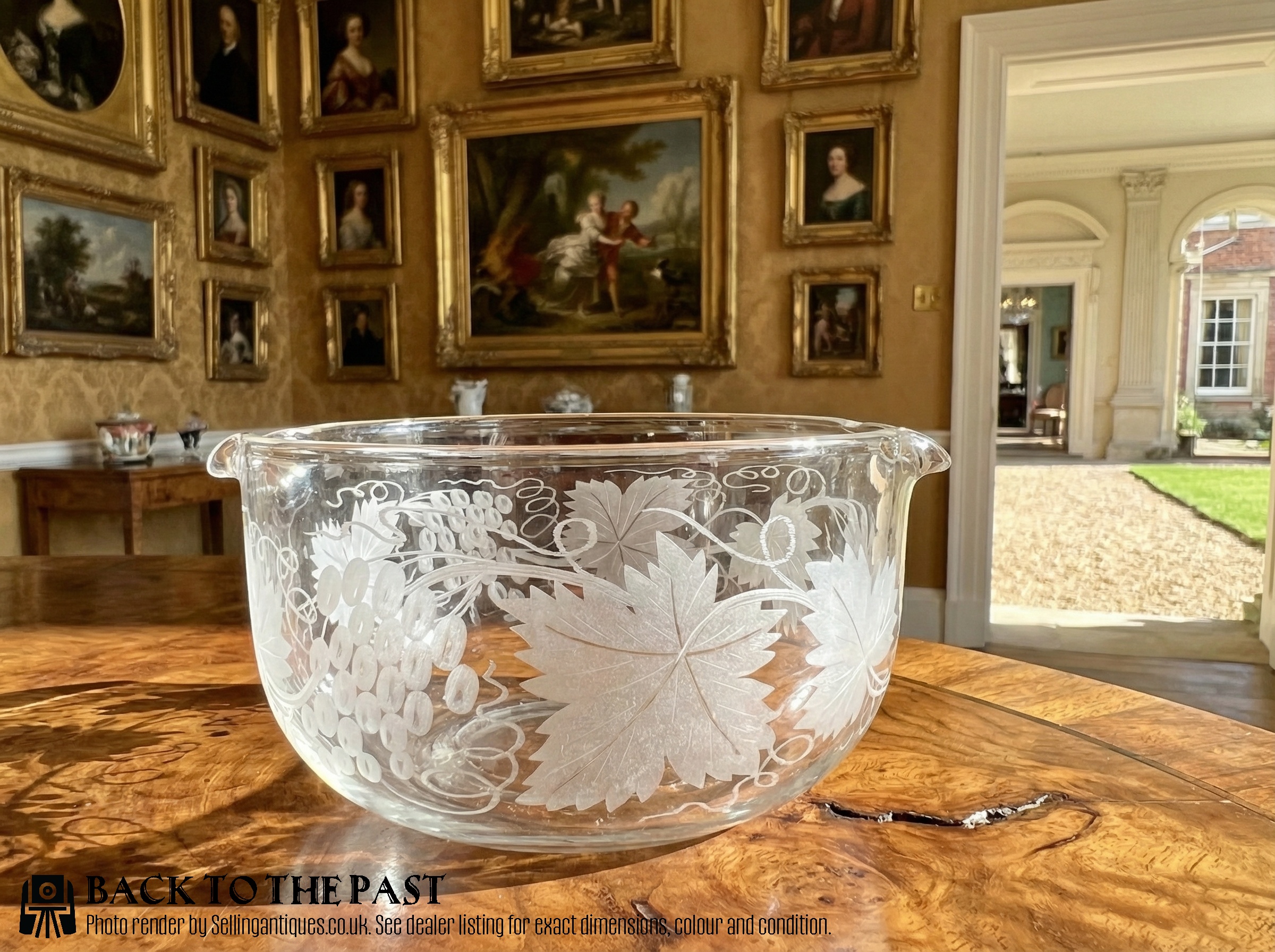
When buyers search for crystal wine glass coolers, they encounter substantial glass vessels spanning the nineteenth and twentieth centuries. These pieces appear in forms such as champagne coolers, ice buckets, and rinsers.
The selections on this page range from early nineteenth-century Regency and French Empire designs to later Art Deco and Art Nouveau creations. Examples often combine cut glass or lead crystal with silver-plate, brass, or gilt bronze mounts.
Buyers are most likely to meet twentieth-century hand-cut lead crystal ice buckets alongside nineteenth-century English and French wine coolers. These heavy vessels reflect shifting dining habits across the decades.
How they were made
The makers of these items utilised heavy lead crystal and glass, shaping them through hand-blowing and deep cutting techniques. The resulting facets catch ambient light while providing the structural thickness required to hold ice and bottles.
Metal components such as silver-plate, brass, and gilt bronze mounts were integrated to form handles, rims, and bases. These supportive fittings required precise metalwork to complement the dense glass bodies.
Crystal Wine Glass Coolers Retail Price Guide 2026
Typical asking prices for crystal wine glass coolers among the pieces listed under this phrase on Sellingantiques today, from the lower quarter to the upper quarter. They describe what is for sale here now, not the wider market.
Listings span the nineteenth and twentieth centuries, featuring periods from Regency to Art Deco.
What varies in quality
Quality rests in the depth and crispness of the glass cutting, alongside the substantial weight of the lead crystal. Superior examples display sharply defined facets and heavy, stable walls that demonstrate genuine substance.
The integration of metal mounts also dictates standard, with well-fitted silver-plate or gilt bronze enhancing the piece. Finer items balance the brilliance of hand-cut glass with robust, well-proportioned metal hardware.
The Crystal Wine Glass Coolers Glossary
- Lead crystal
- Glass containing substantial lead oxide to increase weight, density, and refractive brilliance. This material permits deep, sharp cutting.
- Silver-plate
- A base metal coated with a thin layer of silver used for mounts and handles. It provides the appearance of solid silver while offering durability.
- Gilt bronze
- Bronze treated with a layer of gold. It adds a decorative, corrosion-resistant metallic finish to mounts.
- Rinser
- A small bowl used at the table for washing glasses between courses. These vessels often match the cut glass style of larger coolers.
- Regency
- A British design style dating from the early nineteenth century. Pieces from this period feature classical proportions and clean architectural lines.
Crystal Wine Glass Coolers: Frequently Asked Questions
What are crystal wine glass coolers used for?
These vessels serve to chill wine bottles, champagne, and individual glassware during formal dining. They hold ice and cold water to maintain low beverage temperatures at the table.
Collectors also utilise them as decorative centrepieces or flower vases when not serving drinks.
How do I date an antique ice bucket?
Dating relies on examining the cutting style, glass weight, and any accompanying metal mounts. Regency and Empire pieces display classical restraint, while Art Deco items favour geometric patterns.
Maker marks on silver-plate fittings and the type of glass manufacture provide further chronological clues.
Are silver-plate mounts original to the glass?
Most period pieces combine glass and metal as a unified design from the workshop. The mounts were fitted specifically to secure handles and rims onto the heavy crystal bodies.
Checking the tightness of the fit and patination helps confirm original assembly.
How should I clean heavy lead crystal?
Wash these vessels by hand using warm water and a mild detergent, avoiding sudden temperature changes that can crack heavy glass. A soft cloth prevents scratching the polished facets.
Silver-plate mounts require separate, appropriate polishing to maintain their finish without touching the glass.