


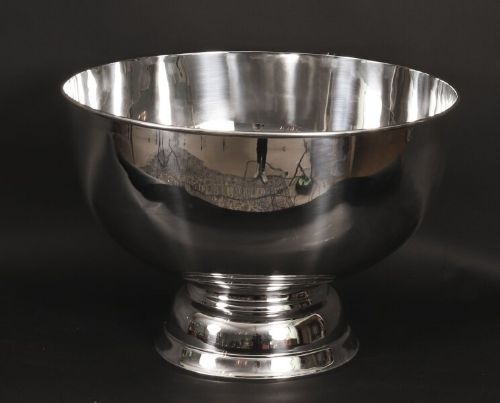

Antique Barware Ice Bucket
An antique barware ice bucket brings the weight of heavy silver plate and cut crystal directly to the modern cocktail hour.
Antique Barware Ice Bucket
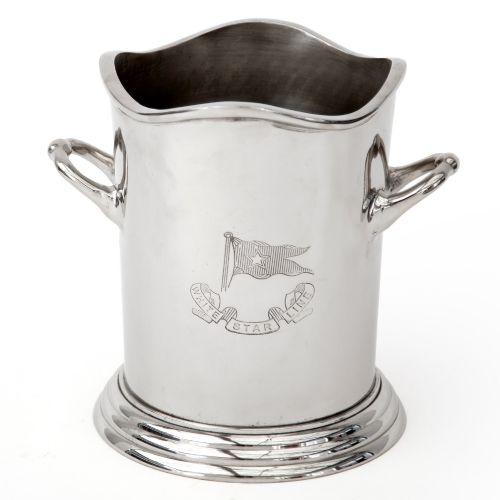
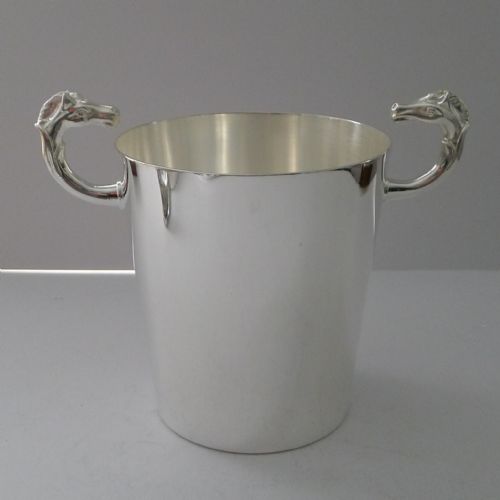
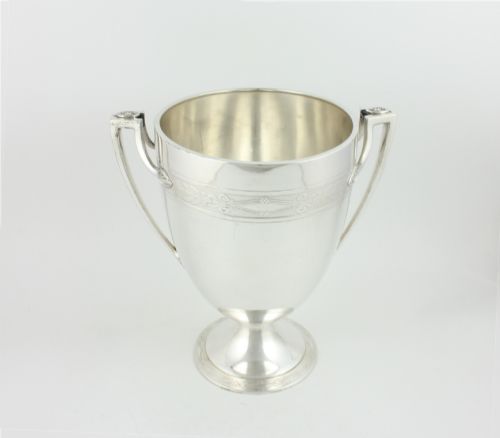
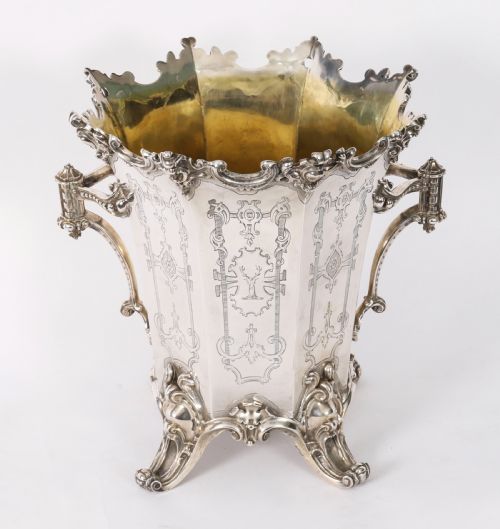
An antique barware ice bucket takes several distinct forms, encompassing wine coolers, champagne buckets, and twin-handled pails designed for chilling bottles or serving ice. The pieces appearing in this collection span from the nineteenth century through the mid-twentieth century, with notable representation from the Victorian, Edwardian, and Art Deco periods.
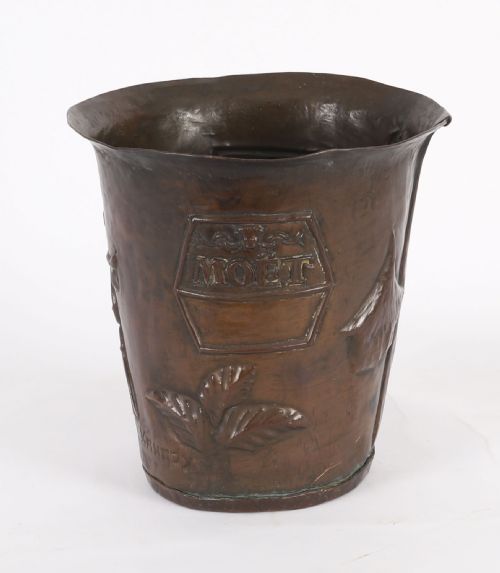
The materials utilised in these items vary from traditional silver plate and Old Sheffield plate to heavy cut crystal, brass, copper, and occasional combinations of oak with ceramic liners. Makers and origins stretch across English workshops, French manufacturers, and Italian studios, presenting everything from restrained Regency vessels to heavily embossed Edwardian designs.
Materials and construction methods
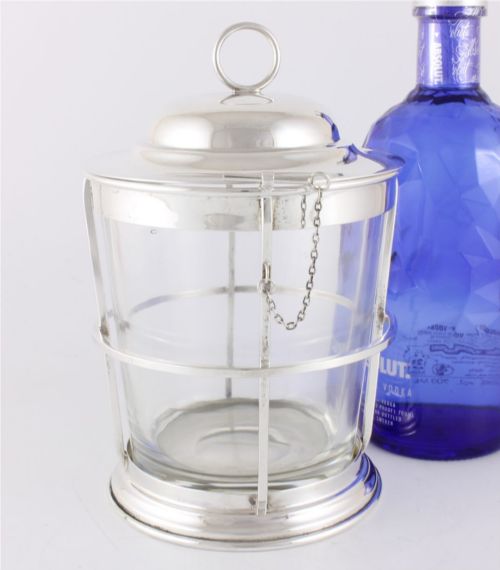
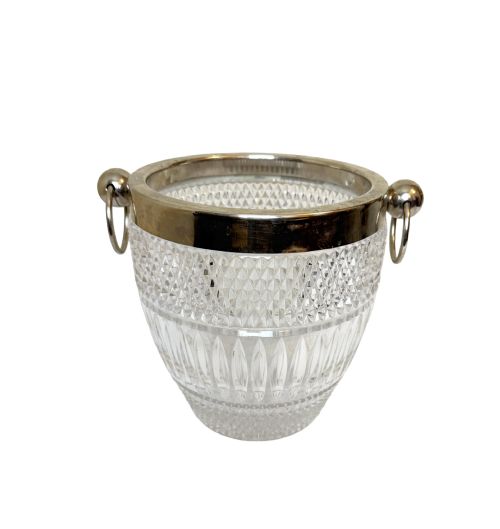
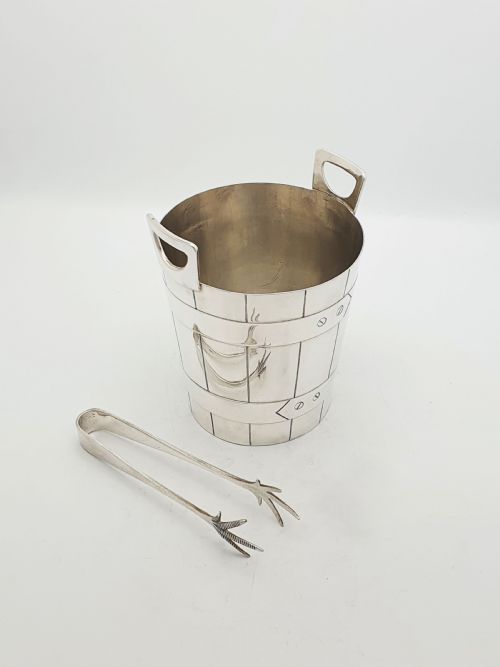
Many of these containers rely on a foundation of silver plate or Old Sheffield plate over a base metal, applying traditional plating techniques that yield a durable metallic sheen. Other examples combine hand-blown cut crystal or glass liners with cast metal mounts, handles, and claw or talon tongs.
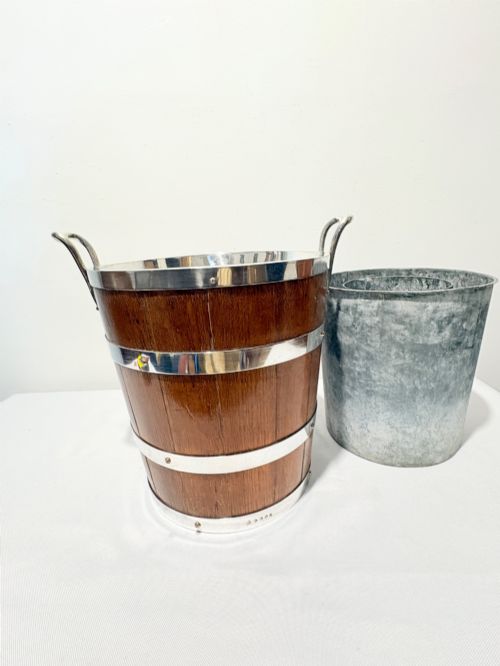
Woodworking also plays a role in select pieces, utilising oak cooperage banded in silver plate to create sturdy barrel forms. Foundry work appears in heavy brass and copper vessels, alongside intricate gilt bronze mounts attached to lead crystal bodies.
Materials span silver plate, Old Sheffield plate, copper, brass, and cut crystal across Victorian, Edwardian, and Art Deco styles.
Distinctions in quality and execution
Quality in these drinking vessels rests upon the substance of the metal foundation and the depth of the silver plating. Heavier gauge metalwork and substantial lead crystal bodies provide a reassuring weight and thermal retention that lighter stamped pieces lack.
Fine craftsmanship reveals itself in the crispness of chased or embossed ornamentation, the secure fitting of glass liners, and the integrity of applied handles. Maker attribution to notable silversmiths or Parisian houses often signifies a higher standard of design and finish.
Hutton Sheffield·Christofle·Elkington Mason And Co·Mappin And Webb·WMF·James Dixon And Sons·Matthew Boulton And Co·Luc Lanel
The Antique Barware Ice Bucket Glossary
- Old Sheffield plate
- A composite material made by fusing a thin sheet of silver to a thicker copper ingot, common in eighteenth and nineteenth-century pieces. It is identified by a characteristic copper seam visible where the edges meet.
- Silver plate
- A layer of silver deposited onto a base metal core such as brass or nickel silver. This technique became widespread during the Victorian era as an accessible alternative to solid sterling silver.
- Cut crystal
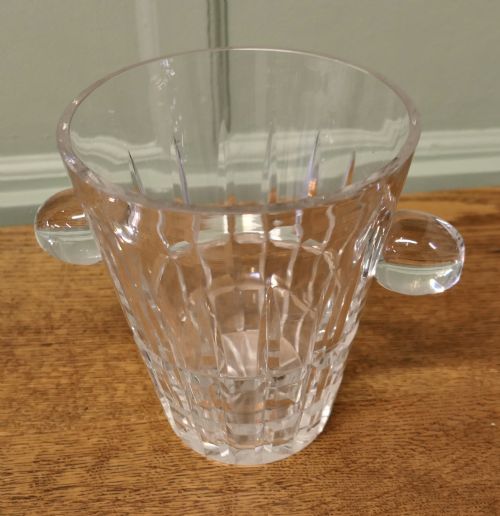
- High-clarity glass containing lead oxide, cut with geometric or floral facets to refract light. It provides both structural weight and decorative brilliance in champagne buckets and ice pails.
- Wine cooler
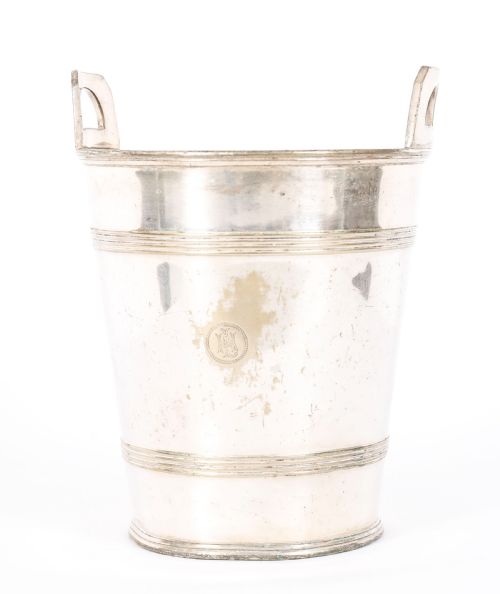
- A large vessel originally intended for chilling bottles at the dining table, often repurposed as an ice bucket. These pieces frequently feature twin handles and deep bowls.
- Biscuit barrel
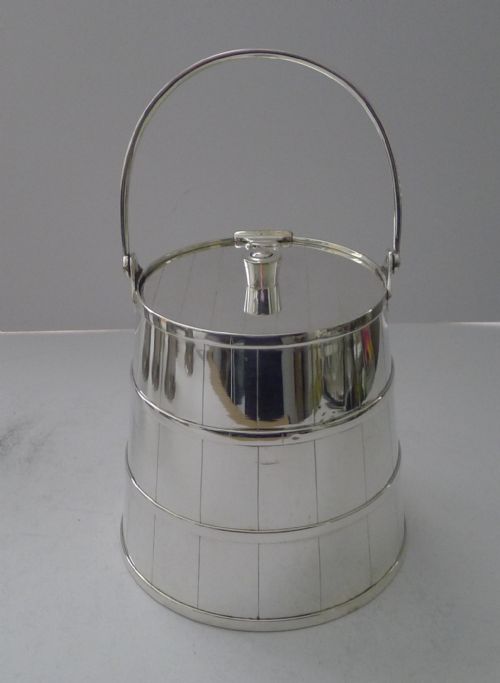
- A covered container designed for storing dry baked goods, occasionally adapted in form to serve as an ice bucket. They appear in silver plate and oak cooperage from the late nineteenth century.
Antique Barware Ice Bucket: Frequently Asked Questions
What is the difference between a wine cooler and an ice bucket?
Wine coolers are generally deeper and wider vessels engineered to hold a wine or champagne bottle upright surrounded by ice or water. Ice buckets tend to be more compact pails designed specifically for serving ice cubes to glasses.
Despite their original distinct purposes, collectors frequently use both interchangeable terms today for entertaining or display.
How do I clean an antique silver plated ice bucket?
Maintenance requires gentle washing with warm water and a mild dish soap using a soft cloth, avoiding abrasive pads that strip thin plating. Standard silver polish should be applied sparingly only when necessary to preserve any patinated recesses.
Keeping the interior dry after use prevents moisture damage and maintains the integrity of soldered joints or glass liners.
Are these ice buckets safe to use for drinks?
Most antique silver plate, crystal, and brass vessels remain entirely suitable for holding ice, wine, and bottled beverages during modern gatherings. Users should inspect the interior lining of plated items to ensure the base metal is not exposed through heavy wear.
Oak and ceramic pieces function well for dry ice storage or bottled drinks, provided interior wooden staves remain watertight.
How can I tell if a piece is Art Deco?
Art Deco ice buckets typically feature geometric motifs, clean symmetrical lines, and stylised handles that reflect the design ethos of the 1920s and 1930s. Smooth cylindrical forms and stepped bases replace the ornate flourishes found in earlier Victorian or Edwardian barware.
French makers from this era often combined heavy hand-blown crystal with stark, polished metal mounts.