
Antique Landscape in Frame
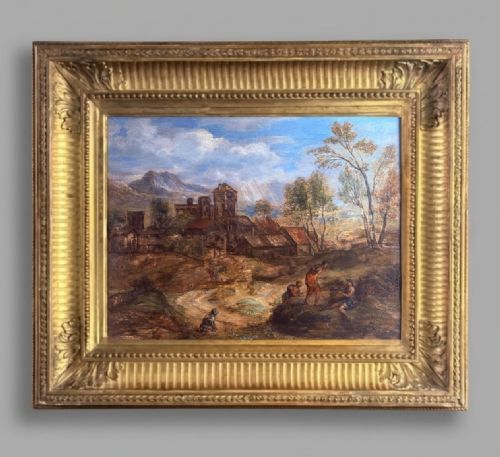
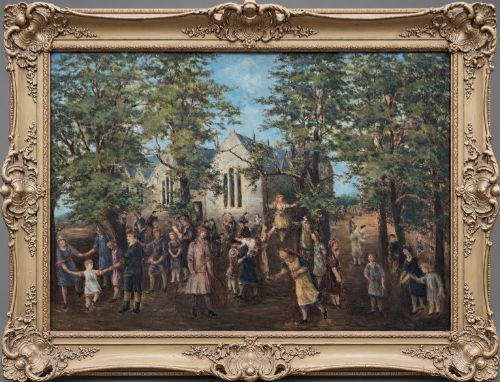
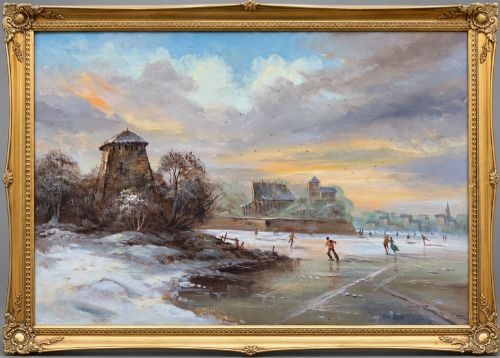
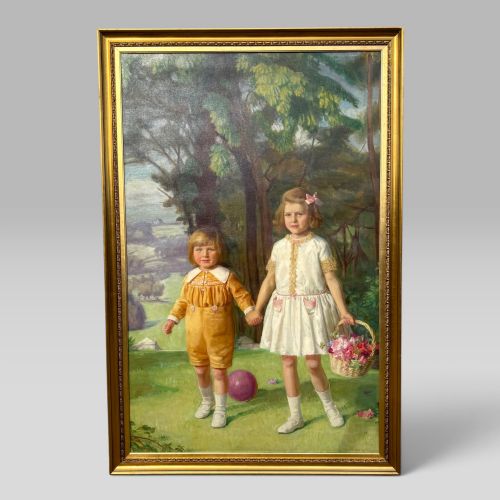
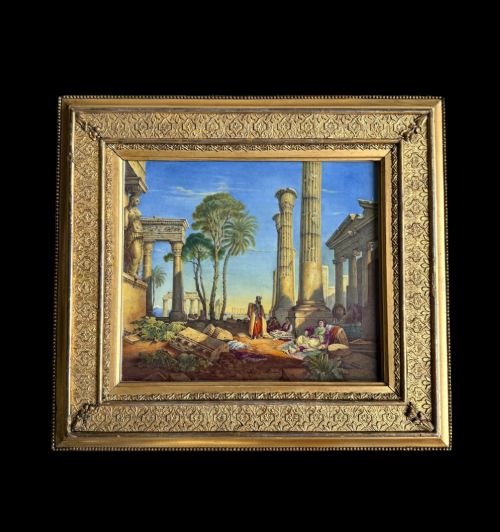
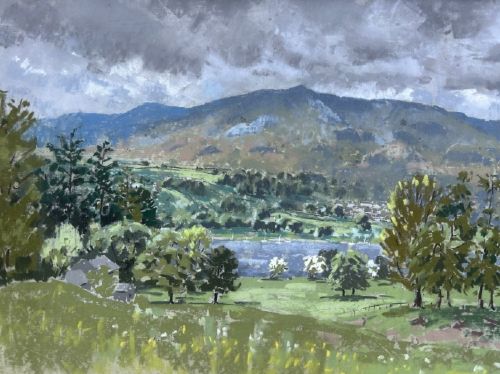
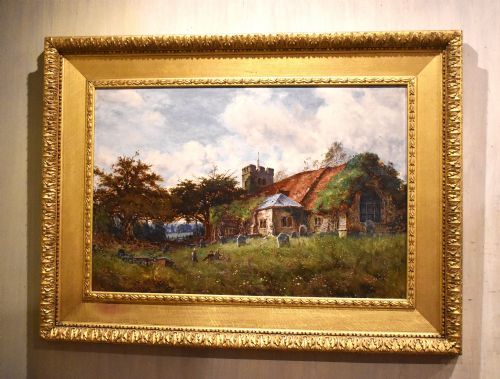
An antique landscape in frame brings pastoral scenes and river views into the room through traditional oil and watercolour media.
Antique Landscape in Frame
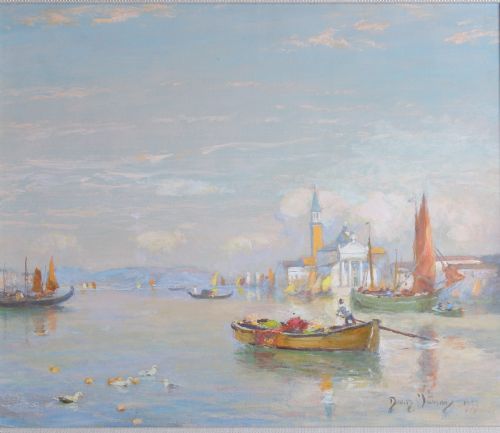
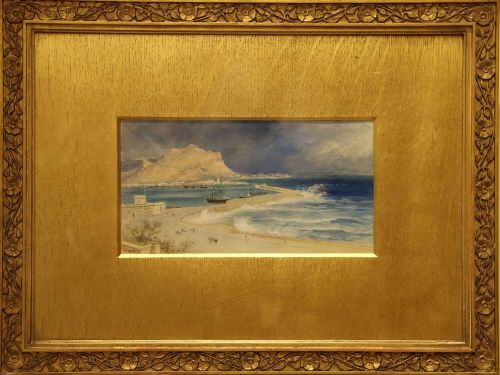
An antique landscape in frame encompasses framed works depicting rural scenery, marine views, and pastoral life. These pieces originate primarily from the seventeenth, eighteenth, nineteenth, and early twentieth centuries.
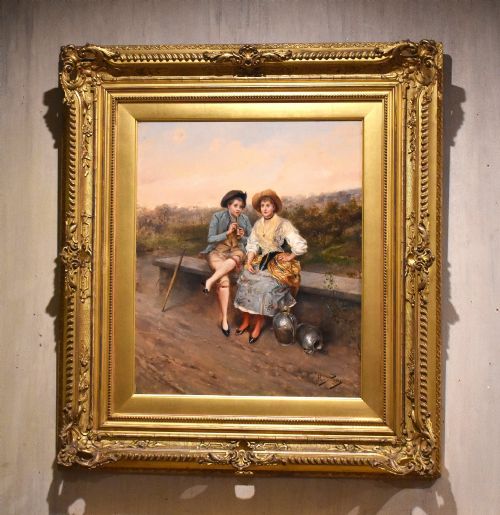
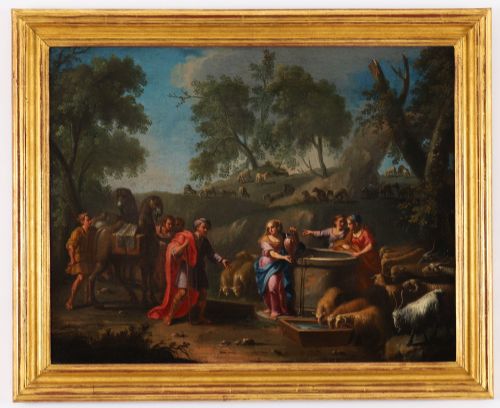
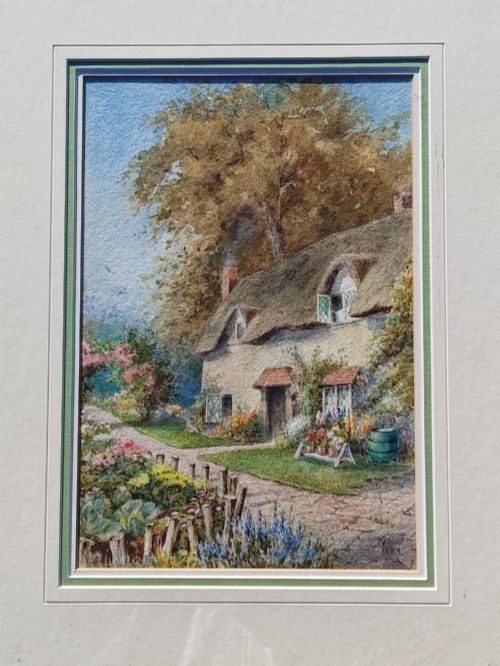
The selections on this page feature oil on canvas, oil on board, watercolour on paper, and gouache. Canvases and panels frequently sit inside period gilt wood or gesso frames.
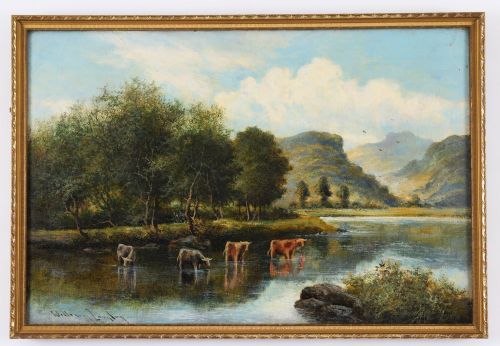
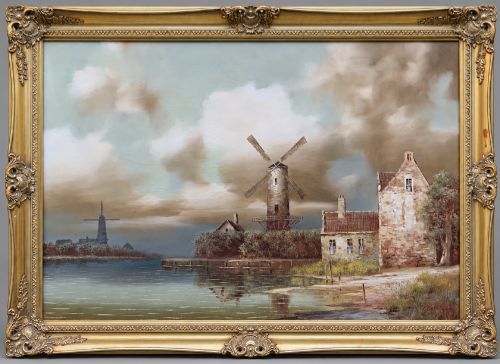
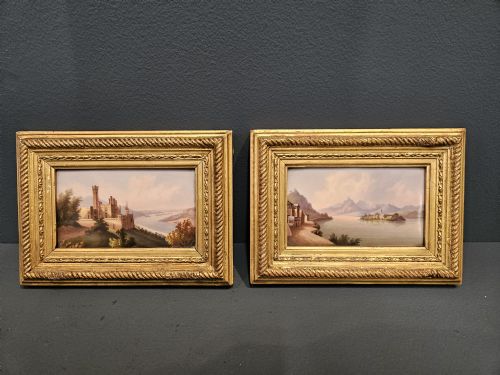
Subject matter ranges from British river valleys and Scottish highland lochs to Dutch shipping scenes and Italian lake views. Works include both signed compositions by named artists and unsigned examples from recognised regional schools.
Materials and Construction
Artists painted primarily with oil paint on stretched canvas or wooden panels, while others worked in watercolour, gouache, or ink on paper. Some specialised works appear on alternative grounds such as tin.
Original frames utilise carved wood decorated with applied gesso and finished in gold leaf or gilt. These surrounds protect the edges of the canvas or paper and establish a distinct visual boundary for the artwork.
Factors of Quality
Handling of light, depth, and atmospheric perspective distinguishes accomplished works from simpler regional depictions. Superior execution in brushwork brings texture to foliage, water, and figures.
The retention of an original period gilt wood frame contributes significantly to the integrity of the piece. Craftsmanship in the moulding and gilding of the frame should match the period of the artwork within it.
Samuel Joseph Clark·Edward Holmes RBA·Karl Gatermann·William Mellor·Willem J Palman·Hugh Barry-Scott·William Manners·Karel Dujardin·Barent Gael·E Steele·F Staple·Philip H Rideout·Edmund Bristow·Benjamin Barker of Bath·Nicolaas Martinus Wijdoogen·Cuthbert Crossley·Stuart Lloyd·Thomas Thomas·William Woollett·George Stubbs·Alfred Walter Bayes·Johann Moritz Rugendas·Herbert Menzies Marshall·Edward Charles Williams·William Shayer
The Antique Landscape in Frame Glossary
- Oil on canvas
- A painting medium where pigments are suspended in a drying oil, applied to a woven fabric support stretched over a wooden frame. This technique allowed artists to build rich layers of colour and texture.
- Gilt wood
- Wood that has been coated with a thin layer of gold leaf or metallic powder. It forms the decorative surface of traditional picture frames.
- Gesso
- A paint mixture consisting of a binder mixed with chalk, gypsum, or pigment, used to prepare wood or canvas surfaces. It provides a smooth base for gilding and ornamentation on frames.
- Watercolour
- A painting method in which the paints are made of pigments suspended in a water-soluble vehicle. It is typically executed on paper supports.
- Dutch School
- A grouping of artists working in the Netherlands during distinct historical periods, known for specific approaches to light, landscape, and maritime subjects.
Antique Landscape in Frame: Frequently Asked Questions
How do I care for antique paintings?
Keep framed artworks away from direct sunlight and steady moisture to protect the canvas and paper. Dust the gilt frame gently with a dry, soft brush.
Avoid hanging pieces near active heat sources which can cause wood to warp and paint to crack. Professional conservation should be sought for any deep cleaning.
Are these frames original to the art?
Many listings specify whether a piece retains its original gilt wood or gesso frame. Period frames were constructed to complement the specific proportions and style of the painting.
Over the centuries, some works were reframed to suit changing domestic tastes. Examining the rabbet and corners helps determine the age relationship between art and surround.
What subjects are most common?
Rural and river scenes dominate the selection, reflecting a historical fascination with pastoral life. Common motifs include cattle at rest, figures by waterways, and mountain vistas.
Marine subjects, architectural views, and sporting art such as fox hunting also appear frequently. These topics mirror the decorative preferences of nineteenth-century collectors.
How do I identify the period?
Clues to the date of creation lie in the stretcher construction, canvas type, and framing materials. Stylistic markers such as costume details or painting technique also point to specific eras.
Signatures, dates inscribed on the reverse, and artist biographies provide definitive chronological anchors. Comparative study of known works by regional schools clarifies uncertain dates.