


Ruined Castle Painting
A ruined castle painting captures the enduring romantic appeal of historic masonry reclaimed by nature across centuries of artistic tradition.
Ruined Castle Painting
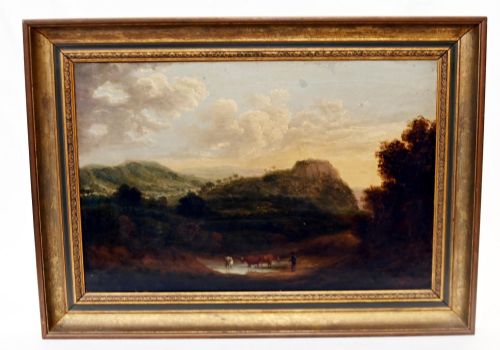
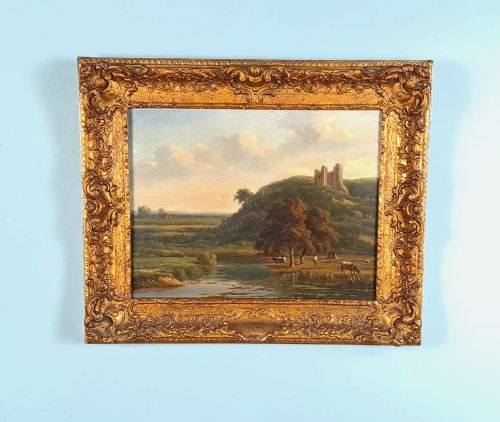
A ruined castle painting is a work of fine art depicting medieval fortresses in various states of decay, set within pastoral, coastal, or dramatic landscapes. These artworks document the fascination with picturesque decline that engaged artists from the seventeenth century through to the twentieth century.
The selections available here range from intimate watercolours on paper to large oil paintings on canvas and board. Examples frequently incorporate specific British and European locations, spanning Georgian, Victorian, and later twentieth-century interpretations.
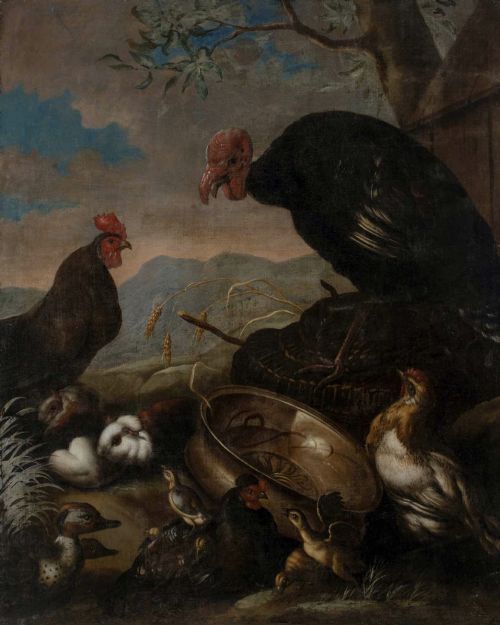
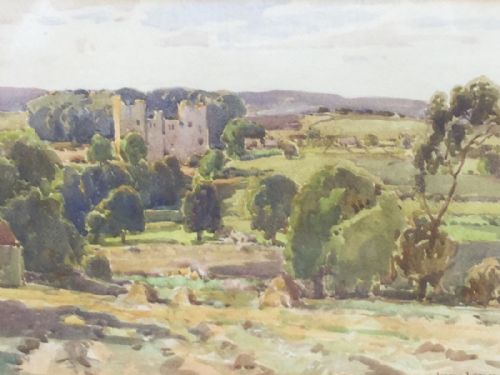
Buyers encounter diverse stylistic approaches, from detailed topographical watercolours by named British painters to moody seventeenth-century continental oil paintings featuring fowl and architectural fragments. Each piece reflects the prevailing aesthetic sensibilities of its specific period.
How they were made
These works utilise traditional artist materials including oil paint applied to canvas or wood board, and watercolour paint on paper. Canvas supports are often mounted in gilt frames that complement the scale of the composition.
Artists employed layered oil techniques to build atmospheric light and texture in landscapes, whilst watercolour works rely on washes of pigment to capture coastal mists and stone details. Framing materials and paper supports reflect the standard studio practices of their respective eras.
Listings incorporate watercolours and oil paintings spanning the seventeenth century through to the mid-twentieth century.
What varies in quality
Quality in these works rests upon the artist's ability to handle atmospheric light, spatial depth, and architectural perspective within the landscape. Superior examples demonstrate confident brushwork and a balanced composition that integrates the crumbling masonry into the surrounding terrain.
The handling of natural elements, such as coastal water, cattle, or surrounding foliage, distinguishes accomplished academic hands from more formulaic topographical recording. Preserved condition of the pigment and the integrity of the original support further separate the finest survivors.
Angelo Maria Crivelli·T C Hofland·George Gregory·R P Noble·Peter Toft·Fred Lawson·J D Walker·George Graham
The Ruined Castle Painting Glossary
- Watercolour
- A painting method where fine pigment is suspended in a water-based solution and applied to paper. This medium allows for luminous washes and delicate detail.
- Oil on Canvas
- A technique involving slow-drying oil paints applied to a woven fabric stretched across a wooden frame. It permits rich colour saturation and heavy impasto texture.
- Oil on Board
- A painting created by applying oil colours directly onto a rigid wooden or composition panel. This durable support was frequently utilised for smaller plein-air studies.
- Gilt
- A thin layer of gold leaf applied to frame surfaces to create a decorative metallic finish. It enhances the visual weight of the presentation.
- Topographical
- Art that accurately records specific real-world locations and buildings rather than imaginary compositions. These works serve as visual history.
Ruined Castle Painting: Frequently Asked Questions
How do I date a ruined castle painting?
Dating relies on stylistic clues, framing methods, and the characteristics of the paper, canvas, or board support. Costume, transport, or architectural additions depicted in the landscape also provide helpful chronological markers.
Examinations of signatures, artist inscriptions on the reverse, and historical attribution records further narrow down the exact period of creation.
What is the difference between oil and watercolour versions?
Oil paintings on canvas or board generally offer greater colour depth, heavy texture, and substantial presence suited to formal reception rooms. They utilise slow-drying pigments that allow for extensive blending and reworking.
Watercolour paintings on paper present a lighter, more transparent quality that captures atmospheric weather conditions and subtle coastal light. They require careful framing behind glass to protect the delicate pigments from light exposure.
How should I display historic paintings at home?
Historic artworks benefit from placement away from direct sunlight, high humidity, and extreme temperature fluctuations, which can warp wooden panels and fade pigments. Stable indoor environments preserve both the painted surface and the original frame.
Consider the lighting in the room to ensure the glossy varnish of oil paintings does not catch excessive glare, and use appropriate picture hooks rated for the weight of the piece.
Where were these landscape scenes usually painted?
Many British watercolours and oils depict specific regional landmarks, ranging from Yorkshire abbeys and northern strongholds to coastal villages and southern pastoral estates. Artists travelled extensively across the countryside to sketch ruins in person.
Continental works often incorporate Mediterranean or northern European architectural motifs, reflecting the Grand Tour traditions undertaken by artists and wealthy patrons.