




Traditional Pastoral Scene
Traditional pastoral scene artworks capture rural life and countryside vistas, offering buyers a connection to historical landscapes through oil and watercolour.
Traditional Pastoral Scene
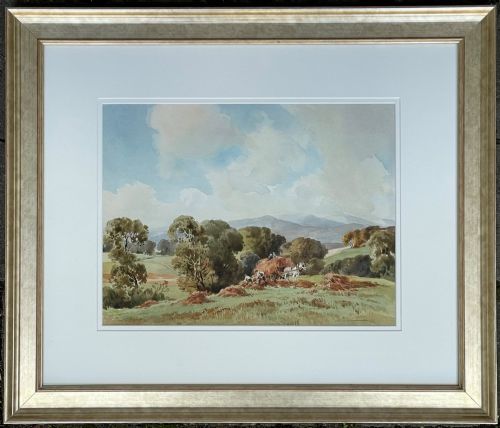
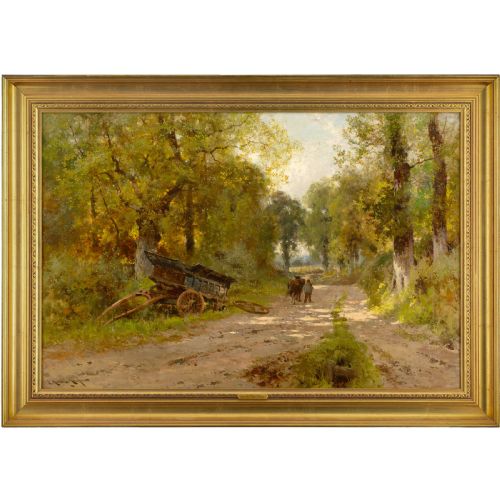
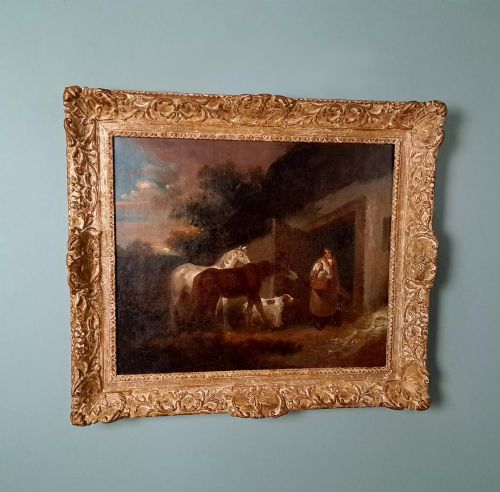
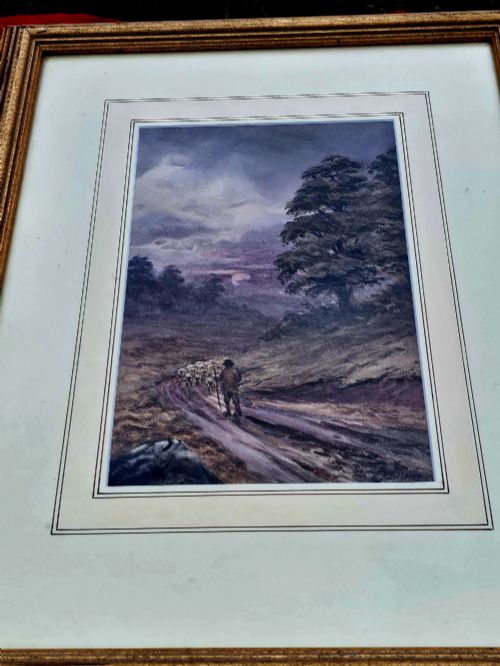
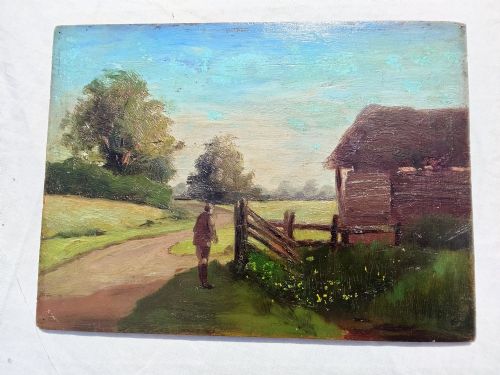
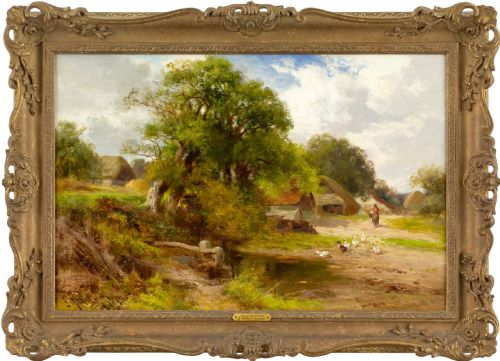
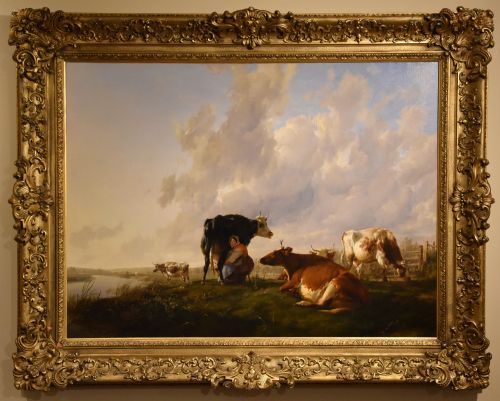
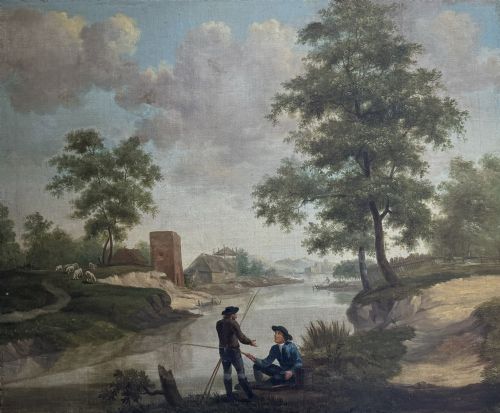
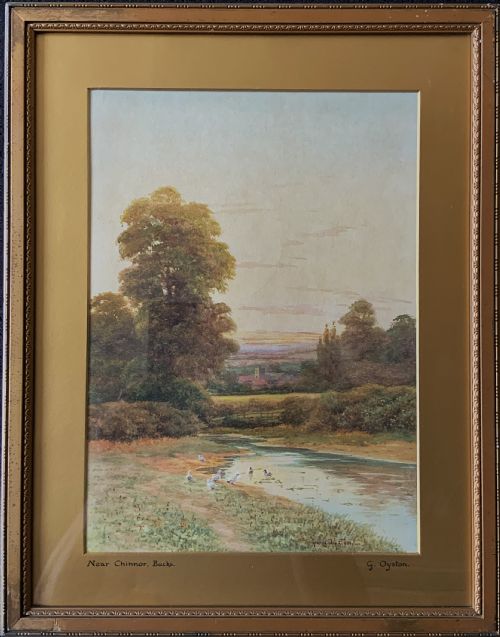
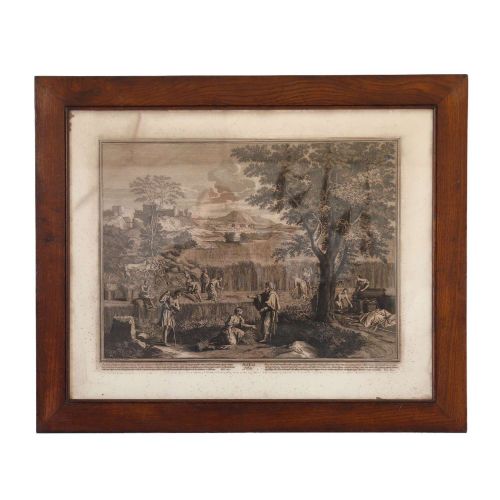
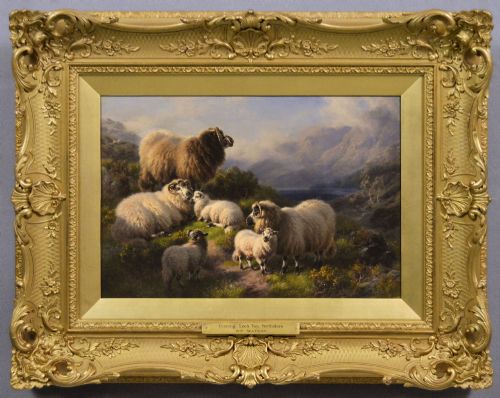
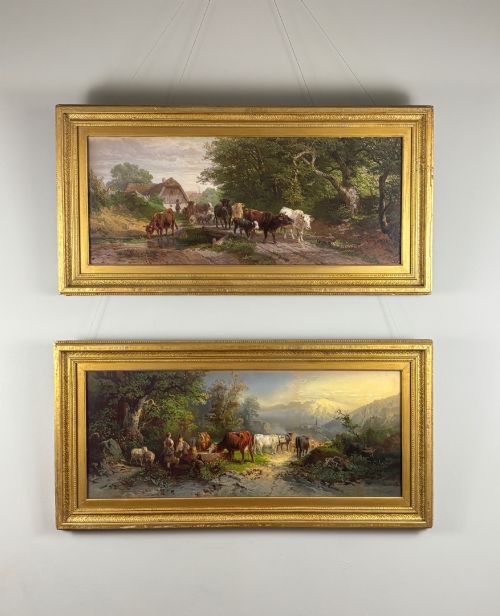
A traditional pastoral scene typically depicts figures, herdsmen, cattle, sheep, and rural cottages set within open countryside, river valleys, and woodland landscapes.
The selections span from the 18th century through the Edwardian period, featuring works by English and European schools.
Oil paintings on canvas and wood panels alongside watercolour paintings on paper dominate the available forms.
Assessing the quality
The strength of the composition and the artist's ability to render natural light and atmospheric depth separate standard decorative works from finer pieces.
Brushwork precision in detailing animal anatomy, foliage, and human figures indicates the skill level of the painter.
Condition of the canvas, paint surface, and the preservation of original framing contribute to the desirability of the piece.
Materials recorded across the inventory include oil paint, canvas, wood panels, paper, giltwood, gesso, and glass.
William H Myers·George Graham·W Klombeck·Percy Lancaster·John Horace Hooper·William Joseph Shayer Senior·EJ Letheren·David Bates·Thomas Sidney Cooper·George Oyston·William Watson Jnr·Johann Friedrich Voltz·T C Hofland·Henry H Parker·Miles Birkett Foster·Henry Schouten·John Sanderson Wells·Henry John Kinnaird·J C Grey·Frederick Septimus Lewis·Samuel Joseph Clark·Henry John Boddington·Andre de Moller·James Hardy Junior·Robert John Hammond
The Traditional Pastoral Scene Glossary
- Oil on Canvas
- A painting medium where pigments suspended in drying oil are applied to stretched fabric. This method allows for rich colour blending and textured surface application.
- Watercolour
- A painting method where water-soluble pigments are applied to paper. It creates translucent washes of colour suited to capturing skies and water.
- Giltwood
- Wood carved and coated with gold leaf or a gold-coloured metallic finish. It forms ornate frames for traditional artwork.
- Gesso
- A paint mixture consisting of a binder mixed with chalk, gypsum, or pigment. It is used as a prepared surface on wood panels or frames before gilding.
- English School
- A term used to classify artists who worked in England or shared a common national artistic tradition during a specific period.
Traditional Pastoral Scene: Frequently Asked Questions
What is a traditional pastoral scene?
A traditional pastoral scene is a painting or work of art that illustrates rural life, agricultural labour, and domesticated animals in open countryside settings. These compositions often feature shepherds, cattle, rivers, and cottages.
Such artworks reflect a romanticised view of the countryside, popularised by British and European artists during the 18th and 19th centuries.
How were these paintings displayed?
Historically, these artworks were framed in giltwood or gesso surrounds and hung within domestic parlours and drawing rooms to bring the outside landscape indoors.
Today, they function well in traditional or mixed interiors, hung at eye level on neutral walls to highlight the painted tones.
How do I care for an antique oil painting?
Antique oil paintings require stable indoor humidity and protection from direct sunlight to prevent the canvas from warping and the pigments from fading. Dusting should be done gently with a dry, soft brush.
Avoid using water or chemical cleaners on the paint surface or the original frame to preserve the integrity of the materials.
How can I tell the period of a painting?
Dating relies upon examining the canvas preparation, stretcher frames, pigment types, and the stylistic conventions of the artist or school. Signatures, inscriptions on the reverse, and original framing styles also offer clues.
Comparing the technique to documented works from the 18th, 19th, or early 20th centuries helps narrow down the era of creation.