

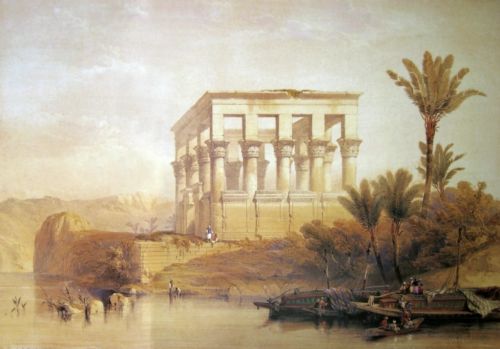


Nineteenth Century Landscapes
Nineteenth century landscapes capture topographic views, rustic farmyards and coastal scenes rendered in oil and watercolour across the Victorian period.
Nineteenth Century Landscapes
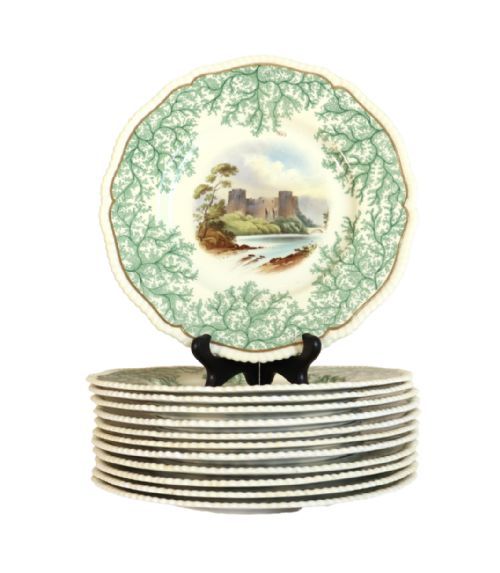
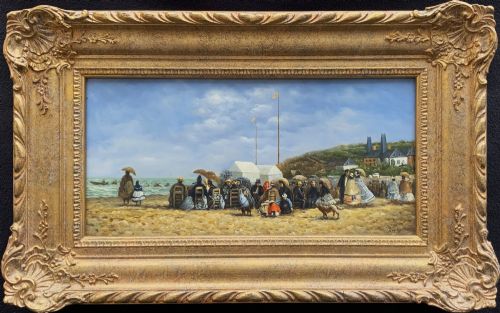
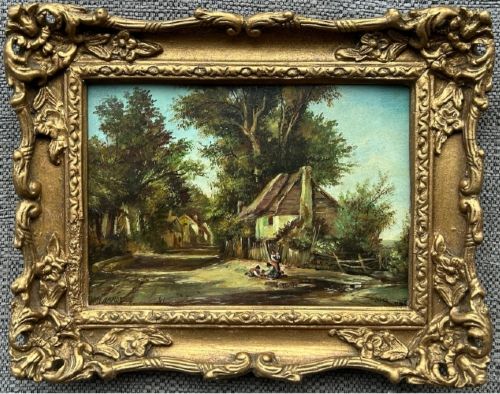
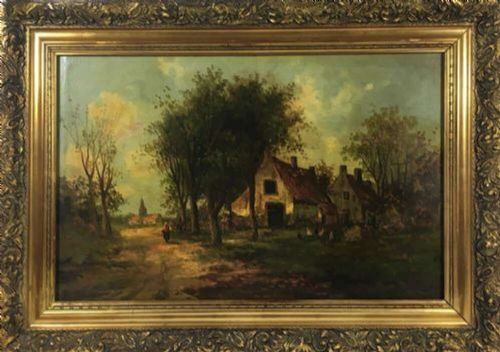
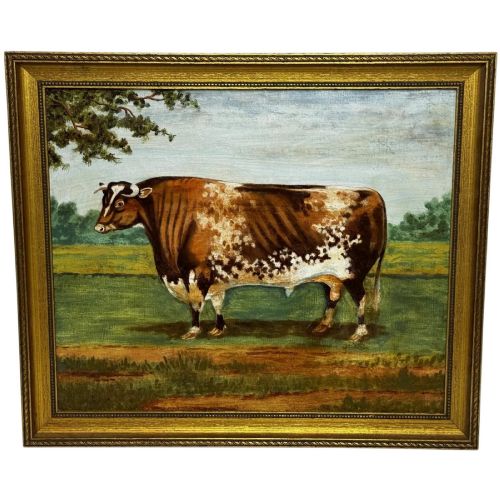
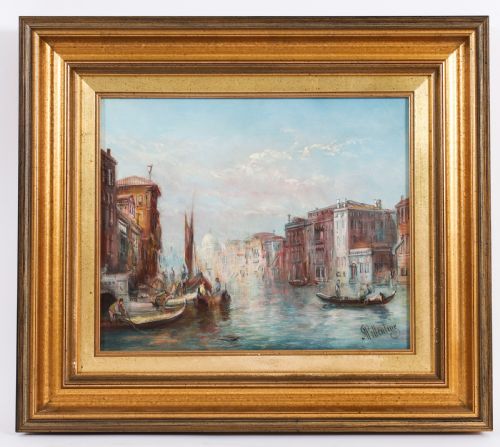
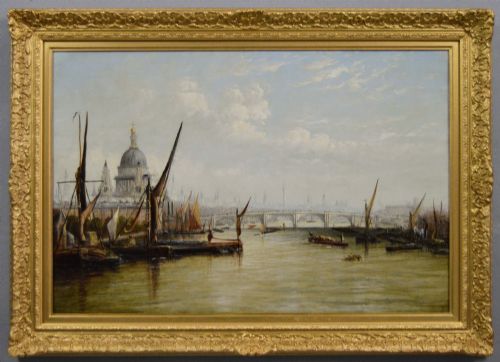
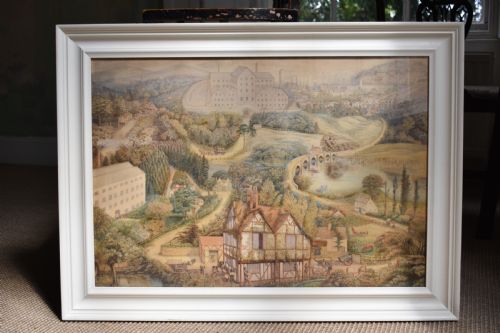
Nineteenth century landscapes encompass framed oil paintings and watercolours depicting pastoral vistas, townscapes and marine settings. Buyers searching for nineteenth century landscapes frequently encounter works originating from British and French schools alongside hand-painted porcelain plates featuring scenic views.
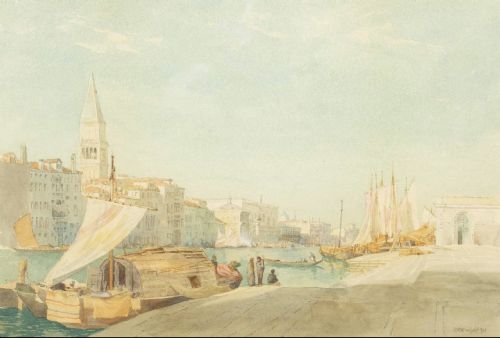
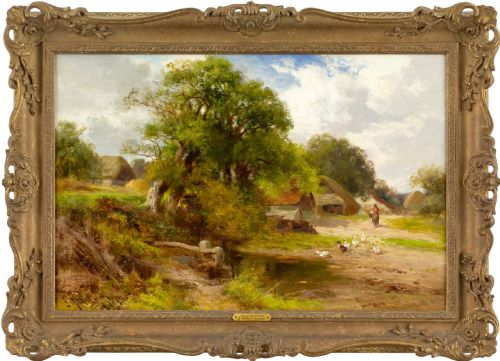
The selection ranges from detailed topographical watercolours of river estuaries and foreign waterways to moody rural oil portraits on canvas and panel. Barbizon school pieces and coastal scenes dominate the selection alongside decorative ceramic cabinet plates.
Framed watercolours and oil paintings from this era reflect shifting artistic approaches toward realism and plein-air observation. These pieces serve as primary focal points for wall display or as collectible cabinet ceramics.
Materials and technique
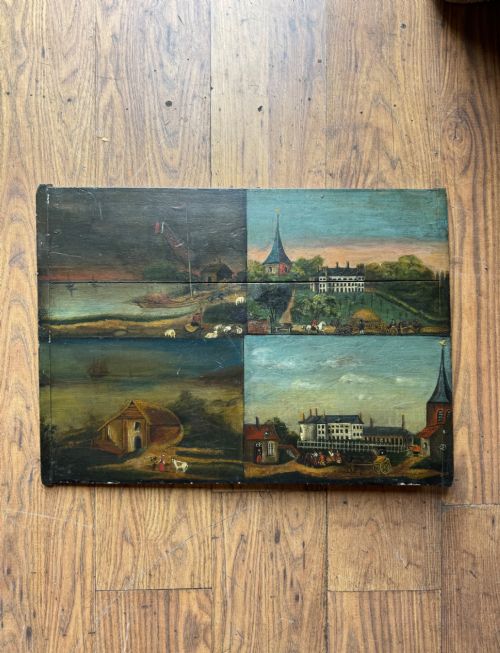
Painters of this era applied oil pigments onto stretched canvas or wooden panels, often utilising layered glazes to achieve atmospheric depth in skies and waterways. Watercolour artists worked on heavy paper stock to capture translucent washes of light across coastal and river views.
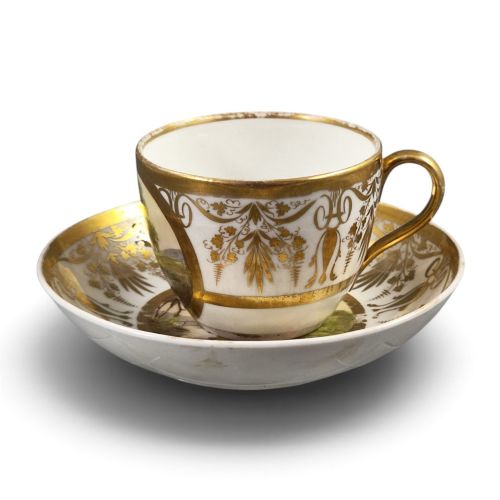
Ceramic plates and cups incorporate hand-painted enamel landscapes fired onto porcelain bodies, frequently accompanied by transfer-printed blue outlines. Frames utilise moulded giltwood and gesso construction to complement the finished canvas or paper works.
Listings feature works spanning the nineteenth century alongside later Victorian and mid-century interpretations, executed in oil, watercolour and porcelain.
Gradations in quality
Execution of fine detail in foliage, architecture and figures separates ambitious salon works from provincial production. The sensitivity of light handling and atmospheric perspective distinguishes accomplished academic hands from naive or decorative school output.
Frame originality and condition significantly influence the overall integrity of framed paintings and watercolours. Ceramic pieces maintain higher standing when enamel hand-painting remains crisp and free from excessive rubbing.
William Howard Hardy·Alfred Pollentine·KPM Berlin·Francis Moltino·Richard Henry Wright·John Horace Hooper·David Roberts·Frederick Walker·Abraham Cooper·Paul Désiré Trouillebert·Johann Friedrich Voltz·Minton·Stubbs·William Yale·Aynsley·Cornelius Pearson·Edwin Lord Weeks·Jean-Baptiste Olive·Pucher Deroche·Thomas Edward Roberts·Henry Hillier Parker·William Barraud·Henry John Yeend King·Andre de Moller
The Nineteenth Century Landscapes Glossary
- Barbizon school
- A French artistic movement dedicated to naturalistic landscape painting focusing on direct observation of rural life and open countryside. Practitioners worked closely with forest and farmyard subjects.
- Giltwood
- Timber carved and coated with gold leaf or metallic powder, commonly utilised for period picture frames and overmantels. The technique provides a reflective surface that enhances framed artworks.
- Gesso
- A plaster mixture applied to wooden frames as a smooth base for gilding and ornamentation. It allows artisans to mould intricate decorative motifs before applying metallic leaf.
- Transfer-printed
- A ceramic decoration method using a paper template to transfer an engraved design onto pottery before glazing. This technique enabled consistent reproduction of scenic views on tableware.
Nineteenth Century Landscapes: Frequently Asked Questions
What defines a nineteenth century landscape?
These works comprise oil paintings, watercolours and painted ceramics depicting natural scenery, rivers, architecture and rural life created during the eighteen-hundreds. They document both real topographical locations and romanticised pastoral visions.
Subjects range from British coastal paths and Welsh rivers to Venetian canals and Egyptian temples, reflecting the era's growing interest in travel and nature.
How should these paintings be displayed?
Framed works require placement away from direct sunlight and excessive humidity to protect canvas, paper and giltwood frames. Proper wall anchoring ensures safety for heavy oil paintings and ornate mirrors.
Pairing these pieces with traditional room settings enhances their historical character while maintaining stable environmental conditions.
How are periods identified?
Stylistic markers, framing techniques and artist signatures provide primary clues for dating these works. Barbizon influences, Realism traits and Victorian subject matter help narrow the timeframe.
Backstamp markings on ceramics and paper watermarks further assist in confirming the exact decade of manufacture.
Were these pieces created only on canvas?
Artists utilised multiple supports including stretched canvas, wooden panels, heavy paper and porcelain surfaces. Watercolours appear on paper while oils frequently utilise canvas or panel.
Ceramic plates and cups serve as alternate mediums for miniature landscape painting during the same period.