

Antique Lacquer Box
When you search for an antique lacquer box, you find centuries of layered resin, gilt paint, and hand-formed wood awaiting your collection.

Antique Lacquer Box
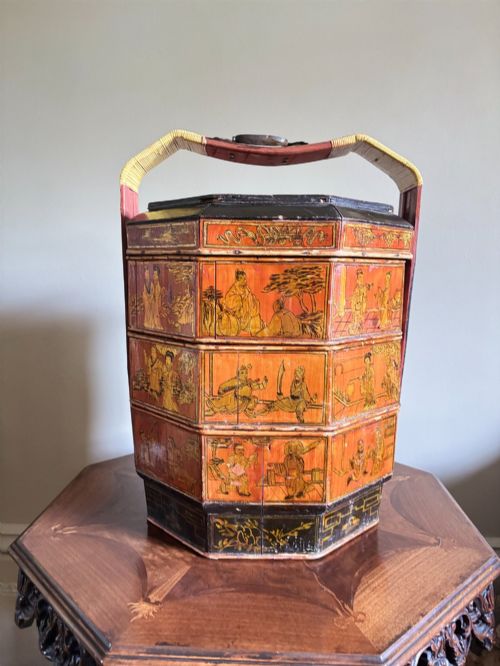
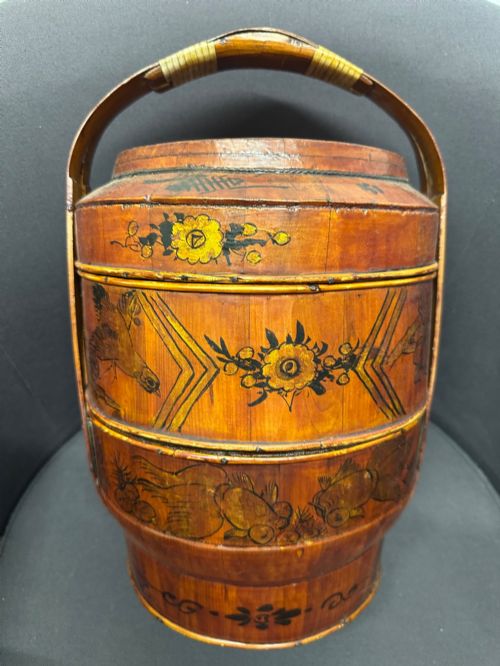
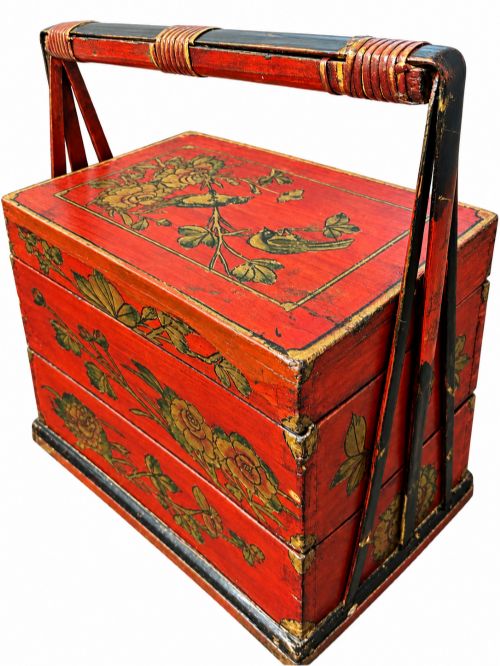
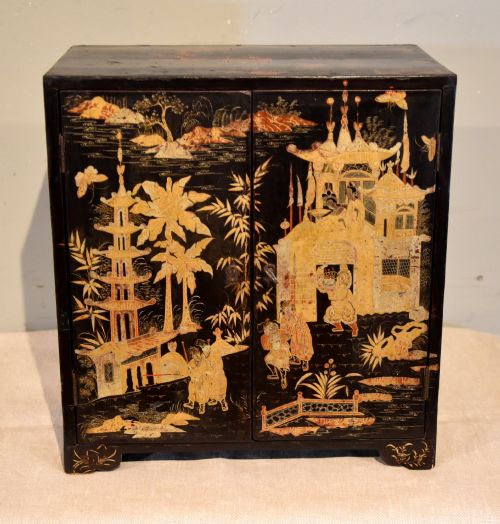
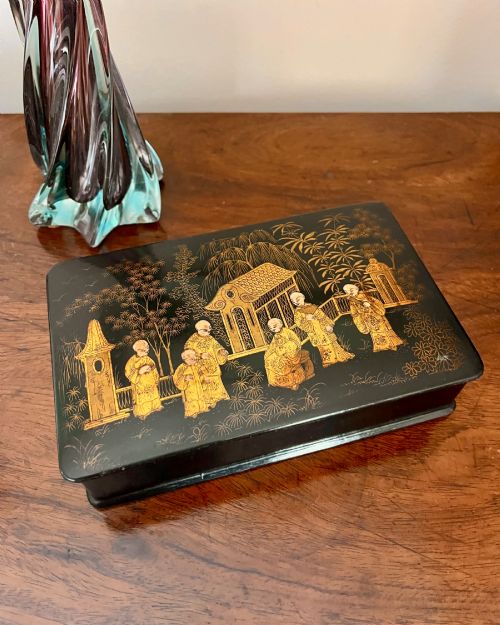
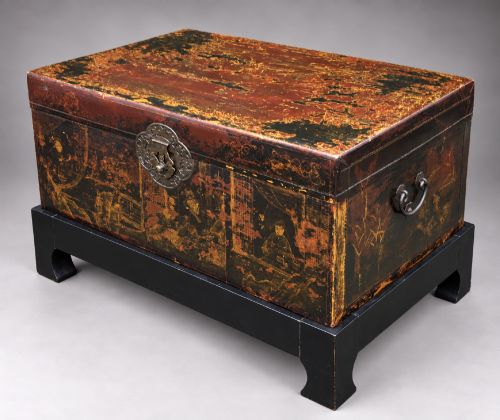
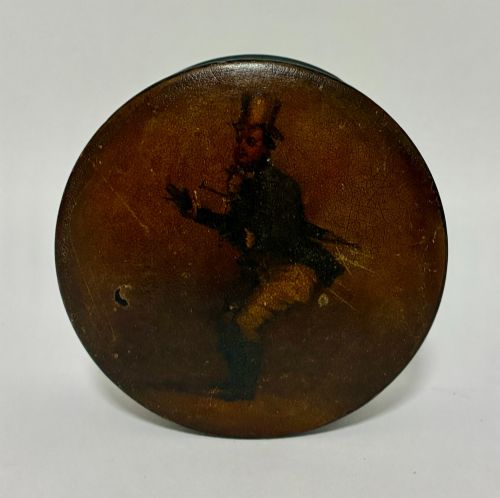
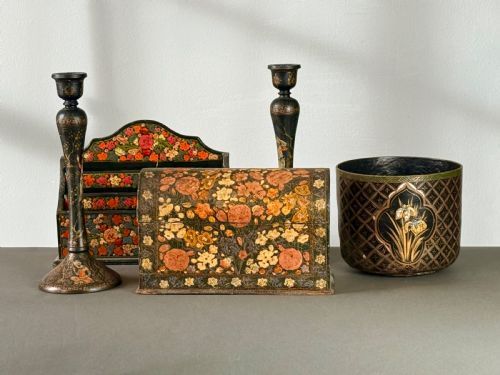
An antique lacquer box encompasses a wide array of lidded containers, tea caddies, snuff boxes, and writing cabinets produced across global workshops. The most common examples meeting collectors on this page date from the nineteenth century, reflecting diverse origins from Chinese export pieces to Japanese Meiji period works and Victorian papier-mâché items.
Materials and Construction Techniques
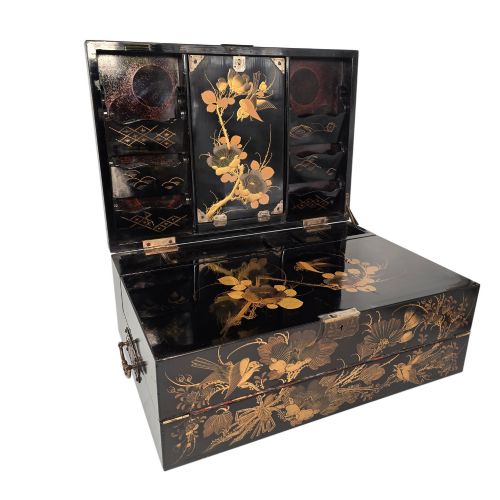
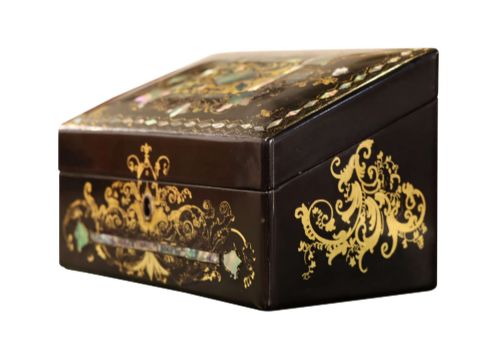
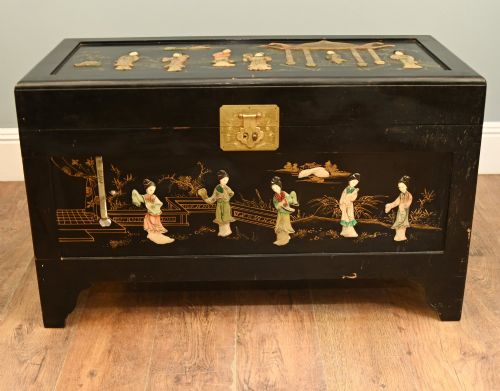
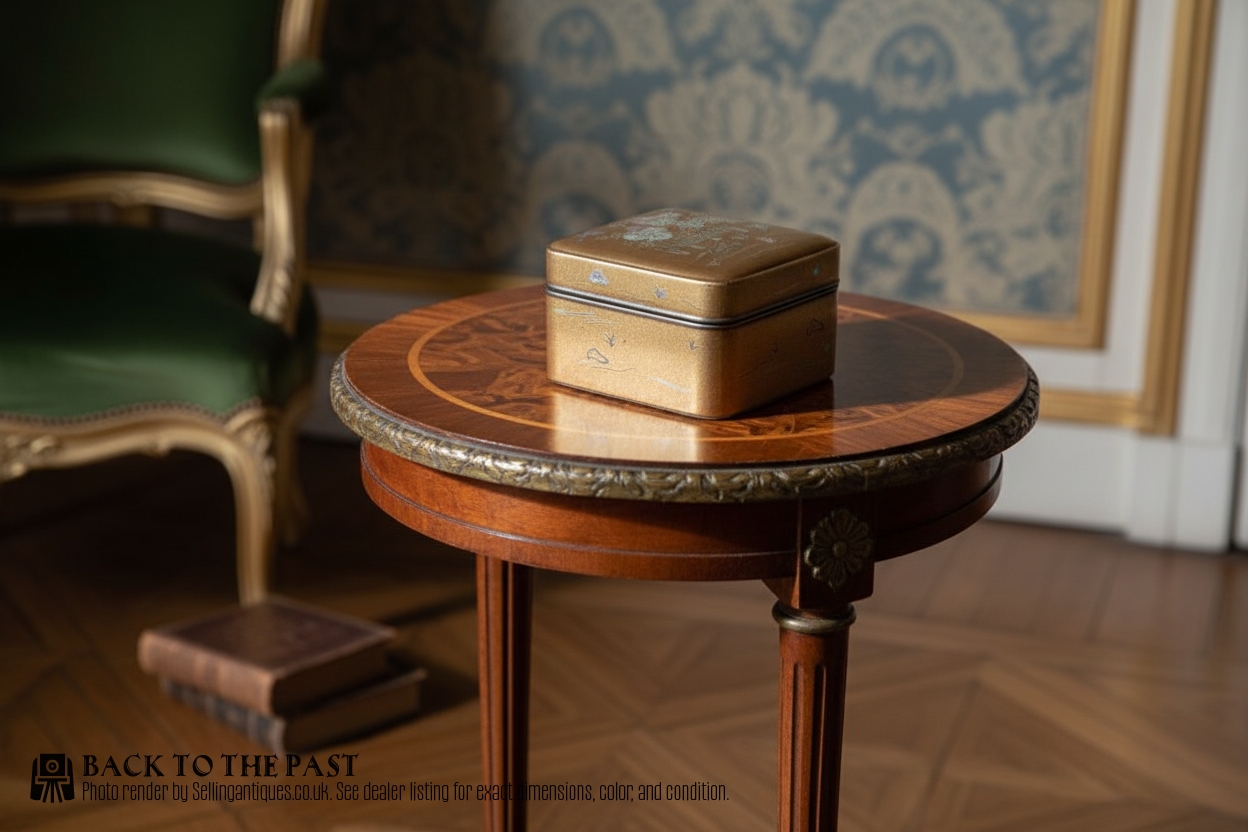
The foundation of these vessels typically involves wood, papier-mâché, or metal, upon which successive layers of natural resin or paint are applied and polished. Many pieces incorporate brass hardware, mother-of-pearl inlay, and detailed gold leaf or painted gilt decoration.
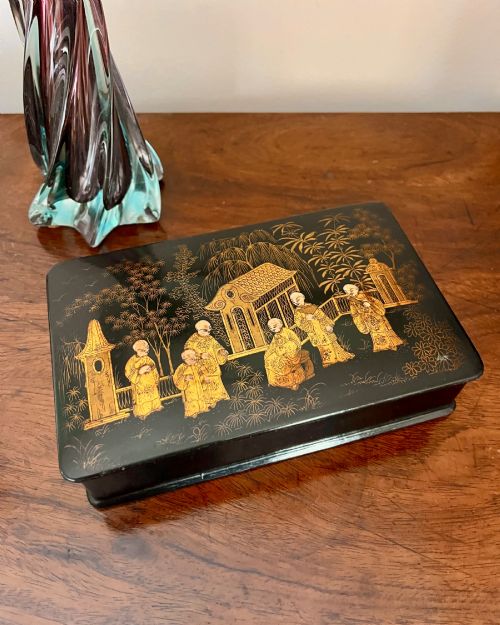
Asian examples frequently utilise traditional lacquer resin applied over a wooden base, sometimes carved in relief or embellished with pictorial motifs. European equivalents from the Georgian and Victorian eras often rely on sturdy papier-mâché cores finished with dark lacquered surfaces and hand-painted scenes.
Antique Lacquer Box Retail Price Guide 2026
Typical asking prices for lacquer box among the pieces listed under this phrase on Sellingantiques today, from the lower quarter to the upper quarter. They describe what is for sale here now, not the wider market.
Listings feature items from the eighteenth, nineteenth, and early twentieth centuries, utilising wood, papier-mâché, and lacquer.
Distinctions in Quality
The standard of a piece rests heavily on the crispness and complexity of its surface decoration, whether executed in fine gold leaf, hand-painted vignettes, or carved cinnabar. Superior examples display tightly controlled pictorial details and smooth, stable surfaces without excessive crazing.
Construction integrity also dictates value, particularly in the fit of the lid, the stability of internal compartments, and the preservation of delicate hinges or inlays. Pieces retaining their original interior fittings and undamaged structural cores consistently represent the finer end of the spectrum.
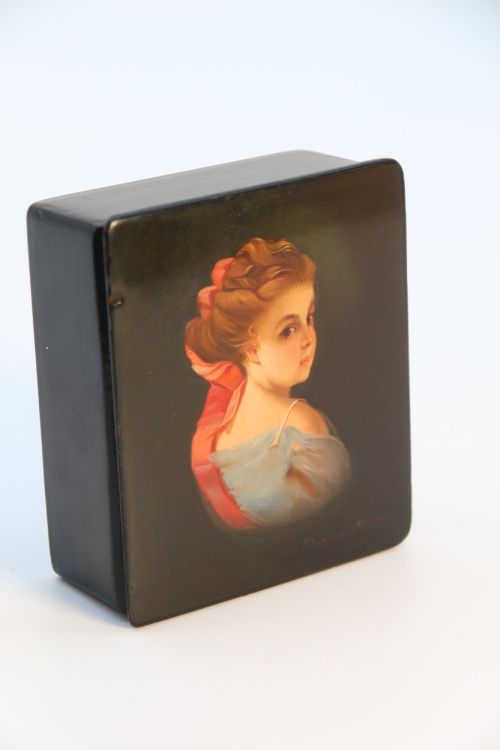
Vishnyakov Workshop
The Antique Lacquer Box Glossary
- Cinnabar
- A bright red mineral form of mercurial sulphide used to create carved red lacquer objects. Artisans carve deep relief designs directly into thick layers of the hardened material.
- Inro
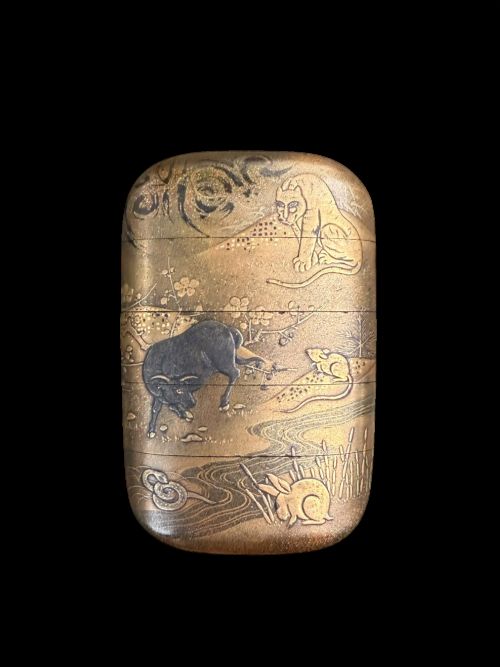
- A small traditional Japanese multi-tiered case for carrying small objects, suspended from a sash. These compartments typically fit flush together and secure with a cord.
- Papier-mâché
- A composite material made of paper pulp or reinforced sheets mixed with binding adhesive, moulded and dried. It forms a lightweight, smooth base for European and British lacquered boxes.
- Kodansu
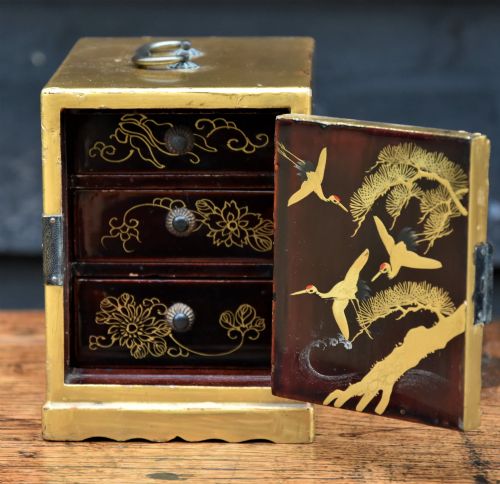
- A small Japanese portable table cabinet featuring multiple internal drawers and hinged doors. These miniature storage pieces frequently display intricate lacquer and metal fittings.
Antique Lacquer Box: Frequently Asked Questions
What are antique lacquer boxes made from?
These vessels are built using timber foundations, papier-mâché, or metal bases that receive multiple applications of resin, paint, or varnish. Artisans then enhance these prepared surfaces using gold leaf, metallic pigments, and mother-of-pearl.
Finer Asian examples utilise natural tree sap applied in numerous cured coats, while British and European items from the nineteenth century frequently employ compressed paper pulp treated with dark lacquer finishes.
How can I tell a Chinese box from a Japanese one?
Chinese export and Qing Dynasty pieces often display deep red cinnabar carvings, robust wooden cores, or distinct black-and-gold Chinoiserie landscapes. The decorative motifs typically focus on court scenes, dragons, or formal floral arrangements.
Japanese Meiji period containers, such as writing boxes and inro, frequently showcase refined takamaki-e gold decoration, delicate bird and crane motifs, or specialised Kiri wood construction.
What were small lacquer boxes originally used for?
Pocket-sized containers served to hold snuff, tobacco, or small personal keepsakes, while larger desk boxes organised correspondence and writing implements. Specialised tea caddies preserved dry tea leaves away from moisture in domestic settings.
Many decorative table cabinets and presentation boxes functioned as vanity cases for jewellery or delicate sewing accessories belonging to ladies of the household.