


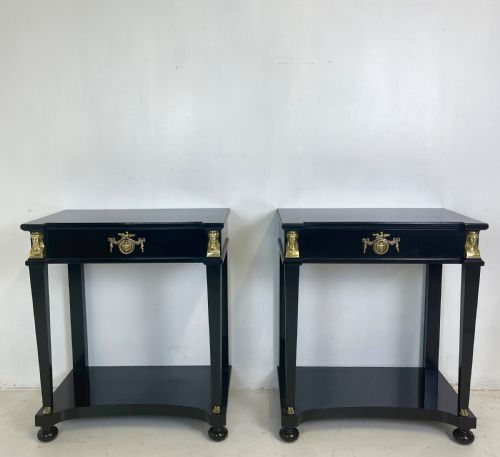


Black Lacquer Table Cabinet
A black lacquer table cabinet brings centuries of craftsmanship into a room, offering compact storage with intricate decoration.
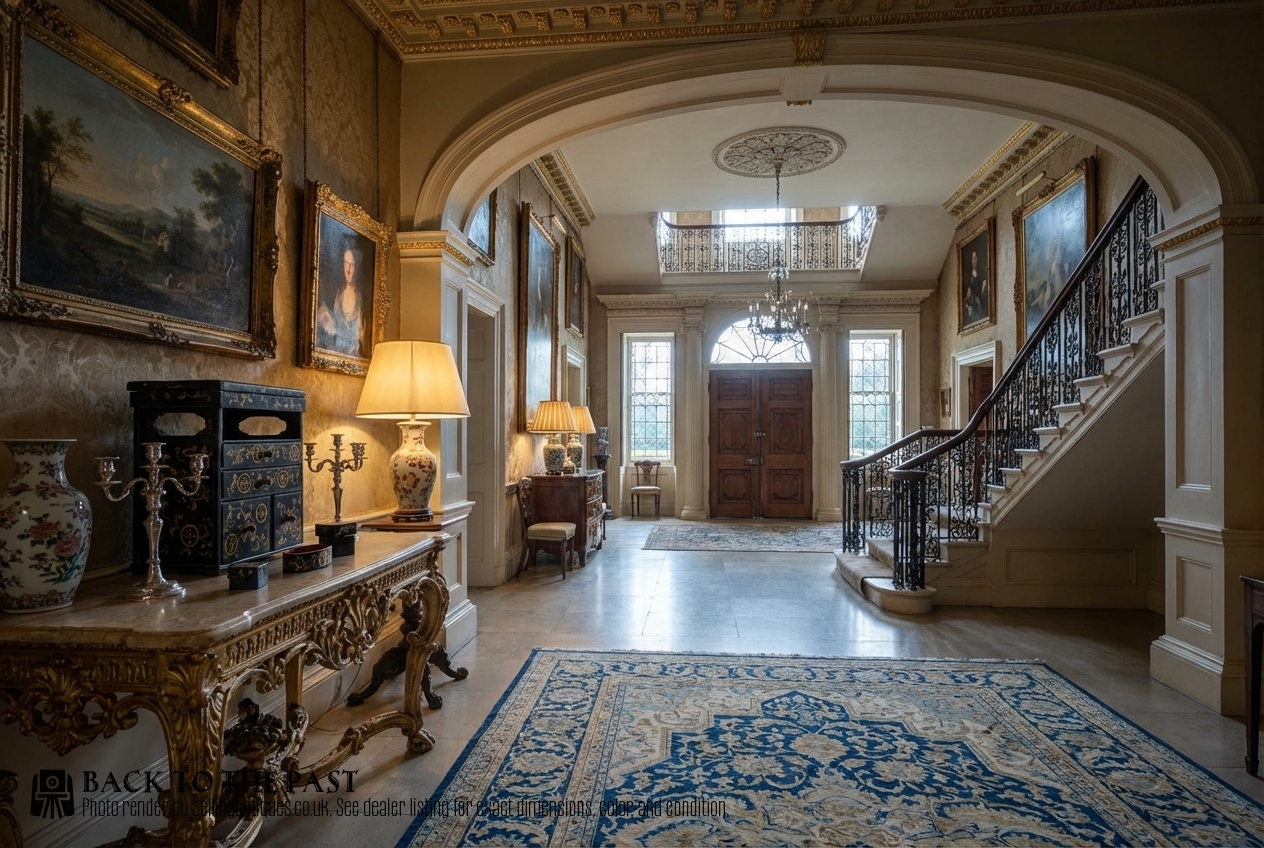
Black Lacquer Table Cabinet
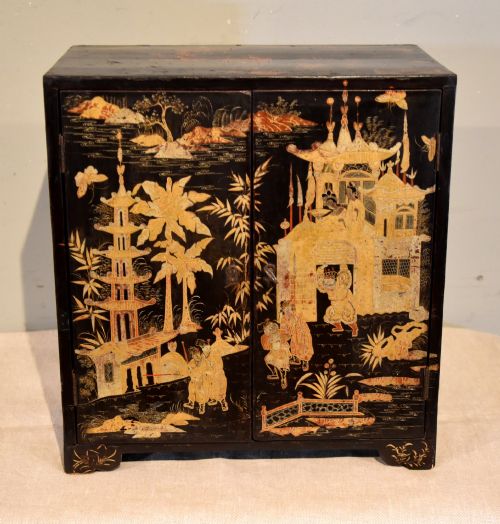
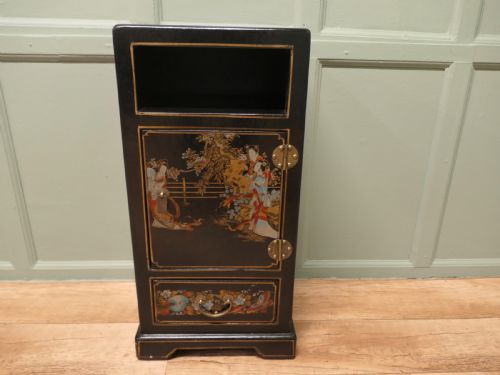
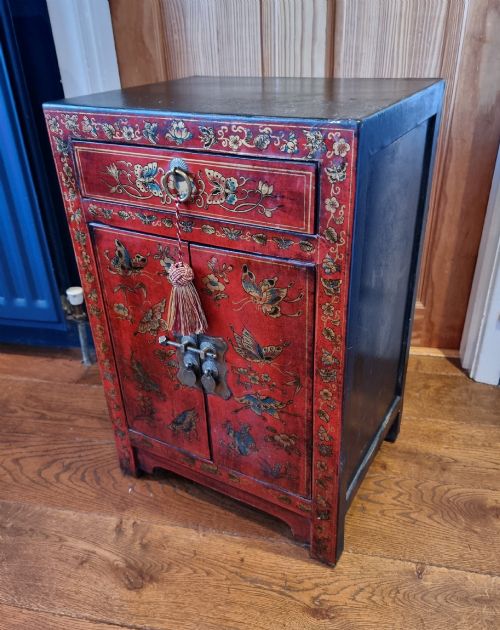
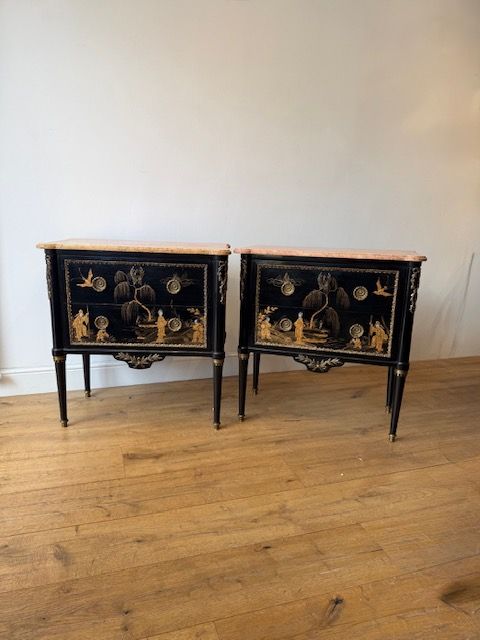
A black lacquer table cabinet is a portable piece designed for tabletop use, combining functional storage with detailed surface work. These pieces appear in forms ranging from traditional Chinese export items to Japanese Meiji and Taisho period examples, alongside Regency and Empire style pieces.
Buyers will most frequently encounter table cabinets and small cupboards featuring distinct regional styles like Chinoiserie and Japanese lacquer work. The selection spans the nineteenth century up to the nineteen thirties, encompassing compact chests, shodana, and kodansu formats.
The primary appeal lies in the decorative surface and the miniature scale, which allows these cabinets to sit upon side tables, chests, or desks. They provide enclosed compartment storage while serving as a decorative focal point within a room.

Materials and construction
Construction relies primarily on wood as a foundation, which is then finished with layers of lacquer to create a smooth, durable surface. Ebonised wood and general lacquered wood form the structural body for these compact cabinets.
Decoration is applied using gold leaf, bronze, and brass elements, often incorporating penwork details or elaborate pictorial scenes. These techniques define the Chinoiserie, Chinese export, and Japanese aesthetic traditions seen across the pieces.
Some nineteenth century cabinets spent decades hiding love letters before finding a second career holding modern TV remote controls.
Judging quality in black lacquer table cabinets
Quality rests in the precision of the surface decoration and the depth of the lacquer finish. Pieces with refined gold leaf application or delicate penwork display a higher tier of artisan skill than simpler painted surfaces.
The integrity of the underlying woodwork and the fidelity of the period style dictate the standing of a piece. Original mounts in brass or bronze also contribute to the distinction between standard examples and finer works.
The Black Lacquer Table Cabinet Glossary
- Chinoiserie
- European interpretation and imitation of Chinese and East Asian artistic traditions, popular in furniture decoration. This style frequently employs black lacquer grounds and gold motifs.
- Kodansu
- A traditional small Japanese cabinet with multiple internal drawers or compartments. These portable pieces were designed for storing precious items or documents.
- Shodana
- A style of Japanese display cabinet featuring asymmetrical shelving and small cupboards. They are noted for intricate lacquerwork and decorative panels.
- Penwork
- A decorative technique using fine ink or paint application to create intricate line drawings on wood surfaces. It appears on Regency and English pieces in this category.
- Ebonised wood
- Timber treated to resemble ebony, providing a dark, uniform surface. It serves as a structural base for decorative lacquer and gilt work.
Black Lacquer Table Cabinet: Frequently Asked Questions
What is a black lacquer table cabinet?
A black lacquer table cabinet is a small, portable storage piece finished with dark lacquer and detailed ornamentation. They were traditionally used to store letters, valuables, or curiosities on top of larger furniture.
Today, they function as decorative accent pieces that introduce texture, history, and craftsmanship into modern interiors.
Where were these cabinets made?
These pieces originate from various regions, including China, Japan, and England. Chinese export and Japanese Meiji or Taisho period works showcase Eastern lacquer traditions, while Regency and later English pieces adapt these motifs locally.
Each origin brings distinct stylistic markers, from penwork details to traditional export landscapes.
How do I care for lacquer furniture?
Lacquer requires gentle maintenance to preserve the surface finish and delicate gold or brass decorations. Keep pieces out of direct sunlight and away from extreme temperature fluctuations to prevent the wood beneath from moving.
Dust lightly with a soft, dry cloth and avoid chemical polishes or abrasive cleaners.
How do I tell Japanese from English pieces?
Japanese examples, such as shodana or kodansu cabinets, typically feature authentic regional lacquer techniques and traditional motifs like gold leaf landscapes. English pieces from periods like the Regency often employ penwork or European Chinoiserie interpretations on ebonised wood.
Examining the construction methods and decorative style usually reveals the geographic origin.