
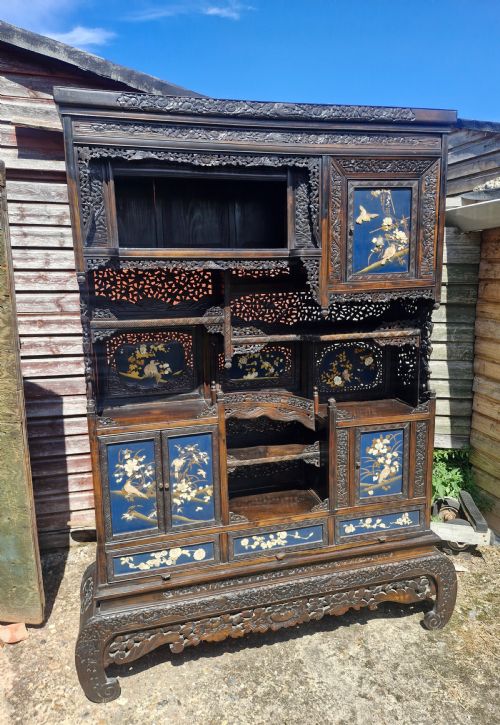


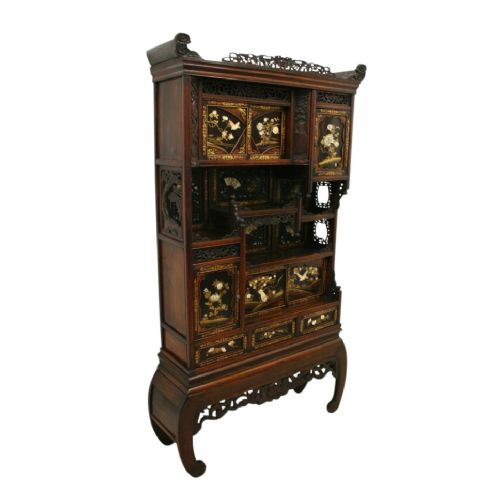


Meiji Period Lacquer Cabinet
A meiji period lacquer cabinet is an intricate Japanese storage piece combining polished surfaces and meticulous detail that brings historical craftsmanship into any room.
Meiji Period Lacquer Cabinet
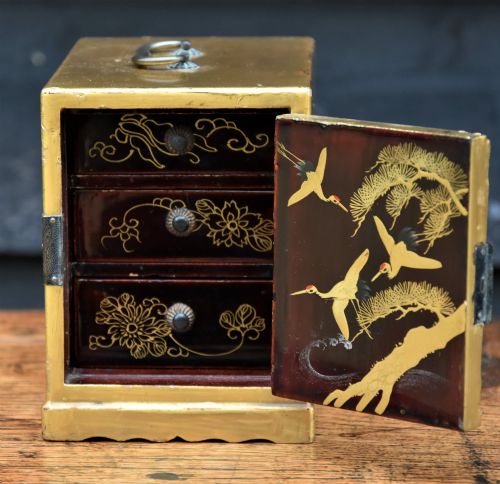
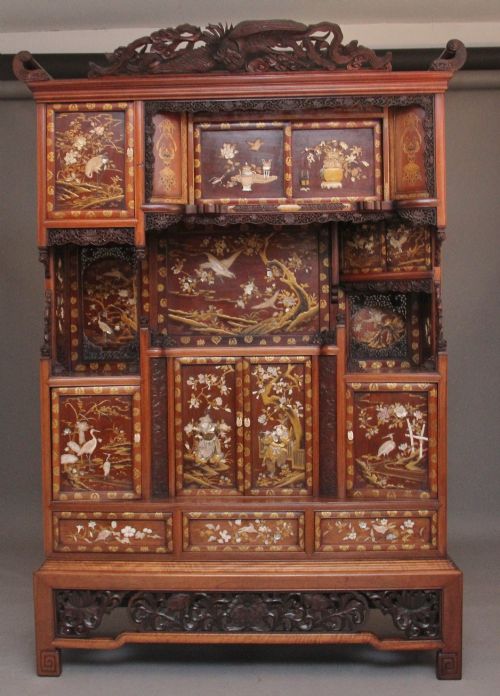
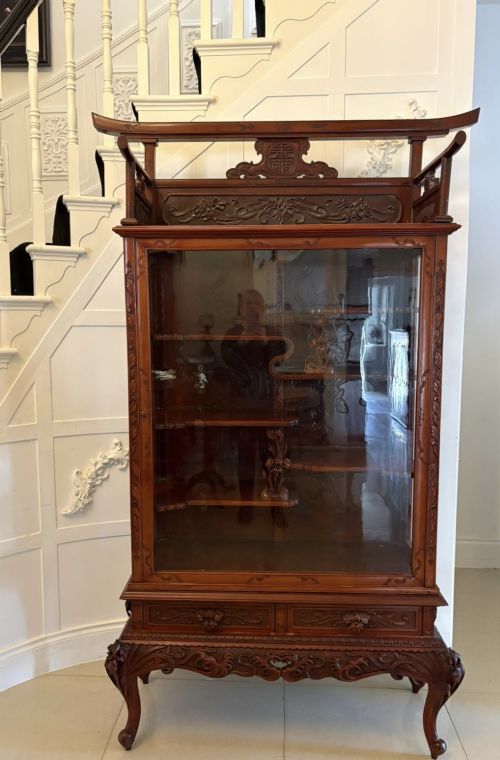
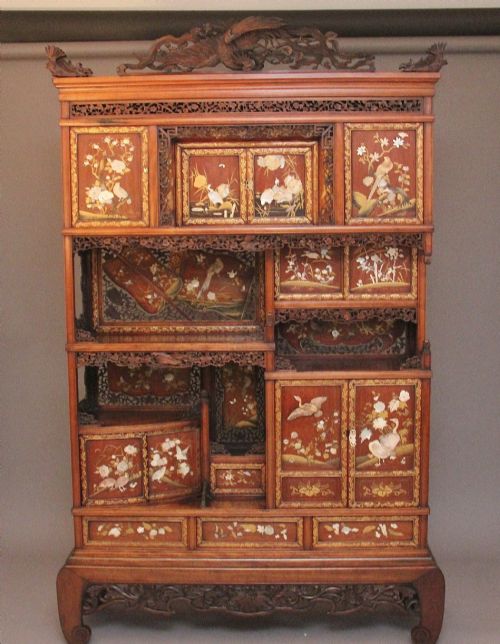
When searching for a meiji period lacquer cabinet, buyers encounter a diverse selection of Japanese furnishings spanning the nineteenth and early twentieth centuries. These pieces encompass table cabinets, shodona display cabinets, writing boxes, jewellery boxes, and tansu chests.
The assortment on offer ranges from compact table cabinets designed for small treasures to large display units and cabinets on stands. Most examples originate from the Meiji period, featuring traditional forms such as the shodana and tansu chest created for storage and display.
How They Were Made
These cabinets rely on wood and hardwood as a structural base, coated in layers of lacquer to achieve a durable and glossy finish. Artisans enhanced the black, red, and gilt lacquer surfaces using gold leaf, mother-of-pearl, and bone.
Carving techniques and inlaid shibayama panels add texture and pictorial detail to the exteriors. Brass hardware often secures the doors and drawers, completing the construction of these decorative storage items.
What Varies in Quality
Quality rests upon the depth of the lacquer finish and the precision of the decorative inlays. Pieces adorned with intricate mother-of-pearl, bone, and detailed shibayama panels demonstrate a higher level of artisanal effort.
The scale and complexity of the woodwork also divide standard items from superior examples. Larger cabinets with elaborate carving and integrated stands demand greater skill in both construction and ornamentation.
The Meiji Period Lacquer Cabinet Glossary
- Shodona
- A Japanese display cabinet featuring asymmetrical shelves and small cupboards. These pieces were designed to showcase art objects and curios.
- Tansu
- A traditional Japanese mobile chest of drawers used for domestic storage. They are constructed from wood and often finished in black or red lacquer.
- Kodansu
- A small portable Japanese cabinet or box used for storing jewellery or personal documents. They typically feature multiple internal drawers.
- Shibayama
- A style of Japanese inlay using materials such as mother-of-pearl, ivory, bone, and tortoiseshell. These elements create raised pictorial motifs on lacquer backgrounds.
Meiji Period Lacquer Cabinet: Frequently Asked Questions
What is a shodona cabinet?
A shodona is a Japanese display cabinet characterised by asymmetrical shelving and small enclosed compartments. These units were built to exhibit decorative objects rather than store heavy items.
They reflect the refined interior aesthetics of the period, offering varied compartments for viewing porcelain, lacquerware, and small bronzes from different angles.
How do I care for lacquer?
Lacquer requires gentle treatment to preserve its polished surface and prevent drying or cracking. Keep these cabinets away from direct sunlight and sources of extreme heat.
Dust the surface lightly with a soft, dry cloth and avoid chemical polishes or abrasive cleaners that can damage the delicate gold leaf and inlay.
Where were these cabinets placed?
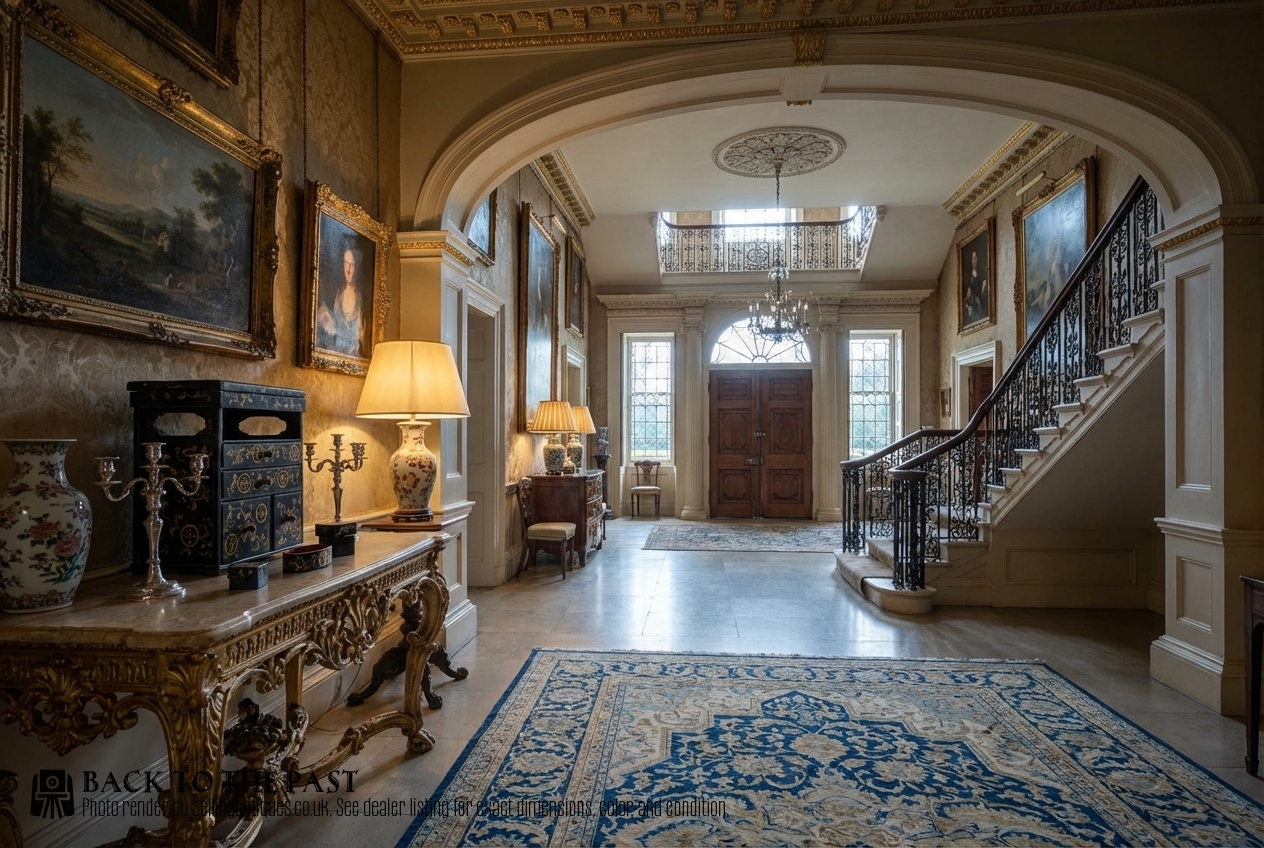
Table cabinets and jewellery boxes sat upon desks, sideboards, or low tables to keep small valuables close at hand. Larger shodona and tansu chests stood directly on the floor or on dedicated stands as focal points in a room.
Their decorative finishes ensured they functioned as both practical storage and prominent items of display.
What materials are used?
The primary structure consists of wood or hardwood, coated in multiple layers of lacquer to create a smooth, resilient shell. Artisans embellished these surfaces with gold leaf, red lacquer, and black lacquer.
Details are often built up using mother-of-pearl, bone, and carved panels, complemented by brass fittings on doors and drawers.