


Japanese Wooden Chest
A japanese antique wooden chest brings centuries of craftsmanship into the home, offering robust storage built from keyaki, cedar, elm, and pine.

Japanese Wooden Chest
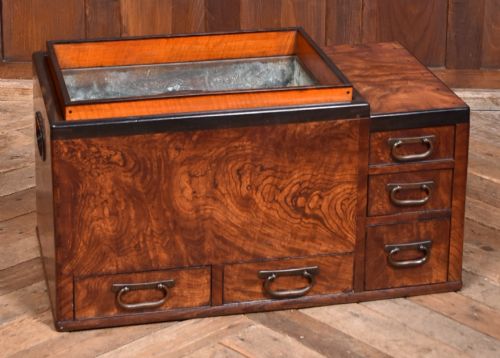
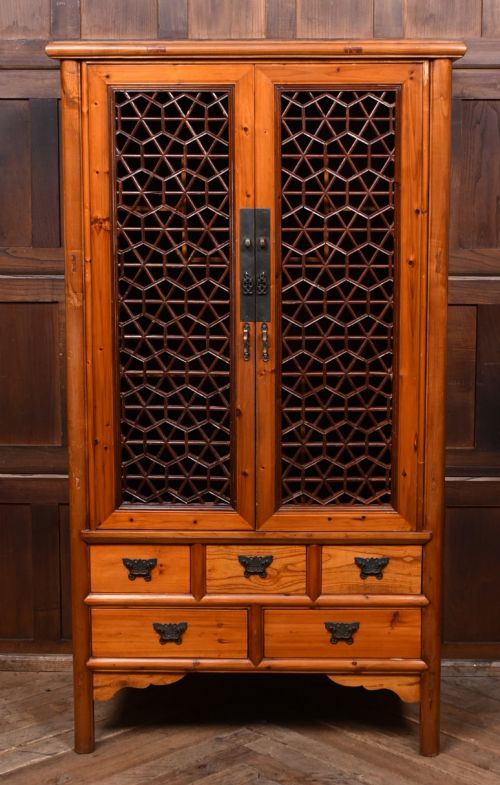
When you search for a japanese antique wooden chest, you encounter storage furniture originating primarily from the Edo, Meiji, and Taisho periods. These pieces include various forms of tansu, larder cupboards, storage cabinets, and table cabinets designed for domestic utility.
The version you are most likely to meet on this page is the 19th-century tansu chest, often constructed from woods such as cedar, keyaki, or elm. These utilitarian cabinets range from simple merchant chests to specialised forms fitted with iron hardware.
Beyond standard drawer configurations, the listings show specialised regional and functional variants like ship's tansu, wheeled kuruma-dansu, and step chests known as kaidan tansu. Each type reflects the specific domestic or commercial storage needs of historical Japan.
How they were made
Joinery and construction rely on durable timbers native to the region, including keyaki wood, cedar, elm, and pine. Artisans selected these woods for their grain and structural stability in daily use.
Iron and brass hardware forms an essential structural and decorative component, reinforcing corners, drawers, and locking mechanisms. Some pieces feature black or red lacquer finishes applied to the wooden surfaces.
Some money boxes feature hidden compartments designed to outsmart clever thieves.
What varies in quality
The choice of timber significantly affects the character of the piece, with dense keyaki wood representing a more substantial standard than softer pine. Wood selection dictates both the visual weight and the durability of the cabinet.
The complexity and execution of the iron or brass mounts distinguish finer examples from simpler utilitarian containers. Elaborate locking mechanisms and robust corner plates demonstrate higher standards of metalwork and joinery.
The Japanese Wooden Chest Glossary
- Tansu
- A traditional Japanese mobile storage chest or cabinet utilised for clothing, valuables, or household goods. These cabinets often feature multiple drawers and heavy metal reinforcement.
- Keyaki
- Japanese zelkova wood, prized for its dense grain and strength. Makers frequently employed this hardwood for the facades of superior tansu.
- Kuruma-Dansu
- A wheeled merchant chest designed for mobility during fires or emergencies. These wheeled variants represent a distinct subcategory of traditional storage.
- Kaidan Tansu
- A stepped chest designed to serve as a staircase while providing functional storage compartments underneath. This dual-purpose form maximises space in traditional interiors.
- Hibachi
- A traditional Japanese heating device or brazier, occasionally formed from wood and metal. These hearths served both functional and social roles within the home.
Japanese Wooden Chest: Frequently Asked Questions
What is a tansu chest?
A tansu is a traditional Japanese mobile storage cabinet built for domestic or commercial use. These pieces feature multiple drawers and heavy metal fittings.
Craftsmen constructed them from woods like cedar, elm, and keyaki to store clothing, documents, and valuables.
How are step chests used?
Kaidan tansu serve the dual purpose of a staircase and a storage cabinet. They were placed in traditional homes to access loft spaces while housing household items.
Their stepped configuration provides compartments of varying sizes beneath the treads.
What woods were used?
Makers utilised regional timbers including cedar, pine, elm, and keyaki wood. Hardwoods like keyaki frequently appeared on the exterior facades for durability.
Softwoods were often used for internal drawer construction and structural framing.
What is a ship's tansu?
Ship's tansu are specialised storage chests constructed for maritime use by merchants and sailors. They feature secure locking mechanisms to protect valuables during sea voyages.
Heavy iron hardware reinforced these portable cabinets against the hazards of transport.
How do I date a chest?
Dating relies on stylistic indicators, materials, and historical periods such as the Edo, Meiji, and Taisho eras. Nineteenth-century pieces frequently display traditional joinery and hand-forged ironwork.
Later examples from the early twentieth century reflect transitional manufacturing techniques.