


Decorative Table Casket
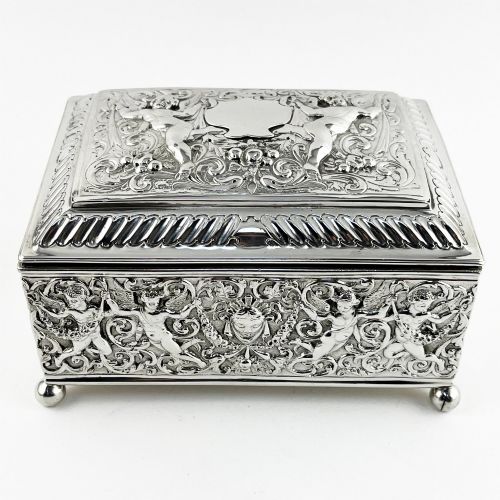
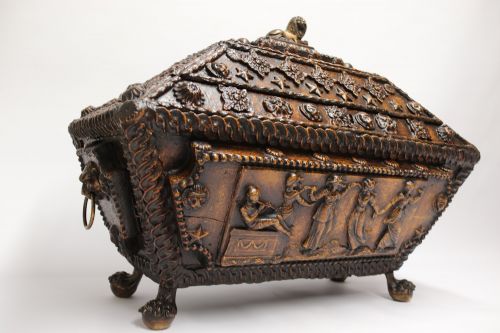
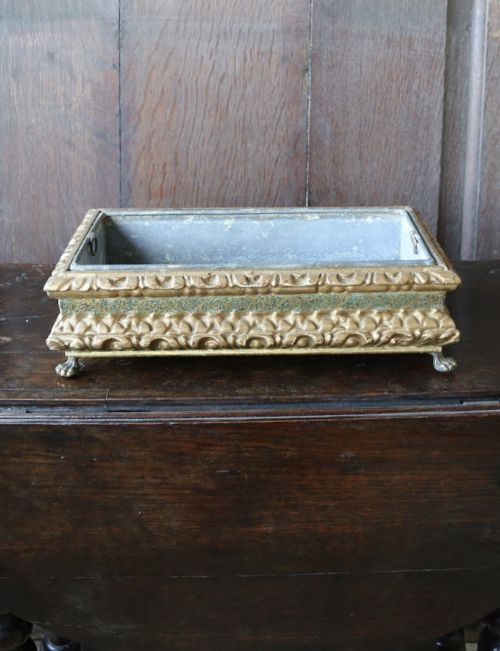
These decorative table caskets offer a refined place for small treasures, catching the eye with period craftsmanship and rich materials.
Decorative Table Casket
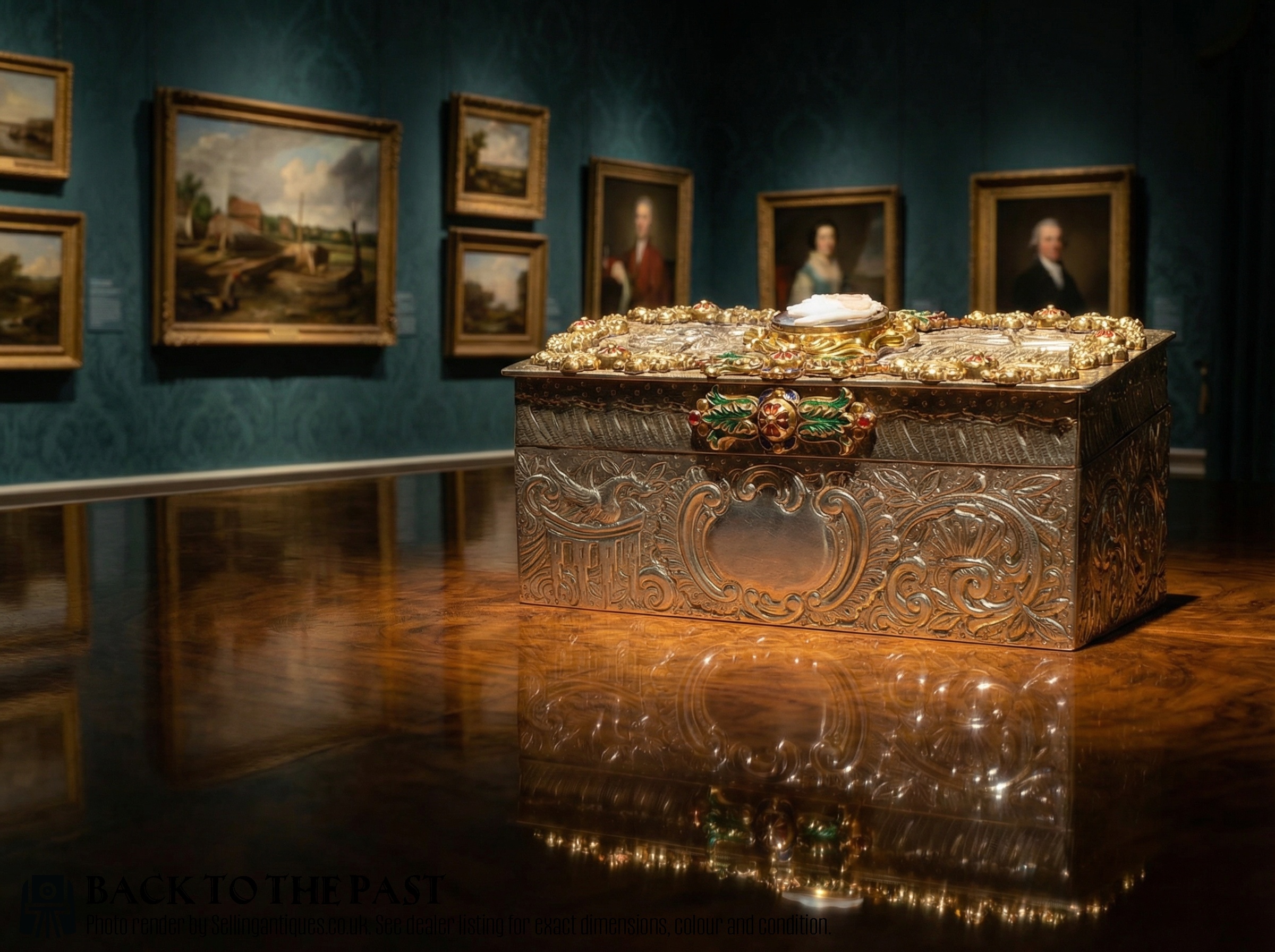
A decorative table casket serves as a small, ornamental receptacle for trinkets, jewellery, and desk accessories. These pieces range from compact trinket boxes to substantial table cabinets designed to sit upon surfaces in a study, boudoir, or parlour.
The selection on this page spans several centuries, drawing heavily on Victorian and Regency periods alongside earlier 17th century examples. Forms include domed painted caskets, penwork Brighton chain pier boxes, and yellow japanned workboxes.
Origins vary across English, French, and Italian workshops, bringing together diverse regional tastes and cabinet-making traditions. Buyers encounter varied styles such as Neoclassical, Italian Baroque, Renaissance Revival, and Art Nouveau.
Materials and Construction
Construction relies upon a foundation of timber such as walnut, satinwood, ebony, and burr yew, often paired with metal elements in brass and bronze. Artisans shaped these woods into robust boxes designed to house precious items.
Surface ornamentation defines many examples, incorporating hand-painted finishes, gesso decoration, and delicate penwork. Capodimonte porcelain, enamel, glass, and cameos are applied to enhance the visual richness of the exterior.
Materials span walnut, satinwood, burr yew, brass, bronze, porcelain, and enamel across periods from the seventeenth century to the twentieth.
Assessing Quality
Quality reveals itself in the precision of the joinery and the integrity of the surface decoration, whether hand-painted details or carved gilt wood. Finer examples display meticulous attention to hinges, locks, and internal linings.
The sophistication of applied materials, from champleve enamel to silver appliques and porcelain plaques, distinguishes standard boxes from exceptional ones. The balance of proportion and the crispness of revivalist motifs indicate the skill of the original workshop.
The Decorative Table Casket Glossary
- Japanned
- European imitation of East Asian lacquerwork, created by applying layers of varnish and paint. This technique produces a glossy, decorative surface often seen on early 19th century workboxes.
- Penwork
- Decorative technique using ink applied with a pen to create intricate monochrome designs on wood. Brighton chain pier boxes frequently utilise this method for seaside scenes.
- Champleve
- Enamelling method where troughs or cells are hollowed out of a metal surface and filled with vitreous enamel. These filled areas are then fired and polished flush with the metal.
- Gesso
- Plaster-based preparation mixture used as a smooth base for paint or gilding on wooden objects. It allows artisans to carve intricate relief details before applying gold leaf or colour.
- Capodimonte
- Italian porcelain produced by the famous factory established in Naples, known for highly detailed sculptural reliefs. These porcelain plaques and caskets often feature classical figural scenes.
Decorative Table Casket: Frequently Asked Questions
What were decorative table caskets used for?
These boxes served primarily to store precious personal items, including jewellery, letters, and small trinkets. Placed upon desks, dressing tables, or console surfaces, they also functioned as ornamental display pieces in formal rooms.
Their substantial construction and lockable lids made them suitable for safeguarding items of value while contributing to the interior decor of the period.
How do I date a decorative table box?
Dating relies on identifying the prevailing style, structural materials, and decorative techniques characteristic of specific periods. For instance, neoclassical motifs and satinwood point toward the Regency era, while heavy gilt wood and dark timbers often suggest seventeenth-century origins.
Hardware such as hinges and locks also provides clues, as manufacturing methods shifted noticeably between the Georgian, Victorian, and Edwardian eras.
Where should I place a table casket at home?
A table casket sits well on a desk, mantelpiece, or entryway console where its decorative surface can be appreciated. Because many examples feature detailed painting, enamel, or porcelain, positioning them away from direct sunlight helps preserve the colours.
They also function effectively on bedside tables or dressing chests to hold modern jewellery and daily accessories.
How do French and Italian caskets differ?
Italian caskets frequently showcase carved gilt wood, baroque forms, or Capodimonte porcelain plaques with deep sculptural relief. French pieces often lean towards satinwood veneers, delicate hand-painted motifs, and refined neoclassical lines.
Both traditions emphasise ornamentation, but Italian examples tend toward dramatic architectural presence, whereas French boxes prioritise elegant surface refinement.