





English Regency Casket
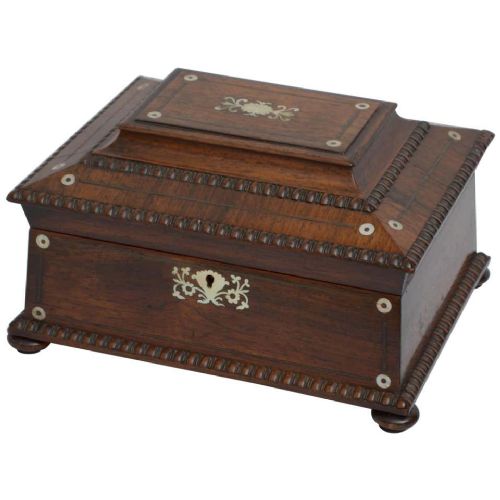
An English regency casket brings classical proportion and figured timber to a dressing table or desk, offering a neat home for letters or trinkets.
English Regency Casket
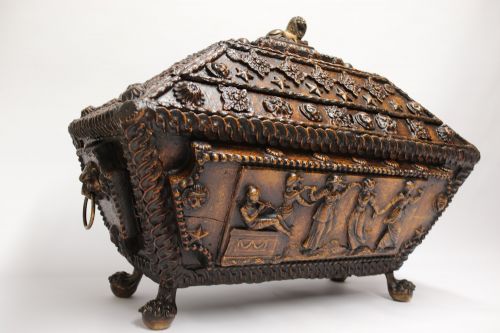
An English regency casket encompasses jewellery boxes, tea caddies, sewing boxes, and cellarets originating from the early nineteenth century and the subsequent William IV period. These pieces serve as functional storage for small valuables, correspondence, and dry goods, shaped by the classical design preferences of the era.
The versions most commonly met on this page date around eighteen twenty, constructed from dense tropical hardwoods and fitted with compartments for domestic organisation. Surviving examples reflect both the restrained geometry of the Regency style and the slightly heavier proportions typical of the late eighteen thirties.
Materials and Construction
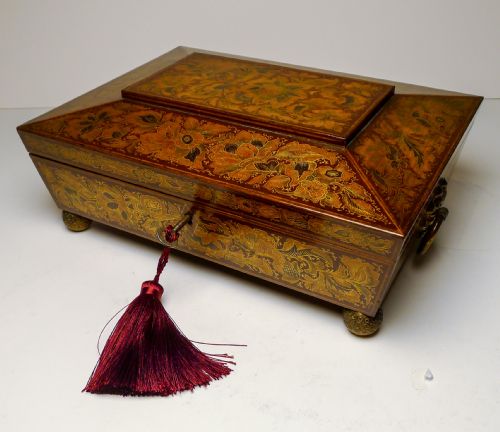
Makers utilised dark imported timbers such as rosewood and mahogany, often forming the primary carcase over a stable pine or oak secondary wood. Surfaces frequently display contrasting veneers, geometric stringing, and cut brass inlays set flush into the grain.
English Regency Casket Retail Price Guide 2026
Typical asking prices for english regency casket among the pieces listed under this phrase on Sellingantiques today, from the lower quarter to the upper quarter. They describe what is for sale here now, not the wider market.
Several boxes contain tiny, secret compartments hidden behind false drawer backs.
Distinctions in Quality
Quality rests upon the precision of the cabinetwork, visible in the tightness of the mitre joints and the alignment of the grain across the lid and sides. Superior examples maintain the original fitted interior partitions and working locks with matching keys.
The intricacy of the decorative elements distinguishes finer pieces, particularly the fineness of brass inlay, hand-painted penwork, or carved gesso ornamentation. Well-preserved patination on the timber surface indicates minimal harsh intervention over time.
Charles Heathcote Tatham
The English Regency Casket Glossary
- Regency
- A design period spanning the early nineteenth century characterised by classical restraint and neoclassical motifs. It draws inspiration from ancient Greek and Roman architecture.
- Cellaret
- A lockable container designed for holding bottles of wine or spirits. They often appear with fitted interior dividers for secure storage.
- Penwork
- A decorative technique using fine ink lines on a prepared surface to create intricate pictorial or geometric designs. It resembles delicate etching upon wood.
- Gesso
- A plaster mixture applied to a wooden surface and carved or moulded into low relief. It provides a smooth ground for gilding or painting.
English Regency Casket: Frequently Asked Questions
What were these boxes used for originally?
These boxes served specific domestic tasks in the nineteenth century, holding tea leaves, sewing implements, writing materials, or precious jewellery. Their fitted interiors kept valuable or delicate items organised and protected from dust.
Larger variants like cellarets managed wine bottles within the dining room, while smaller caskets sat upon writing desks or dressing tables for daily use.
How do I care for a rosewood casket?
Rosewood benefits from stable environmental conditions away from direct sunlight and heat sources, which can cause timber to split or veneer to lift. Dust the surface regularly with a soft, dry cloth rather than applying modern liquid polishes.
Maintaining a consistent indoor humidity helps preserve both the timber carcase and the delicate brass inlays or leather linings found inside.
How can I tell a Regency box from a later copy?
Examine the construction methods and secondary timbers used on the interior and underside of the box. Regency pieces typically employ hand-cut dovetails, older screw types, and native secondary woods like oak or pine behind the mahogany or rosewood veneer.
Hardware such as brass hinges and lock plates should show signs of period manufacturing rather than modern machine stamping.
Did these pieces always include keys?
Locks were standard equipment for boxes containing tea, jewellery, or private papers, but original keys frequently went missing over the decades. Finding a casket with its working lock and original key adds significantly to its completeness.
Many period boxes function perfectly well as display pieces or storage containers even if the original mechanism no longer accepts a key.