



Antique King Bed Frame
An antique king bed frame brings grand scale and substantial presence to a bedroom, drawing the eye with period metalwork and timber.
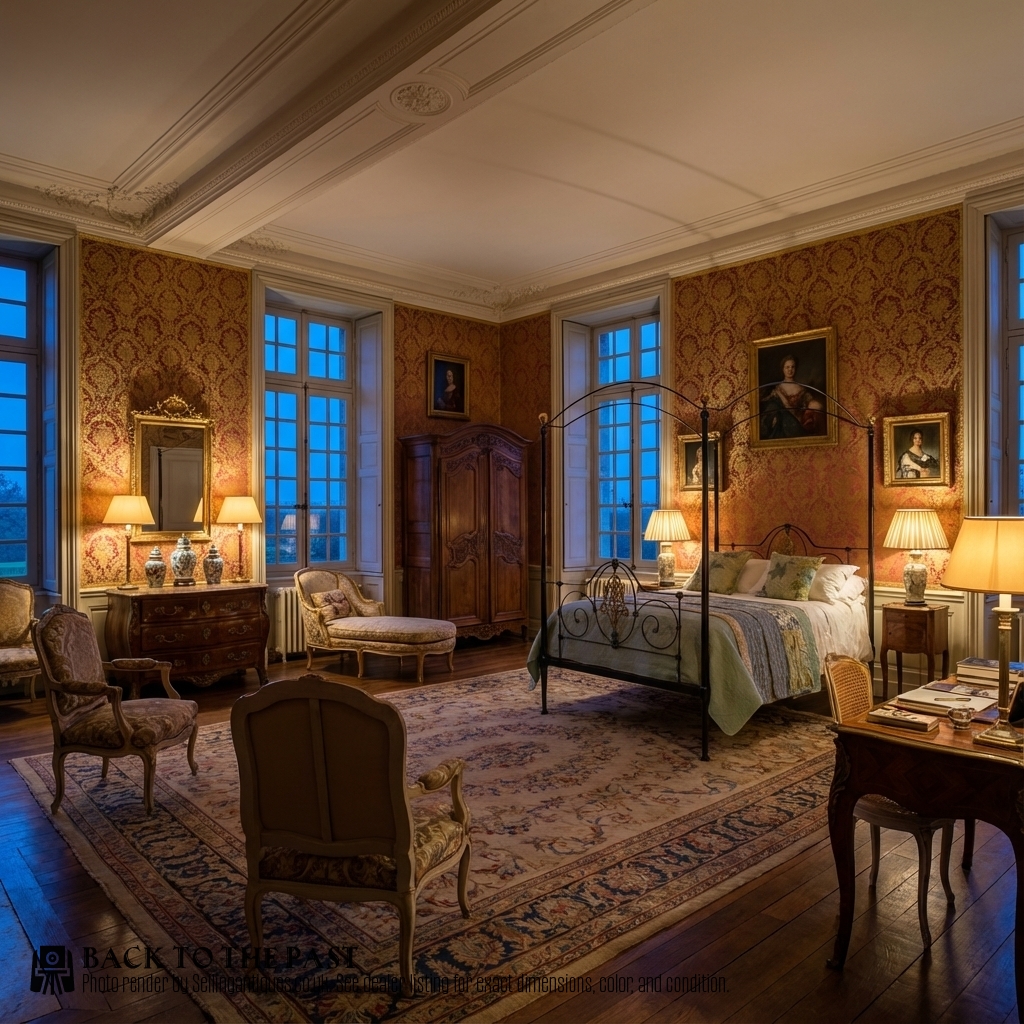
Antique King Bed Frame
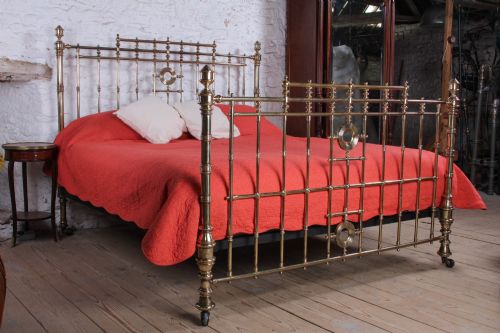
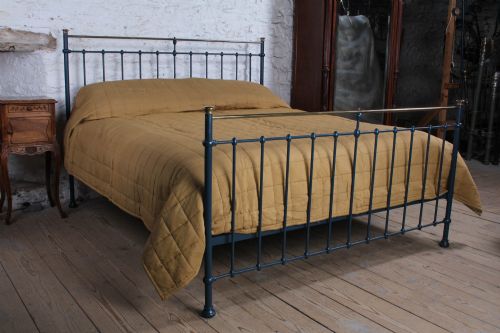
When searching for an antique king bed frame, buyers encounter large sleeping platforms originating predominantly from the Victorian and Edwardian eras, alongside continental French designs. These pieces span robust metal constructions to heavily figured timber bedsteads.
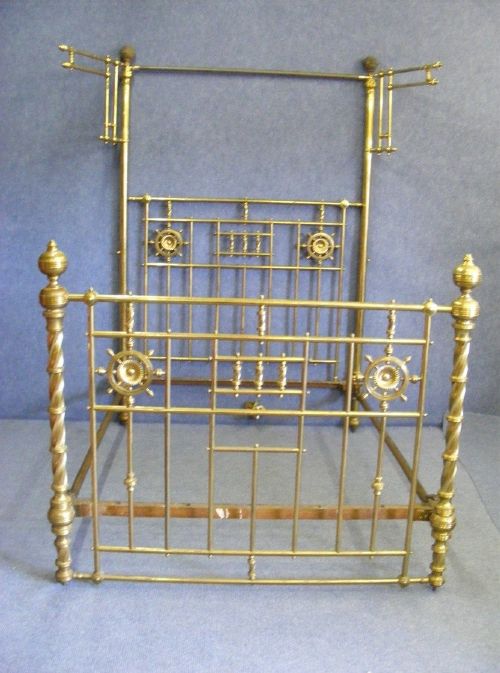
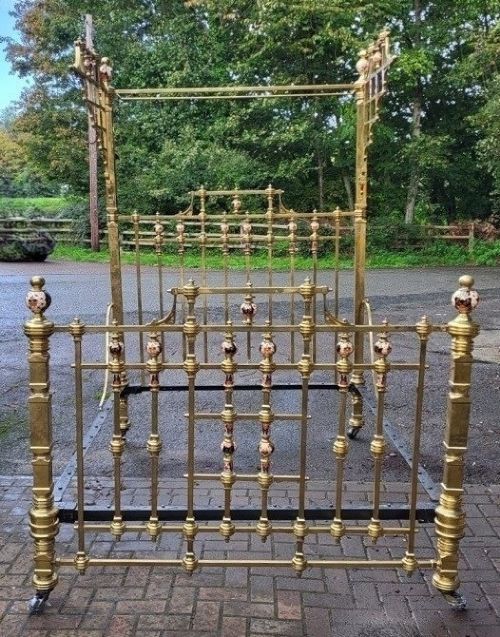
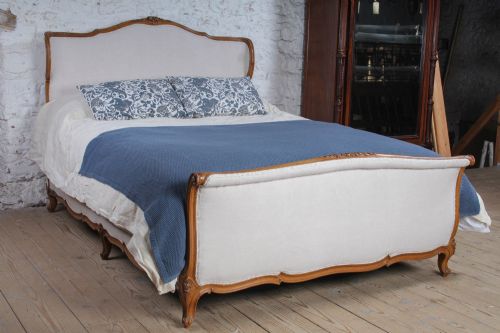
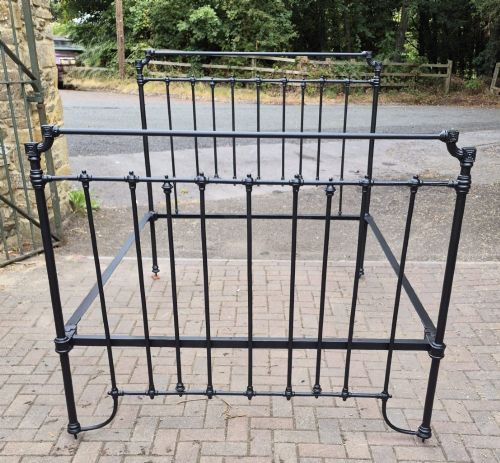
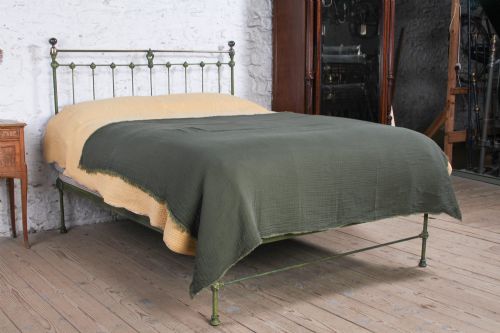
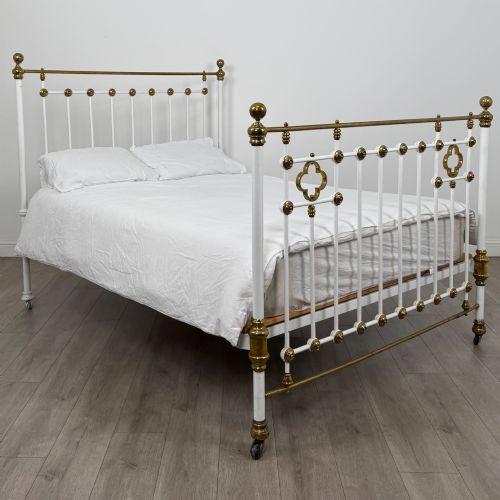
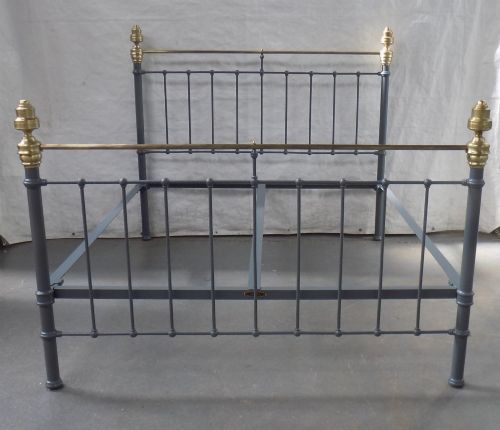
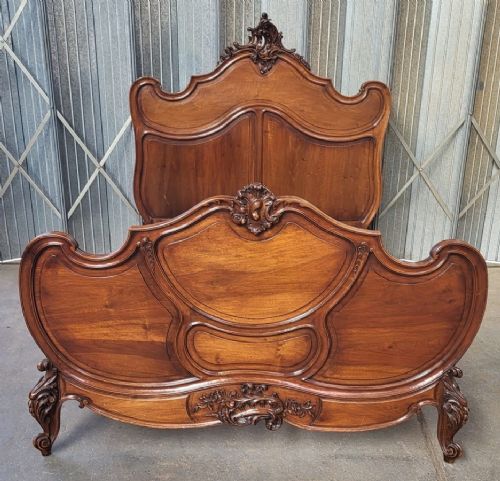
The most common examples on this page are Victorian brass and iron combinations, often featuring half-tester canopies, dip rails, or cast iron footboards paired with gleaming brass tubing. French walnut and kingwood interpretations also appear, offering carved wooden headboards and detailed parquetry.
Sizes range from standard king widths to super king proportions, accommodating modern mattresses while retaining their original nineteenth-century or early twentieth-century proportions and stylistic detailing.
How they were made
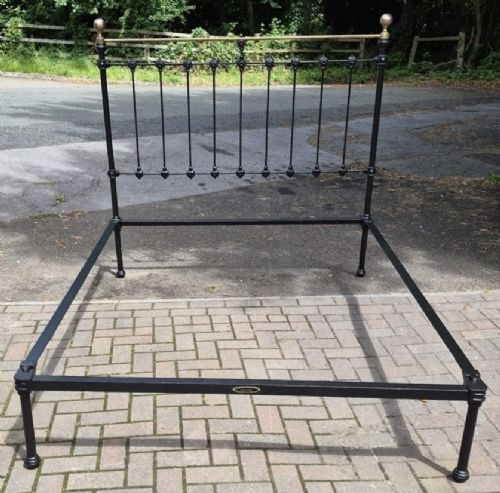
Makers utilised heavy cast iron and brass for metal bedsteads, frequently incorporating decorative brass castings, porcelain details, and iron frames finished in black or painted surfaces. Structural integrity relied on robust metal side rails and secure dovetail or wedge joints.
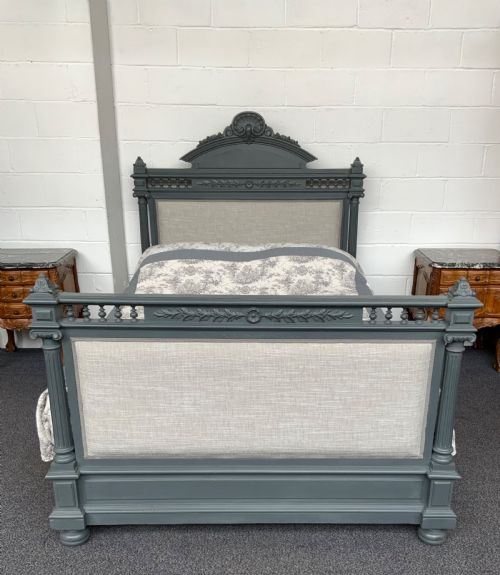
Wooden frames were constructed from timbers such as walnut, maple, and mahogany, often enhanced by quarter-veneering, kingwood parquetry, and cast or gilt ormolu mounts in Louis styles. Carvers shaped intricate motifs by hand, while cabinetmakers ensured the large headboards and footboards remained stable.
Some iron beds come with ribbon reed shaping, proving that even heavy industrial metal could put on a pretty ribbon.
What varies in quality
Quality in these bed frames hinges upon the intricacy of the metal castings and the purity of the brass work, where crisp detailing and substantial gauge tubing separate standard pieces from exhibition-grade examples. Maker attribution also plays a role, with documented workshops commanding attention for their refined engineering and distinct aesthetic signatures.
In wooden frames, the superiority of the piece rests on the selection of figured veneers, the depth and precision of hand-carved ornamentation, and the integration of ormolu mounts. Original finishes and structural preservation determine how closely the piece maintains its historical integrity.
Maple and Co·Winfield·James Shoolbread and Co
The Antique King Bed Frame Glossary
- Half Tester
- A canopy that extends only partway over the head of the bed. It typically supports fabric drapery to frame the pillow area.
- Dip Rail
- A headboard or footboard top rail that curves downward in the centre. This configuration was common in Edwardian and late Victorian iron designs.
- Ormolu
- Gilt-bronze mounts applied to wooden furniture. These decorative elements are characteristic of French revival styles.
- Parquetry
- Geometric patterns formed by small pieces of wood veneer. It appears on the surfaces of fine continental bedsteads.
- Half Tester Bedstead
- A bed frame featuring a partial overhead canopy structure. It combines metal or wooden posts with draped fabric elements.
Antique King Bed Frame: Frequently Asked Questions
Will a modern mattress fit?
Most of these frames accommodate standard modern king mattresses through adapted side rails or custom-built internal slats that respect the original dimensions.
Sellers often adjust the interior frame during restoration to ensure contemporary mattress widths and lengths sit securely without altering the exterior period appearance.
How do I assemble an iron and brass bed?
Metal frames typically utilise tapered wedge joints at the four corners where the side rails lock into the headboard and footboard posts.
Using a rubber mallet to gently seat these joints ensures a rigid, square structure without damaging the historical metal finish.
How do I care for brass and iron?
Metal surfaces benefit from gentle dusting and occasional waxing with a microcrystalline wax to protect against tarnishing and atmospheric moisture.
Avoiding harsh chemical metal polishes preserves the mellow patination that accumulates on nineteenth-century brass tubing and ironwork over decades.