

Antique Canopy Bedstead
An antique canopy bedstead brings architectural presence to a bedroom, offering towering posts, draped testers, and centuries of cabinetmaking tradition.
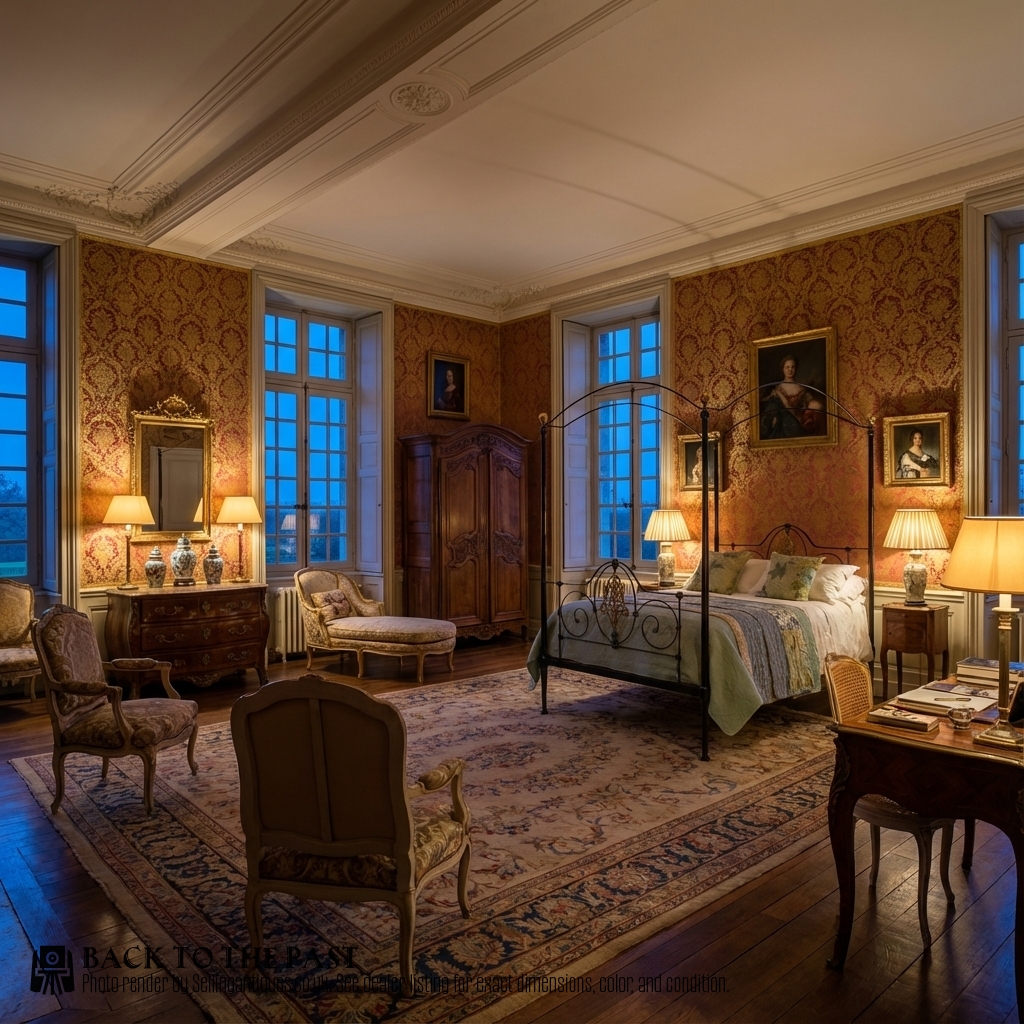
Antique Canopy Bedstead
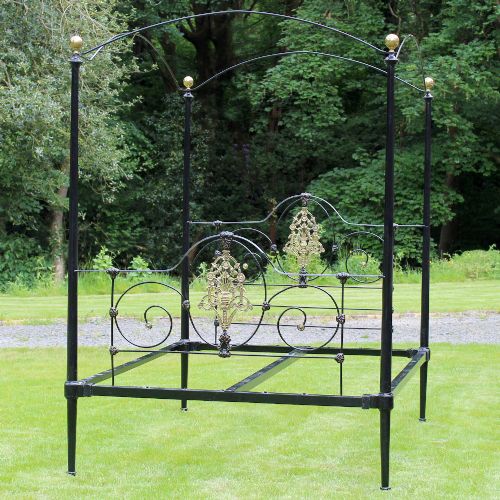
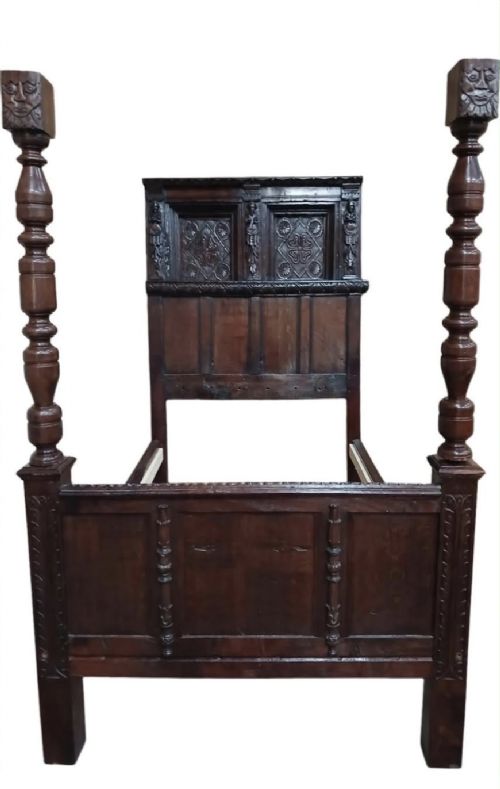
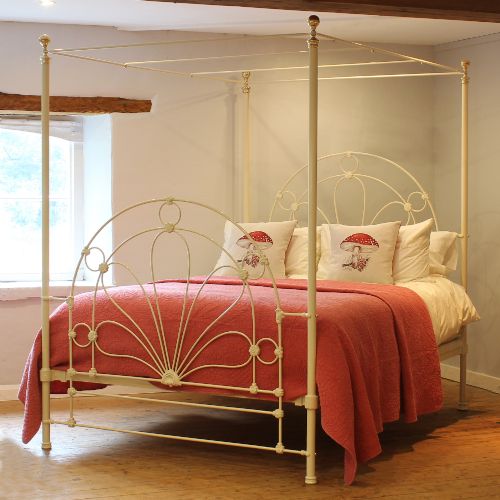
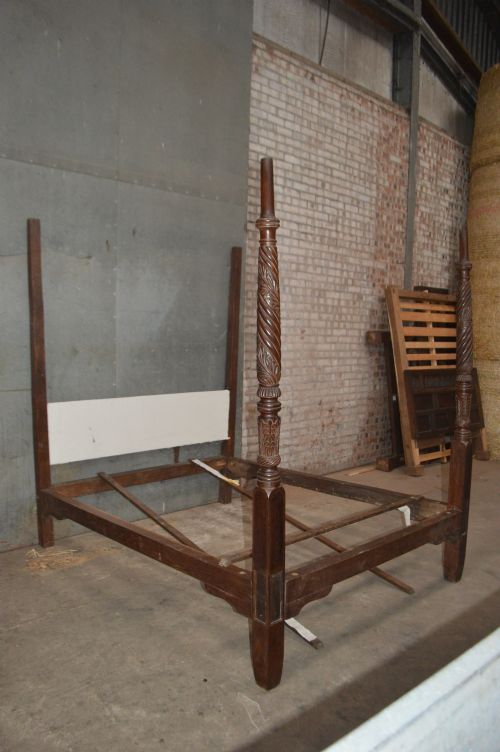
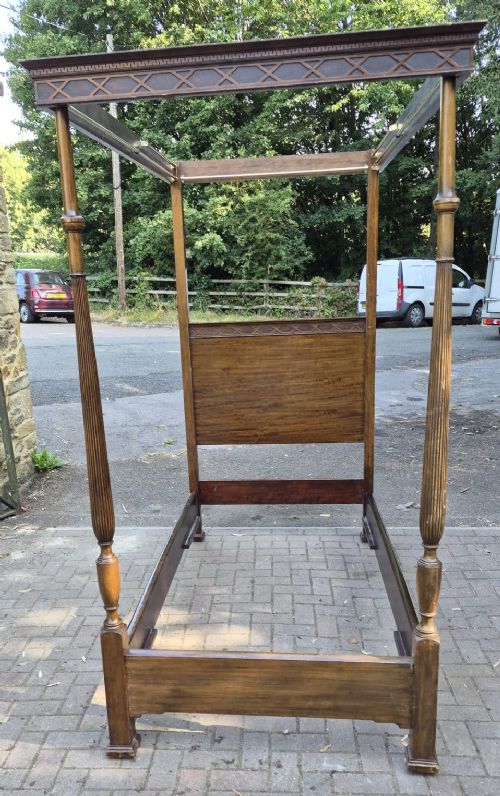
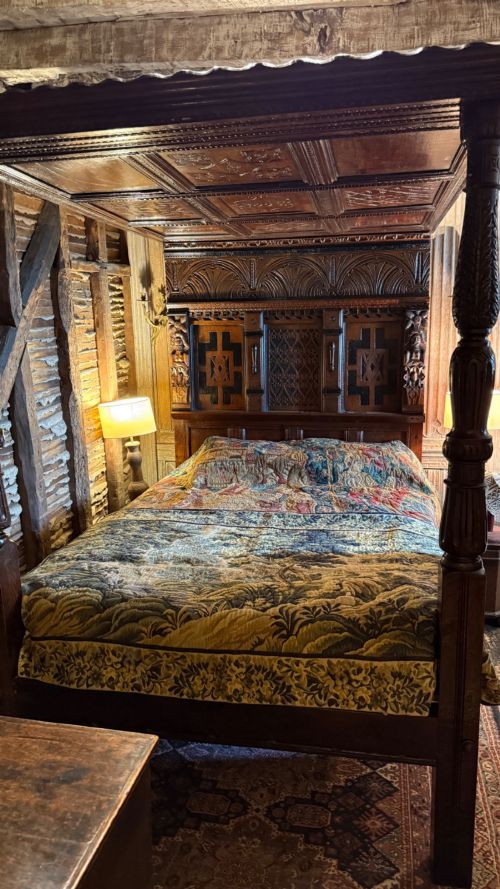
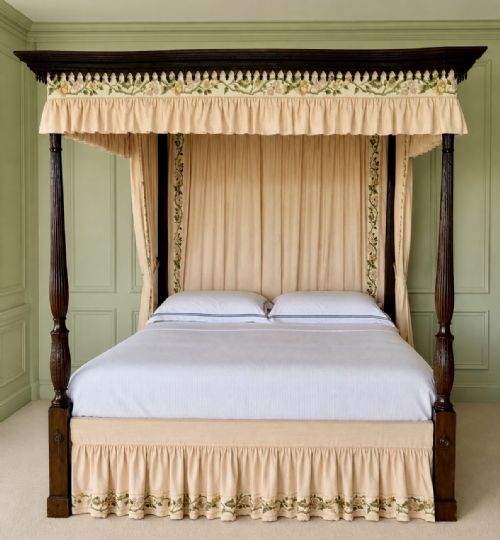
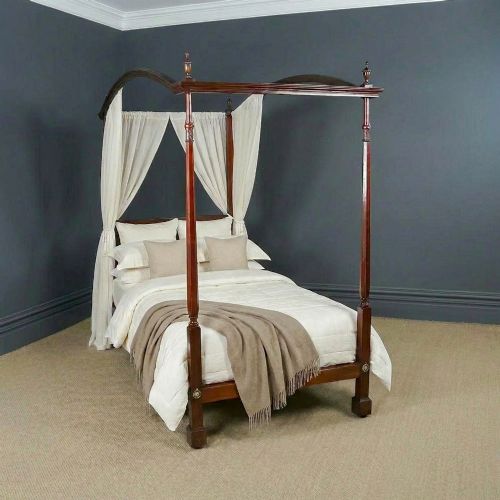
When searching for an antique canopy bedstead, buyers encounter substantial timber frames and gleaming metal structures spanning several distinct eras. The selection ranges from early oak examples bearing deep geometric mouldings to later mahogany and walnut creations shaped by Victorian, Regency, and Edwardian tastes.
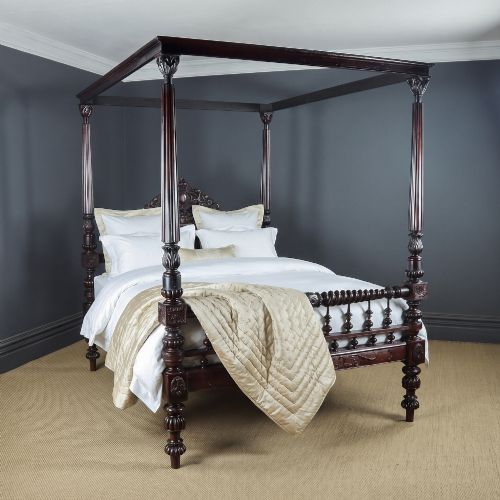
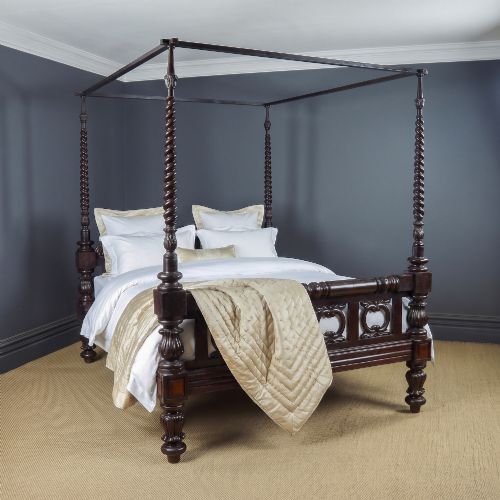
The dominant forms on this page include traditional four poster beds and half tester bedsteads, which suspend a partial canopy over the head of the mattress. These pieces originate from diverse workshops, encompassing English provincial joinery, metropolitan cabinet makers, Anglo-Indian colonial studios, and Chinese hardwood traditions.
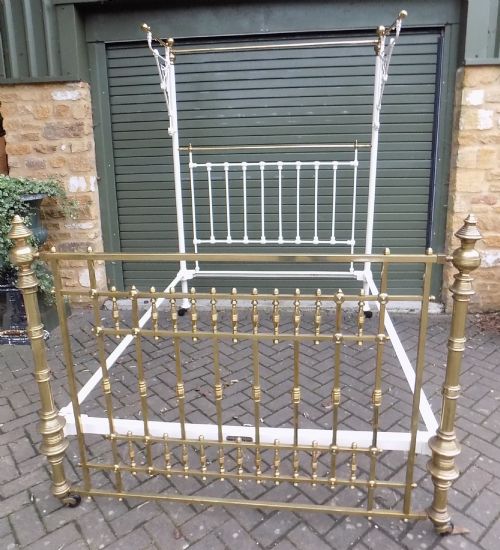
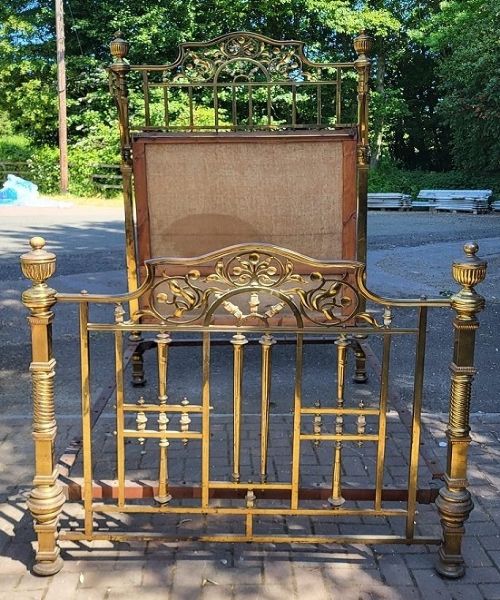
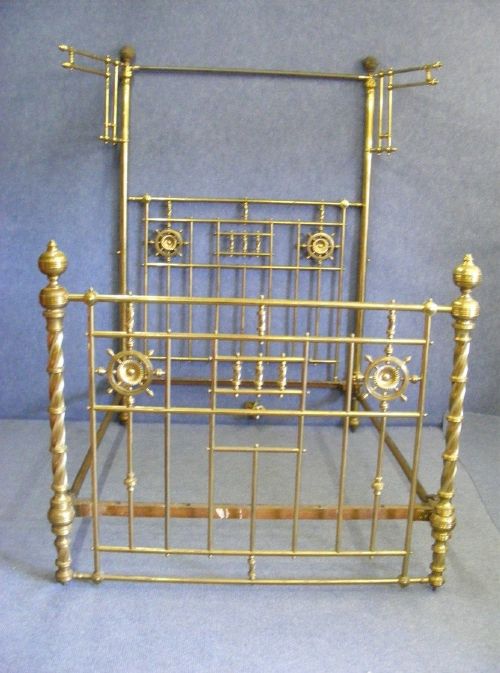
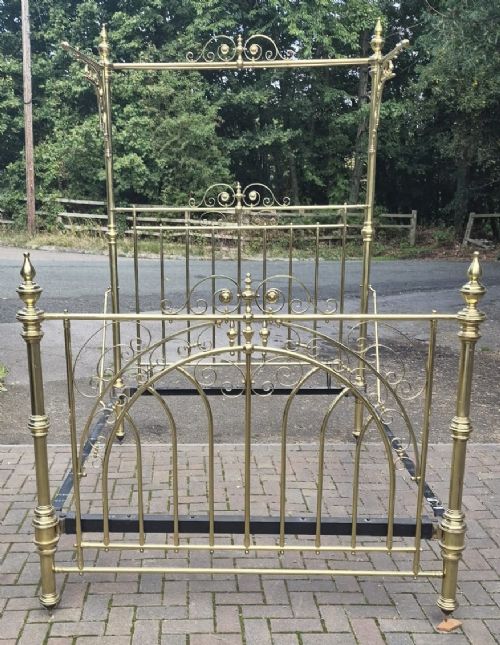
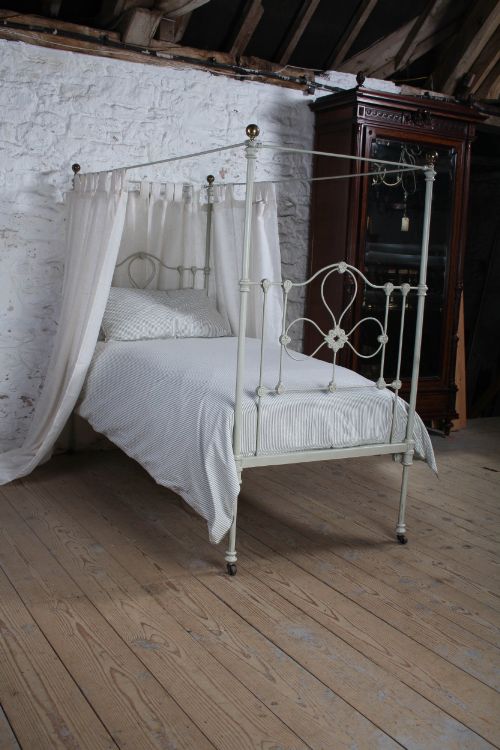
Buyers frequently meet Victorian brass and cast iron frames alongside 17th-century oak timber beds. This mix allows for a choice between the heavy, dark grain of seventeenth-century joinery and the bright, polished metal of nineteenth-century industrial metalworking.
Materials and Construction
The physical construction relies heavily on native and exotic timbers, principally oak, mahogany, walnut, and hardwood, often augmented by fruitwood inlay. Early joinery depends on pegged mortise and tenon joints to secure heavy posts, headboards, and testers.
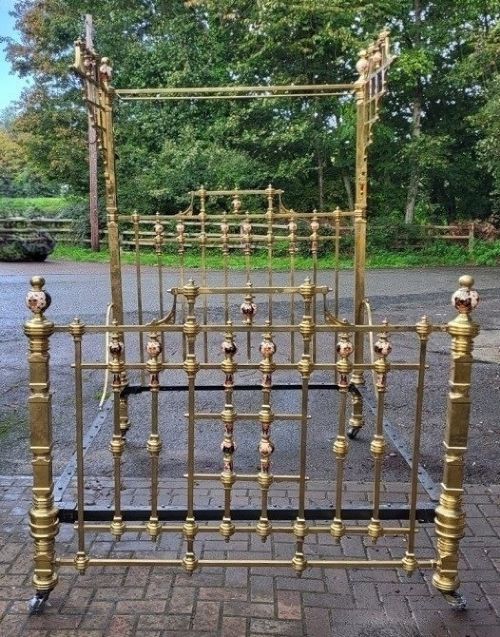
Metal bedsteads combine brass tubing, cast iron, and wrought iron, joined with threaded fixings and decorative metal castings. Many wooden examples incorporate fabric draperies and testers to complete the enclosed canopy structure.
Antique Canopy Bedstead Retail Price Guide 2026
Typical asking prices for canopy bedstead among the pieces listed under this phrase on Sellingantiques today, from the lower quarter to the upper quarter. They describe what is for sale here now, not the wider market.
Some nineteenth-century makers incorporated porcelain details directly into heavy mahogany bed frames, adding an unexpected touch of domestic elegance.
Judging Quality
Quality rests in the integrity of the timber framing and the crispness of carved ornamentation. Superior pieces demonstrate precise joinery, well-proportioned posts, and authentic period hardware rather than modern replacement fasteners.
In metal and brass examples, the thickness of the metal tubing, the weight of the castings, and the quality of the finish distinguish standard production from exhibition pieces. The balance between structural soundness and decorative proportion dictates the standing of each frame.
Heals of London·Howard and Sons·R W Winfield
The Antique Canopy Bedstead Glossary
- Tester
- The flat wooden or fabric-covered canopy that surmounts a four-poster bed. It extends over the sleeping area, supported by the vertical posts.
- Half Tester
- A wall-mounted or post-supported canopy that covers only the head portion of the bed rather than the entire length. This form gained popularity during the Victorian period.
- Four Poster
- A bed featuring four vertical posts at each corner that support an upper canopy framework. These posts range from heavily carved oak timbers to slender brass columns.
- Bedstead
- The complete structural framework of a bed, including headboard, footboard, and side rails, designed to support a mattress and foundation.
- Mortise and Tenon
- A traditional woodworking joint where a projecting tenon fits tightly into a corresponding mortise hole, secured with wooden pegs.
Antique Canopy Bedstead: Frequently Asked Questions
How do I choose the right size antique bedstead?
Antique canopy frames span various historical dimensions that often differ from modern mattress standards. Checking the internal rail measurements ensures compatibility with contemporary mattresses.
Many listings note standard categories like double or king size, but physical verification of length and width prevents fitting issues in modern bedrooms.
Can I use a standard modern mattress with these beds?
Most antique canopy bedsteads require custom support slats or modern base foundations to accommodate standard mattress sizes safely. Older timber frames were built for straw or feather ticks resting on ropes or early wooden laths.
Working with modern bed frames often involves discreet internal adaptations to ensure the mattress sits at the correct height beneath the tester canopy.
How do I distinguish a 17th-century bed from a later revival piece?
Seventeenth-century oak beds display hand-cut joinery, pegged joints, and surface patination developed through centuries of exposure. Tool marks left by pit saws and adzes provide physical evidence of period handcraft.
Revival pieces from the Victorian and Edwardian eras often utilise machine-sawn timber and standardised hardware while copying earlier Jacobean or Elizabethan styles.
How are iron and brass bedsteads maintained?
Metal frames require careful dusting and occasional cleaning with non-abrasive metal polishes to preserve the finish on brass components. Avoiding harsh chemical cleaners prevents damage to aged lacquer or patinated surfaces.
Checking and tightening threaded joints periodically ensures the structural stability of iron and brass frames during daily use.